Science Fiction
24 audiobooks
Science fiction pulls the mind beyond present reality, inviting listeners to consider futures that might be, worlds that never were, and technologies still dreamt. It is the literary home for imagination unbound, where scientific principles twist into grand adventures and speculative concepts become the bedrock of entire civilizations. People turn to science fiction to stretch their understanding of possibility, to question human limits, and to confront the profound implications of discovery and invention. This realm offers both escape and contemplation, moving beyond the familiar to the extraordinary.
The roots of science fiction reach deep into human history, drawing from myths, utopias, and fantastical voyages that long predated formalized scientific thought. Yet, the genre as we recognize it truly began to coalesce in the wake of the Industrial Revolution, when rapid technological progress ignited both optimism and profound anxieties about humanity's control over nature. Mary Shelley’s *Frankenstein; or, The Modern Prometheus*, published in 1818, stands as a foundational text. It used scientific experimentation as a catalyst for a narrative that grappled with creation, moral responsibility, and the consequences of unchecked ambition, laying a template for much that followed. Writers like Edgar Allan Poe, with his tales of scientific wonder and psychological dread, further broadened the scope, demonstrating the genre’s capacity for both external adventure and internal philosophical inquiry.
By the late 19th and early 20th centuries, two giants—Jules Verne and H.G. Wells—solidified science fiction's place in popular culture. Verne, often called the “Father of Science Fiction,” meticulously detailed fantastic journeys powered by plausible, if advanced, technology, making the impossible seem within reach. Wells, on the other hand, frequently employed scientific concepts as a springboard for social commentary and cautionary tales, confronting themes of class, war, and humanity’s place in the cosmos. Their work, alongside others from this era, established many of the genre's enduring tropes: time travel, alien encounters, and explorations of dystopian societies. It is from this fertile period, where imagination met burgeoning scientific understanding, that a substantial portion of our public domain catalog springs.
Our public domain catalog offers direct access to the visionary works that shaped science fiction. Consider the mind of Jules Verne, whose prophetic stories continue to inspire. His novel *From the Earth to the Moon* (1865) imagines a post-Civil War American gun club launching a crewed projectile towards the lunar surface, a concept that captivated readers long before actual spaceflight. Its sequel, *Round the Moon* (1870), continues the adventure, detailing the travelers' experiences as they orbit their celestial target. Verne’s genius for combining detailed technical speculation with thrilling narratives also shines in *The Master of the World* (1904), where a mysterious inventor terrorizes the world with his advanced, multi-modal vehicle, the Terror, a machine capable of operating on land, sea, and air. Another lesser-known Verne work, *Les Indes noires* (The Black Indies, 1877), known in English as *The Child of the Cavern*, examines the industrial marvels and human drama within a perpetual Scottish coal mine, revealing an entire subterranean world sustained by technology and grit.
H.G. Wells remains equally essential for understanding the genre's foundations. His classic *The War of the Worlds* (1898) depicts an alien invasion of Earth, forcing humanity to confront its fragility against superior intelligence and weaponry, a narrative that has echoed through countless adaptations. Similarly, *The Time Machine* (1895) sends a lone inventor into the far future to witness the ultimate consequences of social stratification, presenting a haunting vision of humanity's distant descendants. Beyond these giants, our collection includes Mary Shelley’s groundbreaking *Frankenstein* (1818), which still provokes ethical debate about scientific creation. Listeners can also find Charlotte Perkins Gilman’s *Herland* (1915), a utopian novel presenting a world populated entirely by women, where a truly peaceful and cooperative society flourishes without men, challenging societal norms and gender expectations of its time. These works, among others, demonstrate the diverse and powerful beginnings of science fiction.
Science fiction consistently challenges listeners with fundamental questions about existence and progress. Expect narratives that grapple with the ethical dilemmas of scientific advancement, whether it is the creation of artificial life, the impact of genetic manipulation, or the control over natural forces. The genre frequently stages its stories in future societies, either utopian visions of human perfectibility or dystopian warnings of technological overreach and societal collapse. It features encounters with alien life, forcing characters and listeners to confront the "other" and reconsider humanity's place in the universe. Stories often explore the boundaries of what it means to be human, examining consciousness, free will, and the very nature of identity in a world reshaped by invention. You will find thought experiments on social structures, political systems, and the ultimate destiny of civilization, all filtered through the lens of scientific speculation.
The immersive nature of science fiction finds a perfect medium in audiobooks. The spoken word allows the atmosphere of a distant galaxy or a post-apocalyptic wasteland to envelop you completely. A skilled narrator brings alien languages to life, gives unique voices to artificial intelligences, and conveys the urgent, often breathtaking pace of discovery or impending doom. The sound of a starship rumbling to life, the eerie quiet of a deserted future city, or the distinct cadence of a synthesized voice enhances the experience, pulling you deeper into worlds beyond our own. The nuances of scientific explanation, the tension of a first contact, or the subtle dread of a technological malfunction become palpable through vocal performance, transforming a reading experience into a vivid, internal cinema.
We invite you to step into these incredible futures and pasts. Our collection makes these foundational works of science fiction readily available, offering a chance to connect with the very ideas that continue to shape our understanding of progress and possibility. Discover the origins of space travel narratives, the first warnings of technological hubris, and the initial glimpses of what humanity might become. With 22 titles currently available in this genre, a vast universe of imagination awaits your exploration. Begin your next adventure now.
A Columbus of Space
A Dozen Short Stories
A Modern Utopia
After a Few Words
Another World: Fragments from the Star City of Montalluyah
Anthem
Before Adam
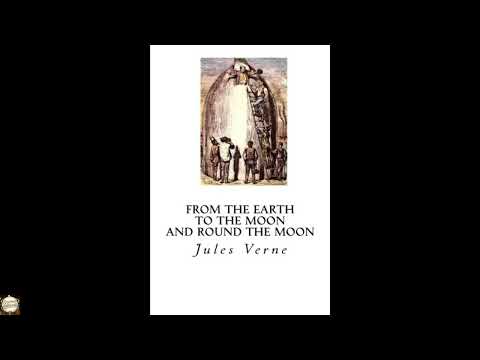
From the Earth to the Moon: and Round the Moon
Herland
Jack Wright and His Electric Stage or Leagued Against the James Boys

Les Indes noires
Lord of the World
Lulu's Library, Volume 3
Mars Confidential
Marvels of Machinery in Space (Ed Reads Short Sci-fi, vol. X)
On a Torn-Away World; Or, the Captives of the Great Earthquake
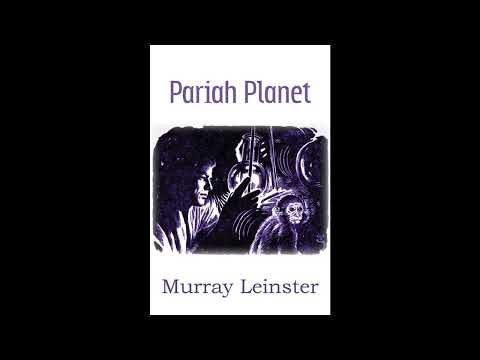
Pariah Planet
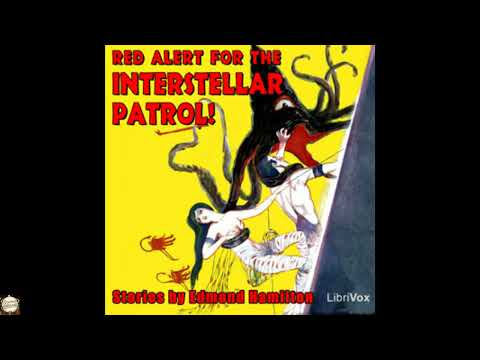
Red Alert for the Interstellar Patrol!
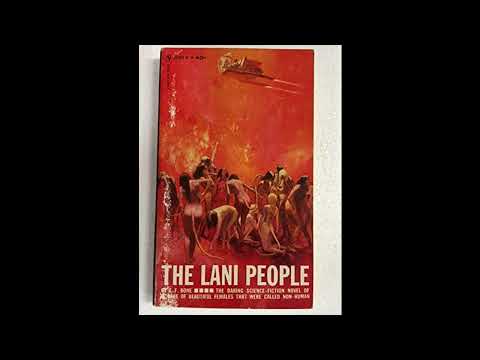
The Lani People

The Last Woman
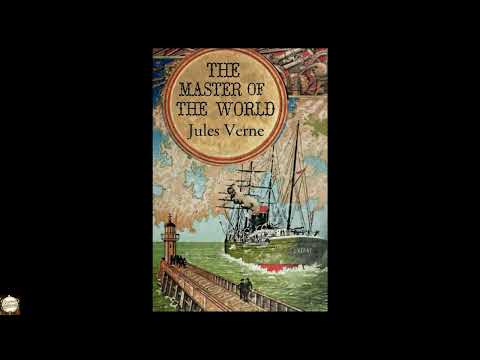
The Master of the World Annotated
The Plattner Story and Others
The Time Machine