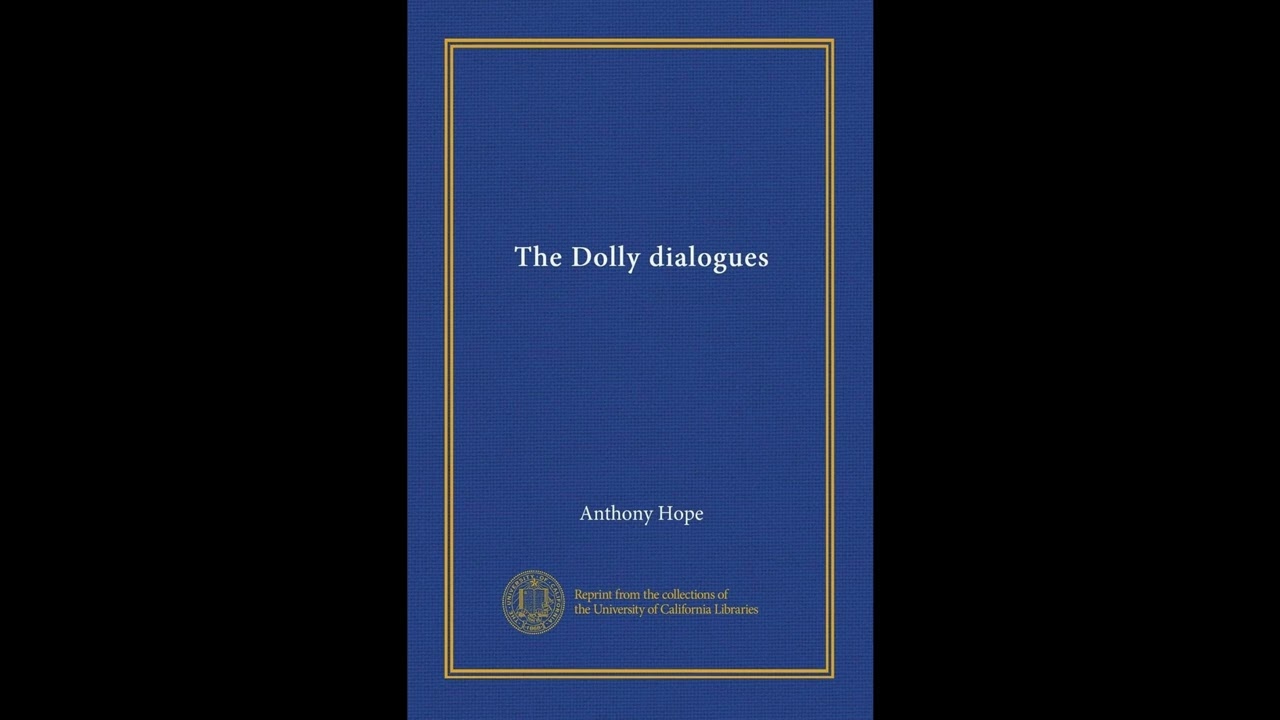
The Dolly dialogues
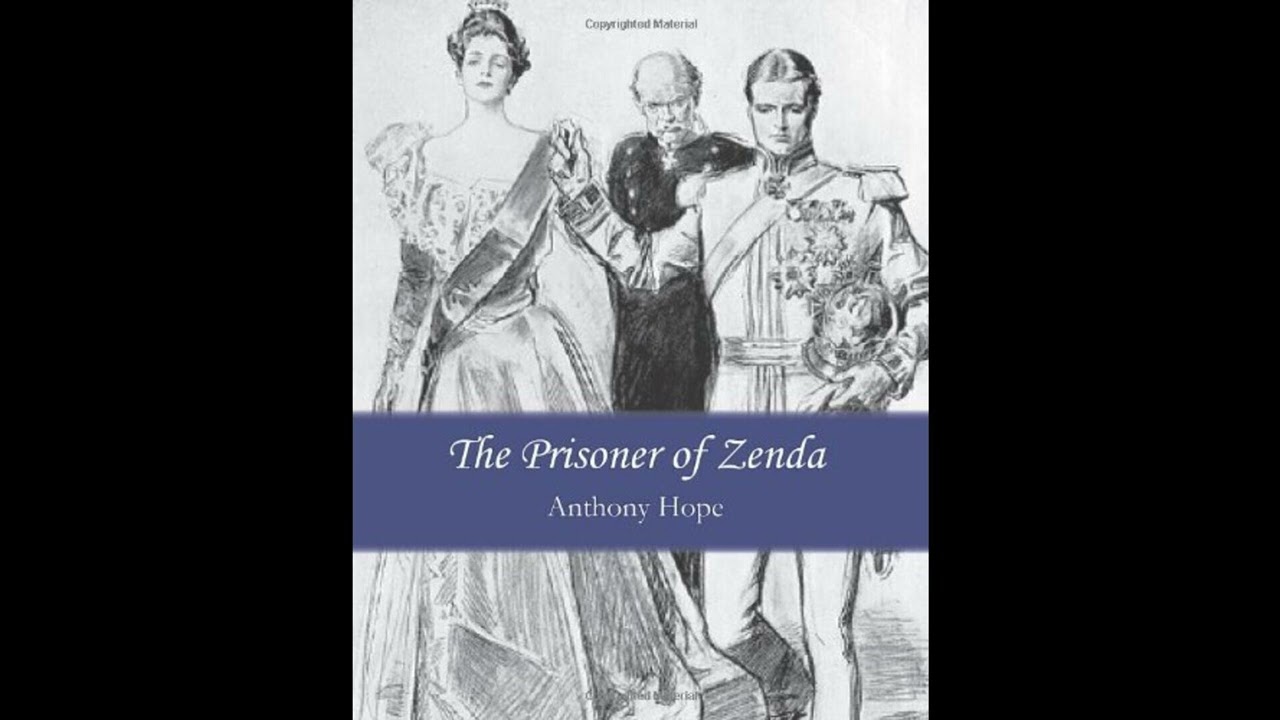
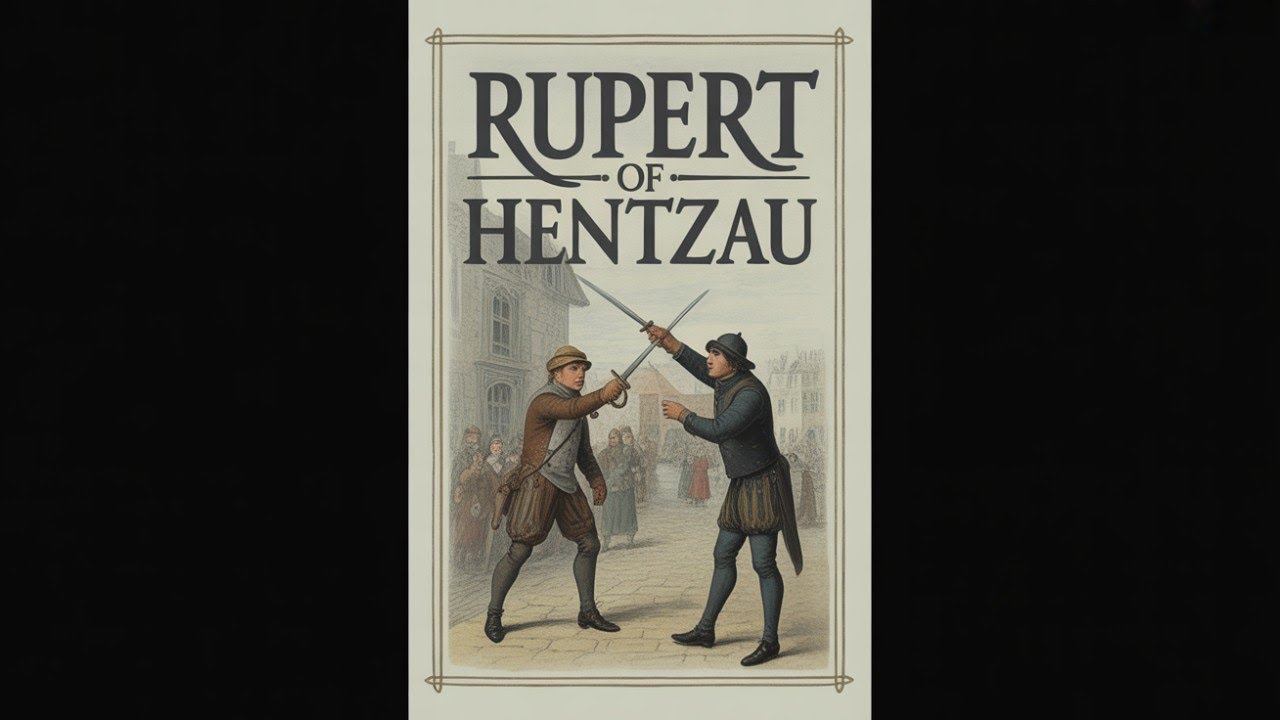
Step into the gilded drawing rooms and hushed garden parties of late Victorian London, where wit is the sharpest weapon and social maneuvering a high art. Anthony Hope's The Dolly Dialogues, first serialized in the Westminster Gazette in 1894 before its book publication, invites you into a world of elegant flirtation, polite deception, and the eternal dance between men and women. This collection of charming vignettes, centered on the beguiling and enigmatic Dolly, offers a sparkling window into a bygone era, yet its observations on human nature, desire, and the games people play for affection and status remain surprisingly poignant. It’s a book that reminds us how little the fundamental dynamics of social interaction have changed, even as the fashions and conventions have faded. Listeners today will find themselves chuckling at the familiar foibles and admiring the sheer verbal dexterity on display, finding in Dolly a character who, despite her superficial concerns, possesses a very real and relatable agency within the constraints of her time. The book unfurls through a series of brief, episodic conversations, mostly between the titular Dolly and her various male admirers and acquaintances, most notably the earnest but often outmaneuvered Kerrell. The setting is primarily the upper echelons of English society, where social calls, country house visits, and carefully orchestrated dinners form the backbone of daily existence. Dolly, a young woman of undeniable charm and sharp intellect, navigates this world with a cunning that belies her seemingly innocent exterior. She is a mistress of the polite evasion, the double-edged compliment, and the strategic silence, keeping a rotating cast of suitors perpetually hopeful yet always just out of reach. Kerrell, a close friend and confidant, often serves as her sounding board and bewildered chronicler, his infatuation and exasperation providing much of the humor as he struggles to understand Dolly's motivations. The central conflict, if one can call it a conflict rather than a delightful entanglement, revolves around Dolly’s seemingly endless flirtations and her path towards marriage. She is acutely aware of her social standing and the expectations placed upon her, but she plays the game on her own terms, testing the boundaries of propriety with every clever remark and calculated glance. We witness her interactions with Lord Mickleham, a wealthy and eligible peer who eventually becomes her husband, and other less fortunate gentlemen who fall under her spell. Each dialogue reveals another facet of Dolly’s personality—her occasional vulnerability, her genuine warmth, but always her underlying shrewdness in managing her public persona and securing her future. The narrative does not build to a grand, dramatic climax, but rather to a series of subtle realizations about the nature of Dolly's choices and the quiet compromises inherent in societal expectations. The author behind these insightful observations was Sir Anthony Hope Hawkins, who wrote under the pen name Anthony Hope. Born in London in 1863, he received a classical education at Marlborough College and New College, Oxford, before embarking on a career as a barrister. While practicing law, he began writing in his spare time, eventually publishing his first novel in 1890. Hope’s literary output was remarkably varied, encompassing both the lighthearted social comedies for which The Dolly Dialogues is an example, and the swashbuckling adventure novels that earned him international fame. He was not merely a dilettante but a dedicated writer whose keen ear for dialogue and understanding of human psychology allowed him to craft stories that resonated deeply with the public. His renown truly soared with the publication of The Prisoner of Zenda in 1894, the same year The Dolly Dialogues appeared in book form. This thrilling tale of mistaken identity, royal intrigue, and romance in a fictional European kingdom established the "Ruritanian romance" subgenre and cemented Hope's place as one of the most popular authors of the late Victorian and Edwardian eras. Later, he would publish its sequel, Rupert of Hentzau. Though vastly different in tone and subject matter, both The Dolly Dialogues and his adventure stories showcased Hope's ability to craft compelling narratives and memorable characters, demonstrating a versatility that allowed him to cater to various literary tastes of his time, from the drawing-room comedy to the high-stakes adventure. He was knighted in 1918 for his contributions to literature, a testament to his standing in the British literary landscape. The Dolly Dialogues engages with several enduring themes that make it more than just a period piece. One prominent theme is the performance of self and the rigid social conventions that dictated behavior in Victorian society. Dolly, and indeed many of the characters around her, are constantly "on stage," carefully constructing their identities and interactions to adhere to unspoken rules of decorum. For instance, Dolly's frequent feigned innocence or her strategic misunderstandings of Kerrell's deeper affections are prime examples of this performance, allowing her to control the flow of conversation and maintain her desired image without appearing overtly calculating. Another theme is the game of love and marriage as a strategic endeavor rather than purely an emotional one. Dolly's eventual choice of husband, subtly hinted at through the dialogues, is less about passionate love and more about securing a comfortable and respectable position within her social stratum, a pragmatic approach common to many women of her time. The book also subtly examines the power of wit and repartee as both a social lubricant and a defensive weapon. Characters often engage in verbal fencing, using cleverness to deflect uncomfortable truths or to assert dominance within a conversation. Dolly, in particular, demonstrates a masterful command of language, her quick replies and artful evasions serving to keep her suitors at arm's length while simultaneously drawing them closer. Finally, the work touches on the constraints and expectations placed upon women in Victorian society. While Dolly operates within these boundaries, her intelligence and manipulative charm allow her to exert a surprising degree of agency. She uses the very conventions meant to confine her as tools for her own advancement, making her a more complex figure than a simple flirt. For example, her ability to make a suitor feel uniquely special, even as she juggles several, highlights her skill in navigating a world where a woman's value was often tied to her marital prospects. When The Dolly Dialogues first appeared, the late Victorian era in Britain was a period of significant social and economic transformation, yet one still heavily bound by strict codes of conduct and class distinctions. The rise of a more affluent middle class meant new audiences for literature, and a growing interest in stories that reflected their own social concerns and aspirations. There was a fascination with the intricacies of social climbing, the rules of etiquette, and the delicate dance of courtship that led to marriage. Authors like Oscar Wilde, though with a sharper edge, also found success in satirizing these conventions. Hope's work emerged from this environment, offering a gentler, more humorous look at the same social landscape. It provided a mirror for readers to see their own society, its absurdities and its charms, presented in a digestible and entertaining format that resonated widely. The book’s focus on conversation and character over dramatic plot made it a perfect fit for serialization in magazines and newspapers, a popular mode of literary consumption then. Listening to The Dolly Dialogues as an audiobook offers a unique appreciation for Anthony Hope's particular genius. The entire work is built on dialogue—quick, clever, and often laden with unspoken meaning. Hearing the exchanges between Dolly and her admirers truly brings out the humor, the subtle barbs, and the underlying currents of feeling that might be missed in a silent reading. A skilled narrator can perfectly convey Kerrell's bewilderment, Lord Mickleham's slightly pompous pronouncements, and Dolly's utterly beguiling tones, allowing the listener to fully grasp the nuances of each interaction. With a running length of several hours, it's an ideal companion for a relaxed afternoon, a commute, or a quiet evening, allowing ample time to immerse oneself in this delightful world. Pay attention to the pacing of the conversations, the inflection in the voices, and how the atmosphere of a privileged, leisurely era is created purely through the spoken word and the precise choice of vocabulary. It’s a performance of wit that truly comes alive when heard.
Enjoyed The Dolly dialogues? A few ways to support us
Audible & Amazon links are affiliate; we may earn a small commission at no extra cost.
About this production
Human narration by a volunteer reader from LibriVox.org, the public-domain audiobook project. LibriVox volunteers record literary works whose copyright has expired in the United States, releasing the resulting recordings into the public domain.
The Dolly dialogues by Anthony Hope. The underlying text is in the U.S. public domain. We do not republish any modern copyrighted edition, translation, or commentary.
The 4K cinematic visuals accompanying this audiobook are generated by an AI image model from prompts derived from the source text. No copyrighted photos, paintings, or stock footage are used. AI generation is disclosed on every video on our YouTube channel as required by YouTube's altered/synthetic content policy.
English subtitles are transcribed from the LibriVox recording with OpenAI Whisper. Translations into the 11 other supported languages are produced by Meta's NLLB-200 neural translation model. No human translator's copyrighted translation is used.
Questions about sourcing or rights? See our DMCA & Sourcing policy or contact us.
Enjoyed this audiobook?
If you'd like to own a copy of The Dolly dialogues or hear a professionally produced edition, the links below help support free audiobook production at no extra cost to you.
As an Amazon Associate we earn from qualifying purchases. Audible / print links are affiliate.