Rupert of Hentzau from the Memoirs of Fritz von Tarlenheim
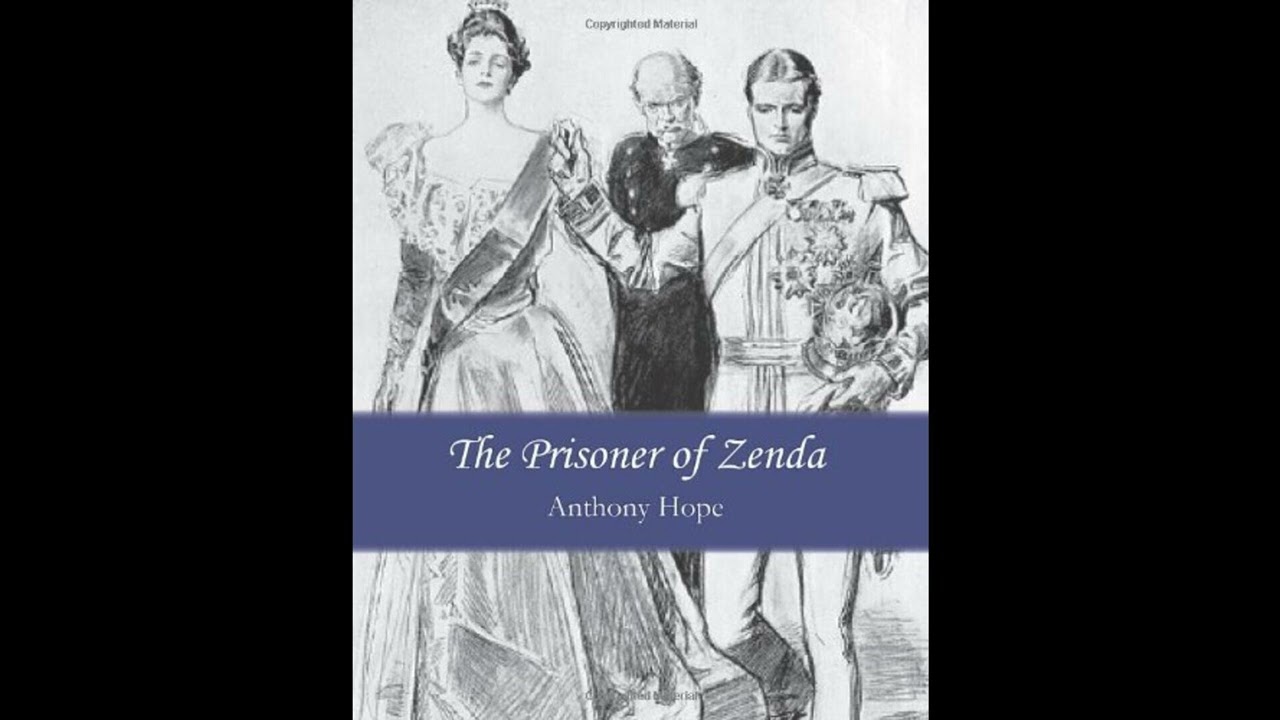
Step back into the shadowy corridors of Ruritania, three years after the enthralling deception that saved a kingdom. Anthony Hope’s Rupert of Hentzau from the Memoirs of Fritz von Tarlenheim does not merely revisit a beloved fictional world; it plunges listeners back into the perilous lives of its characters, exploring the crushing weight of duty, the enduring sting of forbidden love, and the terrifying resurgence of a truly formidable villain. This gripping sequel to The Prisoner of Zenda demands attention not just for its swashbuckling action and political intrigue, but for its piercing look at the long-term consequences of an extraordinary lie, resonating still with anyone who has grappled with the choices between personal happiness and the greater good. The story picks up with an air of melancholy that permeates the gilded halls of Strelsau. Queen Flavia, once Princess, finds her reign shadowed by a secret: the true King Rudolf V remains a weak, pleasure-seeking monarch, while her heart belongs to the Englishman, Rudolf Rassendyll, who once impersonated the king to save the throne. Rassendyll, living a quiet life in England, receives a desperate plea from Flavia, relayed through his loyal friend, Fritz von Tarlenheim, the memoir's narrator. Her letter, intercepted by the nefarious Rupert of Hentzau, becomes the spark that reignites a dangerous game of cat and mouse across the kingdom. Rupert, a figure of audacious villainy, had escaped justice three years prior and now lurks, plotting to use Flavia’s secret – and her affections – for his own gain, threatening to expose the very foundation of the Ruritanian monarchy. As Rassendyll is drawn back to the labyrinthine politics and perilous landscapes of Ruritania, the stakes are higher than ever. The lives of Queen Flavia, Rassendyll, and their steadfast allies—Colonel Sapt and the faithful Fritz—are balanced on a razor's edge. They must navigate a web of assassination attempts, duels, and desperate measures to protect the Queen's reputation and the stability of the crown, all while confronting their deepest desires and the ever-present threat of exposure. The narrative skillfully builds tension through a series of close calls and strategic maneuvers, leading toward an inevitable confrontation where loyalties are tested and ultimate sacrifices loom large. Anthony Hope, born Anthony Hope Hawkins in London in 1863, was an English barrister who found his true calling as a writer. Educated at Marlborough College and Balliol College, Oxford, he studied law and was called to the bar in 1887. His early legal career was intertwined with political aspirations, running as a Liberal Party candidate in several elections, though without success. These experiences likely informed his later stories of power, politics, and the complexities of human nature within systems of governance. It was with the publication of The Prisoner of Zenda in 1894 that Hope achieved widespread fame, essentially creating the "Ruritanian romance" subgenre of adventure fiction. He followed this success with Rupert of Hentzau in 1898, cementing his reputation as a master of dramatic storytelling. Beyond the Ruritanian novels, Hope also wrote social comedies, such as The Dolly Dialogues, showcasing his versatility. Knighted in 1918 for his contributions to literature, he passed away in 1933, leaving behind a body of work that continues to influence adventure and romantic fiction. His unique blend of high adventure, moral dilemma, and a touch of aristocratic melancholy secured his place in the late Victorian literary canon, bridging the gap between historical romance and modern thrillers. The novel is deeply concerned with the theme of duty versus personal desire. Rudolf Rassendyll, an honorable man, consistently chooses the security of the Ruritanian throne and the honor of Queen Flavia over his own profound love for her. We see this acutely in his agonizing decision to leave Ruritania the first time, and his return is not for personal gain but to avert disaster for the woman he loves and the kingdom he helped save. His internal torment, particularly in scenes where he and Flavia must maintain their formal distance despite their emotional bond, underscores the immense personal cost of upholding a grand deception. Another central theme is the nature of villainy, personified by Rupert of Hentzau. Unlike many antagonists, Rupert is not driven by ideology or tragic circumstance; he is simply and thrillingly malicious, motivated by pure self-interest and a zest for chaos. His unrepentant delight in causing suffering, his casual cruelty, and his daring escapes make him a memorable, almost magnetic, force of destruction within the narrative, serving as a constant reminder that evil, once confronted, can always return. When Rupert of Hentzau was published in 1898, the British Empire was at the zenith of its power, yet culturally, the late Victorian era was a period of both confidence and underlying anxiety. There was a widespread public appetite for escapist literature, adventure stories that transported readers to exotic, often fictional, lands. This "New Romance" movement, led by authors like Robert Louis Stevenson and H. Rider Haggard, offered a counterpoint to the more somber realism gaining ground in literature. Hope’s Ruritanian novels perfectly tapped into this desire for chivalric romance, thrilling duels, and political intrigue set in picturesque, vaguely Central European kingdoms, allowing readers to momentarily forget the social and industrial complexities of their own world. The serialized nature of novels in popular magazines of the time also contributed to their immediate success, fostering a fervent readership eager for each new installment of high-stakes drama. Listening to Rupert of Hentzau from the Memoirs of Fritz von Tarlenheim as an audiobook offers a unique way to experience this classic. The story, framed as Fritz von Tarlenheim’s personal account, gains an immediate, intimate quality, as if a confidant is relaying the tense events directly to you. A skilled narrator can bring out the quiet desperation of Queen Flavia, the unwavering loyalty of Fritz, the weary resolve of Rudolf Rassendyll, and the chilling charisma of Rupert, making their voices distinct and memorable. The narrative's pacing, alternating between moments of quiet reflection and sudden, brutal action, translates beautifully to the audio format, allowing the listener to absorb the nuances of the characters’ internal struggles before being swept away by sword fights and desperate escapes. Listen for the subtle inflections that convey the unspoken emotions between characters, the rising urgency in dialogue during a chase, or the atmospheric descriptions of Ruritanian castles and forests, which combine to create a truly absorbing listening experience over several compelling hours.
Enjoyed Rupert of Hentzau from the Memoirs of Fritz von Tarlenheim? A few ways to support us
Audible & Amazon links are affiliate; we may earn a small commission at no extra cost.
About this production
Human narration by a volunteer reader from LibriVox.org, the public-domain audiobook project. LibriVox volunteers record literary works whose copyright has expired in the United States, releasing the resulting recordings into the public domain.
Rupert of Hentzau from the Memoirs of Fritz von Tarlenheim by Anthony Hope. The underlying text is in the U.S. public domain. We do not republish any modern copyrighted edition, translation, or commentary.
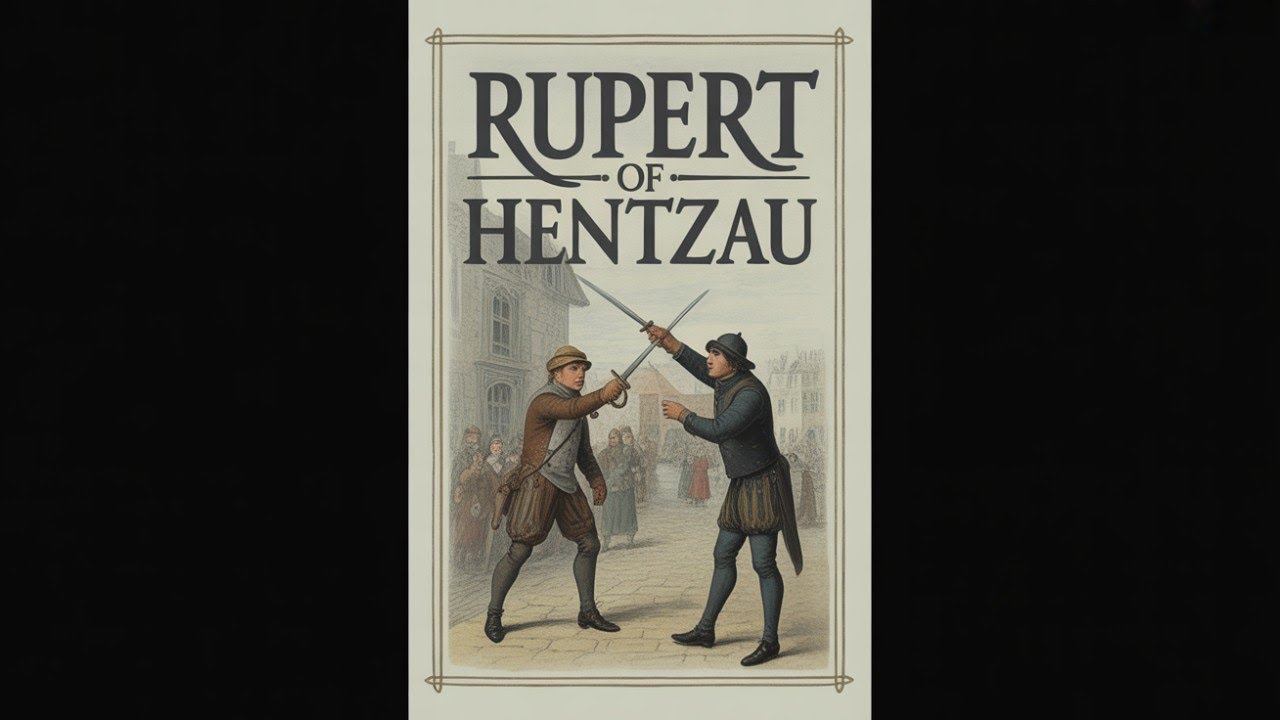
The 4K cinematic visuals accompanying this audiobook are generated by an AI image model from prompts derived from the source text. No copyrighted photos, paintings, or stock footage are used. AI generation is disclosed on every video on our YouTube channel as required by YouTube's altered/synthetic content policy.
English subtitles are transcribed from the LibriVox recording with OpenAI Whisper. Translations into the 11 other supported languages are produced by Meta's NLLB-200 neural translation model. No human translator's copyrighted translation is used.
Questions about sourcing or rights? See our DMCA & Sourcing policy or contact us.
Enjoyed this audiobook?
If you'd like to own a copy of Rupert of Hentzau from the Memoirs of Fritz von Tarlenheim or hear a professionally produced edition, the links below help support free audiobook production at no extra cost to you.
As an Amazon Associate we earn from qualifying purchases. Audible / print links are affiliate.