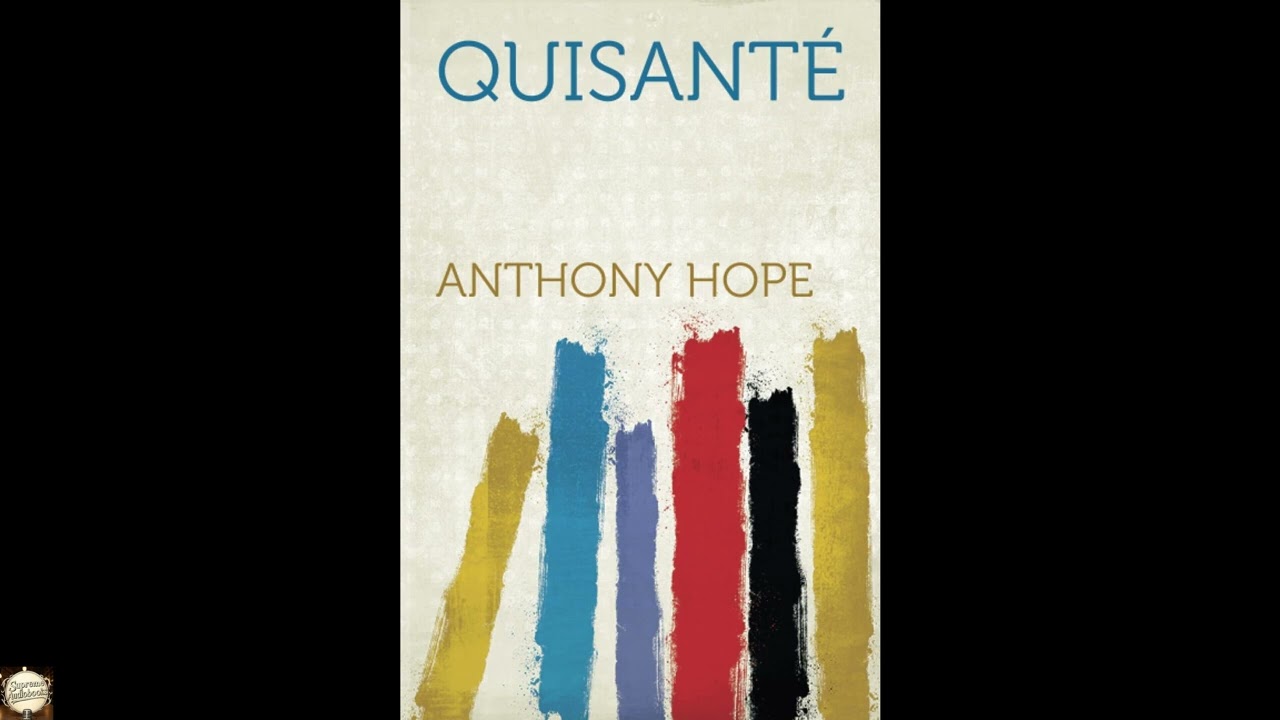
Quisanté
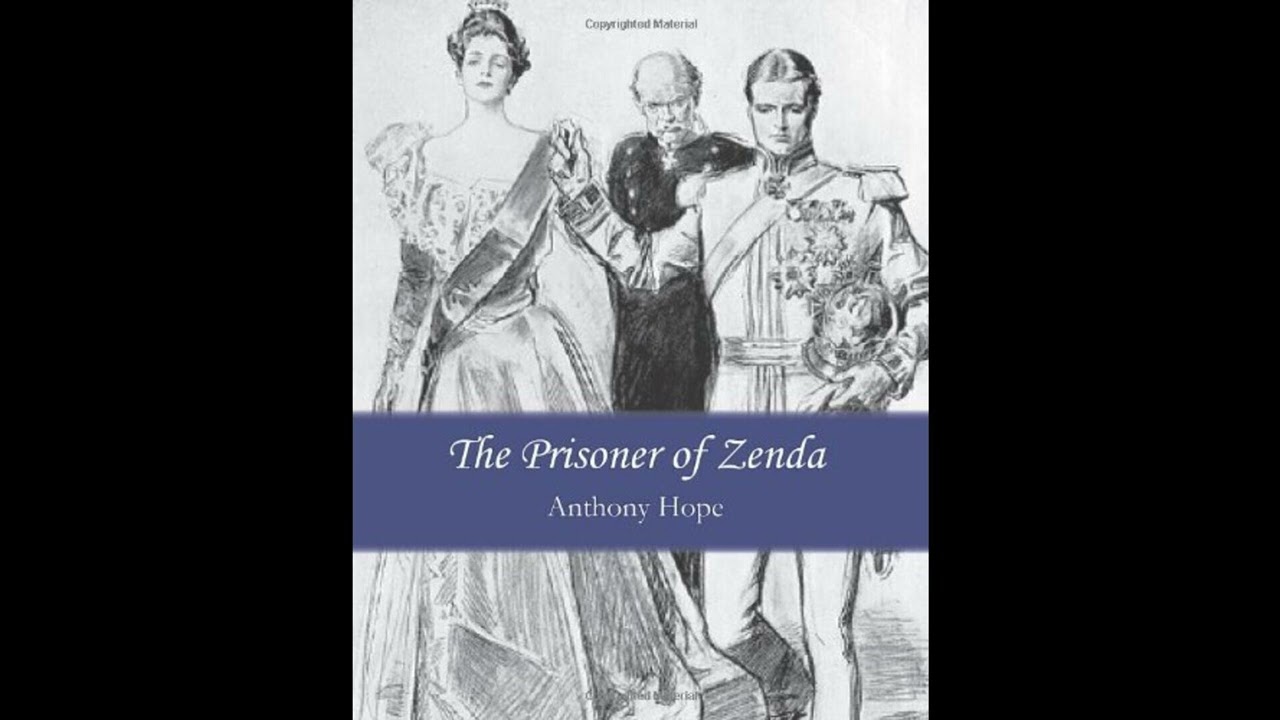
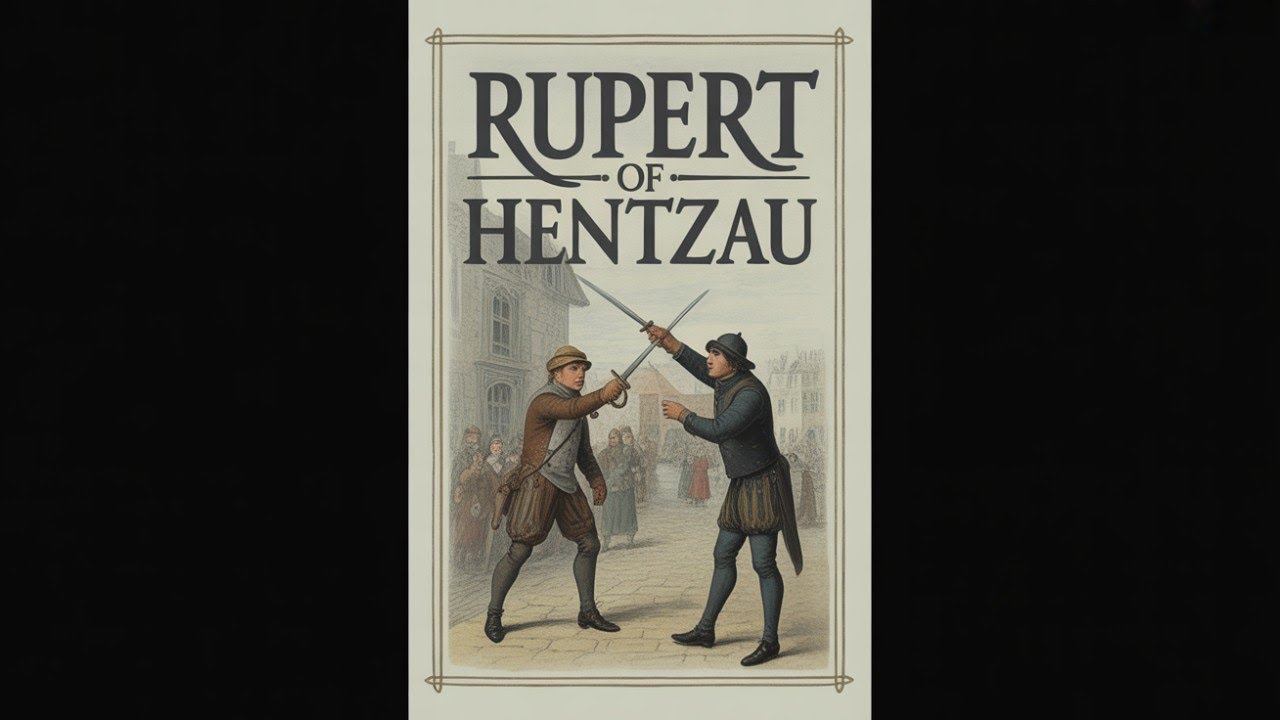
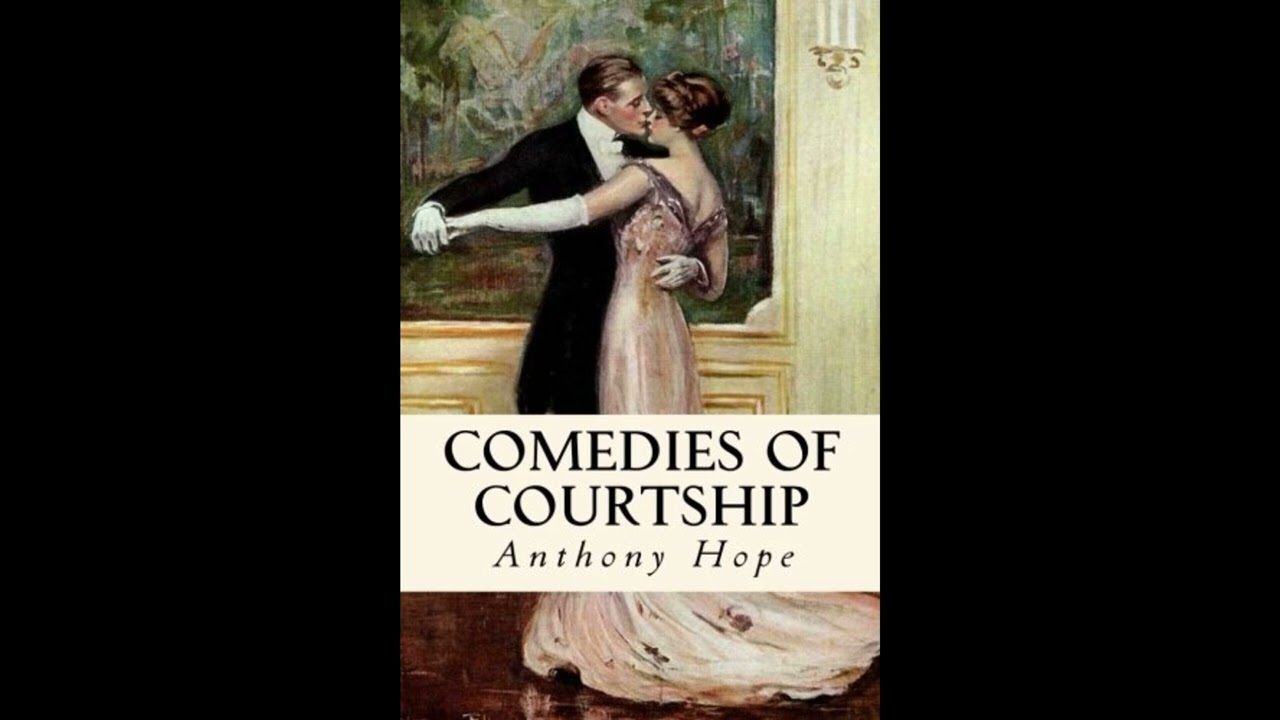
Anthony Hope’s Quisanté, first published in 1901, plunges listeners into the electrifying, often morally ambiguous world of turn-of-the-century British politics, offering a profound study of ambition, charisma, and the perilous compromises demanded by power. This is a story that, despite its period setting, resonates acutely with our contemporary understanding of public figures and the complex interplay between their personal lives and their professional personas. It asks pointed questions about whether genius can truly be separated from character, and whether the ends truly justify the means in the relentless pursuit of influence. For anyone fascinated by the mechanics of political ascent and the human cost of unwavering resolve, Quisanté provides a compelling, nuanced narrative that continues to provoke thought and discussion. The narrative unfolds in the upper echelons of London society and within the hallowed, often cynical, corridors of Westminster. At its center stands Alexander Quisanté, an enigmatic figure of foreign extraction who possesses an almost hypnotic charisma and a brilliant, unconventional mind. He is a man driven by an insatiable hunger for political power, an individual whose lack of traditional connections or social graces is more than compensated for by his sheer force of will and a revolutionary vision that both excites and unsettles the established order. His rise is swift and meteor-like, challenging the staid conventions of British politics with his dynamic, often ruthless, approach. His path soon crosses with Lady May Gwendoline, a woman of sharp intellect, deep moral conviction, and aristocratic lineage. Initially drawn to Quisanté's intellectual prowess and his magnetic presence, Lady May finds herself increasingly entangled in his life, eventually becoming his wife. Their union forms the emotional core of the novel, a partnership defined by both profound admiration and an agonizing moral conflict. Lady May struggles to reconcile her love for the man with her growing apprehension regarding his ethically questionable methods and the pragmatic, often deceitful, nature of his political maneuvers. The story follows Quisanté's ascent, his battles with rivals and public opinion, and Lady May's internal struggle to either accept or resist the compromises inherent in their shared destiny, all while the reader observes the high stakes of political ambition played out against the backdrop of a changing empire. The author, Anthony Hope Hawkins—better known by his pen name Anthony Hope—was born in London in 1863. The son of a clergyman, he received a classical education at Marlborough College and Balliol College, Oxford, before embarking on a career in law. Although he practiced as a barrister for several years, his passion for writing soon took precedence, leading him to abandon the legal profession for a full-time literary career. Hope quickly gained widespread fame with his innovative adventure novel, The Prisoner of Zenda, published in 1894, which introduced the now-iconic "Ruritanian romance" subgenre of adventure fiction set in fictional European monarchies. This success was followed by Rupert of Hentzau (1898), a direct sequel, solidifying his reputation as a master of thrilling, romantic escapism. However, Hope was far from a one-note writer. Alongside his swashbuckling tales, he also produced social comedies and novels of manners, such as The Dolly Dialogues (1894), showcasing his versatility and keen observation of human nature and society. Quisanté, appearing at the turn of the century, marked a significant departure from the pure adventure of his Ruritanian stories. Here, Hope turned his incisive gaze to the complexities of real-world politics and human psychology, proving his capability for serious social commentary and character study. He was knighted in 1918 for his contributions to literature, and he continued to write prolifically until his death in 1933, leaving behind a diverse body of work that bridged the Victorian and Edwardian literary eras. Quisanté masterfully brings to life several enduring themes that remain pertinent even today. One central idea is the corrosive nature of unbridled ambition and the ethical compromises it necessitates. Quisanté's almost Machiavellian drive for power illustrates how a singular focus on achieving a goal can lead one to disregard conventional morality. For example, his strategic alliances and willingness to manipulate public sentiment for political gain clearly demonstrate this ruthless pragmatism, forcing listeners to question the price of leadership. Another compelling theme is the dichotomy between the public persona and the private self. Quisanté presents a compelling, often heroic, image to the public and to his political allies, yet in his private moments and through Lady May's eyes, his flaws, insecurities, and moral ambiguities become painfully clear. Lady May's internal monologues vividly portray her struggle to reconcile the charismatic leader she admires with the less scrupulous man she loves, highlighting the perpetual tension between appearance and reality. The novel also examines the nature of charisma and its power to sway both crowds and individuals. Quisanté's magnetic presence and oratorical skills allow him to command attention and inspire devotion despite his controversial methods. Hope shows how a leader's sheer force of personality can often eclipse concerns about their character, drawing followers into their orbit almost against their better judgment. Lastly, Quisanté offers a poignant exploration of love and moral integrity within a relationship. Lady May's profound affection for Quisanté is constantly tested by her unwavering moral compass. Her dilemma—whether to support her husband unconditionally or to uphold her own principles in the face of his questionable actions—forms a deeply human and relatable conflict, echoing the difficult choices individuals often confront when their loyalties are divided. When Quisanté was published in 1901, Britain stood at the dawn of the Edwardian era, a period of significant social, political, and technological change. The Victorian certainties were giving way to new anxieties and aspirations. Politically, the British Empire was still vast, but internal debates about social reform, the extension of the franchise, and the role of the state were gaining momentum. It was a time when the rise of mass media and new forms of political campaigning began to reshape public discourse, making the kind of charismatic, unconventional politician like Quisanté both possible and deeply relevant. Literarily, the era saw a gradual shift from the romantic idealism and moral earnestness of high Victorian fiction towards greater realism and psychological depth, reflecting a growing interest in the complexities of modern life. Hope’s novel, with its focus on a morally ambiguous political figure and its nuanced exploration of character, positioned itself firmly within this evolving literary landscape, offering a keen observation of its time. Listening to Quisanté as an audiobook offers a unique and immersive way to experience Anthony Hope’s rich narrative. The spoken word brings a new dimension to Quisanté’s powerful speeches and Lady May’s thoughtful introspection, allowing the narrator’s voice to convey the nuances of their characters and their emotional states with clarity. The several hours of listening time make it an ideal companion for commutes, extended walks, or quiet evenings, allowing the complex plot and character developments to unfold at a natural pace. Pay close attention to the shifts in dialogue and the narrator’s pacing, which can emphasize the growing tension in political debates or the intimate struggles within Lady May’s mind. The atmospheric descriptions of Edwardian London and the drawing-room conversations come alive through a skilled vocal performance, immersing listeners directly into the political and social milieu of over a century ago. This format allows the drama, the moral quandaries, and the enduring questions of power and love to resonate with fresh immediacy.
Enjoyed Quisanté? A few ways to support us
Audible & Amazon links are affiliate; we may earn a small commission at no extra cost.
About this production
Human narration by a volunteer reader from LibriVox.org, the public-domain audiobook project. LibriVox volunteers record literary works whose copyright has expired in the United States, releasing the resulting recordings into the public domain.
Quisanté by Anthony Hope. The underlying text is in the U.S. public domain. We do not republish any modern copyrighted edition, translation, or commentary.
The 4K cinematic visuals accompanying this audiobook are generated by an AI image model from prompts derived from the source text. No copyrighted photos, paintings, or stock footage are used. AI generation is disclosed on every video on our YouTube channel as required by YouTube's altered/synthetic content policy.
English subtitles are transcribed from the LibriVox recording with OpenAI Whisper. Translations into the 11 other supported languages are produced by Meta's NLLB-200 neural translation model. No human translator's copyrighted translation is used.
Questions about sourcing or rights? See our DMCA & Sourcing policy or contact us.
Enjoyed this audiobook?
If you'd like to own a copy of Quisanté or hear a professionally produced edition, the links below help support free audiobook production at no extra cost to you.
As an Amazon Associate we earn from qualifying purchases. Audible / print links are affiliate.