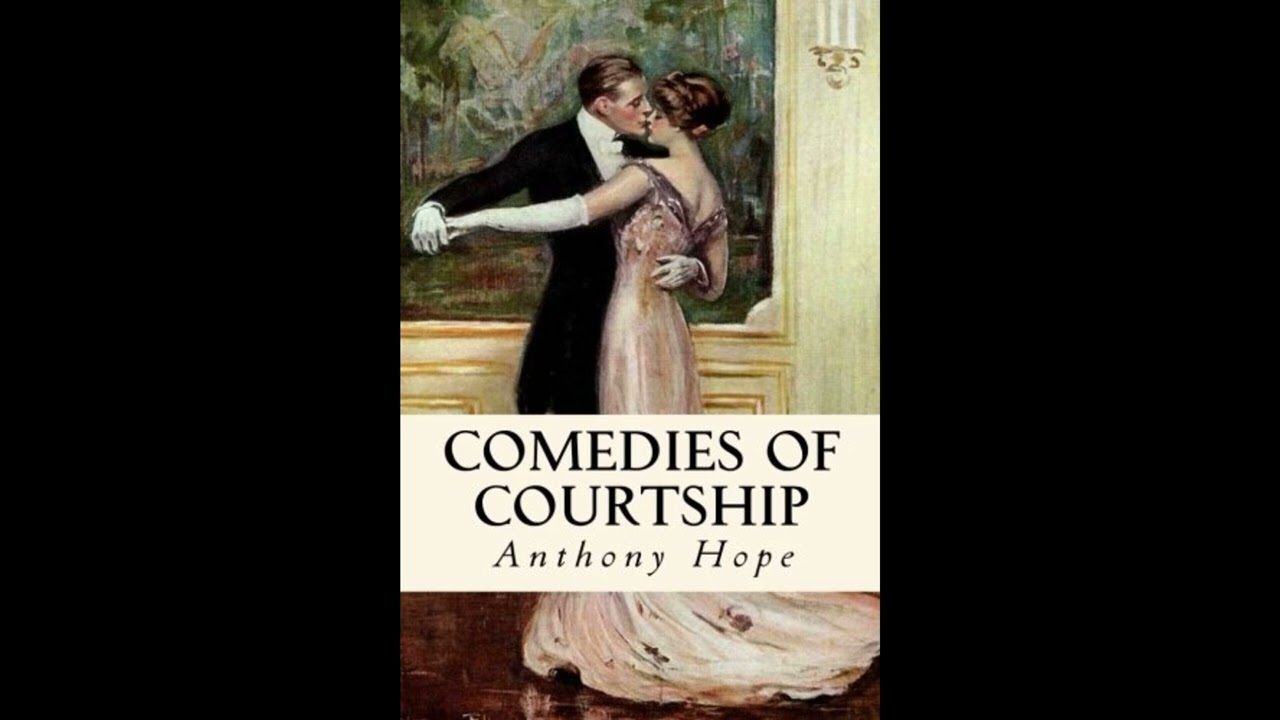
Comedies of Courtship
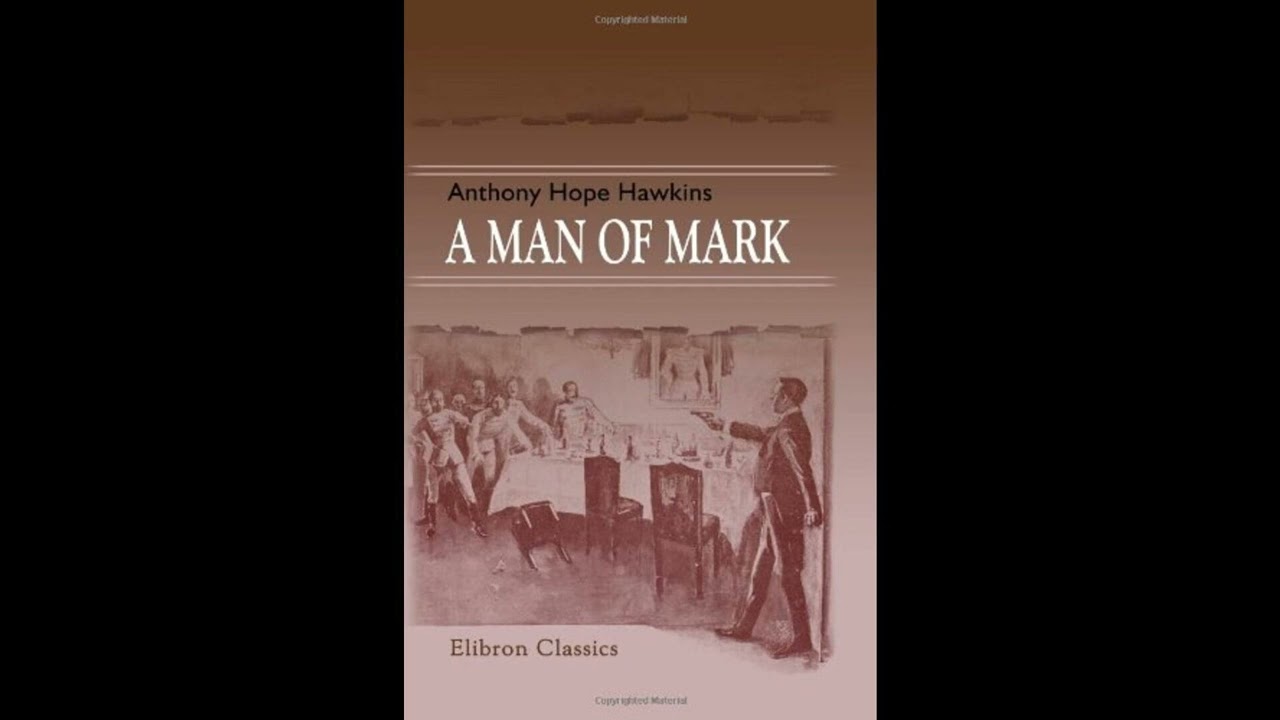
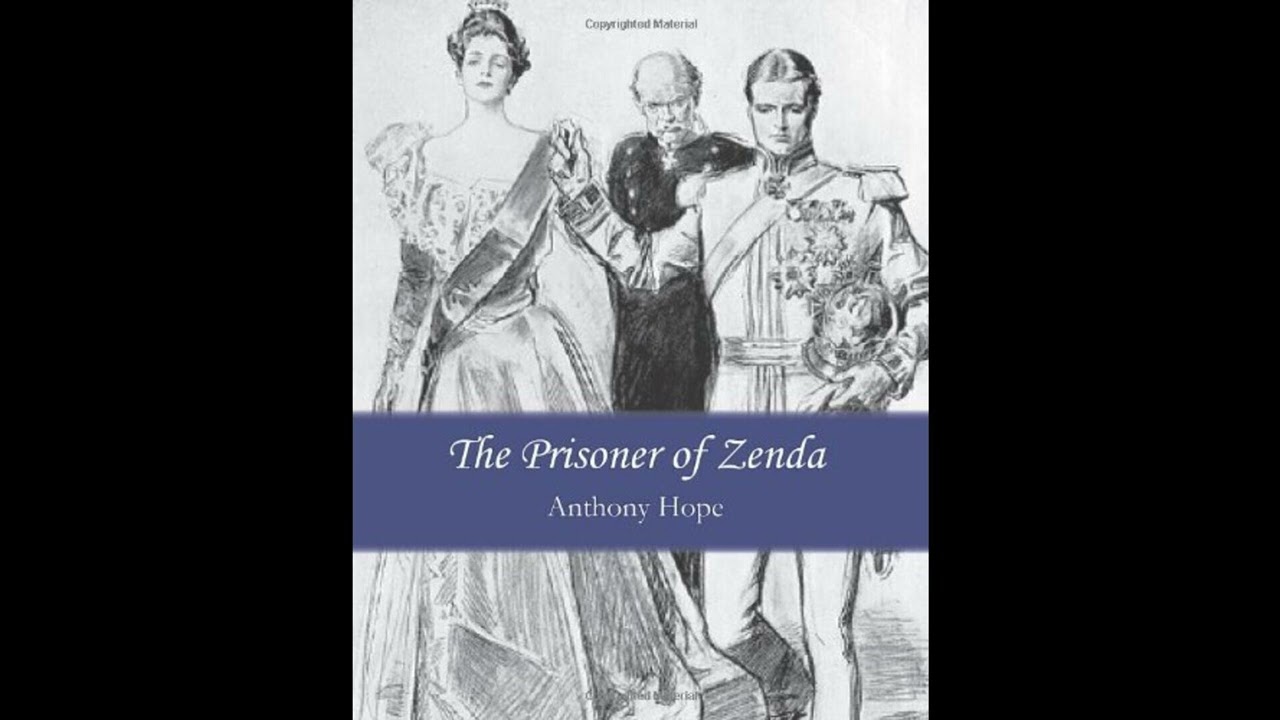
Step into a world where witty banter is a weapon, social graces are an art form, and the pursuit of love is perpetually entangled in the delightful snares of propriety and human folly. Anthony Hope's Comedies of Courtship offers a delightful promenade through the intricate dance of late Victorian and Edwardian romance, presenting a series of short stories and novellas that sparkle with charm, intelligence, and an astute observation of human nature. Why should a listener today care about these delightful escapades from over a century ago? Because the fundamental human desires – for companionship, understanding, and affection – remain unchanged, even as the social customs surrounding them evolve. Hope provides not just a glimpse into a bygone era, but a humorous, often poignant reflection on the timeless comedy of falling in love, navigating expectations, and discovering genuine connection amidst a bustling world of manners and subtle deceptions. His stories remind us that the heart’s pursuits, whether then or now, are always ripe for both laughter and tender consideration. Within the pages of Comedies of Courtship, listeners find themselves transported to the drawing rooms, garden parties, and country estates of a distinctly British society at the turn of the twentieth century. This is a landscape where reputation is paramount, social standing dictates much, and the rules of engagement in love and marriage are as complex as they are unspoken. The stories typically revolve around a particular romantic dilemma, often involving characters who are quick-witted, charming, and sometimes endearingly flawed. We meet clever young women navigating the expectations of their families and society, often possessing a sharp intelligence that belies their demure exteriors. Alongside them are eligible bachelors—some earnest, some prone to humorous missteps, and others who learn the hard way that a genuine heart is worth more than a carefully constructed facade. The central conflict in these narratives almost invariably concerns the path to matrimony. It is a path fraught with misunderstandings, mistaken identities, rival suitors, and the internal struggle between genuine affection and the perceived advantages of a socially advantageous match. Each story takes a distinct couple, or sometimes a trio of entangled individuals, through a specific sequence of romantic complications. A seemingly straightforward proposal might be derailed by a minor social faux pas, a secret admirer could emerge from an unexpected corner, or a carefully planned courtship could unravel due to a simple case of pride or a comedic mix-up of intentions. The arc of these stories often follows an initial spark or predicament, escalates through a series of social challenges and personal tests, and culminates in a resolution that, while comedic, often reveals a deeper truth about the characters and their desires, without giving away the precise nature of their happy—or sometimes, bittersweet—endings. The author behind these insightful social comedies was Sir Anthony Hope Hawkins, known to the literary world simply as Anthony Hope. Born in London on February 9, 1863, Hope's life spanned a period of significant change, from the late Victorian era through the early decades of the twentieth century. He received a distinguished education at Marlborough College and Balliol College, Oxford, where he excelled academically, setting him on a path towards a legal career. For a time, he practiced as a barrister, even standing for Parliament unsuccessfully, experiences that undoubtedly sharpened his understanding of human ambition, rhetoric, and the intricate workings of society—all elements that would later infuse his fiction. However, the allure of storytelling proved stronger than the call of the courtroom. Hope transitioned fully to writing, achieving immense popularity with his novel The Prisoner of Zenda in 1894, a book that not only became a bestseller but essentially defined the genre of "Ruritanian romance," tales set in fictional European monarchies. This success was followed by its equally popular sequel, Rupert of Hentzau. While these adventure novels brought him widespread fame, Hope also cultivated a talent for lighter, more satirical works, most notably The Dolly Dialogues, a collection of short conversational pieces that share much of the wit and observational humor found in Comedies of Courtship. He was knighted in 1918 for his contributions during the First World War, an acknowledgment of his public service and literary standing. Hope passed away on July 8, 1933, leaving behind a body of work that continues to amuse and entertain. The stories gathered in Comedies of Courtship adeptly examine several enduring themes that resonate beyond their period setting. One prominent theme is the interplay between social artifice and genuine emotion. Hope frequently stages scenarios where characters present a carefully curated facade, adhering strictly to the etiquette of the day, even as their true feelings bubble just beneath the surface. A witty exchange might mask a deeply felt affection, or a seemingly casual dismissal could hide a profound disappointment, highlighting how societal expectations often force individuals to communicate in layers, making authentic connection a nuanced and often humorous challenge. For example, a scene might depict a suitor who attempts to impress his beloved with elaborate compliments and grand gestures, only to discover that her heart is won by a moment of unexpected vulnerability or a quiet, sincere act. Another central theme is the perennial comedy of misunderstanding. Hope's narratives thrive on the humorous complications that arise from misinterpretations, veiled intentions, and the sometimes-absurd assumptions people make about one another. A casual remark taken the wrong way, a secret whispered to the wrong ear, or a romantic overture misinterpreted as mere friendship often drives the plot, generating both laughter and moments of genuine tension. This theme also connects to the subtle power dynamics inherent in courtship, where one party’s desire might clash with another’s pride, leading to a series of comedic blunders and reconciliations. The book also subtly questions the nature of love and marriage, examining the varied motivations—be it convenience, social ascent, or true affection—that propel characters towards matrimony, often with an ironic eye on the gap between idealistic romance and practical reality. Comedies of Courtship emerged from a fascinating juncture in literary and social history—the late Victorian and early Edwardian periods. This was a time when the British Empire was at its zenith, and a burgeoning middle class was solidifying its social rituals and leisure pursuits. Novels had become a primary form of entertainment, and there was a significant appetite for light fiction that offered both escape and clever observation of contemporary life. Authors like Oscar Wilde and George Meredith were also critically examining society, often with a sharp wit, and Hope's work fit comfortably into this landscape of sophisticated social commentary, albeit with a lighter touch. The rigid class structures and the intricate rules of social conduct of the era provided fertile ground for stories that highlighted the comedic potential of polite society. Culturally, this period saw the emergence of the "New Woman" movement, challenging traditional gender roles and expectations for women, particularly in marriage. While Hope's heroines often operate within more traditional frameworks of courtship, they frequently possess a spirited independence and intelligence that subtly reflects these changing attitudes, often outsmarting or at least holding their own against their male counterparts. His stories captured the spirit of a society that valued decorum and wit, offering a comforting, often aspirational, view of romance and social interaction at a time of underlying societal shifts and increasing modernity. Hope's writing allowed readers to revel in the familiar structures of romance while also gently poking fun at its inherent absurdities, creating a form of popular literature that was both accessible and intellectually stimulating. Listening to Comedies of Courtship as an audiobook offers a singular pleasure, transforming these sparkling tales from text on a page to a lively, immediate experience. The narrator's skill becomes crucial in conveying the nuances of Hope's prose—the delicate irony, the brisk pacing of a witty exchange, and the subtle shifts in emotional tone. A skilled voice actor can bring distinct personalities to each character, allowing the listener to easily follow the various entangled relationships and miscommunications. The dialogue, a hallmark of Hope's style, gains an added dimension when delivered with precision, capturing the cadence of polite society and the unspoken meanings behind the carefully chosen words. With a run length of several hours, these stories are ideal companions for a morning commute, an afternoon walk, or a quiet evening at home, inviting you to immerse yourself fully in a world of charm and cleverness. Pay close attention to the delivery of the humorous asides and the way the narrator articulates the social dilemmas, as these elements are key to appreciating the full comedic and romantic effect of Anthony Hope's enduring artistry.
Enjoyed Comedies of Courtship? A few ways to support us
Audible & Amazon links are affiliate; we may earn a small commission at no extra cost.
About this production
Human narration by a volunteer reader from LibriVox.org, the public-domain audiobook project. LibriVox volunteers record literary works whose copyright has expired in the United States, releasing the resulting recordings into the public domain.
Comedies of Courtship by Anthony Hope. The underlying text is in the U.S. public domain. We do not republish any modern copyrighted edition, translation, or commentary.
The 4K cinematic visuals accompanying this audiobook are generated by an AI image model from prompts derived from the source text. No copyrighted photos, paintings, or stock footage are used. AI generation is disclosed on every video on our YouTube channel as required by YouTube's altered/synthetic content policy.
English subtitles are transcribed from the LibriVox recording with OpenAI Whisper. Translations into the 11 other supported languages are produced by Meta's NLLB-200 neural translation model. No human translator's copyrighted translation is used.
Questions about sourcing or rights? See our DMCA & Sourcing policy or contact us.
View 10 famous quotes from this book →
Enjoyed this audiobook?
If you'd like to own a copy of Comedies of Courtship or hear a professionally produced edition, the links below help support free audiobook production at no extra cost to you.
As an Amazon Associate we earn from qualifying purchases. Audible / print links are affiliate.