About George MacDonald
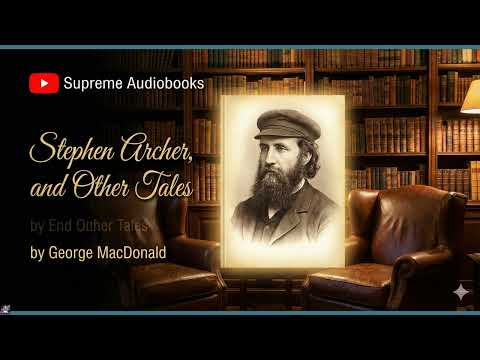
Among the pioneering voices of Victorian literature, whose imaginative stories continue to resonate, stands George MacDonald. Born on December 10, 1824, in Huntly, Aberdeenshire, Scotland, MacDonald's life spanned nearly eight decades until his passing on September 18, 1905, in Ashtead, Surrey, England. Raised in a devout but stern Calvinist household, he later pursued studies in chemistry and physics at King's College, Aberdeen University, before moving to Highbury College in London to train for the Congregational ministry.
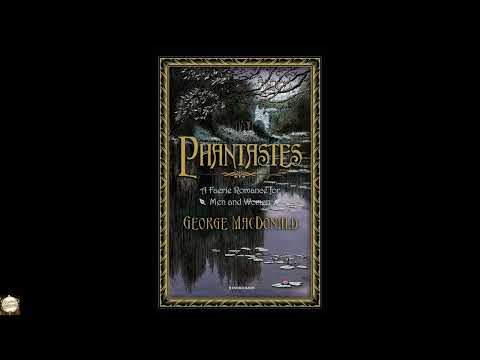
MacDonald's early life and education laid the groundwork for his unique blend of scientific curiosity and profound spiritual questioning. After a short, tumultuous period as a minister in Arundel, Sussex, where his unconventional theological views met with disapproval, he resigned from the pulpit. Faced with the need to support his large family, he turned his prodigious intellect and fervent imagination to writing and lecturing. He entered a flourishing Victorian publishing world, which was eager for both realistic novels and works of fantasy, distinguishing himself by crafting allegorical tales unlike anything being written at the time. His first significant work, the philosophical fantasy *Phantastes: A Faerie Romance for Men and Women*, appeared in 1858, establishing his distinctive voice.
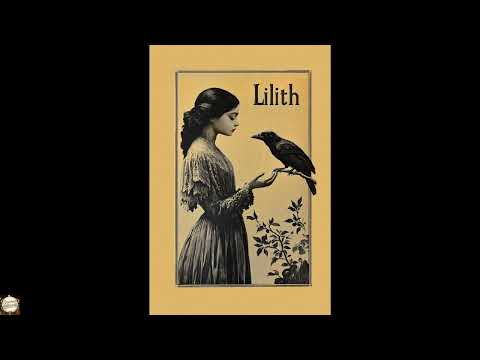
Throughout his prolific literary career, MacDonald produced a wide array of fiction for both adults and children. His most notable works include *Phantastes*, which details a young man’s passage into a dreamlike fairy land; *The Princess and the Goblin*, where a young princess uncovers magical secrets beneath her castle and battles subterranean creatures; *At the Back of the North Wind*, a poignant tale of a boy’s spiritual encounters with a mysterious woman; *Lilith*, an intense allegory of a man transported to a surreal, allegorical world through a mirror; and *Robert Falconer*, a narrative following a young man’s spiritual quest and search for his long-lost grandfather. These stories showcase his versatility across genres, from overt fantasy to spiritual realism.
MacDonald's writing style often blends lyrical prose with profound allegorical depth, frequently shifting between the mundane and the miraculous. Recurring themes include the nature of God’s redemptive love, which challenged the harsh Calvinist doctrines of his upbringing, the vital importance of imagination, and the idea of spiritual growth through suffering. For instance, in *At the Back of the North Wind*, the young protagonist, Diamond, experiences significant hardship and loss, yet through his encounters with the ethereal North Wind, he learns about divine love and the true meaning of existence and death, illustrating how trials can lead to spiritual understanding. He believed that the unseen spiritual world was more real than the material one, and his narratives often sought to unveil that hidden reality.
George MacDonald holds a foundational place in literary history, widely recognized as a pivotal figure in the development of modern fantasy literature. His imaginative depth and theological insights profoundly influenced later generations of writers. C.S. Lewis famously credited *Phantastes* with "baptizing his imagination," and MacDonald's impact can be seen in the works of Lewis, J.R.R. Tolkien, G.K. Chesterton, W.H. Auden, and Madeleine L'Engle. He helped shape the very landscape of fantastic literature, proving that such stories could carry profound spiritual and philosophical weight. His stories, filled with wonder, wisdom, and a compassionate vision of the divine, continue to offer profound reflections to anyone listening to his words today.
More on Wikipedia →