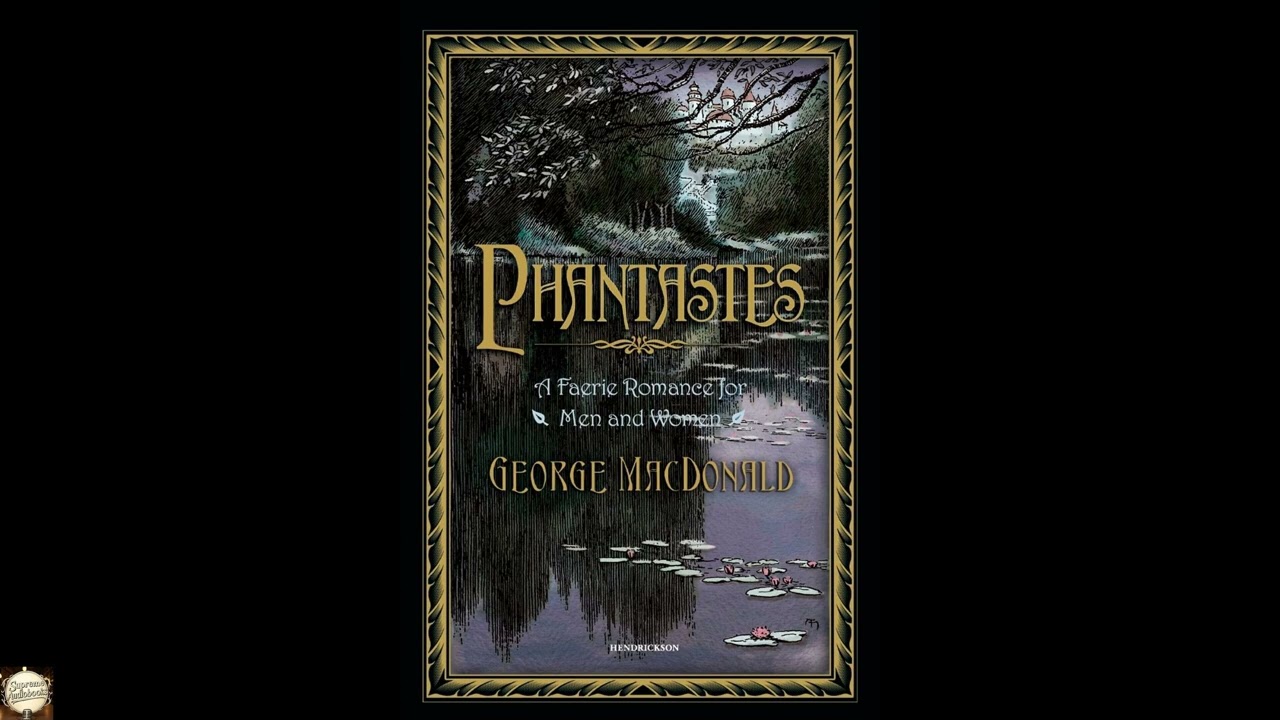
Phantastes: A Faerie Romance for Men and Women
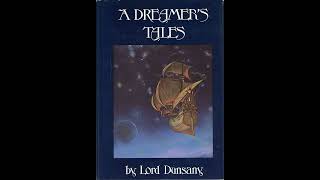
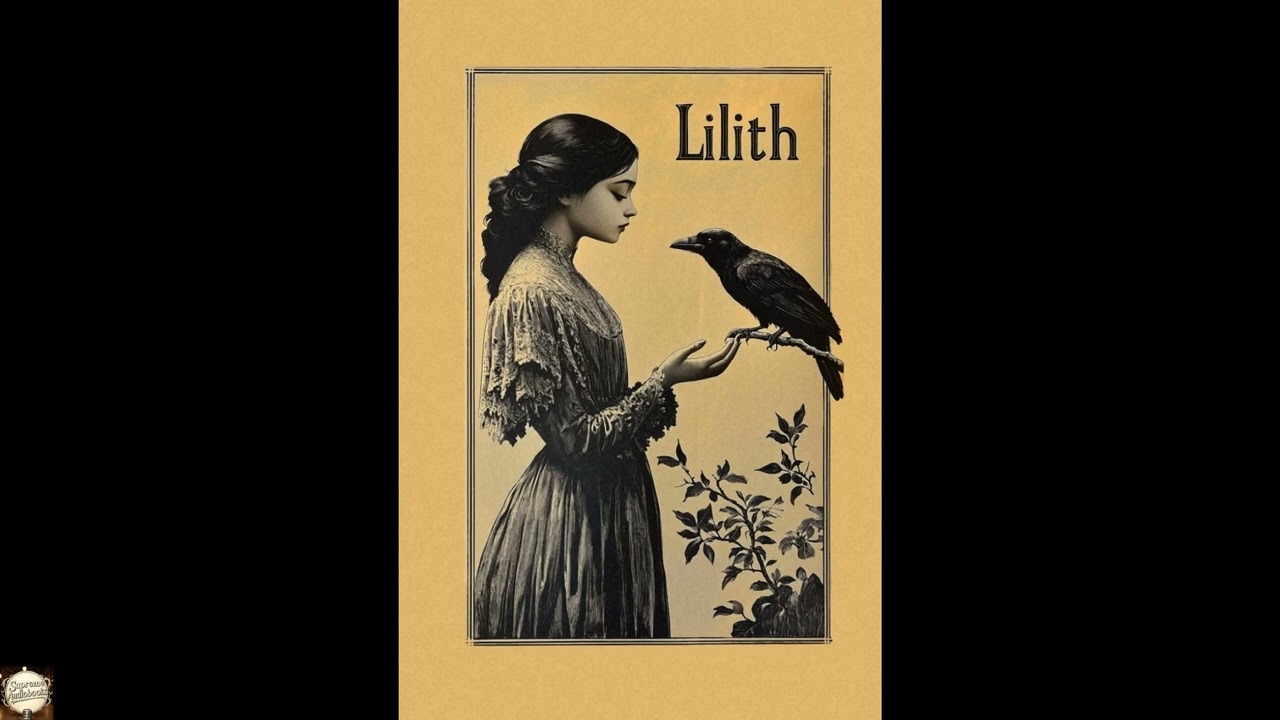
Step into a realm where the mundane dissolves into the miraculous, where ancient forests hold both beauty and peril, and where the quest for an ideal stirs the very core of the soul. George MacDonald's Phantastes: A Faerie Romance for Men and Women, first published in 1858, stands as a foundational text in what we now call fantasy literature, a book that quietly reshaped the imaginative landscape for generations to come. It is more than a mere tale; it is an experience, a waking dream rendered in prose, offering listeners an intimate glimpse into the inner life of a young man grappling with the nature of reality, desire, and self-discovery. This story remains profoundly relevant, speaking to anyone who has ever felt a longing for something just beyond the horizon of everyday existence, a deeper truth or a more profound beauty that might only be apprehended through the gateway of myth and wonder. Our story begins with Anodos, a young man who has just turned twenty-one and inherited his ancestral estate. As he settles into his new home, a sense of something extraordinary begins to stir. His desk drawer, usually unremarkable, reveals a hidden compartment, and within it, a tiny, ethereal figure, a fairy who delivers a cryptic message before vanishing. This fleeting encounter is the prelude to a far grander shift in his perception. The very walls of his room seem to expand, the familiar world giving way to a fantastical, ancient forest – the land of Faerie. Anodos finds himself transported, not through magic spells or grand portals, but through a gradual, almost imperceptible merging of worlds, suggesting that Faerie might always have been there, merely awaiting his acknowledgment. Once in Faerie, Anodos sets out on an odyssey that defies conventional expectations. He is not given a clear mission or an antagonist to defeat in the traditional sense. Instead, his quest is one of internal growth and understanding, spurred by a profound yearning for the ideal of feminine beauty. He encounters a host of strange and memorable beings: wise old women who offer counsel both cryptic and profound, benevolent tree-spirits, and fearsome goblins. He finds himself drawn to a beautiful Marble Lady, whose unresponsiveness both vexes and obsesses him. Along his path, he also confronts a mysterious, malevolent Shadow that begins to dog his steps, growing whenever he acts out of selfishness or pride, threatening to obscure his very light. Anodos experiences both sublime moments of rapture and harrowing trials, making mistakes, suffering consequences, and learning difficult lessons about the true nature of love, desire, and sacrifice. His journey is a winding path, filled with encounters that both aid and hinder his progress, pushing him towards an ultimate reckoning with himself and the elusive ideals he pursues. The author, George MacDonald, was a Scottish novelist, poet, and Christian minister, born in Aberdeenshire in 1824. His early life was shaped by a strong Calvinist upbringing, which he later questioned and moved away from, embracing a more liberal and universalist theology that deeply influenced his writing. MacDonald initially trained as a Congregational minister but found himself at odds with the strictures of his church, eventually choosing to leave the pulpit and support his large family primarily through his prolific literary output. He was a close friend of Lewis Carroll, serving as an important early reader and encourager of Alice's Adventures in Wonderland. MacDonald also fostered a significant friendship with John Ruskin and was greatly admired by later literary giants such as G.K. Chesterton, W.H. Auden, and most notably, C.S. Lewis, who called him his "master" and acknowledged MacDonald as a profound influence on his own imaginative and spiritual development. MacDonald authored over fifty books, spanning novels, poetry, and children's stories. Beyond Phantastes, his most celebrated works include the children's fantasies The Princess and the Goblin and At the Back of the North Wind, both beloved classics that continue to enchant young readers. His later, darker fantasy Lilith stands as a companion piece to Phantastes, further delving into complex spiritual and psychological themes. MacDonald's unique blend of deep spiritual allegory, dreamlike narrative, and profound moral insight secured his place as a seminal figure, essentially inventing the modern fantasy genre as we know it and laying much of the groundwork for the fantastical worlds built by Tolkien and Lewis after him. Phantastes pulsates with several key themes, making it a work of enduring contemplation. One prominent theme is the arduous search for ideal beauty and truth. Anodos's longing for the Marble Lady exemplifies this pursuit, representing a form of divine, unattainable perfection that ultimately tests his understanding of true love versus selfish desire. His missteps in Faerie often stem from his own ego or misunderstanding, showing how personal flaws can obstruct the apprehension of higher ideals. Another powerful theme is the internal battle against one's "shadow self." The malevolent Shadow that follows Anodos grows with his every selfish act or moment of despair, a stark externalization of his own darker impulses. He must confront and ultimately overcome this internal adversary to achieve genuine spiritual growth, illustrating the profound psychological struggle inherent in self-improvement. The book also addresses the nature of reality and illusion, often blurring the lines between waking life and dream. Faerie itself serves as a metaphor for the deeper, often unseen spiritual dimensions of existence, suggesting that the "real" world is perhaps more complex and fluid than our rational minds typically allow. Anodos's encounters, such as his conversation with the Alder tree, which offers advice both beautiful and potentially dangerous, underscore the idea that truth can wear many guises and that wisdom often requires discerning beyond surface appearances. The narrative implicitly argues for the power of imagination not as escapism, but as a crucial faculty for apprehending spiritual truths, a concept MacDonald himself strongly believed in. When Phantastes emerged in 1858, Victorian society was experiencing significant cultural and intellectual upheaval. The Industrial Revolution had irrevocably changed the landscape, fostering a more materialistic and rationalistic outlook, while scientific advancements, particularly the imminent publication of Darwin's On the Origin of Species a year later, began to challenge traditional religious doctrines. There was a burgeoning sense of spiritual doubt and a longing for something beyond the purely empirical. In the literary world, Romanticism had faded, but a new appreciation for myth, folklore, and the supernatural was quietly growing, often fueled by movements like the Pre-Raphaelite Brotherhood in art, which championed a return to the moral earnestness and artistic freedom of earlier times. MacDonald's "faerie romance" offered an antidote to the prevailing rationalism, a reaffirmation of the spiritual and imaginative dimensions of human experience, providing a space where questions of faith, beauty, and the soul could be addressed not through dogma, but through the evocative language of myth and dream. It tapped into a latent desire for wonder and meaning beyond the strictures of Victorian morality and scientific materialism. Listening to Phantastes as an audiobook offers a uniquely immersive and profound encounter with this extraordinary narrative. MacDonald's prose, with its lyrical quality, rich descriptions, and often philosophical digressions, lends itself perfectly to the spoken word. The narrator's voice becomes the conduit for Anodos's internal thoughts and the mesmerizing beauty of Faerie, allowing the listener to sink deeper into the dreamlike atmosphere. The run length of several hours provides ample opportunity to become thoroughly absorbed in this parallel world, letting the story unfold at its own deliberate pace. Pay close attention to the narrator's interpretation of the various characters Anodos meets – the wisdom of the old women, the innocent charm of the tree-spirits, or the unsettling presence of the Shadow – as these vocal distinctions greatly enhance the allegorical weight of each encounter. The pacing of the narration can highlight the story's moments of profound reflection, sudden wonder, or creeping dread, making this a true experience for the ear and the imagination.
Enjoyed Phantastes: A Faerie Romance for Men and Women? A few ways to support us
Audible & Amazon links are affiliate; we may earn a small commission at no extra cost.
About this production
Human narration by a volunteer reader from LibriVox.org, the public-domain audiobook project. LibriVox volunteers record literary works whose copyright has expired in the United States, releasing the resulting recordings into the public domain.
Phantastes: A Faerie Romance for Men and Women by George MacDonald. The underlying text is in the U.S. public domain. We do not republish any modern copyrighted edition, translation, or commentary.
The 4K cinematic visuals accompanying this audiobook are generated by an AI image model from prompts derived from the source text. No copyrighted photos, paintings, or stock footage are used. AI generation is disclosed on every video on our YouTube channel as required by YouTube's altered/synthetic content policy.
English subtitles are transcribed from the LibriVox recording with OpenAI Whisper. Translations into the 11 other supported languages are produced by Meta's NLLB-200 neural translation model. No human translator's copyrighted translation is used.
Questions about sourcing or rights? See our DMCA & Sourcing policy or contact us.
Enjoyed this audiobook?
If you'd like to own a copy of Phantastes: A Faerie Romance for Men and Women or hear a professionally produced edition, the links below help support free audiobook production at no extra cost to you.
As an Amazon Associate we earn from qualifying purchases. Audible / print links are affiliate.