John Greenleaf Whittier
24 audiobooks
Among the Hills, and other poems : Part 5 From Volume I of The Works of John Greenle- Full Audiobook
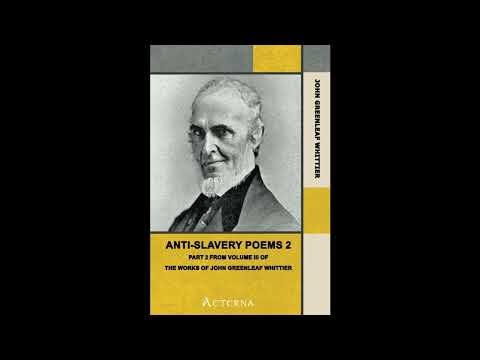
Anti-Slavery Poems 2.. Part 2 From Volume III of The Works of John Greenleaf Whittie- Full Audiobook
Anti-Slavery Poems 3. Part 3 From Volume III of The Works of John Greenleaf Whittier- Full Audiobook
Anti-Slavery Poems I. from Volume III., the Works of Whittier: Anti-Slavery Poems
Barclay of Ury, and other poems : Part 3 From Volume I of The Works of John Greenlea- Full Audiobook
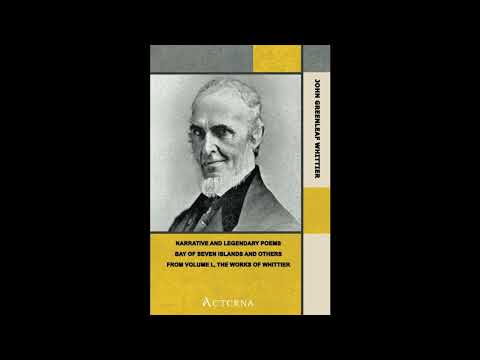
Bay of Seven Islands, and other poems. Part 7 From Volume I of The Works of John Gre- Full Audiobook
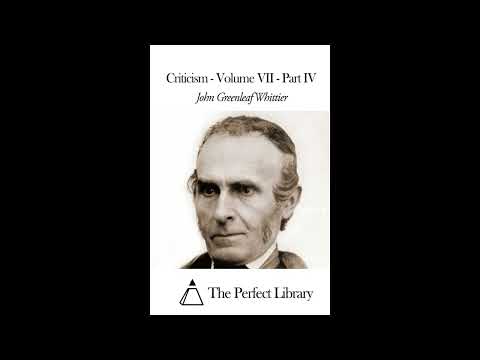
Criticism - Volume VII - Part IV
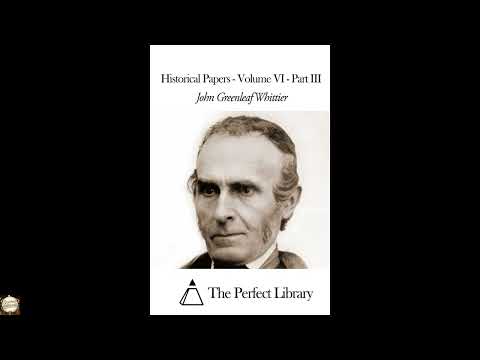
Historical Papers - Volume VI - Part III
Mabel Martin, a Harvest Idyl; and other poems : Part 4 From Volume I of The Works o
Margaret Smith's Journal and Tales and Sketches Complete Volume V of The Works of J
Mountain Pictures, and other poems : Part 2 From Volume II of The Works of John Gre
Occasional Poems. Part 3 from Volume IV of The Works of John Greenleaf Whittier
Old Portraits and Modern Sketches. Part 1 from Volume VI of The Works of John Green
Personal Poems - Volume IV - Part I
Personal Poems II. Part 2 from Volume IV of The Works of John Greenleaf Whittier
Personal Sketches and Tributes. Part 2 from Volume VI of The Works of John Greenlea
Poems in Wartime. Part 4 From Volume III of The Works of John Greenleaf Whittie
Reform and Politics. Part 2 from The Works of John Greenleaf Whittier, Volume VII
Religious Poems, Part 1. : Part 5 From Volume II of The Works of John Greenleaf Whi
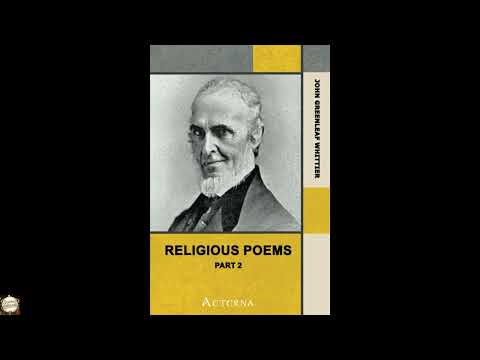
Religious Poems, Part 2.. Part 6 From Volume II of The Works of John Greenleaf Whit
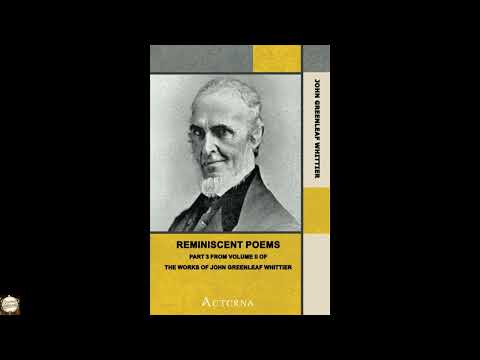
Reminiscent Poems. Part 3 From Volume II of The Works of John Greenleaf Whittier
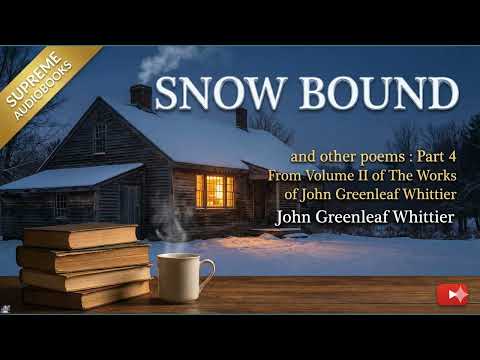
Snow Bound, and other poems : Part 4 From Volume II of The Works of John Greenleaf
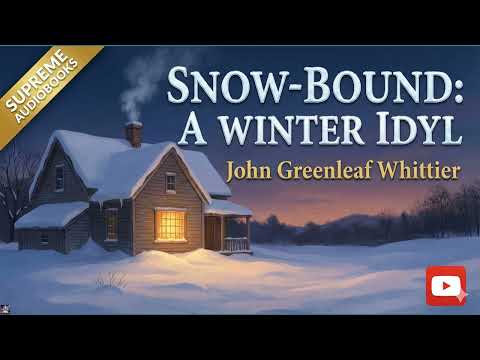
Snow-bound a Winter Idyl