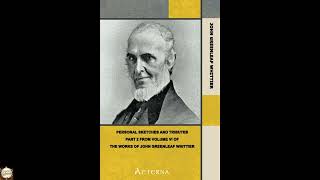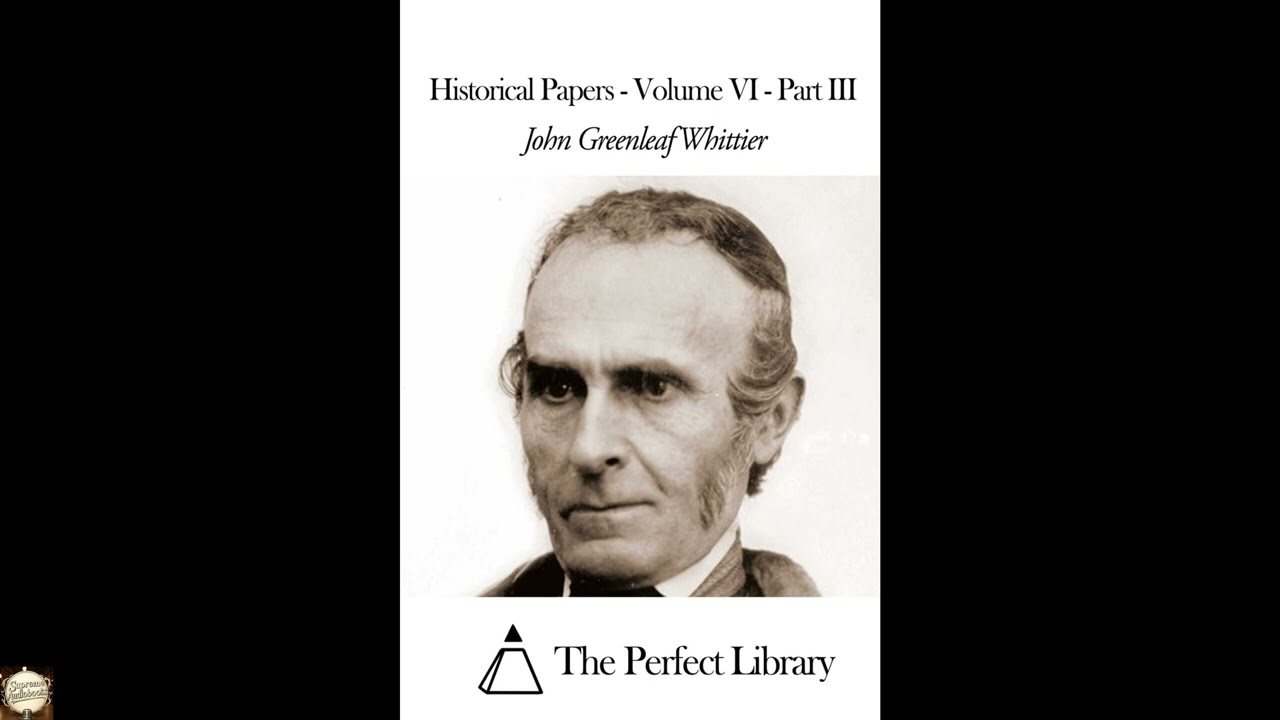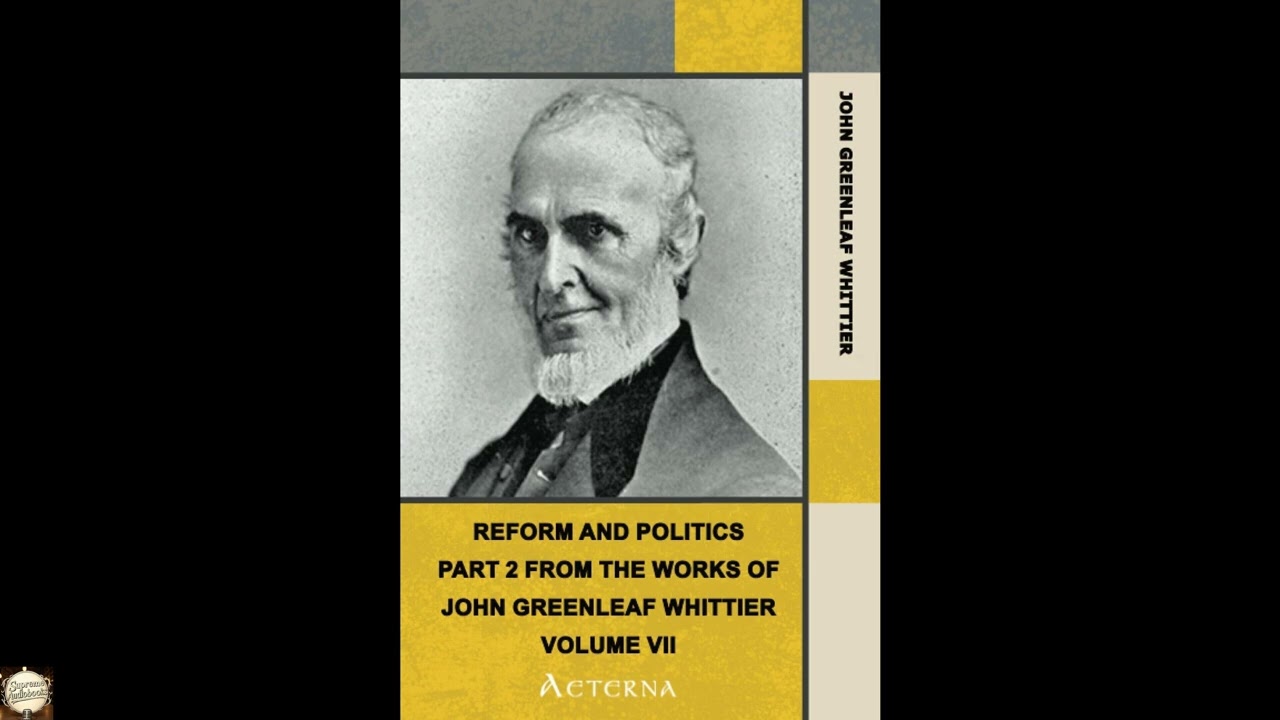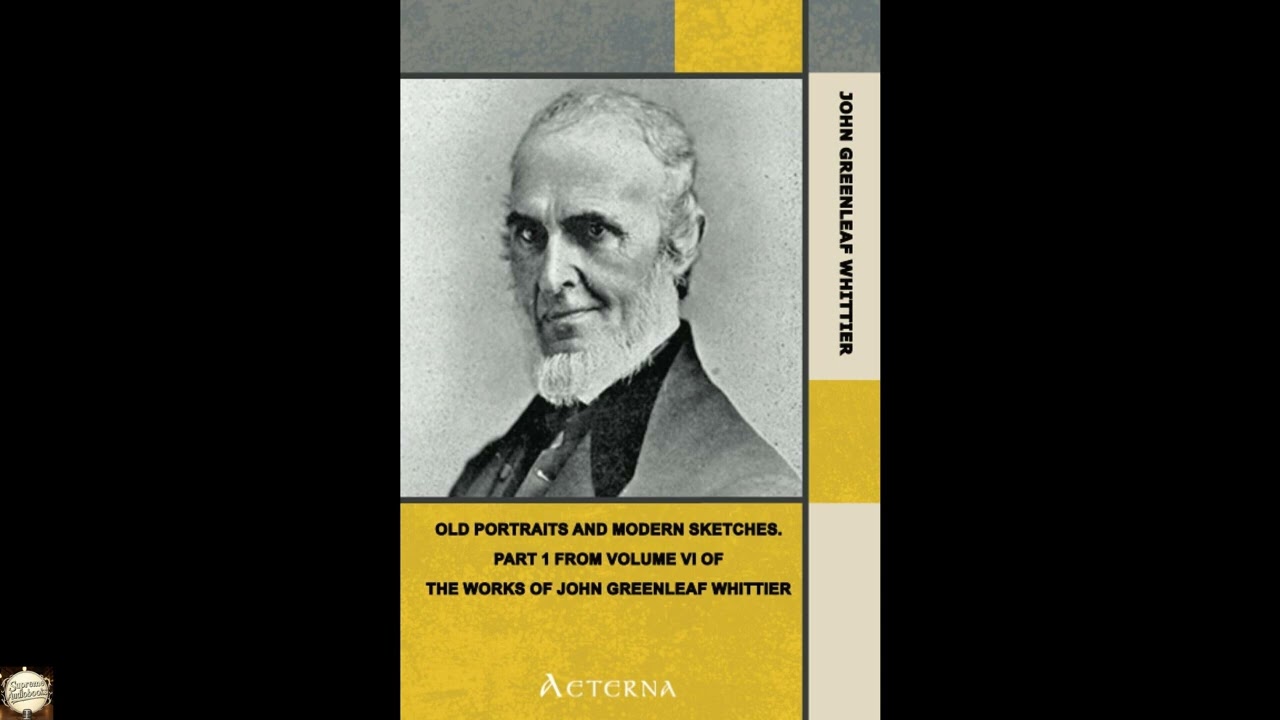
Old Portraits and Modern Sketches. Part 1 from Volume VI of The Works of John Green
Step into a quiet corner of literary history with Old Portraits and Modern Sketches, a collection that invites listeners to reflect on the enduring nature of human character and the shifting sands of time. This particular offering, presented as "Part 1 from Volume VI of The Works of John Green," stands as a testament to an era when thoughtful observation and eloquent prose held sway, drawing connections between historical figures and contemporary societal reflections. Why should voices from a bygone age still resonate today? Because the fundamental questions about identity, ambition, legacy, and the intricate dance between individual will and societal expectation remain as pertinent now as they were centuries ago. This collection offers a window into the minds that grappled with these questions, providing not just historical glimpses but also mirrors for our own modern concerns. Unlike a novel with a singular, driving narrative, Old Portraits and Modern Sketches unfolds as a series of intellectual and emotional encounters. The "setting" is primarily the landscape of memory and the page itself, though each "portrait" transports the listener to a distinct historical period—perhaps the bustling courts of monarchs, the quiet studies of philosophers, or the tumultuous battlefields where destinies were forged. The "main characters" are the diverse array of historical personages brought to life through the author's discerning gaze. These are not merely dry biographical entries; rather, they are vivid studies, rendered with an eye for the quirks of personality, the pivotal moments, and the broader implications of their lives. A listener might find themselves in the presence of a forgotten statesman wrestling with a moral dilemma, a poet lost in contemplation, or a pioneering scientist challenging established thought. The "central conflict" within this collection is not one of external forces clashing, but an internal, intellectual tension. It lies in the ongoing dialogue between the immutable aspects of human nature and the ever-changing context of "modern" life—modern, that is, to the time of the original author. Each sketch serves as an attempt to bridge this divide, to extract universal truths from specific historical instances, or to illustrate how the past continues to inform the present. The "arc" of the story, therefore, is cumulative; it is a gradual accumulation of insights, perspectives, and human examples that collectively build a nuanced understanding of the human condition. The author leads us through these disparate lives, offering not final judgments, but rather meditations designed to provoke thought and encourage a deeper appreciation for the complexities that shape us all. This specific offering, Old Portraits and Modern Sketches. Part 1 from Volume VI of The Works of John Green, presents an interesting facet of literary history where the specific author of a particular section might be uncredited or unknown, despite belonging to a larger named collection. Such anthologies and compiled "Works" were common across several centuries, serving as vehicles to preserve, circulate, and sometimes re-interpret significant writings or historical reflections. Often, these volumes were the result of diligent editorial efforts, drawing from various sources—perhaps anonymous essays from literary journals, rediscovered personal letters, or even pieces initially published under pseudonyms. The practice reflected a broader cultural interest in consolidating knowledge and making diverse literary expressions accessible to a wider reading public. The inclusion of "Old Portraits and Modern Sketches" within a collection titled The Works of John Green suggests that "John Green" likely served as an influential compiler, patron, or perhaps the overall creative force behind the larger set, even if the individual authorship of specific sections like this one became obscured over time or was never explicitly stated. This tradition speaks to an era when collective intellectual efforts, or the desire to present a cohesive body of thought under a respected name, sometimes took precedence over individual authorial attribution for every single piece. It reminds us that literature often arises from a collaborative or cumulative cultural environment, where ideas are shared, adapted, and re-presented to new generations, forming a continuous chain of intellectual inquiry. The primary themes resonating through Old Portraits and Modern Sketches revolve around the nature of biography, the conversation between epochs, and the pursuit of wisdom through observation. One significant theme is the subjectivity of historical interpretation. For instance, the author might introduce a figure widely known for their public triumphs, only to offer a "modern sketch" that posits a different private struggle, perhaps imagining a specific statesman's quiet hours haunted by past decisions, or contrasting a legendary general's battlefield courage with a rumored personal timidity. This challenges the listener to consider how narratives are constructed and how much of what we "know" about history is filtered through the perspectives of its chroniclers. Another vital theme is the continuity of human experience. Despite the passage of centuries, the book often highlights universal emotions and motivations. A specific scene might describe a medieval scholar’s relentless quest for knowledge, echoing a contemporary scientist's dedication, demonstrating that the drive to understand the world remains undimmed by time. Or, a "modern sketch" could show how a historical act of betrayal or loyalty finds a parallel in contemporary social dynamics. This constant interplay between "old portraits" and "modern sketches" underlines the idea that while external circumstances change, the fundamental desires, fears, and aspirations that animate human beings persist across generations, offering a profound sense of shared humanity. Historically, works like Old Portraits and Modern Sketches found their footing during periods marked by burgeoning literacy and a keen interest in both personal history and social commentary. From the eighteenth century onwards, with the rise of the essay as a popular literary form and an increasing fascination with biographical detail, authors and compilers sought to entertain and educate through character studies and reflective pieces. This era witnessed a growing appreciation for the lives of notable figures, not just as historical facts, but as moral examples or psychological case studies. The political upheavals of various centuries—whether the Enlightenment's questioning of authority or the social transformations brought by industrialization—also fostered a desire to understand human nature and societal progress through a comparative lens. Such collections emerged from a cultural hunger for both edification and sophisticated contemplation, often published in serial form or as comprehensive sets designed for the educated reader's personal library. Listening to Old Portraits and Modern Sketches as an audiobook transforms what might be a quiet, solitary reading experience into something more immediate and intimate. The "several hours" run length makes it an ideal companion for reflective moments, whether on a long walk, during a commute, or as a calming presence while engaged in other tasks. An accomplished narrator brings a thoughtful pacing to the varied sections, allowing the listener to truly absorb the nuances of each portrait and sketch. The voice often carries a contemplative, measured tone, which enhances the philosophical depth of the text. Listen for how the narrator distinguishes between the historical accounts and the author’s modern observations, perhaps through subtle shifts in inflection or a slight change in rhythm, thereby enriching the contrast inherent in the title. The evocative atmosphere created by the narration allows these historical figures and abstract reflections to truly come alive in the mind's ear.
Enjoyed Old Portraits and Modern Sketches. Part 1 from Volume VI of The Works of John Green? A few ways to support us
Audible & Amazon links are affiliate; we may earn a small commission at no extra cost.
About this production
Human narration by a volunteer reader from LibriVox.org, the public-domain audiobook project. LibriVox volunteers record literary works whose copyright has expired in the United States, releasing the resulting recordings into the public domain.
Old Portraits and Modern Sketches. Part 1 from Volume VI of The Works of John Green by John Greenleaf Whittier. The underlying text is in the U.S. public domain. We do not republish any modern copyrighted edition, translation, or commentary.
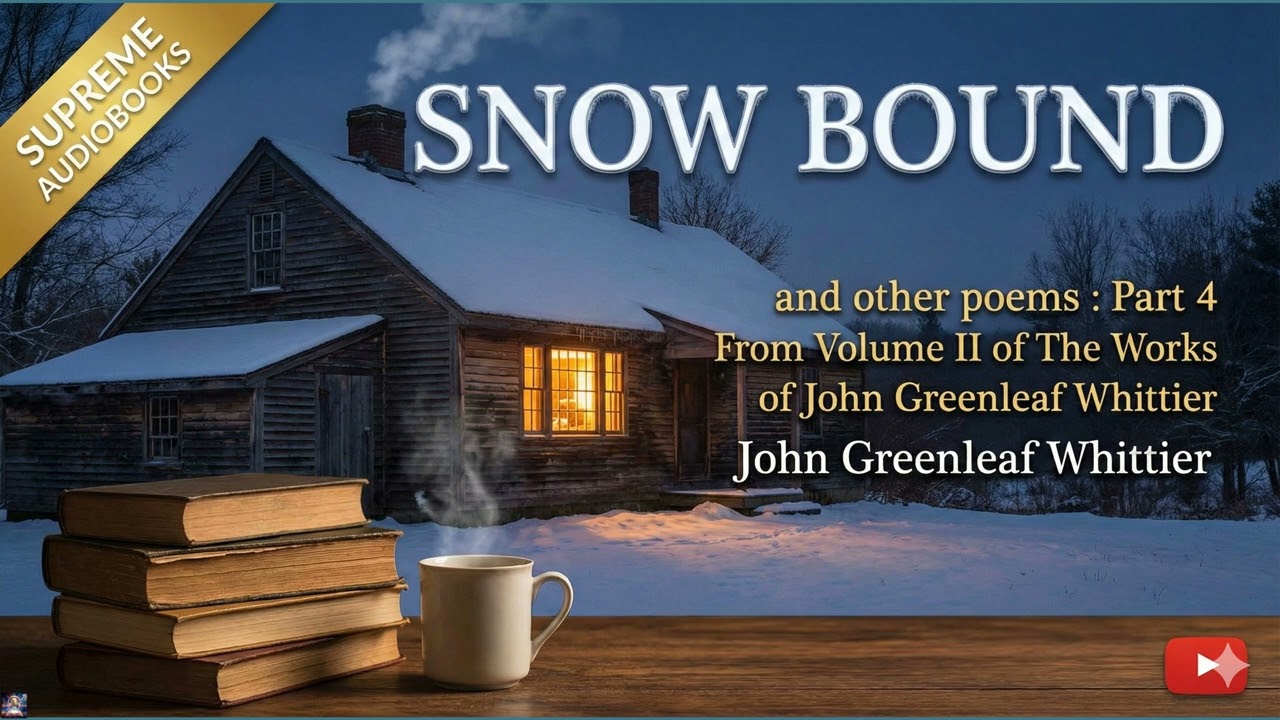
The 4K cinematic visuals accompanying this audiobook are generated by an AI image model from prompts derived from the source text. No copyrighted photos, paintings, or stock footage are used. AI generation is disclosed on every video on our YouTube channel as required by YouTube's altered/synthetic content policy.
English subtitles are transcribed from the LibriVox recording with OpenAI Whisper. Translations into the 11 other supported languages are produced by Meta's NLLB-200 neural translation model. No human translator's copyrighted translation is used.
Questions about sourcing or rights? See our DMCA & Sourcing policy or contact us.
Enjoyed this audiobook?
If you'd like to own a copy of Old Portraits and Modern Sketches. Part 1 from Volume VI of The Works of John Green or hear a professionally produced edition, the links below help support free audiobook production at no extra cost to you.
As an Amazon Associate we earn from qualifying purchases. Audible / print links are affiliate.