Mabel Martin, a Harvest Idyl; and other poems : Part 4 From Volume I of The Works o
Step into a world where whispers held the power of accusations and a community's fear could overshadow compassion, all against the backdrop of a New England harvest season. This collection, anchored by the poignant narrative poem "Mabel Martin, a Harvest Idyl," offers more than just verses; it presents a vivid tableau of human struggle, resilience, and the slow, arduous path toward understanding. Listeners will find themselves transported to an era when social pressures and moral judgments loomed large, yet where the seeds of forgiveness could still take root. This enduring poetic voice speaks to the enduring conflicts within the human heart, making its themes as relevant today as when these lines first stirred the imagination of readers generations ago. The central narrative, "Mabel Martin," unfolds in a colonial New England village, where the rhythms of the land dictate much of life, particularly during the crucial harvest. Here, we meet Mabel, a young woman living on the fringes of her community, marked by an unspoken sadness and a quiet demeanor that makes her an easy target for suspicion. As the autumn air grows crisp and the bounty of the fields is gathered, a darker harvest begins—that of fear and rumor. Mabel is unjustly accused of witchcraft, a charge that, in her time, carried a devastating weight, capable of tearing a life and a community asunder. The story follows Mabel as she faces public scorn and the crushing isolation of ostracization. Her quiet suffering becomes a stark contrast to the fervor of her accusers, who are driven by a potent mix of superstition, religious conviction, and perhaps a touch of petty jealousy. The poem masterfully depicts the palpable tension within the village, where neighbors turn on neighbors, and the individual spirit is pitted against the collective prejudice. However, amid this tide of condemnation, a glimmer of hope appears when a respected figure, moved by a sense of justice and mercy, challenges the mob mentality, daring to speak for Mabel's innocence and for the common decency that should bind them all. This courageous intervention begins to shift the tide of public opinion, suggesting that even deeply ingrained prejudice can be confronted and, perhaps, overcome. The literary world periodically gives rise to works whose power resonates not from the fame of their author, but from the profound truth they speak. This collection, presented as "Part 4 From Volume I of The Works o" from an unknown hand, stands as a testament to the enduring impact of stories that capture a particular time and feeling. Many traditional and classic pieces of literature, especially poetry, were originally passed down through oral tradition or published anonymously, gaining recognition for their intrinsic merit. Such works often embody a collective consciousness, speaking for generations rather than just an individual perspective. This particular offering suggests an anthology that preserves significant verses, possibly from various sources or from a respected writer whose specific attribution for this selection has been lost to time or intentionally omitted. The poems here carry the unmistakable cadence of nineteenth-century American literature, a period known for its moral earnestness and its deep engagement with the nation's historical roots and social conscience, whether from well-known voices or those whose names faded while their words remained. "Mabel Martin, a Harvest Idyl," alongside the other poems included, enacts several potent themes. At its core, the piece illustrates the destructive force of prejudice and the pursuit of social justice. Mabel's wrongful accusation serves as a vivid portrayal of how fear, left unchecked, can lead communities to condemn the innocent, mirroring historical periods like the Salem witch trials. The poem does not merely recount the injustice; it critiques the societal mechanisms that allow such cruelty to flourish. A second prominent theme is the transformative power of forgiveness and redemption. The turning point in Mabel's story, when a voice of reason interjects, highlights how individual acts of courage and compassion can begin to heal deep communal wounds, offering a path for both the accused to find solace and for the community to recognize its error. Beyond the social commentary, the collection also emphasizes the significant role of community dynamics and the pain of ostracization. Mabel's experience lays bare the profound human need for acceptance and belonging, and the devastating impact of being cast out by one's own people. Yet, there is also a subtle undercurrent of resilience, showing how the human spirit can endure profound hardship. Finally, the "Harvest Idyl" element underscores the beauty and often indifferent majesty of the natural world, which serves as a stark contrast to—or perhaps a silent witness of—the human drama unfolding. The changing seasons and the bounty of the land provide a recurring motif, subtly connecting human experience to the larger cycles of nature. The specific concerns and stylistic elements evident in "Mabel Martin" strongly echo the American literary landscape of the nineteenth century, particularly the period following the early colonial era but before the full sweep of industrialization. This was a time when writers frequently revisited early American history, often to draw moral lessons or to reflect on the nation's foundational struggles with faith, community, and individual liberty. The poem resonates with the strong sense of moral instruction and the focus on rural life that characterized much of the era's poetry. Issues of social justice and the dangers of religious extremism were topics of keen interest, especially as the nation grappled with its own identity and the legacy of its past. The form of the idyl itself, a short poem describing a picturesque scene or incident, often with an underlying moral or sentimental tone, was a popular mode for conveying such narratives during this period, offering both beauty and substance. Listening to these poems as an audiobook offers a singular opportunity to connect with their emotional core. The spoken word brings a different dimension to poetry, allowing the listener to absorb the rhythm, meter, and aural textures intended by the original creators. The several hours of content suggest a comprehensive and sustained listening experience, perfect for settling in and allowing the verses to wash over you. A skilled narrator can make the tension of Mabel's accusation palpable, the weight of her sorrow tangible, and the eventual dawning of understanding truly moving. Listen for the careful pacing that builds dramatic effect, the distinct character voices that bring the villagers and central figures to life, and the nuanced atmosphere created through vocal performance that transforms these written words into a living, breathing narrative, drawing you deeper into the world of old New England.
Enjoyed Mabel Martin, a Harvest Idyl; and other poems : Part 4 From Volume I of The Works o? A few ways to support us
Audible & Amazon links are affiliate; we may earn a small commission at no extra cost.
About this production
Human narration by a volunteer reader from LibriVox.org, the public-domain audiobook project. LibriVox volunteers record literary works whose copyright has expired in the United States, releasing the resulting recordings into the public domain.
Mabel Martin, a Harvest Idyl; and other poems : Part 4 From Volume I of The Works o by John Greenleaf Whittier. The underlying text is in the U.S. public domain. We do not republish any modern copyrighted edition, translation, or commentary.
The 4K cinematic visuals accompanying this audiobook are generated by an AI image model from prompts derived from the source text. No copyrighted photos, paintings, or stock footage are used. AI generation is disclosed on every video on our YouTube channel as required by YouTube's altered/synthetic content policy.
English subtitles are transcribed from the LibriVox recording with OpenAI Whisper. Translations into the 11 other supported languages are produced by Meta's NLLB-200 neural translation model. No human translator's copyrighted translation is used.
Questions about sourcing or rights? See our DMCA & Sourcing policy or contact us.
Enjoyed this audiobook?
If you'd like to own a copy of Mabel Martin, a Harvest Idyl; and other poems : Part 4 From Volume I of The Works o or hear a professionally produced edition, the links below help support free audiobook production at no extra cost to you.
As an Amazon Associate we earn from qualifying purchases. Audible / print links are affiliate.
More by John Greenleaf Whittier
Barclay of Ury, and other poems : Part 3 From Volume I of The Works of John Greenlea- Full Audiobook
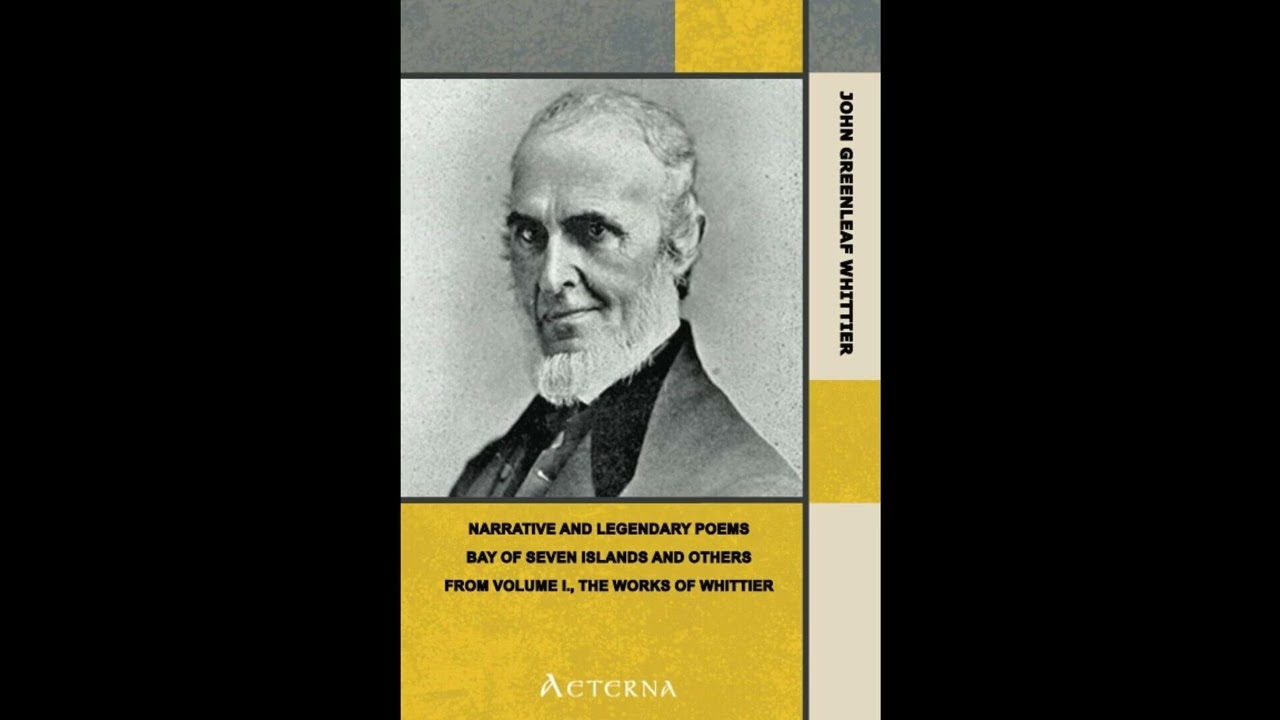
Bay of Seven Islands, and other poems. Part 7 From Volume I of The Works of John Gre- Full Audiobook
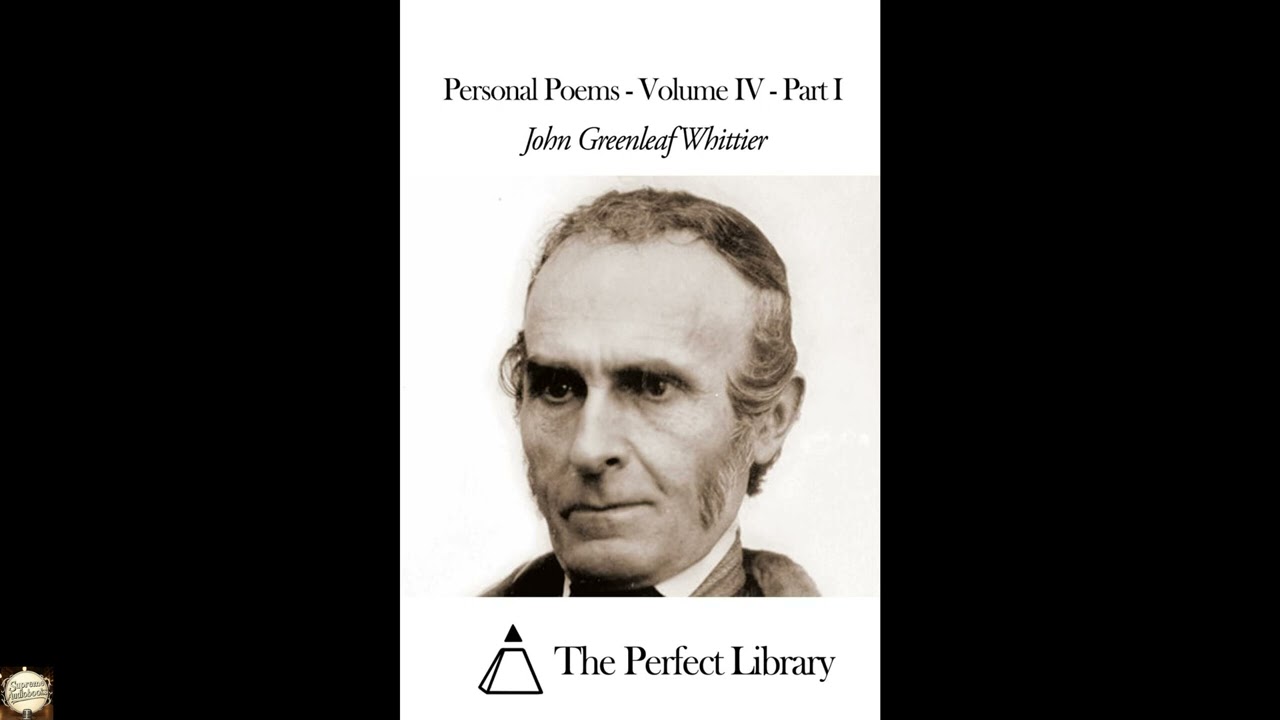
Personal Poems - Volume IV - Part I