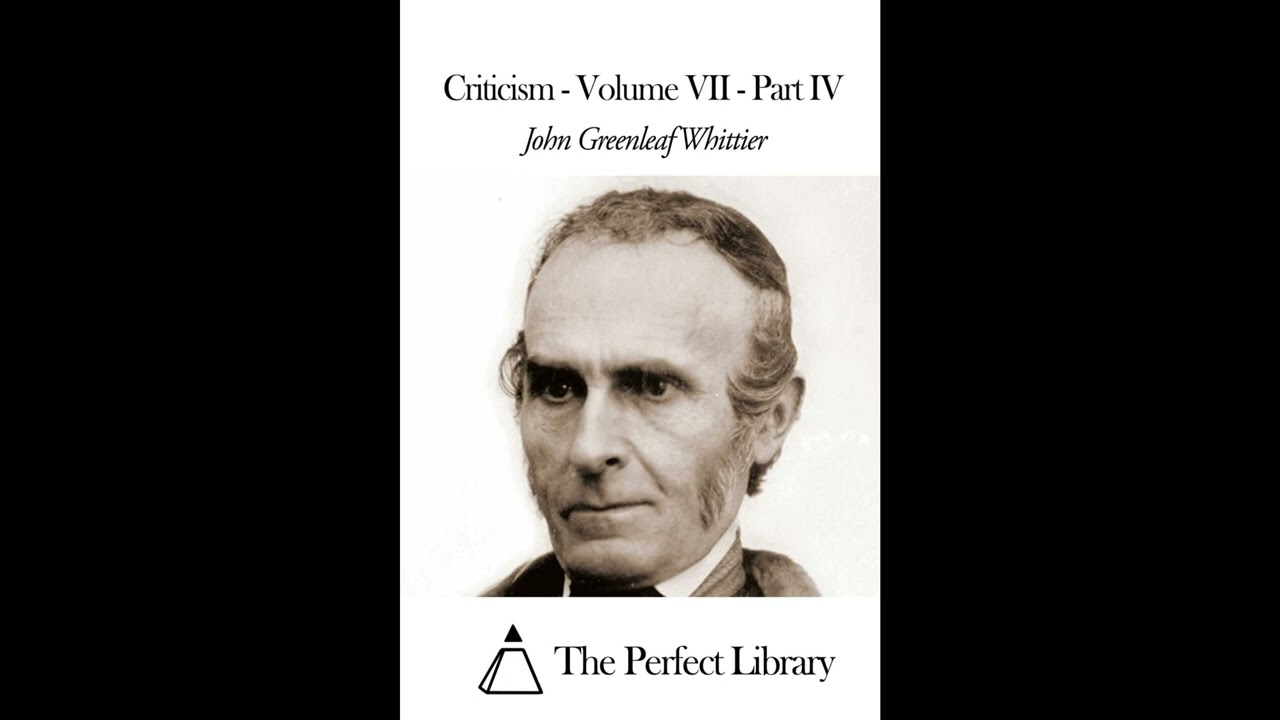
Criticism - Volume VII - Part IV
Step into the astute mind of one of America's most significant literary figures with "Criticism - Volume VII - Part IV," a collection that lays bare the discerning intellect of John Greenleaf Whittier. Far from a dry academic exercise, this volume offers a unique vantage point into the intellectual currents that shaped a nascent American identity, seen through the eyes of a poet, abolitionist, and profound moral voice. Why should a listener care about Whittier's critical observations today? Because they reflect the ongoing struggle to define art's purpose, to reconcile idealism with reality, and to understand the moral obligations inherent in creative expression. It is a work that challenges us to consider not only what literature is, but what it should be, echoing questions that remain relevant in our own complex era. Within these pages, Whittier sets forth a sweeping intellectual panorama, engaging with the literary and social concerns of his time. The "setting" is less a physical location and more the vigorous arena of 19th-century American thought, where ideas battled for supremacy and new artistic forms grappled with established traditions. Here, the main "characters" are the various literary works, cultural movements, and philosophical debates that occupied Whittier's attention, from emerging poetic voices to the heated arguments surrounding social reform. Listeners will find Whittier engaging with the tenets of Romanticism, assessing the moral implications of popular fiction, and offering sharp commentary on the responsibility of the artist in a society undergoing profound change. He casts a critical eye over the evolving landscape of American letters, never shying from a strong opinion rooted in his deeply held convictions. The central conflict animating these critical pieces is the perpetual tension between the aesthetic and the ethical, between art for its own sake and art as a vehicle for truth and justice. Whittier, ever the man of conscience, navigates this divide with integrity and passion. The arc of his arguments often moves from a specific textual analysis to a broader contemplation of its societal impact, or from an examination of a prevailing trend to a historical perspective on its origins and implications. He champions literature that elevates the human spirit and condemns that which trivializes suffering or perpetuates injustice. His critical method involves a robust engagement with the text, but always with an awareness of the world beyond the page – the political realities, the spiritual yearnings, and the moral imperatives that, for Whittier, defined true artistry. The insights contained within offer a rigorous framework for understanding the interplay between art and society, without revealing the specific conclusions of each finely wrought argument. John Greenleaf Whittier, born in 1807 in Haverhill, Massachusetts, was a towering figure in American letters, often grouped among the "Fireside Poets" for his accessibility and moral earnestness. Hailing from a Quaker family, his upbringing instilled in him a deep commitment to social justice and a quiet, profound spirituality that informed every aspect of his life and work. Though largely self-educated, his keen intellect and early talent for poetry quickly became evident. He began his career not just as a poet, but as a journalist and editor, leveraging his words to fight against the greatest moral blight of his age: slavery. He edited influential abolitionist newspapers, including the Pennsylvania Freeman, and was an active participant in the Liberty Party, demonstrating a fearless dedication to the cause even when it put him in physical danger. His literary output was prolific, encompassing hymns, ballads, and some of the most enduring poems of the 19th century. Works like "Snow-Bound: A Winter Idyl" captured the nostalgic beauty of New England rural life, while "Ichabod" offered a searing indictment of Daniel Webster's compromise on slavery, showcasing Whittier's willingness to use his verse as a weapon for moral clarity. He became a voice for the voiceless, a poet of reform, and a chronicler of American experience, earning a secure place in the pantheon of American literature not just for the beauty of his verse but for the unwavering moral compass it revealed. His career spanned decades of dramatic change in the United States, from the antebellum period through the Civil War and into Reconstruction, each era leaving its indelible mark on his thought. Among the specific themes that animate Whittier’s critical observations, the interplay of conscience and literature stands out as paramount. He consistently examines how artistic creations either uphold or undermine moral rectitude, arguing that true beauty in art is inseparable from its ethical implications. For instance, he might scrutinize a popular novel not just for its plot or character development, but for the underlying values it promotes or the societal ills it overlooks, praising authors who bravely confronted injustice and questioning those who merely entertained without substance. Another significant thread is the search for a distinctly American literary voice. Whittier often reflects on what separates American writing from its European counterparts, contemplating the role of regionalism, the use of indigenous language patterns, and the unique historical experiences that shape American narratives, pushing for an authentic expression that mirrored the nation's burgeoning identity. He also wrestles with the enduring tension between tradition and innovation in literary forms. While deeply respectful of classical structures and moral precedents, Whittier was also keenly aware of the need for art to evolve and respond to contemporary realities. He might discuss new poetic meters, for example, weighing their effectiveness against established forms, or analyze how historical events were being reinterpreted through modern literary lenses, seeking a balance between reverence for the past and a forward-looking creative spirit. Finally, Whittier’s Quaker background often infuses his critiques with a sense of nature and spirit. Even in his literary assessments, he might draw parallels between the sublime order of the natural world and the harmony sought in artistic endeavor, or assess how well a work reflects deeper spiritual truths, viewing literature as a potential conduit for profound understanding and human connection. The period spanning John Greenleaf Whittier’s active years was one of immense upheaval and transformation in America. Culturally, the nation was finding its own artistic footing, moving away from a reliance on European models to cultivate a unique American voice. Politically, the question of slavery dominated national discourse, leading to an ever-escalating tension that culminated in the Civil War. Whittier’s abolitionist stance was not just a personal conviction but a central force in his public life and artistic output, making his critical perspective deeply engaged with the pressing social issues of his day. In the literary world, Romanticism was at its height, emphasizing emotion, individualism, and the glorification of nature, while Transcendentalism offered a distinct philosophical and literary movement emphasizing spiritual intuition and self-reliance. Whittier's critical writings emerged from this crucible of fervent belief, national crisis, and artistic experimentation. They offer not merely an opinion, but a testament to how one of the era's most principled minds sought to make sense of a world in flux, and how he believed literature could, and should, contribute to its betterment. Listening to "Criticism - Volume VII - Part IV" as an audiobook offers a singular experience, transforming what might otherwise be a dense collection of essays into a compelling spoken discourse. The run length, several hours long, provides ample opportunity to immerse oneself in Whittier's intellectual world over a series of focused sessions, allowing his meticulous arguments to truly sink in. Listen for a narration style that embodies the thoughtful, measured gravitas of Whittier himself—a voice that conveys both intellectual authority and an underlying moral passion. The pacing will likely be deliberate, giving each carefully constructed sentence and nuanced observation the space it requires. Pay attention to how the narrator articulates Whittier's engagement with different literary voices, perhaps subtly shifting tone to reflect the spirit of the works he critiques, bringing the historical debates and the personality of the critic vividly to life. It is an opportunity to hear the very essence of a great American mind grappling with the eternal questions of art, society, and conscience.
Enjoyed Criticism - Volume VII - Part IV? A few ways to support us
Audible & Amazon links are affiliate; we may earn a small commission at no extra cost.
About this production
Human narration by a volunteer reader from LibriVox.org, the public-domain audiobook project. LibriVox volunteers record literary works whose copyright has expired in the United States, releasing the resulting recordings into the public domain.
Criticism - Volume VII - Part IV by John Greenleaf Whittier. The underlying text is in the U.S. public domain. We do not republish any modern copyrighted edition, translation, or commentary.
The 4K cinematic visuals accompanying this audiobook are generated by an AI image model from prompts derived from the source text. No copyrighted photos, paintings, or stock footage are used. AI generation is disclosed on every video on our YouTube channel as required by YouTube's altered/synthetic content policy.
English subtitles are transcribed from the LibriVox recording with OpenAI Whisper. Translations into the 11 other supported languages are produced by Meta's NLLB-200 neural translation model. No human translator's copyrighted translation is used.
Questions about sourcing or rights? See our DMCA & Sourcing policy or contact us.
Enjoyed this audiobook?
If you'd like to own a copy of Criticism - Volume VII - Part IV or hear a professionally produced edition, the links below help support free audiobook production at no extra cost to you.
As an Amazon Associate we earn from qualifying purchases. Audible / print links are affiliate.
More by John Greenleaf Whittier
Anti-Slavery Poems 2.. Part 2 From Volume III of The Works of John Greenleaf Whittie- Full Audiobook
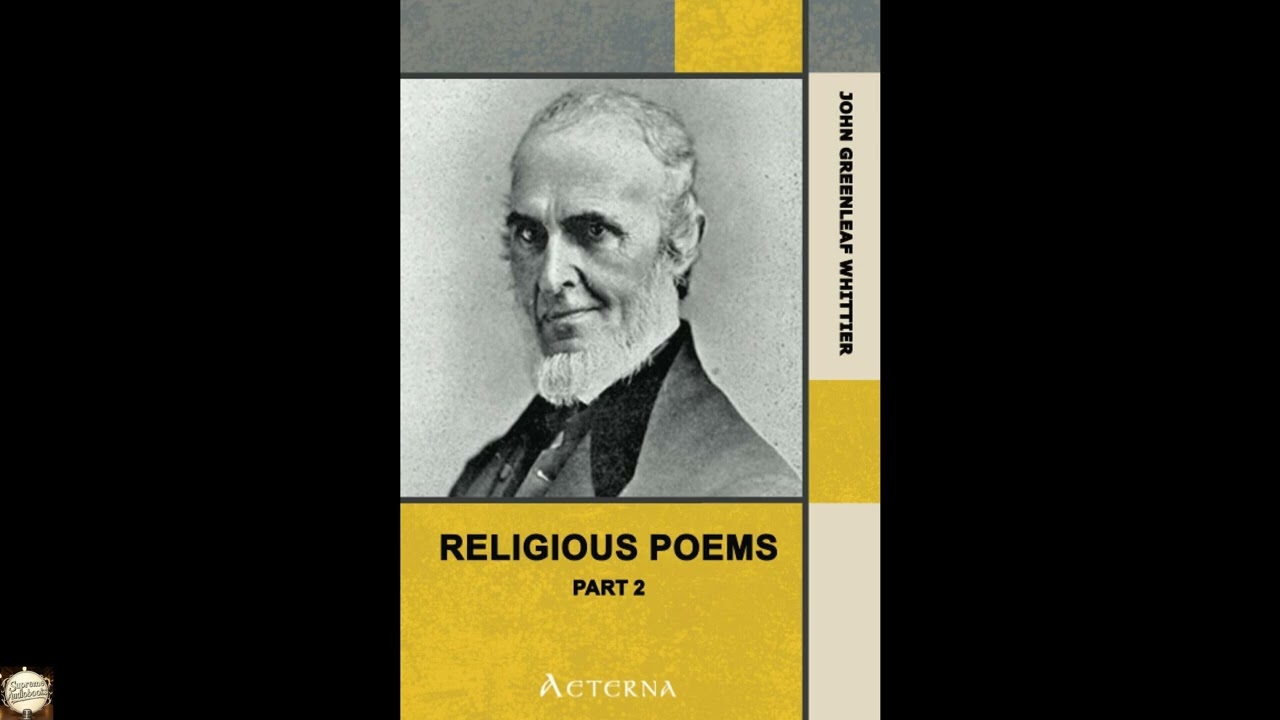
Religious Poems, Part 2.. Part 6 From Volume II of The Works of John Greenleaf Whit
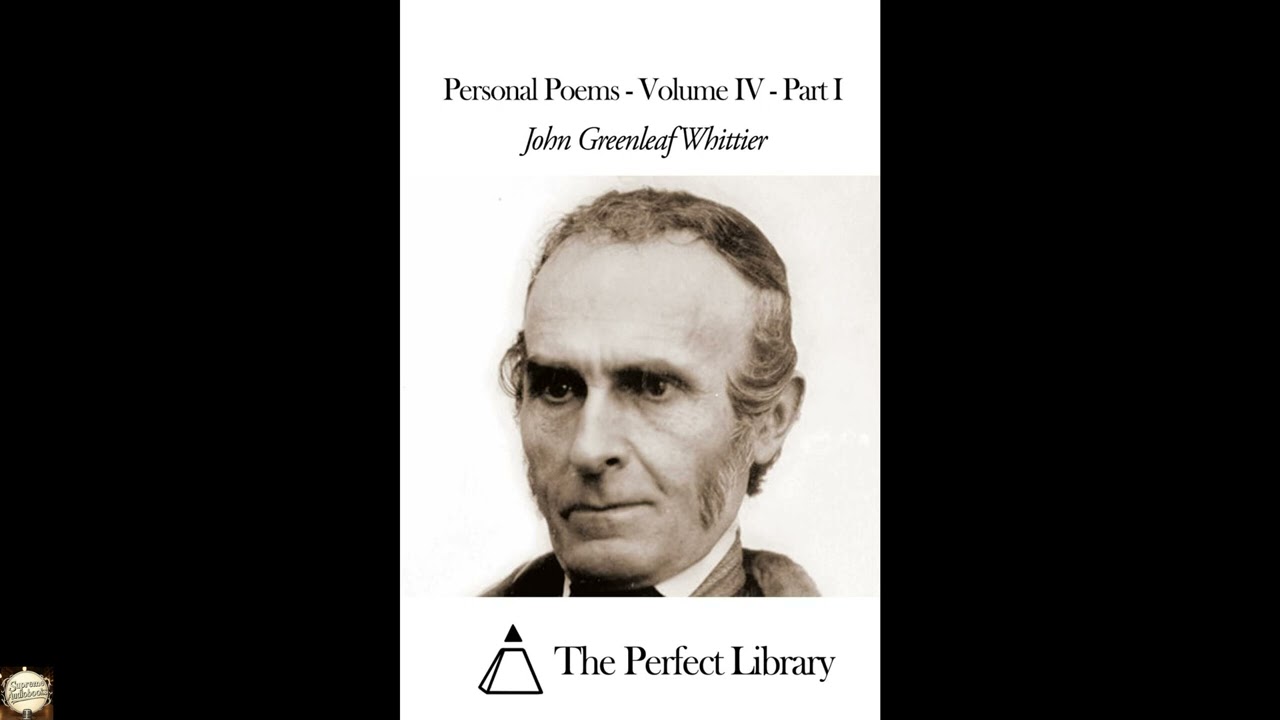
Personal Poems - Volume IV - Part I