Hospital Sketches
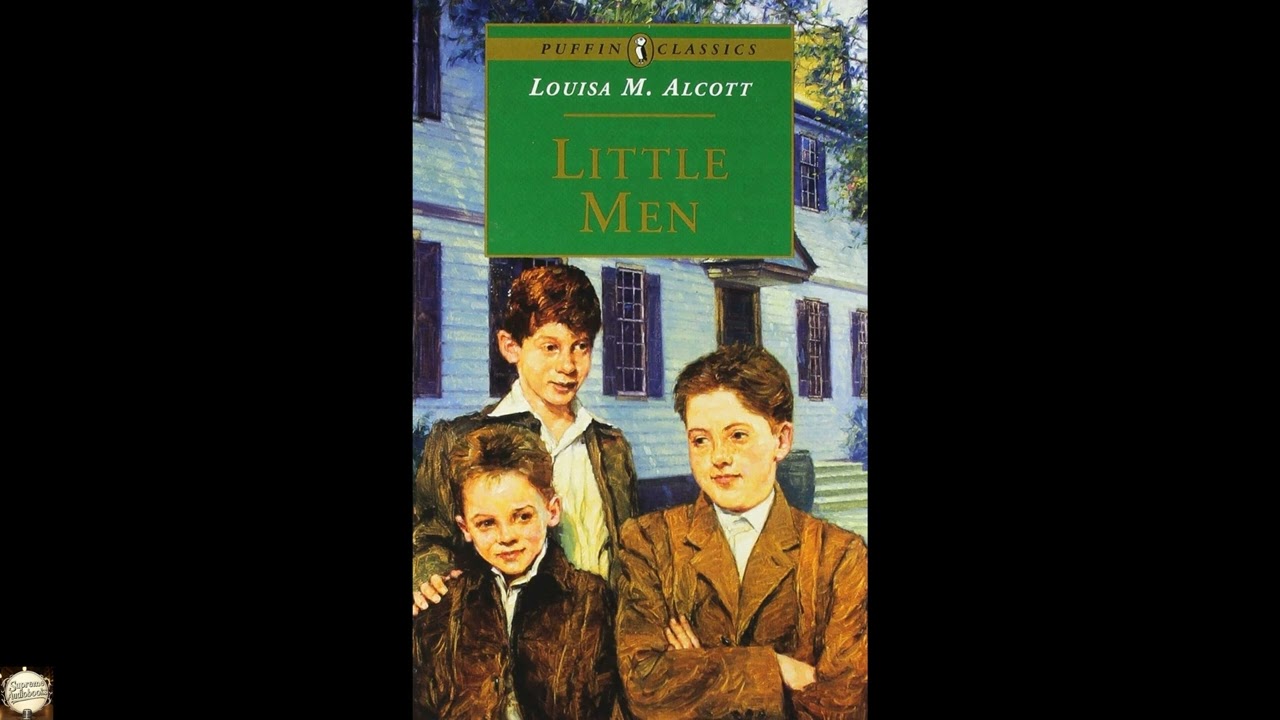
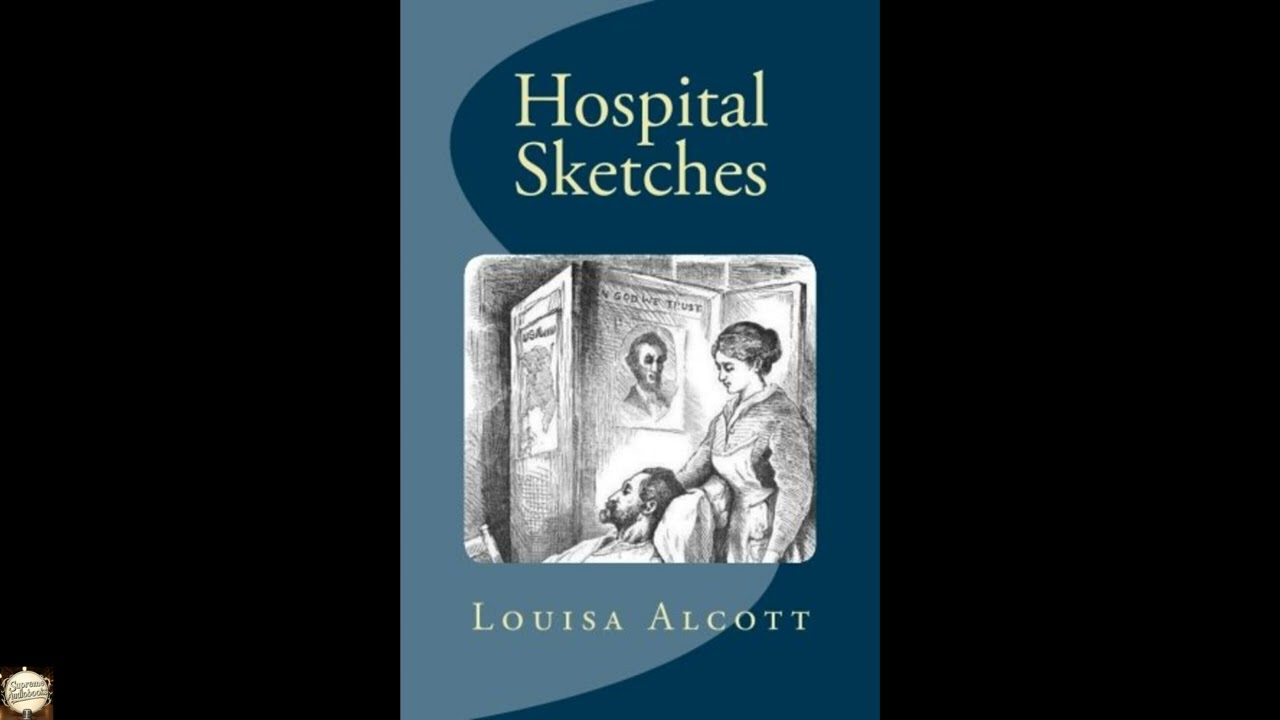
Hospital Sketches by Louisa May Alcott stands as a poignant and unexpectedly humorous window into a critical period of American history. Before she became the beloved author of Little Women, Alcott served as a volunteer nurse during the American Civil War, an experience that profoundly shaped her and provided the raw material for this remarkable collection of essays. Far from the sentimental stories often associated with her name, this work offers a stark, unflinching, yet deeply compassionate look at the suffering, resilience, and occasional absurdity found within the makeshift hospitals of Washington D.C. It’s a vital account that challenges romanticized notions of war, reminding us of the human cost and the tireless dedication of those who cared for the wounded—a testament to courage and empathy that resonates powerfully even today. The narrative unfolds through the eyes of Miss Tribulation Periwinkle, a thinly veiled pseudonym for Alcott herself, who arrives in Washington D.C. in late 1862, eager to contribute to the Union cause. Her destination is the Union Hotel Hospital, a former hotel rapidly converted to accommodate the flood of injured soldiers. From her very first steps into the bustling, often chaotic environment, Trib is confronted with the harsh realities of wartime medical care. The air is thick with the scent of disinfectants, illness, and the unspoken presence of death. Her initial experiences are a trial by fire, as she grapples with the sheer scale of suffering, learning on the job how to change dressings, administer medicines, and provide comfort to men scarred by battle. Tribulation’s days are a relentless cycle of duty, marked by encounters with soldiers from all walks of life—Yankees, Irishmen, Germans—each with his own story of courage or despair. She ministers to those with horrifying wounds, witnesses amputations, and sits vigil by dying men, offering what solace she can. Amidst the grim daily tasks, Tribulation also brings her unique blend of wit, resourcefulness, and deep compassion. She describes the quirky routines of the hospital, the often-overwhelmed doctors, the camaraderie among the nurses, and the surprising moments of levity that pierce through the pervasive sorrow. Her observations extend beyond the physical care, touching upon the psychological toll of war, the quiet heroism of the common soldier, and the complex human interactions that define life in such an extraordinary setting. Louisa May Alcott, born in Germantown, Pennsylvania, in 1832, lived a life deeply influenced by the intellectual ferment of New England Transcendentalism. Her father, Amos Bronson Alcott, was an educator and philosopher, and the family’s circle of friends included such luminaries as Ralph Waldo Emerson, Henry David Thoreau, and Nathaniel Hawthorne. Despite financial hardship, Louisa's home was intellectually stimulating, instilling in her a fierce independence and a strong work ethic that led her to write from an early age to help support her family. The Civil War marked a pivotal turn in Alcott’s life and career. Driven by patriotism and a need for income, she volunteered as a nurse at the Union Hotel Hospital in Washington D.C. for six weeks in 1862–63. This intense experience, cut short by her own illness with typhoid fever, provided the immediate inspiration for Hospital Sketches. The success of these initial essays, first serialized in the abolitionist journal Commonwealth and then published as a book in 1863, brought her critical recognition and proved her ability to write engaging, realistic prose. While she later achieved international fame with Little Women in 1868, a semi-autobiographical novel, Hospital Sketches was her first significant foray into the public eye, revealing a talent for observation and social commentary. She continued to write prolifically throughout her life, producing sequels like Little Men and Jo's Boys, as well as "sensational" thrillers. She passed away in Boston in 1888. One of the most powerful themes running through Hospital Sketches is the grim reality of war. Alcott pulls back the curtain on the romantic illusions often associated with conflict, presenting the stark truth of suffering. We see this acutely in her descriptions of the "mangled" and "half-starved" soldiers arriving from battlefields like Fredericksburg, their bodies ravaged by bullets and disease. She recounts scenes of men enduring painful procedures, their limbs "stitched and bandaged" with grim determination, forcing the reader to confront the physical and emotional cost of warfare rather than glorious victory. Another central theme is the vital and evolving role of women in wartime. Tribulation Periwinkle, like many women of her era, steps into a traditionally male domain, asserting her competence and compassion in the face of immense challenges. Alcott shows how women like Trib, despite initial inexperience and societal expectations, proved indispensable to the war effort, providing not just medical care but also emotional support and a touch of domestic comfort. We see her patiently listening to a dying soldier's last wishes or using humor to lighten the mood, demonstrating an invaluable human connection often overlooked in the broader historical narrative of battles and generals. The book also subtly comments on the nascent ideas of professional nursing and women's expanding societal roles. Hospital Sketches emerged directly from the crucible of the American Civil War, a period of unprecedented national upheaval between 1861 and 1865. The conflict, fought over the abolition of slavery and the preservation of the Union, produced staggering casualties, overwhelming existing medical infrastructure. This created an urgent need for volunteer nurses, a role that thousands of women, like Louisa May Alcott, stepped forward to fill. Prior to the war, nursing was not a respected profession, often seen as menial labor. The sheer scale of the war, however, propelled women into these crucial positions, challenging traditional gender roles and laying groundwork for the professionalization of nursing later in the century. The mid-nineteenth century was also a dynamic time for American literature. While Romanticism still held sway, a movement towards Realism was beginning to take root, especially in response to the raw experiences of the war. Personal narratives, diaries, and letters from soldiers and civilians alike offered glimpses into the unvarnished truth of the conflict. Alcott's sketches, initially published in a newspaper, fit perfectly into this evolving landscape, offering a first-hand account that was both immediate and authentic. Her plainspoken, often humorous style provided a counterpoint to more heroic or sentimental depictions of the war, appealing to a public hungry for true stories from the front lines—or, in this case, the hospital wards that were inextricably linked to them. Hearing Hospital Sketches as an audiobook offers a singular opportunity to immerse oneself in Alcott’s immediate, unvarnished prose. The narration brings Tribulation Periwinkle’s distinctive voice to life, capturing her blend of sharp observation, genuine pathos, and unexpected wit. Listeners can fully appreciate the rhythm of Alcott's writing, the swift shifts from harrowing descriptions of suffering to lighter, humorous anecdotes. The spoken word enhances the sense of being present in those bustling, often grim wards, making the interactions between nurse and soldier feel more intimate and immediate. The length of several hours makes it an ideal companion for a long walk, a commute, or an afternoon spent with a cup of tea, allowing the listener to absorb this vital piece of American history and literature at a thoughtful pace. It is a chance to connect directly with the raw human experience of the Civil War through the eyes and voice of one of America's most enduring literary figures.
Enjoyed Hospital Sketches? A few ways to support us
Audible & Amazon links are affiliate; we may earn a small commission at no extra cost.
About this production
Human narration by a volunteer reader from LibriVox.org, the public-domain audiobook project. LibriVox volunteers record literary works whose copyright has expired in the United States, releasing the resulting recordings into the public domain.
Hospital Sketches by Louisa May Alcott. The underlying text is in the U.S. public domain. We do not republish any modern copyrighted edition, translation, or commentary.
The 4K cinematic visuals accompanying this audiobook are generated by an AI image model from prompts derived from the source text. No copyrighted photos, paintings, or stock footage are used. AI generation is disclosed on every video on our YouTube channel as required by YouTube's altered/synthetic content policy.
English subtitles are transcribed from the LibriVox recording with OpenAI Whisper. Translations into the 11 other supported languages are produced by Meta's NLLB-200 neural translation model. No human translator's copyrighted translation is used.
Questions about sourcing or rights? See our DMCA & Sourcing policy or contact us.
Enjoyed this audiobook?
If you'd like to own a copy of Hospital Sketches or hear a professionally produced edition, the links below help support free audiobook production at no extra cost to you.
As an Amazon Associate we earn from qualifying purchases. Audible / print links are affiliate.