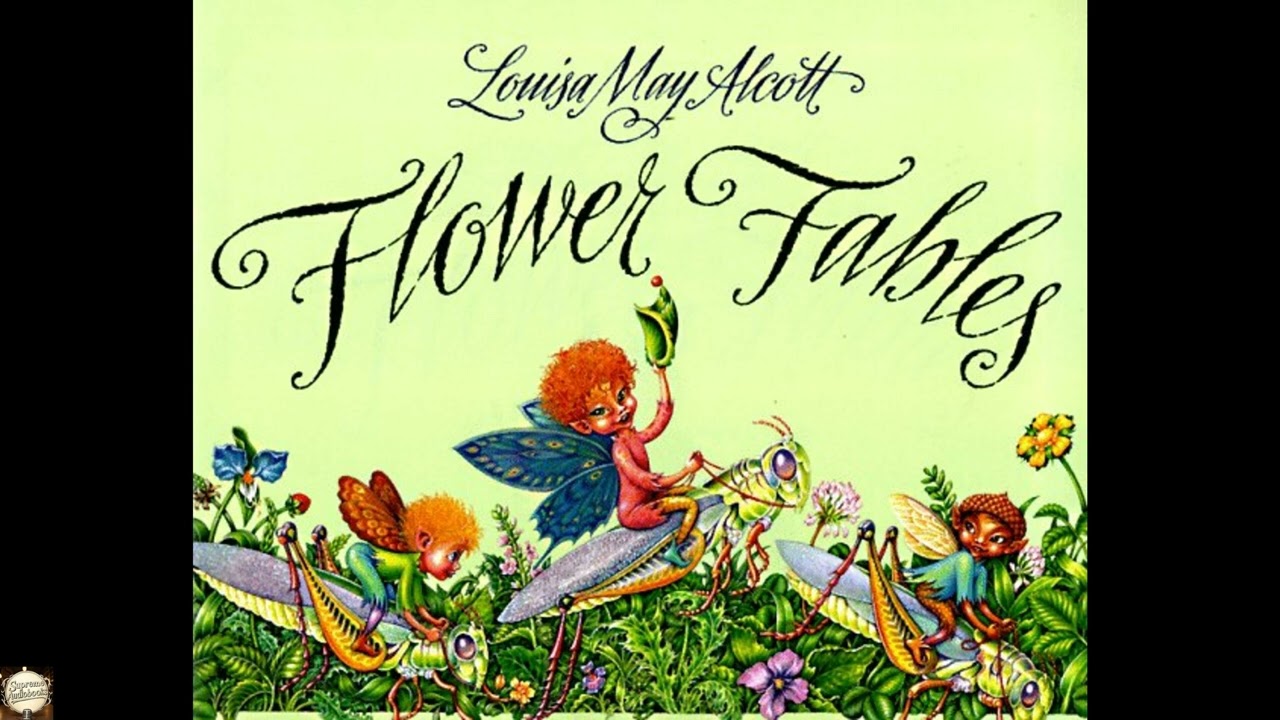
Flower Fables
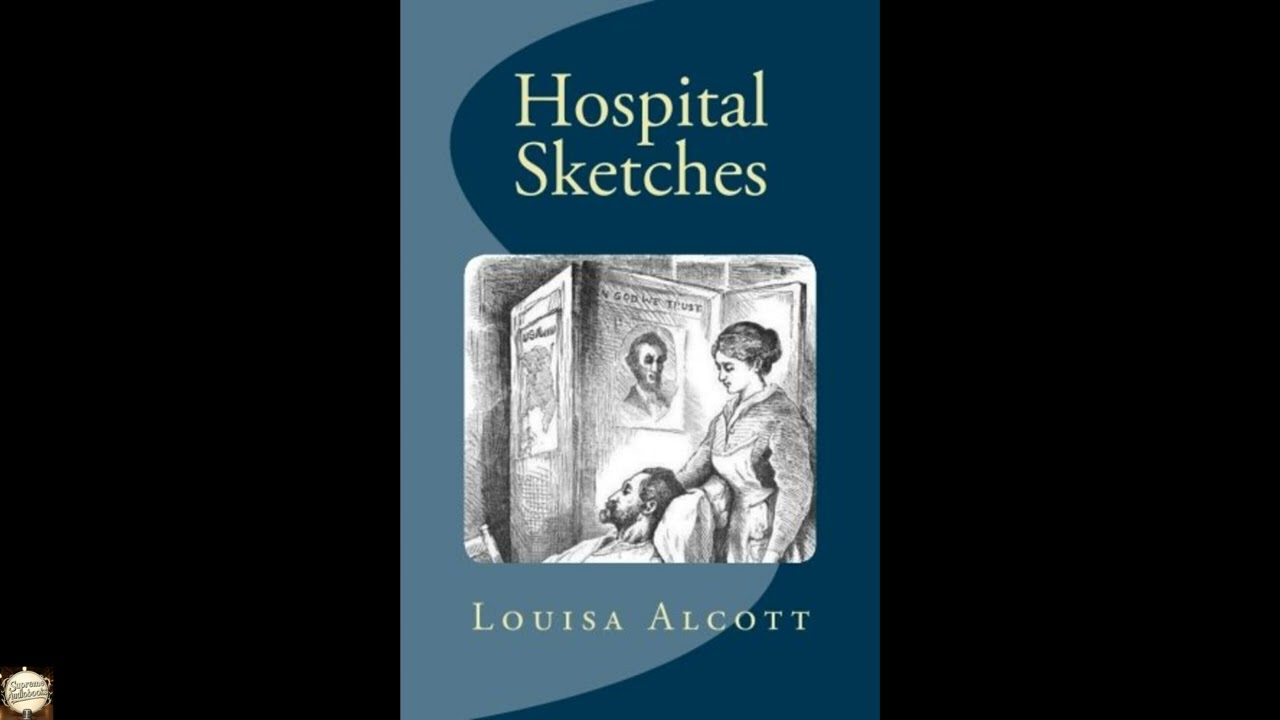
Before she brought the world the spirited Jo March, the gentle Beth, the practical Meg, and the delicate Amy, Louisa May Alcott penned a collection of whimsical stories that hint at the literary magic to come. Flower Fables, her very first published book, presents a delightful array of allegories where the natural world breathes with life and wisdom. Originally crafted as a gift for Ralph Waldo Emerson's daughter, Ellen, these enchanting tales invite listeners into a realm where flowers converse, sprites dance, and the hidden lessons of nature unfold. It is a work that offers not only charming entertainment but also a rare glimpse into the formative years of a literary giant, revealing the budding imagination and moral compass that would later define her most beloved novels. For anyone who cherishes the classics or seeks a gentle respite from modern complexities, these fables offer both historical insight and enduring charm. The world of Flower Fables is one of ethereal beauty and quiet contemplation, often set in lush gardens, misty glades, and sun-dappled woodlands where the natural elements possess sentience and character. Listeners will encounter a host of personified flowers, each embodying distinct virtues or flaws: the proud Rose, the humble Violet, the radiant Lily, the cheerful Daisy, and many others who live out small dramas of growth and understanding. Alongside them are mischievous sprites, hardworking gnomes, and benevolent nature spirits, all interwoven into a delicate ecosystem where actions have consequences and kindness is rewarded. Each fable typically centers on a particular flower or mythical creature facing a challenge, often stemming from vanity, idleness, or a misunderstanding of their place in the world. For example, a conceited flower might disdain its less showy companions, only to learn the value of humility through a changing season or an encounter with a wiser being. Another story might feature a tiny sprite who struggles with a sense of inadequacy, eventually discovering its unique strength through an act of compassion. The narrative arc for these short pieces consistently guides characters from a state of ignorance or self-absorption towards enlightenment and moral clarity. While each story stands alone as a self-contained lesson, together they create a cohesive world where the subtle rhythms of nature mirror the essential truths of human experience, all presented with Alcott's characteristic warmth and gentle instruction. Louisa May Alcott, born in Germantown, Pennsylvania, in 1832, grew up in the intellectual heart of the Transcendentalist movement in Concord, Massachusetts. The daughter of the prominent Transcendentalist philosopher Bronson Alcott and his progressive wife Abigail May, Louisa’s childhood was shaped by poverty, idealism, and close proximity to luminaries like Ralph Waldo Emerson, Henry David Thoreau, and Nathaniel Hawthorne. This unconventional upbringing instilled in her a strong sense of social justice, self-reliance, and an appreciation for the natural world. From a young age, Alcott felt the pull of writing, often using it as an outlet for her vivid imagination and a means to help support her family financially. Her early life was marked by various endeavors to make ends meet, including working as a teacher, seamstress, and domestic servant. During the Civil War, she served as a nurse in Washington D.C., an experience that profoundly affected her and later informed her semi-autobiographical Hospital Sketches. While Flower Fables marked her official debut, it was her ground-breaking novel Little Women, published in 1868, that brought her international fame and secured her place as one of America’s most beloved authors. She continued to write prolifically, producing sequels like Little Men and Jo’s Boys, as well as other novels such as An Old-Fashioned Girl and the more mature Work: A Story of Experience. Alcott passed away in Boston, Massachusetts, in 1888, leaving behind a literary legacy that continues to inspire generations of readers with its honest portrayal of family life, female independence, and moral fortitude. Within Flower Fables, several enduring themes come to light, reflecting both Alcott's nascent moral voice and the influence of her Transcendentalist environment. A prominent theme is nature as a moral guide. Each flower, insect, or spirit acts as a metaphor for human attributes, often showcasing the consequences of pride or the rewards of humility. For instance, in "The Frost King and Queen," the delicate, fleeting beauty of flowers reminds listeners of the importance of living virtuously during their brief span, contrasting with the cold, eternal power of the Frost King who punishes those lacking goodness. The narrative consistently links the health and beauty of the natural world to the inner state of its inhabitants, suggesting that moral failings can literally dim the vibrancy of a meadow. Another central idea is the growth from innocence to wisdom. Many stories depict young, sometimes naive characters making mistakes and learning from them. In "Lily-Bell and Thistle-down," a little sprite is tempted by mischief and vanity but ultimately chooses kindness and learns the true meaning of beauty through a humbling experience. This theme resonates with the common Alcott motif of character development and the gradual acquisition of self-knowledge. Furthermore, the fables subtly champion benevolence and community, as characters frequently find redemption or happiness through acts of generosity and cooperation. The interconnectedness of the garden or forest often serves to illustrate how each small creature, regardless of its size or apparent significance, contributes to the overall well-being and beauty of the whole, urging listeners toward a spirit of mutual support. When Flower Fables was published in 1854, the United States was a nation on the precipice of profound change. The antebellum period was characterized by escalating tensions over slavery, rapid industrialization, and significant social reform movements. Culturally, the Transcendentalist movement, with its emphasis on intuition, self-reliance, and the inherent goodness of nature, was at its height, particularly in New England. Alcott's upbringing placed her directly in this intellectual ferment, and her early writing certainly reflects its philosophical underpinnings. The era also saw a growing interest in children's literature, though much of it was overtly didactic. Flower Fables emerged at a time when authors were beginning to craft stories for young readers that combined entertainment with moral instruction, rather than simply presenting dry lessons. It represents an early example of how a writer steeped in the Romantic reverence for nature could blend traditional fable forms with a uniquely American sensibility, hinting at the powerful, compassionate voice that would soon reshape the landscape of children's literature. Listening to Flower Fables as an audiobook offers a unique opportunity to return to the simple pleasure of storytelling. The collection's run length, spanning several hours, makes it an ideal choice for quiet afternoons, evening reflection, or as a calming companion during daily tasks. A skilled narrator will bring Alcott's lyrical prose to life, allowing the gentle pacing of each fable to transport listeners into its imaginative world. Pay attention to how the voice differentiates between the various flower personalities and nature spirits, lending a distinct presence to each character through subtle shifts in tone and inflection. The conversational quality of Alcott's writing, even in these early works, shines particularly well when heard aloud, making the moral lessons feel like kind advice from a thoughtful friend. The spoken word truly enhances the dreamlike atmosphere of these stories, inviting a deeper connection to Alcott's foundational vision of a world where nature speaks wisdom to those who listen.
Enjoyed Flower Fables? A few ways to support us
Audible & Amazon links are affiliate; we may earn a small commission at no extra cost.
About this production
Human narration by a volunteer reader from LibriVox.org, the public-domain audiobook project. LibriVox volunteers record literary works whose copyright has expired in the United States, releasing the resulting recordings into the public domain.
Flower Fables by Louisa May Alcott. The underlying text is in the U.S. public domain. We do not republish any modern copyrighted edition, translation, or commentary.
The 4K cinematic visuals accompanying this audiobook are generated by an AI image model from prompts derived from the source text. No copyrighted photos, paintings, or stock footage are used. AI generation is disclosed on every video on our YouTube channel as required by YouTube's altered/synthetic content policy.
English subtitles are transcribed from the LibriVox recording with OpenAI Whisper. Translations into the 11 other supported languages are produced by Meta's NLLB-200 neural translation model. No human translator's copyrighted translation is used.
Questions about sourcing or rights? See our DMCA & Sourcing policy or contact us.
Enjoyed this audiobook?
If you'd like to own a copy of Flower Fables or hear a professionally produced edition, the links below help support free audiobook production at no extra cost to you.
As an Amazon Associate we earn from qualifying purchases. Audible / print links are affiliate.