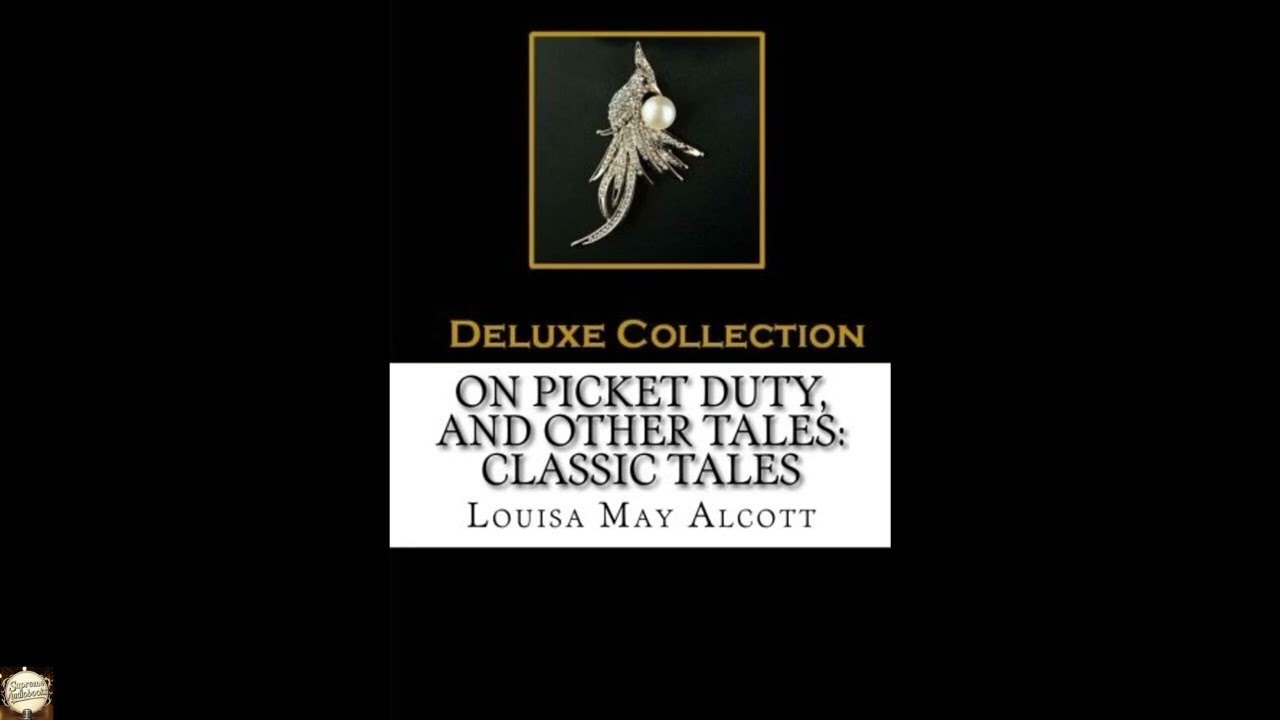
On Picket Duty, and Other Tales: Classic Tales
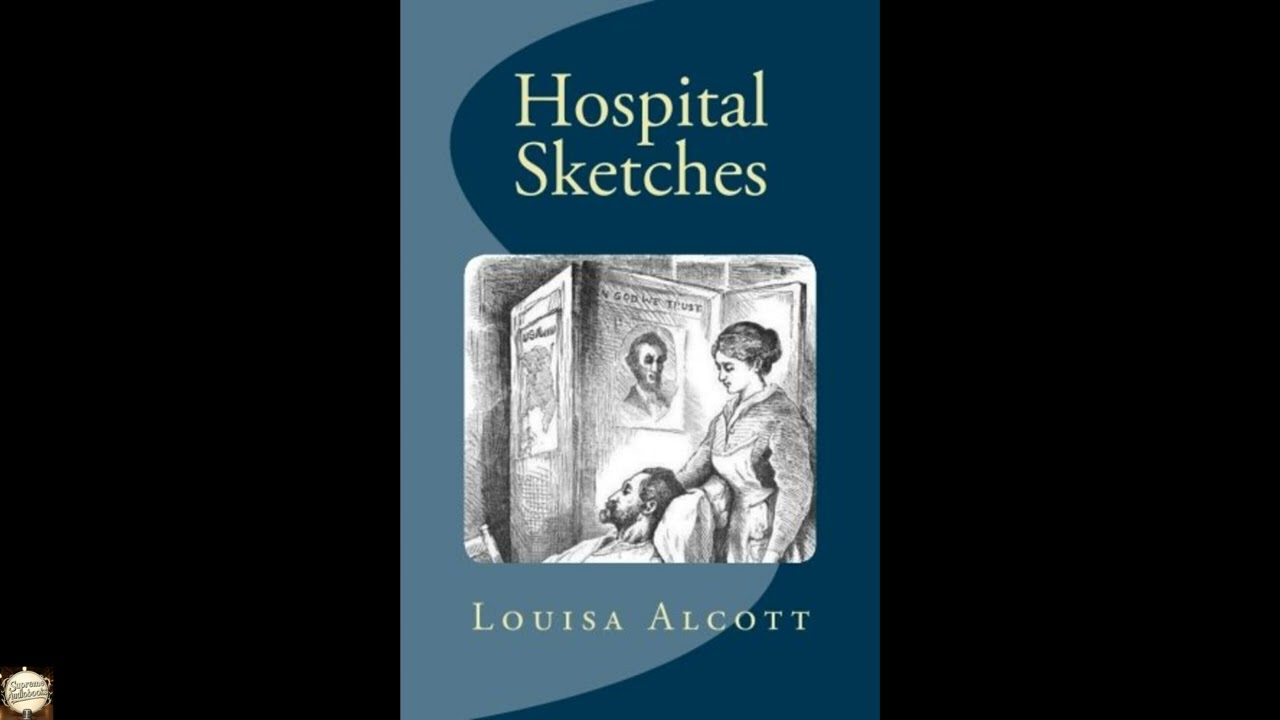
Louisa May Alcott. The name immediately conjures images of four spirited sisters, of attic publishing houses, and of a particularly headstrong tomboy named Jo. Yet, beyond the beloved pages of Little Women lies a substantial body of work, much of it lesser known but no less insightful or compelling. On Picket Duty, and Other Tales offers a rare opportunity to step further into Alcott's world, to encounter her keen observations of human nature and societal dynamics in stories that speak with directness and often surprising power. This collection moves beyond the domestic confines of the March family, presenting a broader canvas of lives and struggles in 19th-century America, and reminding us why Alcott remains a foundational voice whose truths about duty, desire, and the search for integrity resonate just as strongly today. This collection gathers a selection of Alcott’s short fiction, featuring narratives that illuminate the lives of ordinary people caught in extraordinary circumstances, or grappling with the everyday choices that shape a destiny. The titular story, "On Picket Duty," plunges us into the fraught atmosphere of the American Civil War, not from the grand stage of battle, but through the lens of individual experience. Here, we encounter soldiers contending with the monotony and sudden terror of war, and the moral ambiguities that arise when loyalty and humanity clash. Alcott, having served as a nurse during the conflict, imbued these wartime stories with an authenticity that brings the period vividly to life, highlighting the personal sacrifices and psychological tolls exacted by the national struggle. Other tales in this anthology shift focus to the social landscapes of peacetime, often centering on young women navigating the expectations of their families and society while striving for personal fulfillment. We meet characters who wrestle with economic hardship, who dream of escaping mundane existences, or who find themselves entangled in romantic dilemmas that test their convictions. Alcott masterfully sets her scenes in bustling city apartments, quiet country homes, or even on the rugged frontier, each providing a backdrop for characters to confront issues of class, ambition, and the enduring search for love and belonging. Her protagonists are often spirited, sometimes flawed, but always deeply human, facing choices that reflect the complex moral fabric of their era. Louisa May Alcott, born in Germantown, Pennsylvania in 1832, was raised primarily in Concord, Massachusetts, amidst a circle of transcendentalist thinkers including Ralph Waldo Emerson, Henry David Thoreau, and her father, Amos Bronson Alcott. This intellectual environment profoundly shaped her worldview, instilling in her a deep commitment to individualism, social reform, and moral uplift. Despite her family's intellectual prestige, they often faced severe financial hardship, which compelled Alcott to begin working at a young age as a teacher, governess, seamstress, and domestic servant. These early experiences provided her with a pragmatic understanding of the struggles faced by women seeking economic independence—a theme that would recur throughout her writing. Her service as a Union nurse during the Civil War in Washington D.C. was a pivotal experience, inspiring her acclaimed Hospital Sketches (1863), a work that blended humor and stark realism to depict the grim realities of wartime care. It was the phenomenal success of Little Women in 1868, however, that transformed Alcott into a household name, though she initially resisted writing it, preferring more sensational or dramatic material. Despite her personal preference for more mature fiction, she continued to write the domestic and moralistic tales that her public adored, including Little Men and Jo's Boys, cementing her legacy as a beloved children's author while simultaneously crafting gothic thrillers and passion novels under the pseudonym A.M. Barnard. She remained a fierce advocate for women's suffrage and temperance throughout her life, passing away in Boston in 1888. The stories in On Picket Duty, and Other Tales repeatedly highlight the theme of duty versus personal desire. Alcott often presents characters, particularly young women, who must choose between societal expectations, family obligations, or patriotic service and their own aspirations for love, career, or freedom. A soldier might grapple with the moral implications of an order, or a daughter might consider sacrificing her own happiness to support her struggling family, illustrating the profound weight of these decisions. These narratives don’t always offer easy answers, instead showing the difficult process of moral reckoning and the sometimes bittersweet consequences of honorable choices. Another prominent theme is the quest for independence, particularly for women. Alcott, a fiercely independent woman herself, consistently portrays heroines who strive to make their own way in the world, often challenging the limited roles prescribed for them by 19th-century society. Whether it’s a character seeking financial autonomy through work, or one asserting her right to choose her own partner based on affection rather than societal standing, Alcott's women demonstrate resilience and a nascent feminist spirit. These stories quietly champion the idea that a woman’s worth extends far beyond her domestic duties or her marital prospects, emphasizing intelligence, character, and self-reliance as virtues. Alcott’s period of greatest literary output, the mid to late 19th century, was a time of immense social and political upheaval in America. The aftermath of the Civil War left a nation grappling with issues of reconstruction, reconciliation, and the shifting roles of men and women. Industrialization was reshaping society, drawing people from rural areas to burgeoning cities, creating new opportunities alongside new forms of poverty. Alcott, deeply attuned to these changes, used her fiction as a mirror to her times, addressing the anxieties and aspirations of a society in flux. Her stories often appeared in popular periodicals, reaching a wide audience eager for narratives that reflected their own experiences and moral quandaries. The rise of domestic fiction, focusing on family life and moral development, provided a perfect vehicle for Alcott's particular genius. She crafted stories that were both entertaining and instructive, offering gentle lessons on virtue, courage, and perseverance, all while subtly pushing against the restrictive social norms of the Victorian era. Her work emerged from a desire to both entertain and educate, to chronicle the changing American character, and to advocate for a more just and equitable society. Listening to On Picket Duty, and Other Tales as an audiobook offers a unique way to experience Alcott’s precise language and empathetic storytelling. A skilled narrator can render the distinct voices of Alcott’s diverse characters—from the stoic soldier to the determined young woman—with nuanced inflection and emotional depth. The several-hour run time makes this collection ideal for focused listening, perhaps during a commute, a quiet afternoon at home, or while engaged in other tasks. You can immerse yourself in the pacing of Alcott’s narratives, appreciating her descriptive passages and the unfolding of her plots without the visual distractions of a printed page. The spoken word brings a new dimension to the period dialogue and allows the listener to fully absorb the specific atmosphere Alcott so deftly creates, whether it's the hushed tension of a wartime encampment or the lively banter within a busy household.
Enjoyed On Picket Duty, and Other Tales: Classic Tales? A few ways to support us
Audible & Amazon links are affiliate; we may earn a small commission at no extra cost.
About this production
Human narration by a volunteer reader from LibriVox.org, the public-domain audiobook project. LibriVox volunteers record literary works whose copyright has expired in the United States, releasing the resulting recordings into the public domain.
On Picket Duty, and Other Tales: Classic Tales by Louisa May Alcott. The underlying text is in the U.S. public domain. We do not republish any modern copyrighted edition, translation, or commentary.
The 4K cinematic visuals accompanying this audiobook are generated by an AI image model from prompts derived from the source text. No copyrighted photos, paintings, or stock footage are used. AI generation is disclosed on every video on our YouTube channel as required by YouTube's altered/synthetic content policy.
English subtitles are transcribed from the LibriVox recording with OpenAI Whisper. Translations into the 11 other supported languages are produced by Meta's NLLB-200 neural translation model. No human translator's copyrighted translation is used.
Questions about sourcing or rights? See our DMCA & Sourcing policy or contact us.
Enjoyed this audiobook?
If you'd like to own a copy of On Picket Duty, and Other Tales: Classic Tales or hear a professionally produced edition, the links below help support free audiobook production at no extra cost to you.
As an Amazon Associate we earn from qualifying purchases. Audible / print links are affiliate.