About Louisa May Alcott
Among the most beloved voices in American literature, Louisa May Alcott brought to life stories of family, aspiration, and the evolving roles of women during a period of profound social change. Born on November 29, 1832, in Germantown, Pennsylvania, and passing away on March 6, 1888, in Boston, Massachusetts, Alcott’s life and work were deeply intertwined with the intellectual and social currents of her time.
Alcott’s early life was marked by the unconventional, often impoverished, existence shaped by her father, Transcendentalist educator Amos Bronson Alcott. Growing up primarily in Concord, Massachusetts, she was educated at home and counted among her family friends such figures as Ralph Waldo Emerson, Henry David Thoreau, and Nathaniel Hawthorne. Despite this rich intellectual environment, the family frequently faced financial hardship, compelling Alcott from a young age to contribute to their income through various means, including teaching, sewing, and governess work. This firsthand experience of economic necessity and the struggle for self-sufficiency became a foundational element in her later writing.
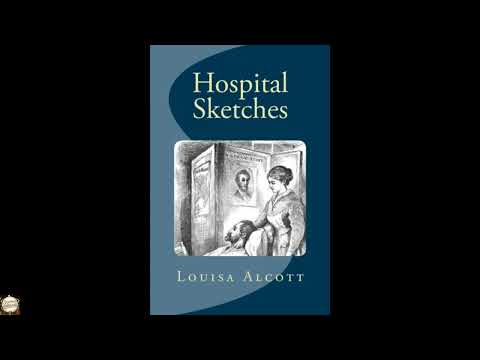
The need to support her family was the primary catalyst for Alcott’s literary career. She entered a publishing world keen for new voices but still largely defined by Victorian sensibilities. Initially, she wrote sensational thrillers and anonymous Gothic tales, publishing under pseudonyms like A.M. Barnard. These early works, often dark and melodramatic, stand in stark contrast to the domestic fiction that would later define her. Her first significant work to gain public attention was *Hospital Sketches*, published in 1863, which drew directly from her experiences as a nurse during the Civil War, offering a candid and often humorous look at the realities of wartime hospitals.
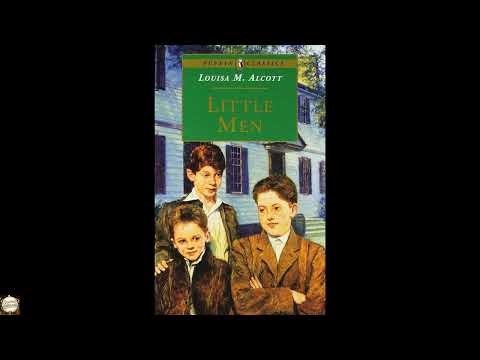
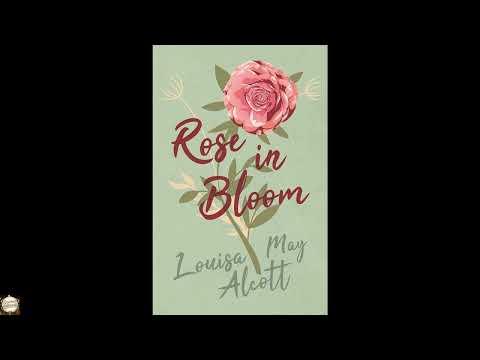
Her breakthrough came in 1868 with *Little Women*, a semi-autobiographical novel commissioned by her publisher, which chronicles the lives of the four March sisters growing up in New England during and after the Civil War. This novel quickly established her as a major literary figure. She continued to write prolifically, producing several other enduring works, including *An Old-Fashioned Girl* (1870), which contrasts traditional values with fashionable society; *Little Men* (1871), following Jo March’s life running a boys’ school; *Eight Cousins* (1875), featuring an orphan girl finding her way among a lively family; and *Rose in Bloom* (1876), continuing the story of Rose Campbell and her cousins.
Alcott's writing often exhibits a clear, accessible style, characterized by lively dialogue and well-drawn characters. Her recurring themes center on domestic life, family values, self-reliance, moral growth, and the aspirations of young women. She keenly observed and depicted the everyday struggles and triumphs within the family unit, often presenting an idealized yet relatable vision of home. A central theme in her work is the pursuit of independence and individuality, particularly for female characters, balanced against societal expectations and familial duties. Jo March, from *Little Women*, stands as a powerful example: a tomboyish, ambitious writer who struggles with societal conventions and the tension between her personal ambitions and her love for her family.
Louisa May Alcott holds a significant place in literary history as a pioneer of children's literature and domestic fiction. Her ability to portray realistic, relatable characters grappling with universal themes of growth, morality, and belonging deeply influenced subsequent generations of writers. She helped define the genre of the domestic novel, shaping how authors approached stories of girlhood, family dynamics, and the pursuit of dreams. Her works continue to resonate, inviting new audiences to connect with her characters and the enduring lessons within her narratives, offering a comforting and inspiring listening experience for anyone seeking free audiobooks today.
More on Wikipedia →