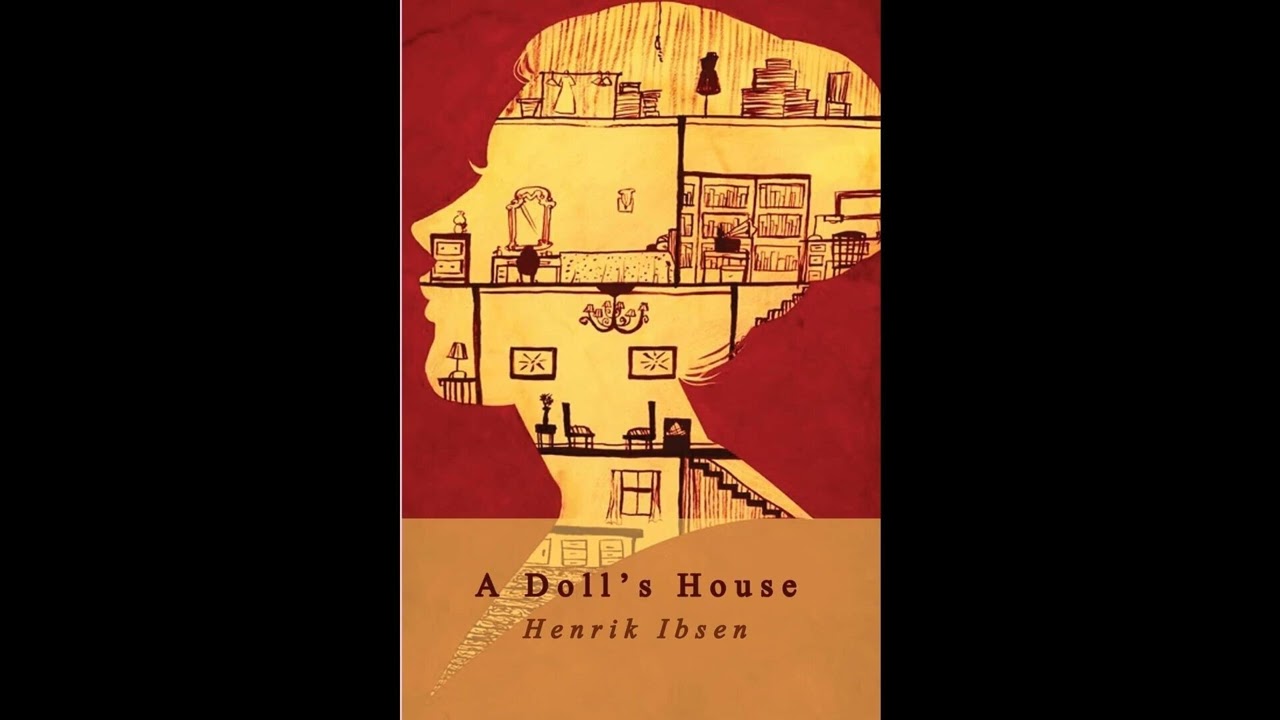
A Doll's House
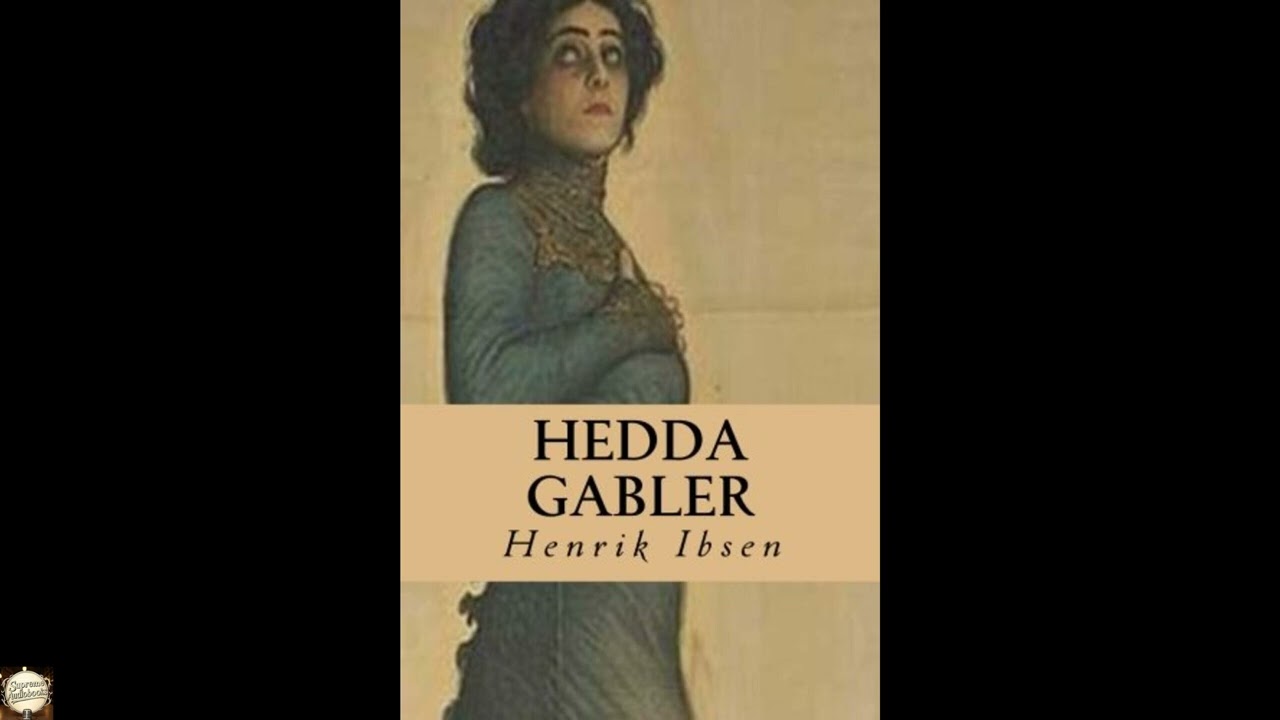
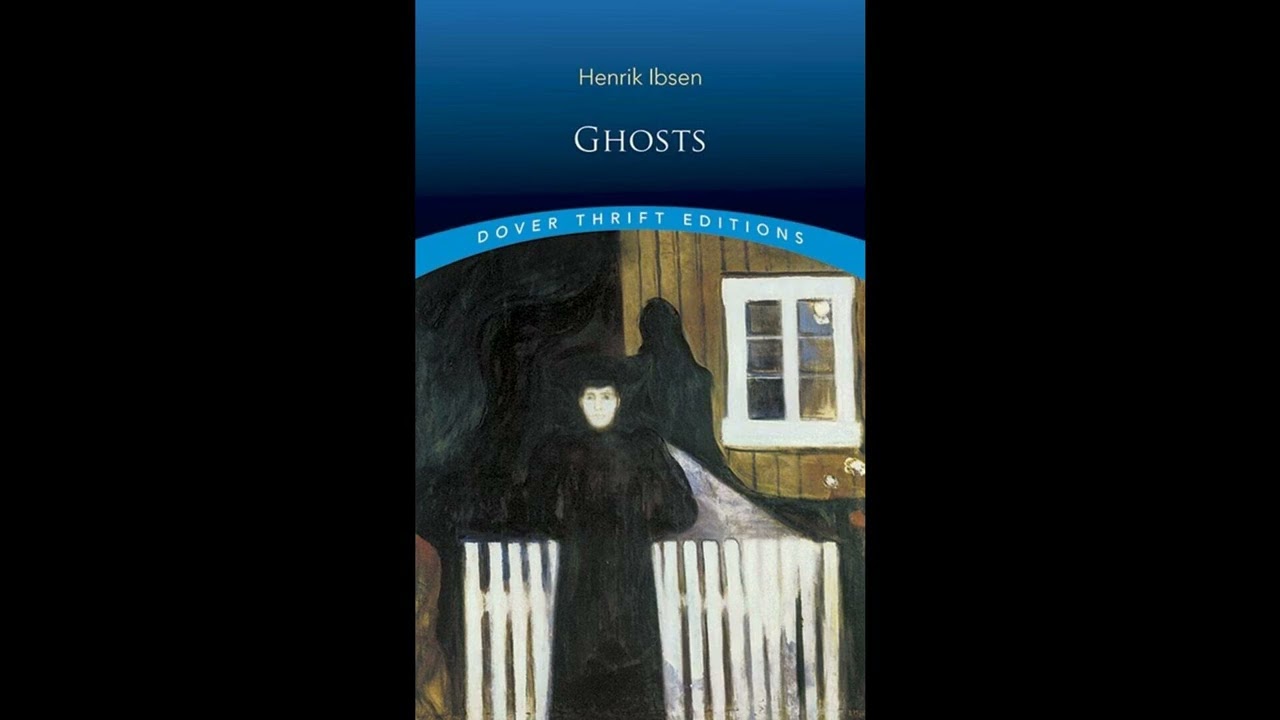
Henrik Ibsen’s A Doll’s House shattered the polite veneers of late nineteenth-century society with the force of a thunderclap, and its powerful echoes resonate undiminished in our modern world. At its heart, this play asks a question that remains profoundly unsettling: What happens when the comforting illusions of domestic bliss crumble under the weight of an individual’s yearning for truth and self-knowledge? It is a stark, honest portrayal of marriage, identity, and the suffocating pressure of societal expectations, forcing audiences then and now to confront uncomfortable truths about the roles we play and the costs of maintaining a facade. To hear this dramatic text brought to life is to witness a revolutionary challenge to convention, a story that continues to provoke vital conversations about freedom and authenticity. The story unfolds within the seemingly idyllic, comfortable home of Nora and Torvald Helmer, a prosperous couple in a Norwegian town just before Christmas. Nora, Torvald’s wife, embodies the picture of a doting, somewhat flighty homemaker, cherished by her husband with affectionate, if condescending, nicknames like "my little skylark" and "my squirrel." Torvald, recently promoted to bank manager, anticipates a future free of financial worries, allowing them to truly enjoy their comfortable life with their children. This picture of domestic felicity, however, conceals a significant secret that Nora has meticulously guarded for years: to save Torvald's life during a past illness, she illegally secured a loan, forging her deceased father's signature to do so. This past deception returns to haunt her in the form of Nils Krogstad, a disreputable lawyer who works at Torvald’s bank. Krogstad, facing dismissal from his position, blackmails Nora, threatening to expose her forgery unless she convinces Torvald to keep him employed. As Christmas approaches, Nora finds herself caught in a tightening web of fear and manipulation, desperately trying to protect her husband and children from the scandal while simultaneously attempting to maintain the illusion of their perfect life. The arrival of Nora's old friend Kristine Linde, who seeks employment and a fresh start, and the ailing Dr. Rank, a family confidant, adds further layers to the unfolding drama, each interaction bringing Nora closer to a profound understanding of her own situation and the true nature of her relationships. The story meticulously builds towards a moment of shattering clarity, where the foundations of Nora’s world, built on unspoken assumptions and gendered expectations, are utterly exposed. The Norwegian playwright Henrik Ibsen, born in Skien in 1828, changed the landscape of drama. His early life was marked by his family's financial struggles and the weight of their social decline, experiences that likely informed his later critiques of bourgeois hypocrisy and societal pressures. He moved away from Norway in his late twenties, spending significant time living in Italy and Germany, where much of his most groundbreaking work took shape. These decades of voluntary exile provided him with a critical distance from his homeland, allowing him to observe and dissect its social customs with piercing clarity. Ibsen is widely considered the father of modern prose drama and a key figure in the rise of realism and naturalism in the theater. He moved away from the romanticism and poetic verse prevalent in plays of his time, instead crafting dialogue that mimicked real conversation and tackling subjects considered taboo. His plays, including other notable works such as Ghosts, An Enemy of the People, and Hedda Gabler, rigorously examined the moral failures and hidden conflicts within middle-class life. Ibsen's unflinching honesty and his dedication to portraying psychological depth in his characters firmly established his enduring place as one of the most influential dramatists in history, his work forever altering how stories were told on stage and understood by audiences. At its core, A Doll's House confronts the restrictive societal expectations placed upon women during the late nineteenth century. Nora’s life exemplifies this; she is treated as a beautiful ornament, a child-like figure whose primary roles are to manage the household and provide companionship, rather than being seen as an autonomous individual with her own thoughts and desires. Torvald’s constant use of pet names and his controlling attitude towards her finances and appearance clearly illustrate this dynamic. When he criticizes her spending habits and even her choice of clothing, he reveals a view of her not as an equal partner, but as a possession whose primary purpose is to please him and maintain their social standing. Another compelling theme present throughout the play is the profound conflict between appearance and reality. The Helmer household projects an image of perfect marital harmony and financial stability, yet beneath this polished surface lies a dangerous secret and deep-seated dissatisfaction. Nora’s forgery, initially an act of love to save her husband, becomes a heavy chain of deception. She lives in a constant state of anxiety, trying to keep her past hidden, performing the role of the cheerful, obedient wife while harboring a burden of guilt and fear. The narrative consistently peels back these layers of illusion, revealing the moral compromises and emotional costs of maintaining a false front in the name of respectability. When A Doll’s House first premiered in Copenhagen in 1879, it landed in a world grappling with significant social and cultural shifts. The Victorian era, with its rigid moral codes and defined gender roles, was beginning to face challenges, and burgeoning women’s rights movements were questioning the established order. Industrialization was reshaping economies and urban life, leading to new anxieties about class, wealth, and individual liberty. Ibsen’s play emerged from this ferment, directly challenging the deeply ingrained patriarchal structures and the sanctity of marriage as an institution. The play’s controversial nature stemmed from its radical suggestion that a woman might have a right, or even a responsibility, to discover and pursue her own identity outside of her wifely and maternal duties. At a time when a woman’s entire social standing and economic security were tied to her husband, Nora’s journey represented a direct affront to convention. It sparked outrage and heated debate across Europe, not just for its subject matter, but for its perceived implications about the unraveling of the family unit, thus signaling a profound shift in dramatic literature towards confronting uncomfortable contemporary realities. Listening to A Doll’s House as an audiobook offers a uniquely intimate and powerful experience of Ibsen's drama. With several hours of performance, the listener can truly sink into the meticulously crafted dialogue, allowing the actors’ voices to convey the subtle nuances of emotion, the rising tension, and the unspoken subtext that defines the Helmers’ troubled household. The pacing of the narration becomes crucial here, allowing the listener to feel the suffocating pressure Nora experiences as her secret threatens to unravel her life. The careful modulation of voices brings each character to life, from Torvald’s blithe condescension to Krogstad’s menacing desperation and Nora’s own gradual awakening. It allows one to experience the atmosphere of a late nineteenth-century home, feeling the weight of societal expectations and the dramatic shift in Nora’s perspective as if seated in the very parlor with them.
Enjoyed A Doll's House? A few ways to support us
Audible & Amazon links are affiliate; we may earn a small commission at no extra cost.
About this production
Human narration by a volunteer reader from LibriVox.org, the public-domain audiobook project. LibriVox volunteers record literary works whose copyright has expired in the United States, releasing the resulting recordings into the public domain.
A Doll's House by Henrik Ibsen. The underlying text is in the U.S. public domain. We do not republish any modern copyrighted edition, translation, or commentary.
The 4K cinematic visuals accompanying this audiobook are generated by an AI image model from prompts derived from the source text. No copyrighted photos, paintings, or stock footage are used. AI generation is disclosed on every video on our YouTube channel as required by YouTube's altered/synthetic content policy.
English subtitles are transcribed from the LibriVox recording with OpenAI Whisper. Translations into the 11 other supported languages are produced by Meta's NLLB-200 neural translation model. No human translator's copyrighted translation is used.
Questions about sourcing or rights? See our DMCA & Sourcing policy or contact us.
Enjoyed this audiobook?
If you'd like to own a copy of A Doll's House or hear a professionally produced edition, the links below help support free audiobook production at no extra cost to you.
As an Amazon Associate we earn from qualifying purchases. Audible / print links are affiliate.