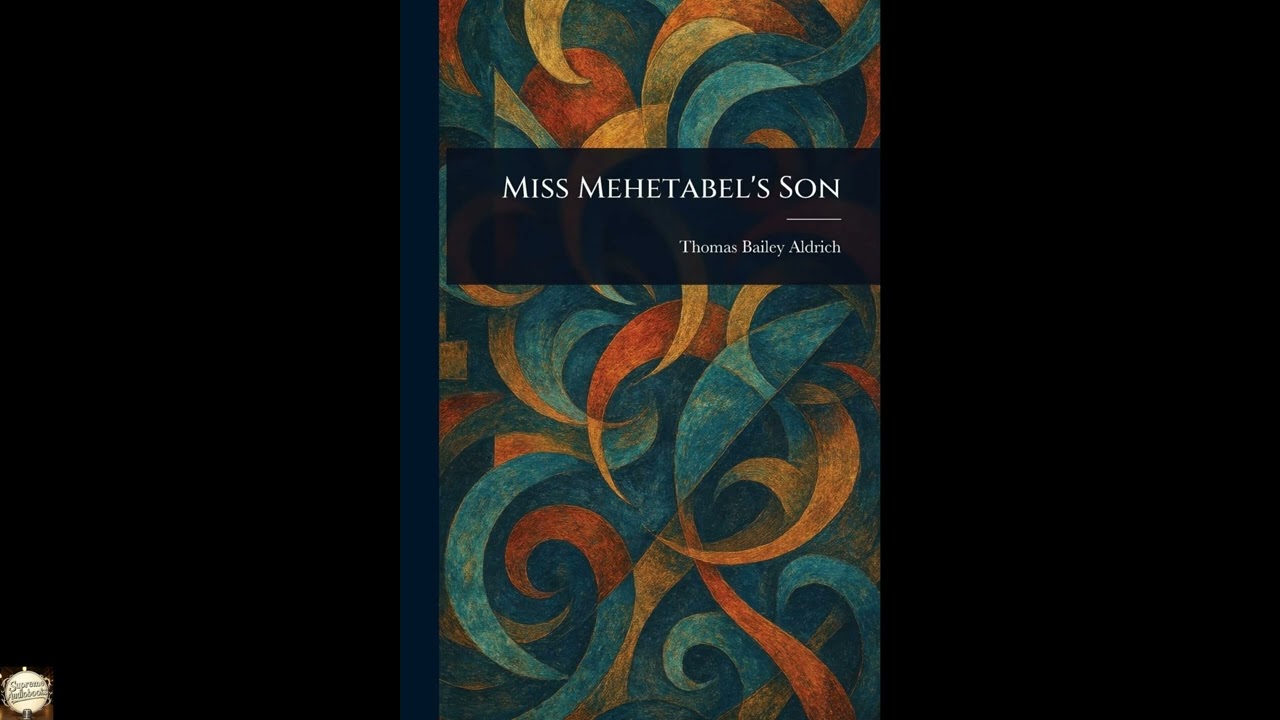
Miss Mehetabel's Son
"Miss Mehetabel's Son" is a quietly brilliant novella from the late 19th century, a charming tale that, despite its period setting, speaks volumes about human nature relevant today. It's a story of community, reputation, and the surprising ways life can unravel expectations, told with light touch and genuine warmth. What happens when a tightly knit New England village confronts an unsettling mystery? This delightful work offers both a chuckle and a thoughtful pause, reminding us that appearances can be deceiving, and that sometimes, the most rigid among us are capable of profound transformations. Aldrich’s storytelling here is a testament to the enduring power of a well-spun yarn, where humor and pathos intertwine to offer a memorable glimpse into a bygone era, yet one whose lessons on gossip and kindness echo with clarity in any age. The story unfolds in a sleepy New England village, where everyone knows everyone else’s business. At its heart stands Miss Mehetabel, a woman of unblemished character and severe propriety. Known for rigid rectitude, she embodies the village's moral compass, albeit a chilly one. Her life is a carefully ordered existence, free from scandal; her pronouncements often carry weight among local gossips. She is a formidable presence. This meticulously constructed world shatters with the sudden arrival of a young man. He introduces himself simply as Miss Mehetabel's son. The declaration sends shockwaves. Miss Mehetabel, a lifelong spinster, having a son? The idea is scandalous, preposterous, fascinating to the village. Her cultivated reputation crumbles instantly. Villagers, incredulous then curious, watch her with newfound scrutiny, their whispers weaving a complex web of speculation. Miss Mehetabel is thrown into an internal maelstrom, forced to confront neighbors' gaze and her own deep beliefs. Aldrich keeps the audience guessing about the young man's true identity, focusing on his profound effect on Miss Mehetabel. Her rigid demeanor softens, revealing a character previously hidden, building towards a poignant and unexpected resolution. Thomas Bailey Aldrich (1836-1907) was a significant figure in American letters during the late 19th century. His versatile career encompassed poetry, short stories, novels, and extensive editorial work. After an early life in New England, he settled in New York City at sixteen, quickly entering the literary world. He published his first book of poems in 1855 and became part of the bohemian literary scene. His talent for keen observation and elegant style earned him editorial positions at prominent publications, eventually leading him to succeed William Dean Howells as editor of The Atlantic Monthly in 1881, a position he held for a decade, shaping American literary tastes. Aldrich’s prose was characterized by a blend of humor and sentimentality. He was a master of the short story, a popular form in his lifetime, often featuring memorable characters. His most enduring contribution is The Story of a Bad Boy (1870), a semi-autobiographical novel considered a precursor to realistic children's stories. Aldrich's work is associated with the local color movement and burgeoning realism, particularly in his detailed portrayal of New England life and character, making him an essential voice in capturing post-Civil War America. "Miss Mehetabel's Son" explores themes of appearances versus reality. From the young man's arrival, the village's perception of Miss Mehetabel is irrevocably altered. Once the embodiment of respectability, she is suddenly viewed through a lens of scandal. Aldrich illustrates how quickly a community constructs a narrative based solely on what appears to be the case. Villagers react with disbelief, their assumptions about spinsterhood challenged. Their gossip creates a distorted reality around Miss Mehetabel, forcing us to consider the unreliable nature of initial judgments and societal pressure. A second theme is the pervasive influence of social convention and gossip within a tight-knit community. The story is driven by whispers and speculations that spread like wildfire, shaping public opinion and putting immense pressure on Miss Mehetabel. Aldrich humorously portrays the townspeople's reactions, highlighting the power of collective judgment. Furthermore, the novella subtly touches on unexpected compassion and transformation. As Miss Mehetabel grapples with her new reality, her hardened exterior cracks, revealing a deeper capacity for understanding. This internal shift, triggered by an external crisis, underscores that growth can emerge from unlikely circumstances. The late 19th century in America, when "Miss Mehetabel's Son" was written, was a time of significant cultural transition. Following the Civil War, the nation grappled with industrialization and shifting social landscapes. While cities boomed, rural New England areas often clung to traditional values. This era saw the rise of literary realism, a movement depicting life as it truly was, focusing on everyday existence and human character. Aldrich, like contemporaries such as William Dean Howells, contributed to the "local color" tradition that captured unique customs and social intricacies of specific American regions. "Miss Mehetabel's Son" exemplifies this trend, immersing the audience in the atmosphere and social dynamics of a New England village. Concerns over reputation, propriety, and gossip were reflections of actual social anxieties, offering commentary on conformity. To experience "Miss Mehetabel's Son" as an audiobook is to invite the story directly into your imagination, letting the narrator's voice bring Aldrich's charming prose to life. Its relatively short length makes it ideal for a focused listening session. Listeners will be drawn into the distinctive atmosphere of the New England village, where nuances of dialogue and unspoken social currents are expertly conveyed through vocal performance. The narrator's pacing allows the subtle humor and gradual unveiling of character to unfold naturally, highlighting Aldrich's precise word choices and understated irony. Pay close attention to how the voices differentiate the various townsfolk, adding depth to the communal backdrop. This audio presentation offers a warm, intimate way to engage with a classic that continues to delight and provoke thought.
Enjoyed Miss Mehetabel's Son? A few ways to support us
Audible & Amazon links are affiliate; we may earn a small commission at no extra cost.
About this production
Human narration by a volunteer reader from LibriVox.org, the public-domain audiobook project. LibriVox volunteers record literary works whose copyright has expired in the United States, releasing the resulting recordings into the public domain.
Miss Mehetabel's Son by Thomas Bailey Aldrich. The underlying text is in the U.S. public domain. We do not republish any modern copyrighted edition, translation, or commentary.
The 4K cinematic visuals accompanying this audiobook are generated by an AI image model from prompts derived from the source text. No copyrighted photos, paintings, or stock footage are used. AI generation is disclosed on every video on our YouTube channel as required by YouTube's altered/synthetic content policy.
English subtitles are transcribed from the LibriVox recording with OpenAI Whisper. Translations into the 11 other supported languages are produced by Meta's NLLB-200 neural translation model. No human translator's copyrighted translation is used.
Questions about sourcing or rights? See our DMCA & Sourcing policy or contact us.
Enjoyed this audiobook?
If you'd like to own a copy of Miss Mehetabel's Son or hear a professionally produced edition, the links below help support free audiobook production at no extra cost to you.
As an Amazon Associate we earn from qualifying purchases. Audible / print links are affiliate.





![by Margaret [Harriet Margaret Stone Lothrop]. Sidney by Unknown — free full audiobook](https://img.youtube.com/vi/k_Gr_WSxsPA/maxresdefault.jpg)