An Enemy Of The People
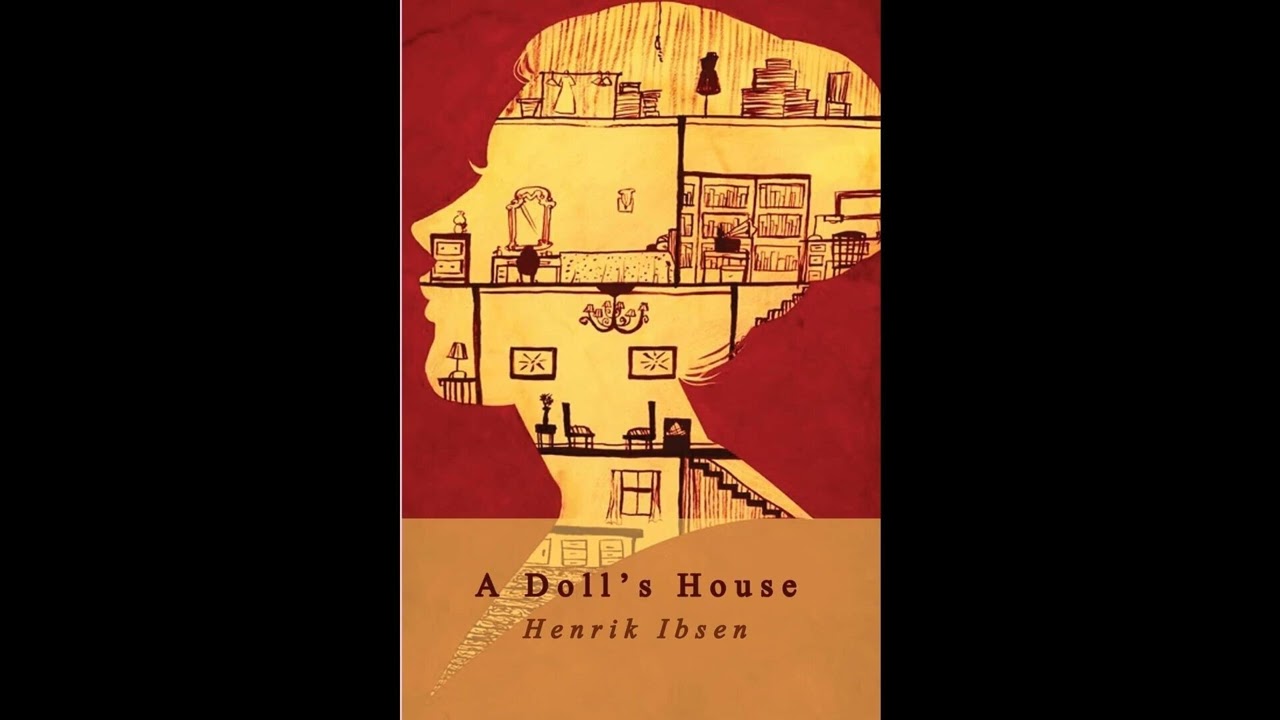
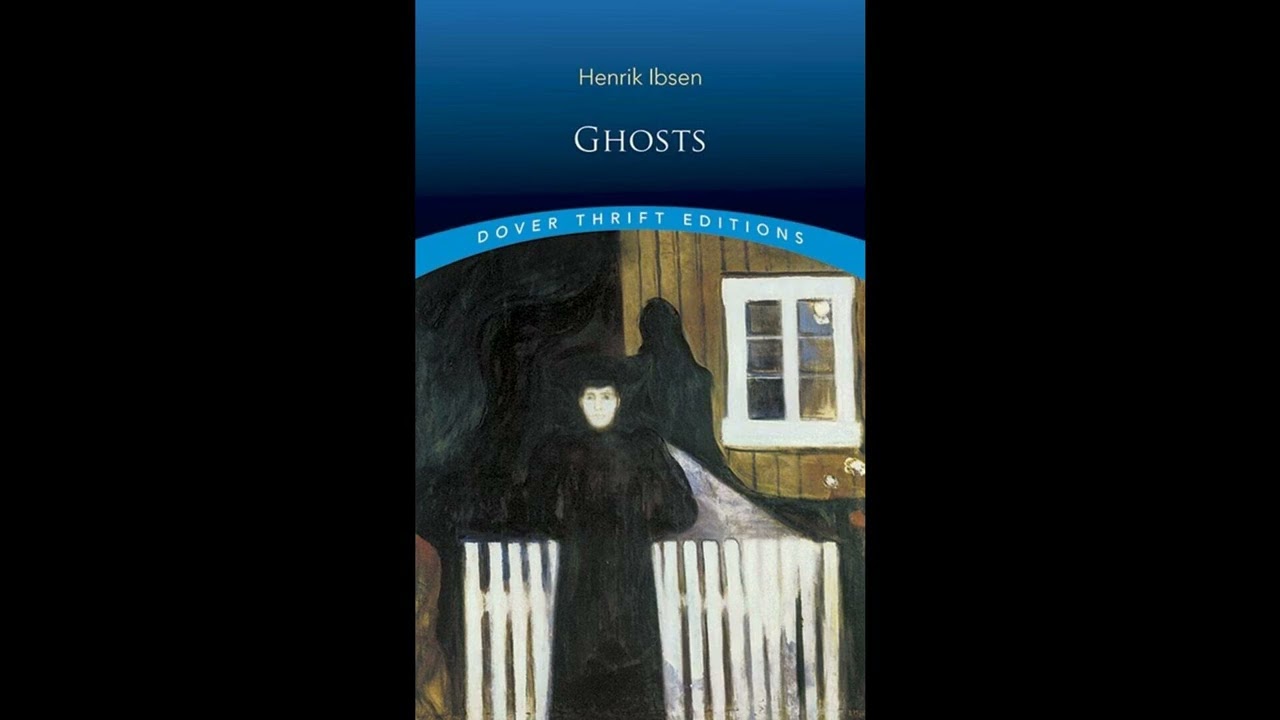
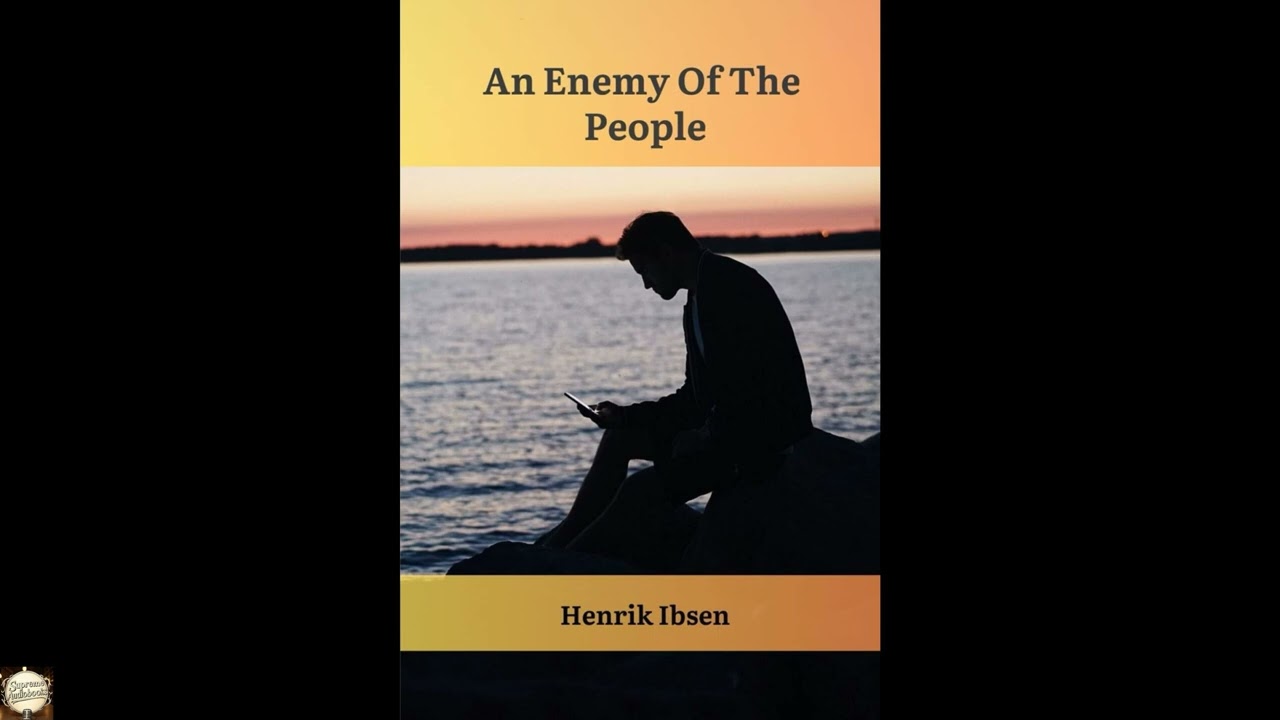
Imagine a small, tightly knit community, its economic future hinging on a grand new enterprise. Now imagine a single voice—a respected doctor, a pillar of that very community—discovering a fundamental, dangerous flaw in the project. He expects gratitude, perhaps even acclaim. Instead, he faces a wall of denial, then escalating hostility, as the town's leaders and citizens turn on him, sacrificing truth on the altar of profit and convenience. Henrik Ibsen’s searing social drama, An Enemy of the People, is precisely this tale, a chillingly prescient examination of what happens when an individual conscience confronts the powerful currents of public opinion and self-interest. Written in the late nineteenth century, its central conflict—the suppression of inconvenient scientific facts for economic gain—feels unsettlingly relevant in our own era of environmental crises, public health debates, and the constant battle between integrity and political expediency. This is not merely a story from the past; it is a mirror reflecting the ethical dilemmas that continue to shape our world today. The play unfolds in a Norwegian spa town that has recently invested heavily in a new set of public baths, hoping they will become a celebrated health resort and a boon to the local economy. Dr. Thomas Stockmann, the town's medical officer for the baths, is an enthusiastic, somewhat naive idealist, confident in the power of truth and progress. His brother, Peter Stockmann, is the town's Mayor and chairman of the baths' administrative board – a pragmatic, calculating figure who values order and prosperity above all else. The central conflict ignites when Dr. Stockmann discovers, through diligent scientific testing, that the much-lauded spa waters are gravely contaminated with harmful bacteria, posing a severe health risk to visitors. Initially, Dr. Stockmann believes his discovery will be met with gratitude and prompt action. He envisions himself as a hero, bringing vital information to light. However, his brother, the Mayor, immediately recognizes the catastrophic financial implications of such a revelation. The cost of repairing the baths would be immense, potentially bankrupting the town. What follows is a relentless campaign by Peter Stockmann to silence his brother, first through persuasion and threats, then by manipulating the local newspaper and the influential figures in the community. As Dr. Stockmann attempts to bring his findings to the public, he finds himself increasingly isolated, his scientific facts dismissed as alarmism, and his character maligned, leading to a dramatic confrontation where the town must choose between acknowledging an uncomfortable truth and protecting its carefully constructed facade of prosperity. Henrik Ibsen, born in Skien, Norway in 1828, grew to become one of the most influential playwrights in literary history, often hailed as the "Father of Modern Drama." His early life was marked by financial hardship, which compelled him to leave school prematurely and begin an apprenticeship as a pharmacist's assistant. This period of struggle, however, did not deter his literary ambitions; he moved to Christiania (now Oslo) with the intention of attending university, but soon found his true calling in the theatre. After early forays into poetic and historical dramas, Ibsen spent nearly three decades in self-imposed exile, primarily in Italy and Germany, a period during which he produced his most significant and groundbreaking works. During his prolific career, Ibsen transitioned from the Romantic verse dramas of his youth, like Brand and Peer Gynt, to a groundbreaking form of realistic prose drama that tackled pressing social and psychological issues with unprecedented directness. Plays such as A Doll's House, which bravely questioned societal expectations for women, Ghosts, a stark exposé of hypocrisy and inherited sin, and Hedda Gabler, a complex study of a woman trapped by convention, cemented his reputation. Upon his return to Norway in 1891, he was a celebrated figure, his plays having reshaped the landscape of European theatre by introducing psychological realism and a keen eye for societal critique. Ibsen’s profound influence extended far beyond his native Scandinavia, inspiring playwrights like George Bernard Shaw, Anton Chekhov, and August Strindberg, and forever changing the way human complexity and social problems were depicted on stage before his death in 1906. An Enemy of the People deftly probes several enduring themes, beginning with the stark opposition of truth versus expediency. Dr. Stockmann’s medical findings represent an objective, scientific truth, yet his brother and the town’s authorities prioritize the economic stability of their community over this inconvenient reality. We see this enacted most forcefully when the Mayor pressures the local newspaper editor, Hovstad, and the printer, Aslaksen, to suppress Stockmann’s article. They initially support the doctor, seeing an opportunity to champion the common people, but quickly capitulate when faced with the potential financial ruin and social upheaval that exposing the contamination would entail, choosing to protect their own interests and the perceived collective good. Another potent theme is the profound struggle of the individual against the collective, or the "compact majority." Dr. Stockmann, initially believing he has the entire town’s support, quickly finds himself alienated as public opinion turns hostile. His famous, defiant declaration that "the strongest man in the world is he who stands most alone" crystallizes this core conflict, showing his transformation from a well-meaning public servant into a persecuted dissident. Furthermore, the play casts a critical eye on moral corruption and hypocrisy, revealing how quickly societal leaders and the public itself can abandon ethical principles when faced with personal or communal sacrifice. The town’s leaders, ostensibly concerned with the welfare of their citizens, are ultimately willing to endanger public health to maintain their image and wealth. Ibsen wrote An Enemy of the People in 1882, a period of significant social and intellectual ferment across Europe. The late nineteenth century saw rapid industrialization, urbanization, and a growing public consciousness about sanitation and disease, making the play's focus on contaminated water highly topical. It was also an era when the authority of science increasingly challenged traditional beliefs, and the rise of mass media meant that public opinion held unprecedented sway. In the literary world, Ibsen was at the vanguard of the Realism movement, which sought to depict life as it truly was, often exposing the hypocrisies and social ills hidden beneath polite society. This particular play emerged partly as a direct response to the furious critical outcry that greeted his previous work, Ghosts, which dealt with syphilis and societal hypocrisy. Ibsen himself felt he had been branded an "enemy of the people" for daring to bring such uncomfortable truths to the stage, making An Enemy of the People a powerful, almost personal, defense of the truth-teller. Listening to An Enemy of the People as an audiobook offers a uniquely intimate and powerful way to experience Ibsen's sharp dialogue and escalating tension. The narrator’s voice becomes central to capturing the dramatic shifts in atmosphere, from the initial, buoyant optimism of Dr. Stockmann to the chillingly hostile environment of the town meeting. The several hours of listening time allow for a deep immersion into the characters' psychological states, lending depth to Thomas Stockmann’s fervent idealism and Peter Stockmann’s calculating pragmatism. Pay close attention to the pacing, which builds subtly from polite disagreement to outright verbal combat, and how distinct voices for characters like the conflicted editor Hovstad or the cautious printer Aslaksen reveal their allegiances and motivations. The audio format excels at conveying the almost claustrophobic atmosphere of a small town consumed by its own self-interest, making the listener a direct participant in the unfolding moral and social drama.
Enjoyed An Enemy Of The People? A few ways to support us
Audible & Amazon links are affiliate; we may earn a small commission at no extra cost.
About this production
Human narration by a volunteer reader from LibriVox.org, the public-domain audiobook project. LibriVox volunteers record literary works whose copyright has expired in the United States, releasing the resulting recordings into the public domain.
An Enemy Of The People by Henrik Ibsen. The underlying text is in the U.S. public domain. We do not republish any modern copyrighted edition, translation, or commentary.
The 4K cinematic visuals accompanying this audiobook are generated by an AI image model from prompts derived from the source text. No copyrighted photos, paintings, or stock footage are used. AI generation is disclosed on every video on our YouTube channel as required by YouTube's altered/synthetic content policy.
English subtitles are transcribed from the LibriVox recording with OpenAI Whisper. Translations into the 11 other supported languages are produced by Meta's NLLB-200 neural translation model. No human translator's copyrighted translation is used.
Questions about sourcing or rights? See our DMCA & Sourcing policy or contact us.
Enjoyed this audiobook?
If you'd like to own a copy of An Enemy Of The People or hear a professionally produced edition, the links below help support free audiobook production at no extra cost to you.
As an Amazon Associate we earn from qualifying purchases. Audible / print links are affiliate.