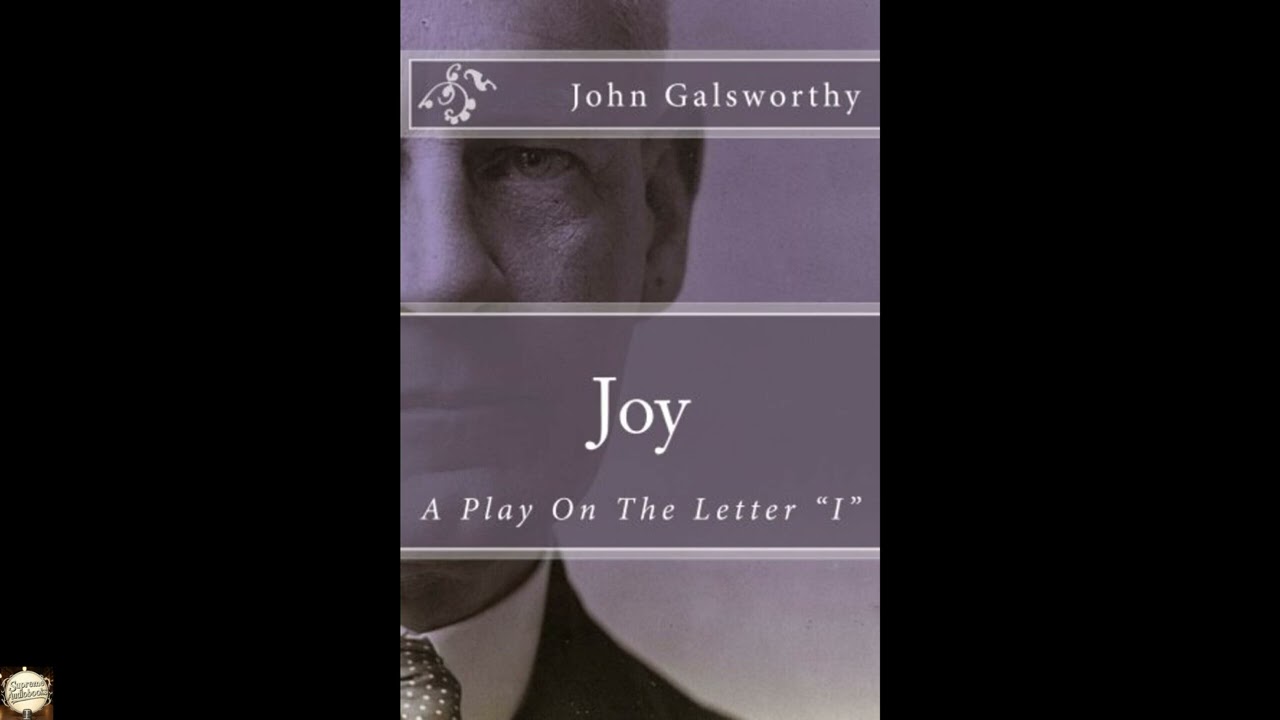
Joy: A Play On The Letter "I"
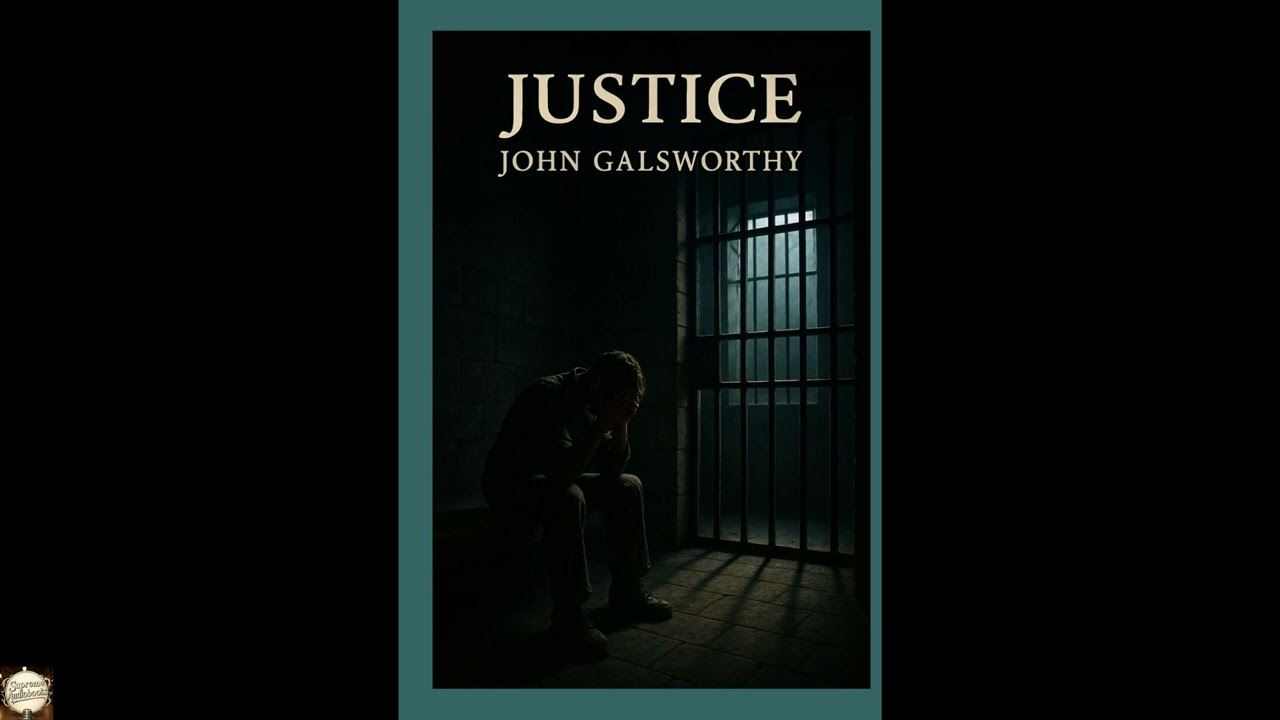
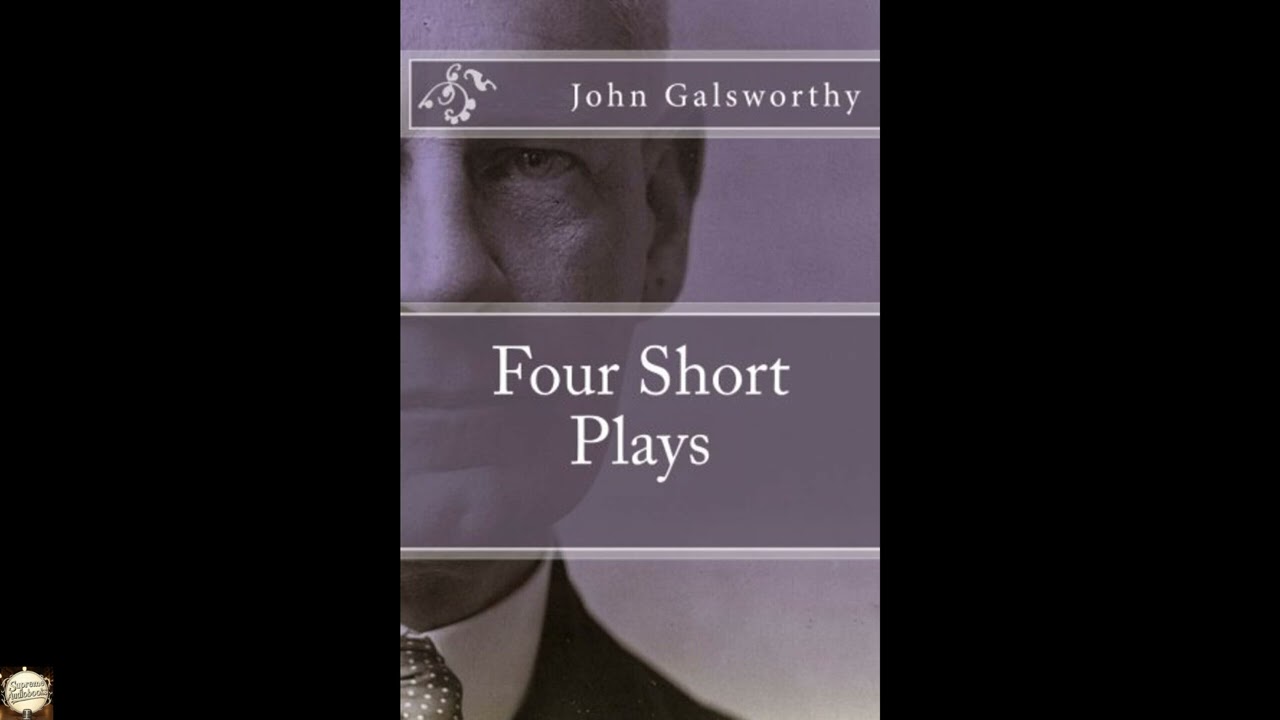
Prepare to step into the hushed drawing-rooms of Edwardian England, where beneath a veneer of polite society, passions simmer and the fragile illusion of innocence shatters. John Galsworthy’s Joy: A Play On The Letter "I" presents a piercing domestic drama that remains remarkably resonant today, dissecting the often-painful transition from youthful idealism to the stark realities of adult compromise. This isn't just a period piece; it’s a universal examination of what happens when our most cherished beliefs about love, family, and morality are confronted by the messy truths of human experience. It asks us to consider the price of hypocrisy and the bittersweet nature of growing up, making it a compelling listen for anyone who has ever faced a difficult revelation or grappled with the gap between expectation and reality. The setting is an idyllic English country house, the home of Colonel and Mrs. Hope, seemingly a picture of domestic tranquility. Their spirited, eighteen-year-old daughter, Joy, is the radiant center of their world, brimming with the optimism and unblemished view of life that comes with youth. She is on the precipice of womanhood, engaging in a tender courtship with Dick Merton, a well-meaning young man who mirrors her hopeful outlook. Joy’s younger sister, Rose, though a child, possesses a quiet perceptiveness, often observing more than she lets on. This picture of harmony, however, is delicately balanced on unspoken truths and long-held secrets. The play’s central tension ignites as Joy begins to notice the subtle strains in her parents’ relationship, particularly concerning the reappearance of a family friend, Ernest Bliss, whose cynical wit masks a deeper knowing. Bliss, with his world-weary observations, acts as a foil to Joy's idealism, slowly eroding her pristine vision of her family. As the story unfolds, a buried secret concerning Mrs. Hope’s past — a significant affair that predates her marriage to Colonel Hope — gradually comes to light. This revelation, especially to Joy, proves deeply disorienting. She had idolized her parents and their seemingly perfect union, and the discovery of adult complications and moral ambiguities forces her to confront a world far more nuanced and less pristine than she had ever imagined. The arc of the story follows Joy’s agonizing shift from uncritical adoration to a bewildered, then deeply pained, understanding of the compromises and hidden struggles that shape adult lives, ultimately challenging her own future choices. John Galsworthy, the esteemed author of this compelling play, was born in 1867 in Kingston Hill, Surrey, England, into a wealthy and well-established family. His background provided him with a keen understanding of the British upper-middle classes he so often depicted and critiqued. Educated at Harrow School and New College, Oxford, Galsworthy initially studied law, though he never actively practiced. Instead, extensive travels in his youth, during which he encountered Joseph Conrad, proved pivotal. Conrad encouraged Galsworthy to write, setting him on a path that would lead to literary renown. A defining personal experience that profoundly shaped Galsworthy’s artistic output was his long, secret affair with Ada Nemesis Pearson Cooper, the estranged wife of his cousin, Major Arthur Galsworthy. Their love story, which lasted ten years before Ada’s divorce and their subsequent marriage in 1905, imbued Galsworthy with a profound sensitivity to the societal constraints, hypocrisy, and human cost of rigid Victorian-Edwardian moral codes, particularly concerning marriage and women's roles. This personal crucible informed much of his most enduring work, including his monumental series of novels, The Forsyte Saga, which began with The Man of Property. His plays, such as Strife (1909), a powerful examination of industrial dispute, and Justice (1910), a searing critique of the legal system, solidified his reputation as a leading figure in the social realist drama movement of his era. Galsworthy was awarded the Nobel Prize in Literature in 1932, a year before his death in Hampstead, London, in 1933, cementing his place as a significant voice in English literature known for his elegant prose and profound social commentary. Joy enacts several profound themes that resonate beyond its Edwardian setting. One central theme is the loss of innocence and subsequent disillusionment. Joy, initially a figure of unbridled optimism, embodies the youthful belief in an unblemished world. Her eventual confrontation with her mother’s past and her parents’ strained reality forces her to shed this idealism. For instance, her early, almost naïve discussions of love and marriage with Dick Merton are starkly contrasted with her later, pained silence and withdrawal as she grapples with the adult truths revealed. This journey from blissful ignorance to difficult knowledge is painted with a poignant specificity. Another significant theme is the hypocrisy of Edwardian society, particularly concerning appearances and moral expectations. The play subtly exposes the double standards applied to women and the lengths to which polite society would go to maintain a façade of respectability, even within the confines of a family. The "secret" of Mrs. Hope’s past is not entirely secret to everyone, yet it is carefully protected and alluded to rather than openly discussed, creating an atmosphere of unspoken tension. This highlights how societal pressures often dictated personal conduct and the profound fear of scandal. The play also scrutinizes the complex nature of love and marriage, moving beyond simple romantic ideals to present it as an institution often fraught with compromise, endurance, and the burden of past choices. Colonel and Mrs. Hope's relationship, outwardly stable, is revealed to be built on an unspoken agreement, one that has taken its toll and deeply affects their daughter's understanding of her own future. Galsworthy wrote Joy during the Edwardian era, a period roughly spanning the first decade of the 20th century, following the long reign of Queen Victoria. This was a time of significant transition in Britain, marked by burgeoning social change, nascent political reform movements like the suffragettes, and a subtle but growing questioning of Victorian moral certitudes. While outwardly a period of relative peace and prosperity for the upper and middle classes, underlying tensions regarding class divisions and societal conventions were increasingly surfacing. In the literary world, the naturalistic and realistic impulses, influenced by European playwrights like Henrik Ibsen and George Bernard Shaw, were challenging the conventions of melodramatic theatre, pushing for a more honest and unflinching portrayal of life. Galsworthy, as a perceptive social critic, was very much attuned to these shifts. His plays often served as finely tuned instruments to dissect the moral dilemmas and societal hypocrisies of his time. Joy emerged from this climate, reflecting a society grappling with changing ideas about marriage, women's roles, and the nature of familial duty. The play's focus on a domestic crisis within a well-to-do family allowed Galsworthy to comment on the internal pressures and unspoken rules that governed the lives of those who seemingly had it all, demonstrating that moral compromises and emotional pain were not exclusive to the working classes, but were universal human experiences exacerbated by rigid social structures. His own life, marked by an unconventional marital situation, undoubtedly lent a particular urgency and authenticity to his examination of these themes. Listening to Joy: A Play On The Letter "I" as an audiobook offers a unique and compelling experience, particularly given its nature as a dramatic work. A skilled narrator breathes life into Galsworthy's meticulously crafted dialogue, allowing the listener to differentiate characters not just by name, but by distinct vocal inflections, rhythms, and emotional nuances. One can truly hear the youthful exuberance in Joy's early lines, the quiet resignation in her mother’s voice, the earnestness of Dick, and the cynical undertones of Ernest Bliss. The entire run, several hours in length, provides ample time to become fully immersed in the Edwardian atmosphere, allowing the listener to absorb the subtle shifts in mood, the tension building in the silences, and the devastating impact of each revelation. Pay close attention to the pacing of the conversations, how words are chosen, and the unspoken weight carried in certain exchanges – these are elements that truly shine when rendered aloud, creating an intimate connection to the emotional landscape of the Hope family and the social world they inhabit.
Enjoyed Joy: A Play On The Letter "I"? A few ways to support us
Audible & Amazon links are affiliate; we may earn a small commission at no extra cost.
About this production
Human narration by a volunteer reader from LibriVox.org, the public-domain audiobook project. LibriVox volunteers record literary works whose copyright has expired in the United States, releasing the resulting recordings into the public domain.
Joy: A Play On The Letter "I" by John Galsworthy. The underlying text is in the U.S. public domain. We do not republish any modern copyrighted edition, translation, or commentary.
The 4K cinematic visuals accompanying this audiobook are generated by an AI image model from prompts derived from the source text. No copyrighted photos, paintings, or stock footage are used. AI generation is disclosed on every video on our YouTube channel as required by YouTube's altered/synthetic content policy.
English subtitles are transcribed from the LibriVox recording with OpenAI Whisper. Translations into the 11 other supported languages are produced by Meta's NLLB-200 neural translation model. No human translator's copyrighted translation is used.
Questions about sourcing or rights? See our DMCA & Sourcing policy or contact us.
Enjoyed this audiobook?
If you'd like to own a copy of Joy: A Play On The Letter "I" or hear a professionally produced edition, the links below help support free audiobook production at no extra cost to you.
As an Amazon Associate we earn from qualifying purchases. Audible / print links are affiliate.