About Bret Harte
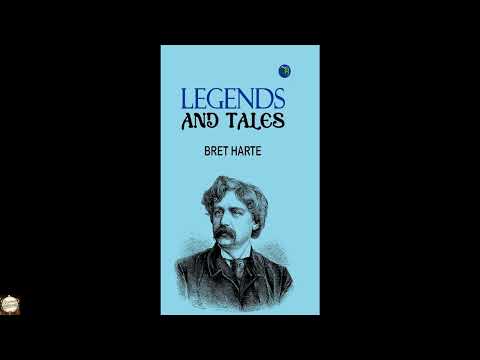
A defining voice of the American frontier, Francis Bret Harte, known universally as Bret Harte, was born on August 25, 1836, in Albany, New York, and passed away on May 5, 1902, in Camberley, Surrey, England. His early years saw him largely self-educated, cultivating a keen intellect through voracious reading. At the age of seventeen, in 1853, Harte traveled west to California, a move that would fundamentally shape his literary output and cement his place in American letters. He held various jobs during this period – schoolteacher, express messenger, newspaper typesetter – experiences that gave him an intimate understanding of the unique characters and rugged landscapes of the Gold Rush era.
Harte found his calling in writing, contributing to California periodicals like *The Golden Era* and *The Californian*. His true literary ascent began in 1868 when he became the editor of *The Overland Monthly*, a newly founded literary magazine for which he agreed to write a story for each issue. His first contribution, "The Luck of Roaring Camp," immediately captured the public imagination and marked his arrival as a significant literary talent. The story depicted the transformation of a rough-and-tumble mining camp after the arrival of an orphaned baby, bringing a blend of realism and sentiment to the untamed West. This work helped to establish the distinctive "local color" school of American writing.
He followed this success with numerous other tales that vividly brought the California frontier to life. "The Outcasts of Poker Flat" portrays a group of morally ambiguous individuals expelled from a mining town and their unexpected acts of compassion. His novel *M’liss* tells of a wild, uneducated girl’s growth and burgeoning affections in the midst of a frontier community. *Gabriel Conroy* further expands on the lives and challenges of early Californian settlers, following their intertwined fates after a mountain disaster. Harte also penned memorable poems such as "The Heathen Chinee," a humorous look at racial stereotypes through the eyes of a prejudiced miner. Other notable works include *Snow-Bound At Eagle's*, about a mysterious stranger disrupting a remote mountain lodge, and *Mr. Jack Hamlin's Mediation*, which further develops the character of the suave gambler, Jack Hamlin, known for his wit and hidden depths.
Harte’s writing style often combines realistic dialect and descriptive detail with elements of sentimentality and melodrama. He excelled at creating memorable character types – the gruff but good-hearted miner, the fallen woman with a hidden past, the resourceful frontiersman – often revealing their inherent humanity beneath rough exteriors. A recurring theme in his work is the clash between civilization and wilderness, and the unpredictable nature of human morality in a lawless environment. For example, in "Tennessee's Partner," the deep, unwavering loyalty between two disreputable men, one of whom faces a hanging, stands in stark contrast to their otherwise questionable lives, illustrating Harte’s interest in unexpected virtue.
Bret Harte holds a foundational place in American literary history as one of the pioneers of regional fiction and the primary architect of the "Western" genre. His stories introduced the world to the unique characters, landscapes, and social dynamics of the California Gold Rush, shaping the popular imagination of the American West for generations. He influenced countless writers who followed, solidifying the archetypes and narrative conventions that would come to define Western literature. His early success also brought American fiction unprecedented international recognition. His keen observations and enduring narratives continue to resonate, offering a window into a pivotal era. Listening to his stories today as a free audiobook allows us to reconnect with these foundational tales and the vivid world he so masterfully created.
More on Wikipedia →