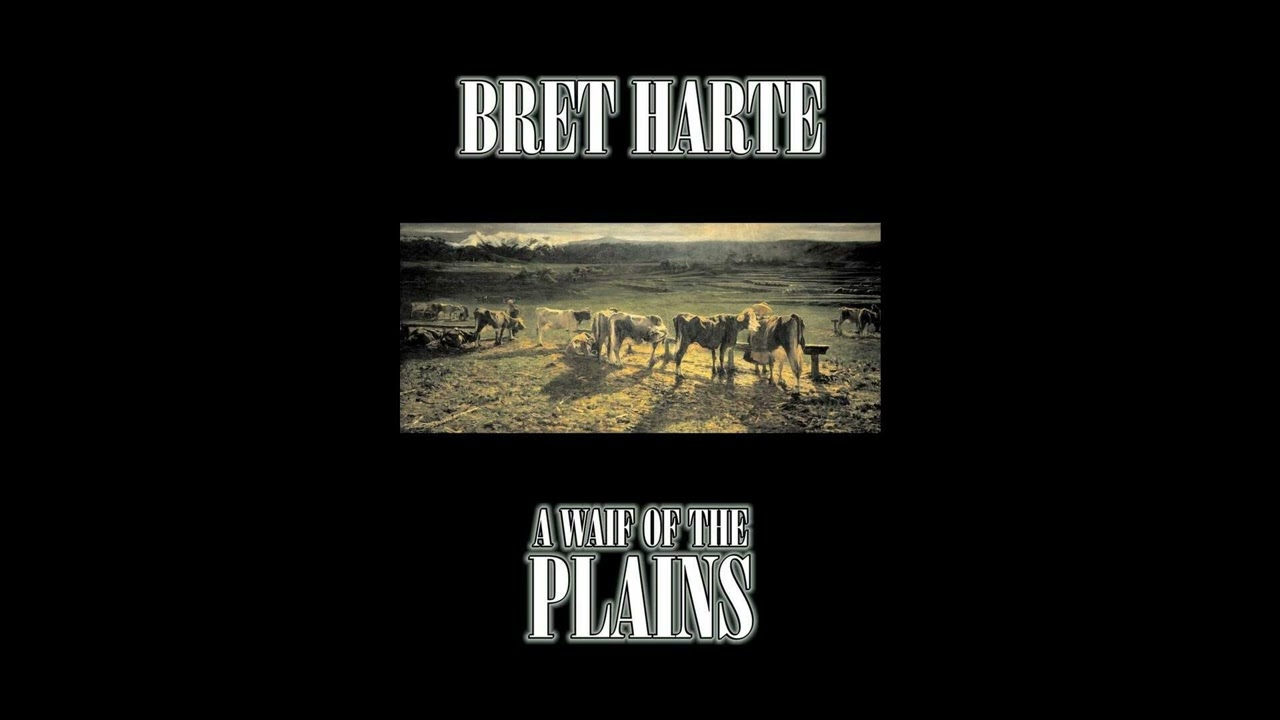
A Waif of the Plains
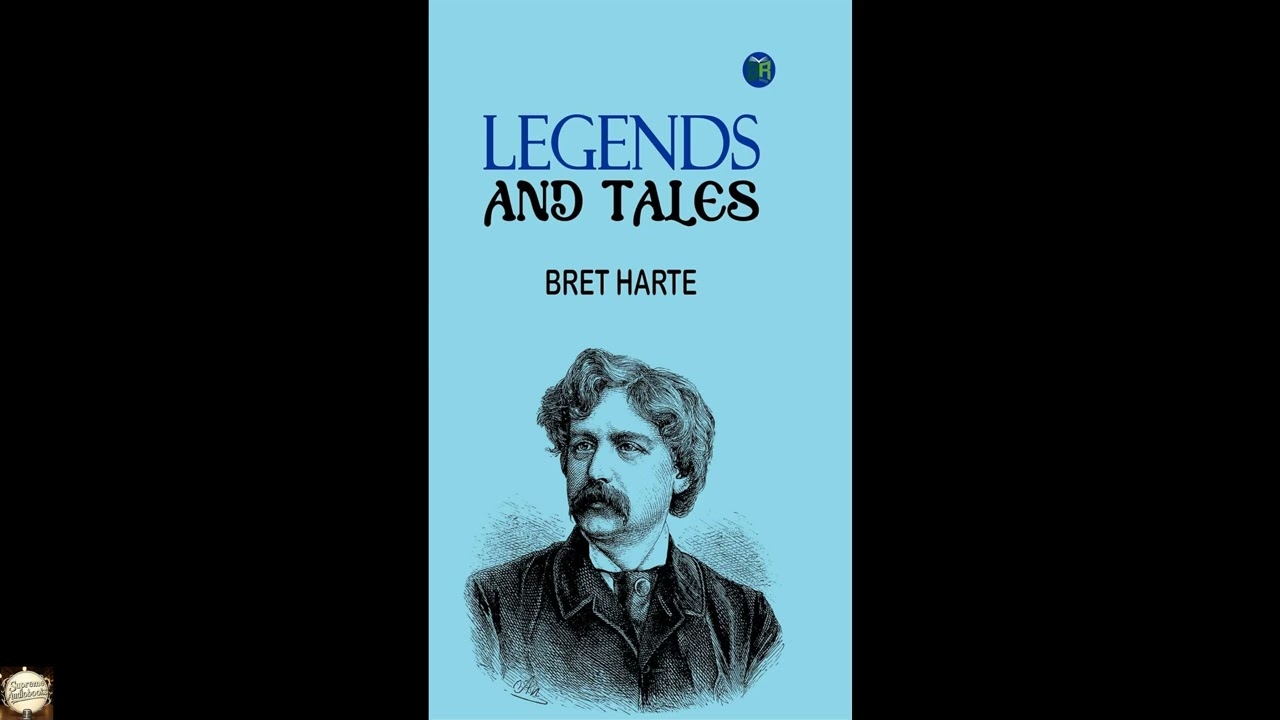
Step onto the windswept canvas of the American West, a landscape both breathtakingly beautiful and brutally unforgiving, with Bret Harte's "A Waif of the Plains." This classic tale brings to vivid life the California frontier in the wake of the Gold Rush, viewed through the wide, hopeful eyes of a young boy facing the world alone. It's a foundational story in the canon of American literature, offering a unique blend of adventure, human drama, and the raw, unpolished spirit of a nation finding its footing. Even today, the struggles of its protagonist—for belonging, safety, and a place to call home amidst chaos—resonate deeply, reminding us that the search for identity is a universal human experience, regardless of the era or the rugged terrain. The story introduces us to John Milton, or simply "Milton," a young orphan whose early life is defined by displacement and uncertainty. Separated from his family in a violent clash with Native Americans on the vast plains, he is rescued and taken in by a rough but good-hearted couple, a miner and his wife, who offer him a fragile semblance of home. This adoptive family soon finds themselves moving westward to California, hoping to make their fortune in the booming, chaotic Gold Rush camps. Milton’s world is one of constant flux, where kindness can be found in unexpected places, and danger lurks just beyond the next dusty rise. As Milton grows, his path diverges from his adoptive parents, setting him adrift once more into the heart of the frontier. He encounters a colorful array of characters: grizzled prospectors, cynical gamblers, reformed outlaws, and resilient women—each one a product of the harsh environment, bearing their own secrets and scars. The narrative follows Milton’s quest for identity and his persistent longing for the "Uncle Billy" he vaguely remembers from his earliest childhood, whose memory serves as a distant, guiding star. His experiences are a testament to the resilience of the human spirit in the face of relentless adversity, showcasing how a young boy can forge his own path in a world that often seems intent on breaking him. Bret Harte, born Francis Bret Harte in Albany, New York, in 1836, became synonymous with the literature of the American West, though his origins were firmly East Coast. At the age of 18, in 1854, he moved to California, a move that would define his literary career. He spent years working various odd jobs—miner, express messenger, teacher, journalist—absorbing the unique atmosphere and meeting the eccentric personalities that populated the booming frontier. This direct experience provided him with an unparalleled understanding of the region's people and landscape, which he would later distill into his groundbreaking stories. Harte rose to national prominence with his short stories, particularly "The Luck of Roaring Camp" and "The Outcasts of Poker Flat," published in the late 1860s. These works introduced a new kind of American literature, blending sentimentalism with stark realism, focusing on the morally ambiguous characters of the frontier—prostitutes, gamblers, and outlaws—and revealing their underlying humanity and capacity for sacrifice. He was a pioneering figure in American literary realism and regionalism, instrumental in bringing the California experience to a wide national audience and influencing generations of writers who followed, solidifying the archetypes of the Western genre. Harte's later life saw him serving in U.S. diplomatic posts in Europe, where he continued to write, though he never quite recaptured the initial success and impact of his early California tales. He passed away in 1902 in England. "A Waif of the Plains" powerfully enacts several enduring themes. Central among these is the theme of innocence confronting experience. Young Milton, despite the brutal world he navigates, retains a fundamental goodness and an unwavering belief in a better future, often seeing the best in the hardened individuals he encounters. This perspective highlights the inherent decency that can exist even within the most cynical of frontiersmen, often revealing moments of unexpected kindness and protection from those who might otherwise seem irredeemable. His childlike optimism acts as a mirror, reflecting the capacity for virtue in a seemingly lawless land. Another significant theme is the formation of unconventional families and communities in transient settings. The bonds Milton forms are not always traditional, but they are often profound and life-sustaining. The rough-and-tumble miners and settlers, though living on the fringes of society, frequently display a fierce loyalty and a communal spirit when faced with shared hardships. The story demonstrates how mutual dependence in a dangerous environment can forge ties as strong as blood, revealing the adaptability and resourcefulness of humanity in creating social structures even in the absence of established institutions. To immerse yourself in Harte's vision of the American frontier, listening to "A Waif of the Plains" as an audiobook is an ideal choice. The several hours of narration allow the story to unfold at a natural pace, inviting you to live alongside Milton through his trials and triumphs. A skilled narrator brings to life the distinct voices of the frontier’s inhabitants—the gravelly tones of prospectors, the sharp wit of saloon keepers, and the quiet determination of those simply trying to survive. Pay attention to how the narration conveys the expansive atmosphere of the plains, the subtle shifts in emotion, and the rhythmic cadences of Harte's prose. The spoken word allows the authentic dialogue and the evocative descriptions of the Western landscape to truly transport you to a bygone era, letting the dust, the struggle, and the enduring hope of Milton's world unfold around you.
Enjoyed A Waif of the Plains? A few ways to support us
Audible & Amazon links are affiliate; we may earn a small commission at no extra cost.
About this production
Human narration by a volunteer reader from LibriVox.org, the public-domain audiobook project. LibriVox volunteers record literary works whose copyright has expired in the United States, releasing the resulting recordings into the public domain.
A Waif of the Plains by Bret Harte. The underlying text is in the U.S. public domain. We do not republish any modern copyrighted edition, translation, or commentary.
The 4K cinematic visuals accompanying this audiobook are generated by an AI image model from prompts derived from the source text. No copyrighted photos, paintings, or stock footage are used. AI generation is disclosed on every video on our YouTube channel as required by YouTube's altered/synthetic content policy.
English subtitles are transcribed from the LibriVox recording with OpenAI Whisper. Translations into the 11 other supported languages are produced by Meta's NLLB-200 neural translation model. No human translator's copyrighted translation is used.
Questions about sourcing or rights? See our DMCA & Sourcing policy or contact us.
Enjoyed this audiobook?
If you'd like to own a copy of A Waif of the Plains or hear a professionally produced edition, the links below help support free audiobook production at no extra cost to you.
As an Amazon Associate we earn from qualifying purchases. Audible / print links are affiliate.