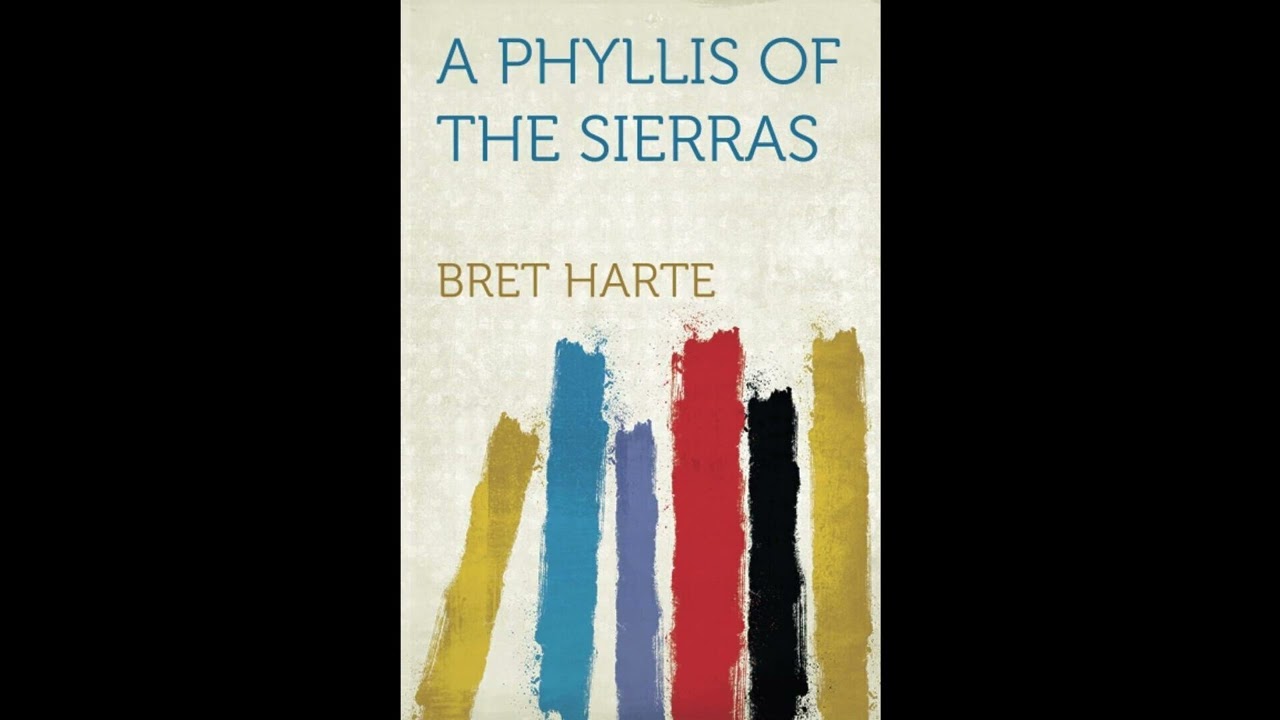
A Phyllis of the Sierras
Step into a landscape where human nature is as rugged and unpredictable as the mountains that frame it, where the glint of gold is matched only by the unexpected glimmer of decency in the hearts of men and women. Bret Harte's "A Phyllis of the Sierras" offers a singular lens into the American West, not merely as a frontier of expansion but as a crucible for character. This novella, though perhaps less widely known than some of Harte’s celebrated short stories, encapsulates his enduring appeal: a knack for distilling the vast drama of the Gold Rush into intimate human narratives, portraying lives forged in hardship with a blend of keen observation and profound empathy. It remains a resonant reminder that stories of resilience, unexpected connection, and the surprising depths of the human spirit never truly fade. The setting for "A Phyllis of the Sierras" is the formidable Sierra Nevada mountains during the California Gold Rush – a world defined by its raw beauty, its brutal challenges, and the motley collection of dreamers, desperadoes, and the simply desperate it drew. Into this environment, which is as much a character as any person, steps Phyllis, a young woman whose very name evokes a classical, pastoral innocence seemingly at odds with the rough-hewn reality of the mining camps. Her arrival, or perhaps her unexpected presence in such a place, immediately sets up a central tension. How will this delicate figure navigate a world where refinement and convention are scarce commodities, replaced instead by the stark necessities of survival and the often-unspoken codes of a transient community? As the narrative unfolds, Phyllis finds herself amidst a collection of individuals typical of Harte's West: miners with hardened hands but potentially soft hearts, figures with shadowy pasts seeking new beginnings, and women carving out existences in a male-dominated land. Her interactions reveal the hidden dynamics and unwritten rules of this society. The story meticulously builds toward a central emotional conflict, drawing out the complexities of human relationships formed under duress. Whether it is a blossoming romance with a gruff, enigmatic suitor, a test of her own resilience, or an unearthing of long-buried secrets, the arc of the narrative is less about the pursuit of gold and more about the discovery of self and the forging of unexpected bonds in the crucible of the mountains, all without revealing the story’s ultimate surprising resolutions. Bret Harte, born Francis Bret Harte in Albany, New York, in 1836, left an indelible mark on American letters. At the age of eighteen, he relocated to California in 1854, a move that would fundamentally shape his literary output. He worked a fascinating array of jobs – miner, express messenger, teacher, and journalist – experiences that provided him with a rich repository of characters, settings, and dialect. It was during his tenure as the editor of "The Overland Monthly" that he achieved widespread fame, publishing stories that would become immediate classics, including "The Luck of Roaring Camp" and "The Outcasts of Poker Flat." These works, alongside "Miggles" and "Tennessee's Partner," not only captivated readers but also established Harte as a foundational figure in American literature. Harte is often credited as a pioneer of the "local color" movement, a literary trend that sought to capture the distinct customs, dialects, and landscapes of specific regions. His ability to blend realism with a touch of romanticism, presenting the often-gritty lives of frontiersmen and women with an underlying dignity and even pathos, set him apart. He created enduring archetypes: the gruff gambler with a hidden heart of gold, the fallen woman capable of redemption, and the seemingly simple miner possessed of profound loyalty. While he spent his later years in the United States diplomatic service in Germany and Scotland, eventually settling permanently in England until his death in 1902, it was his keen observations of the California frontier that cemented his place in the literary canon, influencing generations of writers of Western fiction and beyond. At its core, "A Phyllis of the Sierras" enacts several of Harte's most potent themes, one being the prevalent idea of redemption and hidden virtue. In a setting often associated with lawlessness and greed, Harte consistently reveals the unexpected goodness beneath rough exteriors. A gruff miner, initially seen through the lens of societal prejudice, might perform an act of selfless generosity, or a character dismissed as uncouth might demonstrate profound loyalty. This story, through the interactions surrounding Phyllis, subtly illustrates how circumstances can strip away pretensions, revealing the intrinsic worth of individuals regardless of their past or station. Another crucial theme is the stark contrast between appearance and reality. Phyllis, with her evocative name, likely embodies a certain cultivated refinement. Yet, the Sierras demand a different kind of strength, challenging preconceived notions of what constitutes capability or vulnerability. Harte often uses his characters to dismantle stereotypes, showing how a person’s external presentation can belie a complex inner life or an unexpected capacity for courage and adaptation. This dynamic is central to understanding the personal growth and revelation that occur within the novella, proving that true character is often forged not in comfort, but in adversity. A third strong theme is the impact of the natural world on human character, with the imposing Sierra Nevada mountains serving as both a formidable obstacle and a silent witness, shaping the lives and decisions of those who dare to live within their shadow. When "A Phyllis of the Sierras" was written, America was in a period of intense transformation following the Civil War. The nation was looking westward, both literally for new opportunities and metaphorically for a defining sense of national identity separate from its European roots. The Gold Rush, though its initial fever had subsided, remained a powerful mythic force, representing a unique chapter in American history characterized by untamed landscapes, rapid social change, and the mingling of diverse peoples. Harte's stories emerged precisely at a moment when there was a burgeoning appetite for narratives that captured this distinct American experience, portraying a nascent culture in a raw, vital state. His detailed descriptions of regional life, dialect, and social customs perfectly aligned with the rising tide of realism and regionalism in American literature, providing readers across the country with vivid glimpses into an often-romanticized, yet genuinely rugged, frontier. Listening to "A Phyllis of the Sierras" as an audiobook offers a uniquely immersive way to experience Bret Harte's literary artistry. Harte’s prose, with its keen observations and often poignant undertones, truly comes alive when spoken. The subtle humor, the moments of stark emotional honesty, and especially the distinct dialects of his frontier characters are rendered with depth and authenticity by a skilled narrator. The several hours of running length provide ample time to settle into the world of the Sierras, allowing the listener to absorb the atmosphere of the Gold Rush era without interruption. Pay attention to the narrator’s pacing, which can underscore the tension of a scene or the quiet beauty of a natural description, and notice how the voices differentiate the unique personalities, allowing the listener to fully appreciate the dramatic shifts and unexpected virtues that define this compelling story.
Enjoyed A Phyllis of the Sierras? A few ways to support us
Audible & Amazon links are affiliate; we may earn a small commission at no extra cost.
About this production
Human narration by a volunteer reader from LibriVox.org, the public-domain audiobook project. LibriVox volunteers record literary works whose copyright has expired in the United States, releasing the resulting recordings into the public domain.
A Phyllis of the Sierras by Bret Harte. The underlying text is in the U.S. public domain. We do not republish any modern copyrighted edition, translation, or commentary.
The 4K cinematic visuals accompanying this audiobook are generated by an AI image model from prompts derived from the source text. No copyrighted photos, paintings, or stock footage are used. AI generation is disclosed on every video on our YouTube channel as required by YouTube's altered/synthetic content policy.
English subtitles are transcribed from the LibriVox recording with OpenAI Whisper. Translations into the 11 other supported languages are produced by Meta's NLLB-200 neural translation model. No human translator's copyrighted translation is used.
Questions about sourcing or rights? See our DMCA & Sourcing policy or contact us.
Enjoyed this audiobook?
If you'd like to own a copy of A Phyllis of the Sierras or hear a professionally produced edition, the links below help support free audiobook production at no extra cost to you.
As an Amazon Associate we earn from qualifying purchases. Audible / print links are affiliate.