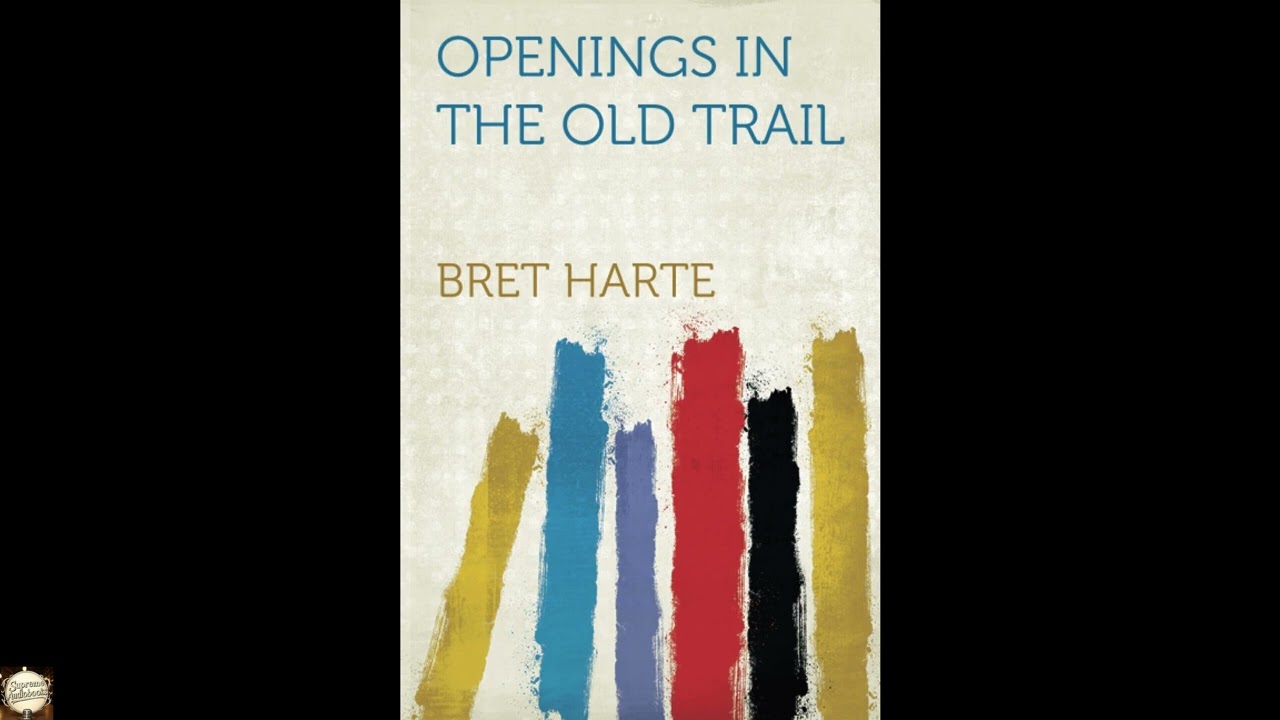
Openings in the Old Trail
Step into the rugged, untamed heart of the American West with Bret Harte’s Openings in the Old Trail, a collection that pulls back the curtain on a landscape and a people forever etched into the national psyche. This isn't merely a set of stories; it's an invitation to experience the very genesis of a uniquely American mythology, a vibrant snapshot of humanity in extremis, grappling with the raw beauty and brutal realities of a nascent frontier. Harte, a foundational voice in American letters, renders a world where rough exteriors often conceal astonishing depths of character, humor, and pathos. For anyone fascinated by the origins of the Western genre, the complexities of human nature under pressure, or simply a good, honest tale well told, this collection offers a profound and thoroughly enjoyable experience that resonates long after the final word. Set predominantly amidst the dusty, gold-strewn landscapes of California during the fervent Gold Rush era and its immediate aftermath, Openings in the Old Trail introduces a parade of characters whose lives are as colorful and unpredictable as the land itself. You will encounter the grizzled prospector, forever chasing the elusive gleam of fortune; the shrewd saloon keeper, whose cynical wisdom masks a surprising code of honor; the fallen woman, burdened by a past but capable of remarkable acts of grace; and the innocent newcomer, whose ideals are tested by the harshness of frontier existence. Each story within this collection functions as a window into a distinct moment, a singular opening along the well-trodden, sometimes worn, pathways of early American expansion, revealing how individuals adapt, struggle, and sometimes triumph when far removed from established society. The central conflict that ties these narratives together is often an intensely personal one: the struggle for survival, the quest for redemption, the search for connection, or the confrontation with one's own moral compass in a lawless land. Whether it's a dramatic showdown between rivals, a quiet act of self-sacrifice, or a comical misunderstanding that reveals deeper truths, Harte consistently shows how the unique environment of the West forged and challenged human character. The stories unfold with a keen eye for human frailty and resilience, rarely offering simple answers but consistently illuminating the unexpected corners of the human heart. While there is no single overarching narrative thread, the collection collectively builds a vivid picture of a particular place and time, where the boundaries between good and evil are often blurred, and heroism can emerge from the unlikeliest sources. Francis Brett Harte, better known as Bret Harte, was born on August 25, 1836, in Albany, New York, and his life story mirrors the very spirit of adventure he immortalized. At the tender age of seventeen, he sought his fortune in California, arriving in 1853 or 1854 during the height of the Gold Rush. This pivotal move dramatically shaped his literary career, providing him with a wealth of experiences and observations that would become the bedrock of his most celebrated fiction. During his years in California, Harte worked a remarkable variety of jobs—miner, teacher, expressman, journalist, printer—all of which immersed him in the diverse culture of the frontier. He eventually found his calling in writing and editing, rising to prominence as the editor of the influential Overland Monthly magazine. It was within the pages of Overland Monthly that Harte published the stories that brought him international fame, most notably "The Luck of Roaring Camp" in 1868 and "The Outcasts of Poker Flat" in 1869. These works not only established his unique voice but also effectively launched the genre of "local color" fiction in America, bringing the distinctive characters and settings of the West to a broad readership. Later in life, after returning East, Harte served as a United States consul in Germany and Scotland, eventually settling in England, where he continued to write prolifically. He passed away on May 5, 1902, in Camberley, Surrey, England, leaving behind a profound legacy as one of the first American authors to truly capture the essence of the Western frontier, influencing generations of writers who followed in his footsteps. His other notable works include the novels Gabriel Conroy and M'liss, alongside numerous other short story collections and poems. At its core, Openings in the Old Trail frequently examines the theme of appearance versus reality, a concept Harte masterfully illustrates through his unforgettable characters. Time and again, he presents individuals whose rough exteriors or checkered pasts belie an inner nobility or surprising capacity for kindness. A seemingly hardened gambler might perform an act of profound generosity, or a notorious outlaw might display a selfless loyalty. This recurring motif challenges the listener to look beyond superficial judgments and recognize the inherent worth and complexity within every person, regardless of their social standing or reputation on the frontier. The collection also powerfully evokes the spirit of the American frontier, portraying not just the physical hardships of the West—the vast, unforgiving landscape, the isolation, the constant struggle for basic necessities—but also the unique social dynamics that arose in these makeshift communities. Another significant theme woven throughout these narratives is the idea of redemption, often found in unexpected places. Harte's characters, whether through a moment of crisis or a slow unfolding of self-awareness, frequently confront their pasts and are offered opportunities for moral growth. These are not always grand, dramatic transformations, but often subtle shifts in perspective or small acts of courage that reveal a character's capacity for change. The tales also carry a sense of nostalgia for a disappearing way of life. Harte wrote as the "old trail" of the untamed West was already yielding to civilization, and his stories often carry a melancholic beauty in their portrayal of a unique cultural moment fading into history, capturing the raw essence of communities and individuals before they were fully absorbed by the march of progress. Openings in the Old Trail emerged during a period of intense national self-reflection and expansion in the United States. Following the Civil War, the nation turned its gaze westward with renewed vigor, driven by ideals of Manifest Destiny and the promise of new opportunities. The California Gold Rush, though a few decades in the past when Harte wrote these stories, had left an indelible mark on the American consciousness, creating a mythical landscape ripe for literary interpretation. Culturally, there was a growing appetite for stories that felt distinctly American, moving away from European literary traditions. Harte was at the forefront of this movement, demonstrating that the unique experiences and regional dialects of the American frontier could provide rich material for serious literature. His success helped define American regionalism and realism, paving the way for authors like Mark Twain and furthering a national literary identity rooted in American experiences and voices. Listening to Openings in the Old Trail as an audiobook offers an exceptionally immersive experience. The narrator's voice becomes the guide through this rough-hewn world, breathing life into Harte's vivid descriptions and distinctive characters. The conversational cadence and often humorous or poignant dialogue are perfectly suited to the audio format, allowing the listener to fully appreciate the authentic vernacular of the period and the unique personalities of the prospectors, gamblers, and settlers. Over its several hours run time, these interconnected glimpses of frontier life can be savored during commutes, while tending to household tasks, or simply as a dedicated escape into a bygone era. Pay particular attention to the narrator’s subtle shifts in tone, which highlight Harte's blend of wit, social commentary, and genuine affection for his flawed but deeply human characters, transporting you directly to the dust and drama of the old trail.
Enjoyed Openings in the Old Trail? A few ways to support us
Audible & Amazon links are affiliate; we may earn a small commission at no extra cost.
About this production
Human narration by a volunteer reader from LibriVox.org, the public-domain audiobook project. LibriVox volunteers record literary works whose copyright has expired in the United States, releasing the resulting recordings into the public domain.
Openings in the Old Trail by Bret Harte. The underlying text is in the U.S. public domain. We do not republish any modern copyrighted edition, translation, or commentary.
The 4K cinematic visuals accompanying this audiobook are generated by an AI image model from prompts derived from the source text. No copyrighted photos, paintings, or stock footage are used. AI generation is disclosed on every video on our YouTube channel as required by YouTube's altered/synthetic content policy.
English subtitles are transcribed from the LibriVox recording with OpenAI Whisper. Translations into the 11 other supported languages are produced by Meta's NLLB-200 neural translation model. No human translator's copyrighted translation is used.
Questions about sourcing or rights? See our DMCA & Sourcing policy or contact us.
Enjoyed this audiobook?
If you'd like to own a copy of Openings in the Old Trail or hear a professionally produced edition, the links below help support free audiobook production at no extra cost to you.
As an Amazon Associate we earn from qualifying purchases. Audible / print links are affiliate.