Jimmie Higgins
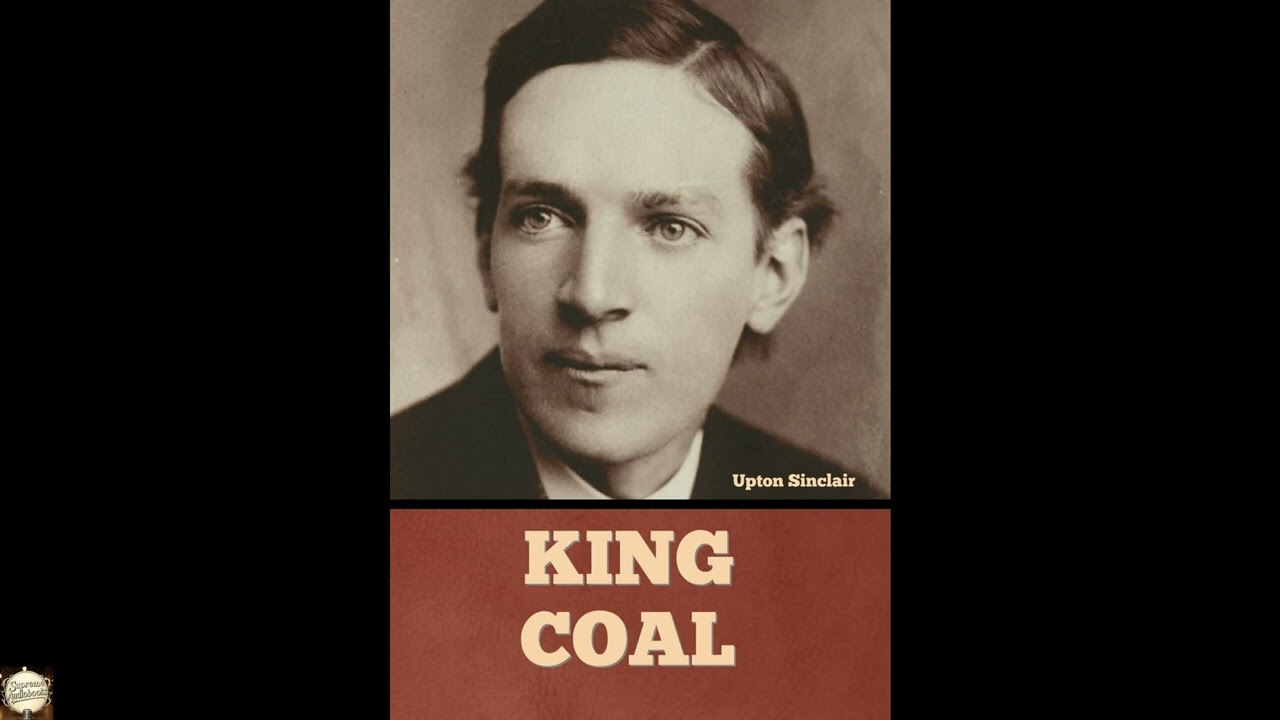
What happens when a man of profound pacifist ideals is swept into the largest, most devastating conflict the world has ever known? Upton Sinclair’s Jimmie Higgins offers a searing, intimate look at the First World War through the eyes of a steadfast American socialist. This powerful novel, born from the crucible of global conflict, remains strikingly relevant today, serving as a poignant reminder of the individual’s struggle against the overwhelming machinery of war, the insidious nature of propaganda, and the enduring challenge of holding onto one's convictions when the world turns upside down. It’s a story not just of a bygone era, but of universal human dilemmas that continue to resonate in times of international tension and ideological fervor. The story introduces us to Jimmie Higgins, a dedicated and earnest working-class printer from America, whose life revolves around his socialist convictions. Before the Great War erupts, Jimmie is a fervent activist, distributing pamphlets, organizing meetings, and championing the cause of international worker solidarity and peace. He believes deeply in the power of collective action and the inherent goodness of humanity, envisioning a world where labor transcends national boundaries and wars are rendered obsolete by the unity of the proletariat. His world is one of hopeful idealism, where debates about economic justice and social change fuel his every waking moment. However, the assassination of Archduke Franz Ferdinand shatters this optimistic vision, igniting a global conflagration that tests Jimmie’s beliefs to their core. As nations descend into battle, Jimmie finds himself caught in a moral whirlwind. He initially supports the American socialist party’s anti-war stance, but his innate desire to help others compels him to join relief efforts in Europe. There, amidst the escalating chaos and suffering, he witnesses the stark realities of combat, propaganda, and nationalistic fervor that clash violently with his pacifist principles. He becomes entangled in circumstances far beyond his humble origins, moving from a neutral helper to someone drawn into the very conflict he despises, his conscience constantly battling with the demands of a world gone mad. Upton Sinclair, the prolific American author, was born in Baltimore in 1878 and lived until 1968, leaving behind a monumental legacy as a "muckraker" and social reformer. His early life was marked by poverty, despite his aristocratic lineage, an experience that deeply shaped his socialist sensibilities and fueled his lifelong crusade for social justice. He became a passionate advocate for the working class and an unwavering critic of industrial capitalism, using his writing as a powerful tool for exposure and change. Sinclair’s place in the American literary canon is defined by his unflinching realism and his dedication to revealing the hidden injustices of society. He wrote nearly 100 books across various genres, but he is perhaps best known for his protest novels. His most famous work, The Jungle (1906), exposed the horrifying conditions of the Chicago meatpacking industry, directly leading to the passage of the Pure Food and Drug Act. Other notable works include King Coal, which dramatized the struggle of coal miners, and Oil!, a fictionalized account of the Teapot Dome scandal. Throughout his long career, Sinclair remained a prominent voice for progressive causes, even running for governor of California on a socialist platform, proving that his activism extended far beyond the written page. At its core, Jimmie Higgins grapples with the profound tension between idealism and reality. Jimmie’s socialist vision of international worker unity, which he steadfastly champions, crumbles under the brutal weight of nationalistic fervor and the horrors of war. We see this vividly as he travels through war-torn Europe, encountering fellow socialists who have abandoned their pacifist principles to fight for their homelands, forcing Jimmie to confront the chasm between theory and practice. Another central theme is the nature of propaganda and truth. Sinclair masterfully illustrates how wartime narratives distort reality, manipulate public opinion, and demonize the enemy. Jimmie frequently finds himself questioning the information he receives, trying to discern the true motivations behind the conflict amidst a barrage of jingoistic slogans and censored news, highlighting the constant struggle for clarity in a fog of war. The novel also foregrounds the plight of the common man in conflict, showing how individuals are buffeted by forces far beyond their control. Jimmie, a simple, earnest soul, tries to make sense of a global catastrophe that defies individual agency, yet he is compelled to act according to his conscience, often with dire personal consequences. This resonates with the theme of pacifism and activism, as Jimmie’s deep-seated anti-war convictions are relentlessly tested. He attempts to maintain his commitment to non-violence and social justice even as he is drawn deeper into the machinery of war, revealing the immense personal cost of adhering to one’s principles when surrounded by violence and moral compromise. Jimmie Higgins emerged at a pivotal moment in history, published in 1919, just as the Great War concluded and its immense human cost was becoming tragically clear. The world was reeling from unprecedented levels of destruction, grappling with the disillusionment that followed the initial patriotic fervor. Culturally and politically, the post-war era was marked by rising socialist movements across Europe and America, anxieties over communist revolutions, and intense debates about the role of the working class in shaping national and international policy. Sinclair, having been a vocal opponent of American involvement in the war, wrote the book as a powerful indictment of capitalism and imperialism, which he viewed as the root causes of the conflict. The work reflects the widespread questioning of traditional power structures and the growing awareness of the human cost of modern warfare. It speaks to a generation grappling with shattered ideals and the grim realities of industrial-scale conflict. Sinclair’s decision to portray the war through the eyes of a socialist activist was a deliberate literary and political statement, aiming to expose the war as an imperialist venture that sacrificed the lives of working people for the benefit of economic elites, urging his readers to consider alternative pathways to peace and justice. Listening to Jimmie Higgins as an audiobook offers a singular opportunity to immerse oneself in the protagonist’s evolving emotional landscape and the shifting sounds of a world in turmoil. The substantial run length allows for a gradual unfolding of Jimmie’s experiences, giving ample time to process the moral dilemmas he faces. A skilled narrator will capture the earnestness of Jimmie’s voice, the growing urgency of his political activism, and the chilling atmosphere of wartime Europe. Pay attention to the pacing as the narrative transitions from the quieter, idealistic debates of pre-war socialism to the harrowing, chaotic scenes of the battlefield and propaganda-laden cities. The dialogue reveals not just plot points but also the clashing ideologies and the personal toll of conflict. The atmospheric details, conveyed through the narrator's interpretation, will draw you into the very heart of Jimmie’s struggle, making his journey a visceral and unforgettable experience.
Enjoyed Jimmie Higgins? A few ways to support us
Audible & Amazon links are affiliate; we may earn a small commission at no extra cost.
About this production
Human narration by a volunteer reader from LibriVox.org, the public-domain audiobook project. LibriVox volunteers record literary works whose copyright has expired in the United States, releasing the resulting recordings into the public domain.
Jimmie Higgins by Upton Sinclair. The underlying text is in the U.S. public domain. We do not republish any modern copyrighted edition, translation, or commentary.
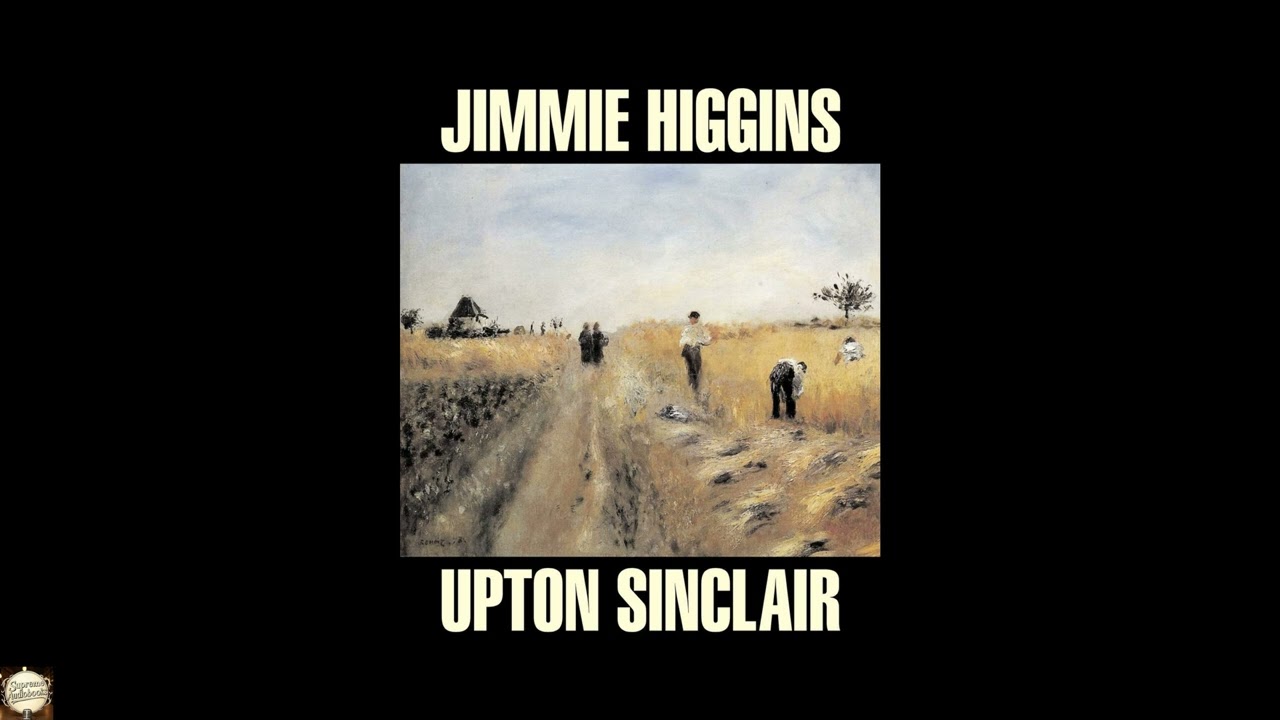
The 4K cinematic visuals accompanying this audiobook are generated by an AI image model from prompts derived from the source text. No copyrighted photos, paintings, or stock footage are used. AI generation is disclosed on every video on our YouTube channel as required by YouTube's altered/synthetic content policy.
English subtitles are transcribed from the LibriVox recording with OpenAI Whisper. Translations into the 11 other supported languages are produced by Meta's NLLB-200 neural translation model. No human translator's copyrighted translation is used.
Questions about sourcing or rights? See our DMCA & Sourcing policy or contact us.
Enjoyed this audiobook?
If you'd like to own a copy of Jimmie Higgins or hear a professionally produced edition, the links below help support free audiobook production at no extra cost to you.
As an Amazon Associate we earn from qualifying purchases. Audible / print links are affiliate.