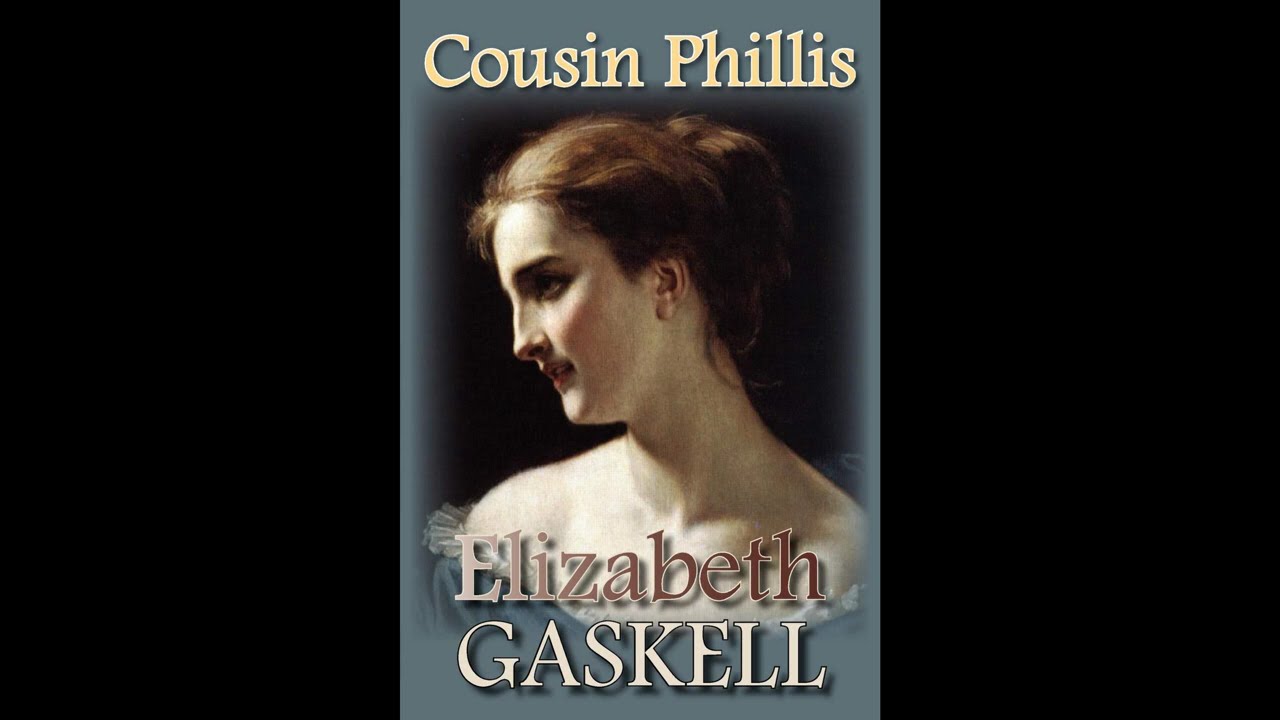
Cousin Phillis
Forget the sprawling epics and grand social critiques often associated with Victorian literature for a moment. Elizabeth Gaskell’s Cousin Phillis stands apart as a quiet, yet deeply resonant, novella – a miniature gem that distills the essence of human emotion, intellectual awakening, and the gentle ache of first love into a story of profound beauty. It offers a refreshing glimpse into a less frenetic corner of England, inviting listeners to ponder questions of innocence, experience, and the subtle ways life shapes a sensitive spirit. In an age demanding constant stimulation, this narrative offers a profound and much-needed invitation to quiet contemplation, reminding us that the most significant events often unfold within the human heart. The story unfolds through the eyes of Paul Manning, a young engineer taking his first professional steps in the world. He finds himself dispatched to a remote, unnamed village in the English countryside, tasked with supervising the construction of a new railway line. There, he becomes acquainted with his distant relatives, the Holmans, who reside in the local rectory. The family consists of the Reverend Holman, a stern but kind Unitarian minister and scholar, his practical and warm wife, and their only daughter, Phillis. Phillis is an extraordinary young woman, unusually educated for her time and gender, equally at home translating Virgil in Latin as she is helping with household chores. She lives a sheltered, intellectually stimulating life, largely isolated from the broader social world, her days divided between scholarly pursuits and the rhythms of the rectory. Paul is immediately struck by Phillis’s unique blend of intellectual prowess and naive simplicity. He observes her with a growing affection and admiration, becoming a bridge between her cloistered existence and the outside world. Their bond deepens through shared conversations, and Paul introduces her to new ideas and experiences, subtly broadening her horizons. The tranquil rhythm of their lives is eventually disrupted by the arrival of Mr. Holdsworth, Paul’s charming and intelligent superior. Holdsworth’s presence introduces a new dynamic into the rectory, and Phillis, still unversed in the complexities of romantic feeling, finds herself drawn to his intellectual companionship and worldly demeanor. This unexpected development sets in motion a series of emotional revelations for Phillis, challenging her understanding of her own heart and the nature of affection itself. The narrative follows her as she grapples with these new feelings, navigating the confusing territory of awakening emotions and the potential for heartbreak, all under the watchful, sympathetic gaze of her cousin Paul. Elizabeth Gaskell (1810-1865) occupied a singular and vital place among Victorian novelists. Born Elizabeth Cleghorn Stevenson, she spent her early years in the Cheshire town of Knutsford, a place that would later inspire the setting for her beloved Cranford. Her marriage to William Gaskell, a Unitarian minister, brought her to industrial Manchester, a city that profoundly influenced her writing. It was here that she witnessed firsthand the stark class divisions and the harsh realities of the Industrial Revolution, themes she would powerfully address in novels such as Mary Barton and North and South. Beyond her social commentary, Gaskell possessed an exceptional ability to render domestic life with tender realism, creating nuanced portraits of women and their struggles within Victorian society. While Gaskell’s larger social novels and the charming Cranford often receive more immediate recognition, Cousin Phillis stands as a testament to her versatility and her exquisite skill in the novella form. Her other notable works include Sylvia's Lovers and Wives and Daughters, her final, unfinished novel. She was also the first biographer of her close friend Charlotte Bronte, writing The Life of Charlotte Bronte, a landmark work that helped shape our understanding of the author of Jane Eyre. Gaskell's writing is characterized by its keen observation, psychological insight, and a compassionate understanding of human nature, earning her a lasting place among the great writers of her era. At its heart, Cousin Phillis confronts the tension between innocence and experience. Phillis’s sheltered upbringing, her profound intellectualism, and her lack of exposure to broader society leave her emotionally unprepared for the complexities of adult relationships. We see this vividly when she misinterprets Mr. Holdsworth’s intellectual camaraderie for a deeper, romantic attachment, a confusion born from her pure, unblemished view of the world. Her scholarly pursuits, while impressive, offer no guide to the turbulence of the human heart, leaving her vulnerable when confronted with genuine affection. The story also deftly examines the clash between traditional agrarian life and the encroaching forces of industrialization, represented by Paul’s engineering work and the railway itself. The railway line, a symbol of progress and modernity, literally cuts through the quiet rural landscape, just as new ideas and feelings disrupt the established peace of the rectory. Furthermore, the narrative thoughtfully considers the nature of love, admiration, and heartbreak. Phillis’s emotional awakening is depicted with a delicate touch, revealing the pain of unrequited affection and the slow, difficult process of recovery. Her initial fervor for Mr. Holdsworth, seen through Paul’s observant eyes, is a poignant portrayal of a young woman discovering the power of her own emotions, even if those emotions are directed towards an elusive figure. Gaskell highlights the quiet strength required to endure personal suffering and the enduring bonds of family that provide solace during emotional upheaval. The novella champions the quiet dignity found in facing life’s disappointments with grace, and the deep, often unspoken, support systems that sustain individuals through their private sorrows. This story emerged in the mid-Victorian period, a time of immense social and economic change in Britain. The Industrial Revolution, which Gaskell often depicted in her larger works, continued to reshape the landscape, bringing both technological advancement and significant social disruption. The expansion of the railway system, a key element of the novella's setting, symbolized this era of progress and connection, yet it also highlighted the gradual erosion of isolated, rural communities. Culturally, the novel was gaining popularity, with a growing readership and a burgeoning literary market. Gaskell's unique position, blending the social realism of her industrial novels with the domestic intimacy of stories like Cranford, allowed her to offer diverse perspectives on this rapidly evolving society. Cousin Phillis offers a microcosmic view of these broader changes, showing how larger societal shifts ripple into the lives of individuals, even in the most seemingly insulated environments. Listening to Cousin Phillis as an audiobook offers a particularly rewarding experience. The novella's gentle pacing and introspective quality are perfectly suited to the spoken word, allowing Gaskell’s subtle prose to truly resonate. A skilled narrator can bring out the quiet dignity of Reverend Holman, the warmth of his wife, and most importantly, the nuanced emotional journey of Phillis herself. The run length makes it an ideal companion for reflective moments, a long walk, or quiet evenings at home. Pay close attention to the descriptive language that evokes the English countryside and the rectory's serene atmosphere, as well as the understated dialogue, which often carries layers of unspoken feeling. The audio format enhances the feeling of being an intimate observer of Paul Manning's recollections, letting Gaskell's compassionate voice guide you through this memorable tale of growth and quiet resilience.
Enjoyed Cousin Phillis? A few ways to support us
Audible & Amazon links are affiliate; we may earn a small commission at no extra cost.
About this production
Human narration by a volunteer reader from LibriVox.org, the public-domain audiobook project. LibriVox volunteers record literary works whose copyright has expired in the United States, releasing the resulting recordings into the public domain.
Cousin Phillis by Elizabeth Gaskell. The underlying text is in the U.S. public domain. We do not republish any modern copyrighted edition, translation, or commentary.
The 4K cinematic visuals accompanying this audiobook are generated by an AI image model from prompts derived from the source text. No copyrighted photos, paintings, or stock footage are used. AI generation is disclosed on every video on our YouTube channel as required by YouTube's altered/synthetic content policy.
English subtitles are transcribed from the LibriVox recording with OpenAI Whisper. Translations into the 11 other supported languages are produced by Meta's NLLB-200 neural translation model. No human translator's copyrighted translation is used.
Questions about sourcing or rights? See our DMCA & Sourcing policy or contact us.
Enjoyed this audiobook?
If you'd like to own a copy of Cousin Phillis or hear a professionally produced edition, the links below help support free audiobook production at no extra cost to you.
As an Amazon Associate we earn from qualifying purchases. Audible / print links are affiliate.