Round the Sofa (1859),
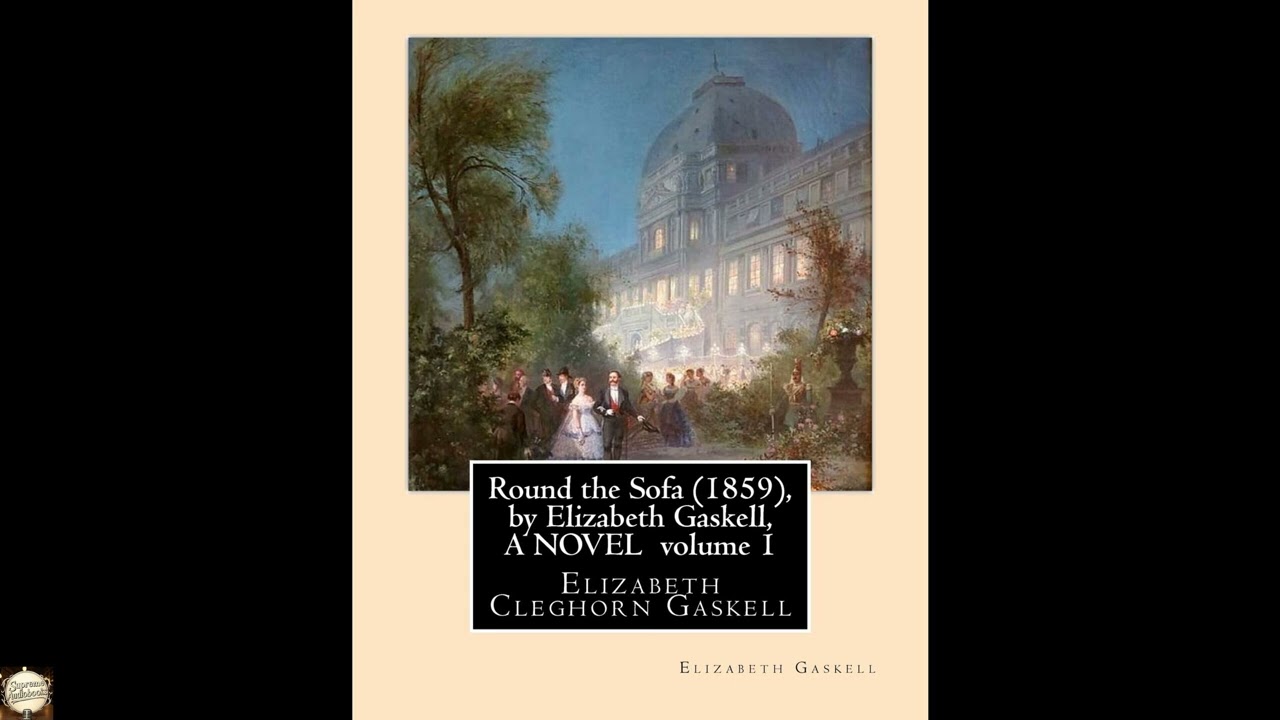
Step into the parlor of a bygone era, where the soft glow of firelight dances across faces gathered in intimate conversation. Elizabeth Gaskell’s Round the Sofa, published in 1859, invites listeners not just to hear stories, but to experience the very act of storytelling as a social art, a shared solace, and a window into the human heart. This collection of linked narratives offers a unique glimpse into Victorian domestic life, where the mundane and the extraordinary intertwine, and everyday interactions reveal profound truths. It stands as a testament to the enduring power of narrative to connect individuals, bridge understanding, and reflect the diverse experiences of a rapidly changing society. For anyone curious about the inner lives of people from another century, or simply drawn to the charm of well-crafted tales, this book presents a literary fireside chat that remains remarkably resonant even today. The central premise of Round the Sofa is an elegant framing device: a group of acquaintances and friends assembles in a comfortable drawing-room, drawn together by the eponymous piece of furniture, and collectively agrees to share stories. Each participant, in turn, contributes a tale, sometimes prompted by a shared memory, an object in the room, or a previous narrative. The setting itself is a character, a space of warmth and confidence where personal histories and local legends can unfold without judgment. The individuals around the sofa represent various social strata and temperaments, from the sensible hostess to the more eccentric guest, each bringing a unique voice and perspective to their chosen anecdote. As the tales unfold, we are transported from quiet English villages to more dramatic landscapes, encountering a gallery of memorable characters – the innocent young woman confronting societal expectations, the isolated figure guarding a secret, or the steadfast individual navigating a moral dilemma. The "central conflict" isn't a single overarching plot but rather the subtle interplay between the storytellers, their reactions to each other's narratives, and the way these individual accounts collectively paint a nuanced picture of life's complexities. The arc of the story lies in the accumulation of these varied experiences, creating a collective understanding of human nature, love, loss, and resilience, without ever resolving into a singular, conventional plot twist. Elizabeth Gaskell (born Elizabeth Cleghorn Stevenson in 1810, died in 1865) was a prominent Victorian author whose compassionate observations of society placed her among the most significant literary figures of her time. Born in London but largely raised in Knutsford, Cheshire—a town that would later inspire her beloved novel Cranford—Gaskell’s life was deeply rooted in the heart of England. In 1832, she married William Gaskell, a Unitarian minister, and settled in Manchester, an industrial powerhouse whose stark social contrasts profoundly influenced her writing. It was the tragic death of her infant son in 1845 that prompted her husband to encourage her to write as a form of solace, leading to her first novel, Mary Barton, in 1848. Gaskell’s literary output was prolific and diverse, encompassing social novels that grappled with industrial strife, such as North and South, and poignant studies of provincial life, including Wives and Daughters and the aforementioned Cranford. She became a close friend of Charles Dickens, who serialized many of her works in his journals Household Words and All the Year Round. Beyond her fiction, Gaskell also penned one of the most acclaimed biographies in English literature, The Life of Charlotte Bronte, a testament to her deep respect for her fellow author and her skill in non-fiction prose. Her writing consistently championed the overlooked, offering nuanced portrayals of working-class lives and the struggles faced by women in Victorian society, securing her lasting place in the canon of realist literature. Round the Sofa acts out several key themes that run through Gaskell’s larger body of work, beginning most prominently with the power of storytelling itself. The very structure of the book, with characters taking turns to narrate, emphasizes how shared narratives forge bonds, transmit wisdom, and allow individuals to process their experiences. Consider how the different voices around the sofa—perhaps a pragmatic businessman or a reflective older woman—frame their anecdotes, each imbuing their tale with personal philosophy or a unique moral, demonstrating how the same events can be perceived and remembered in vastly different ways, yet all contribute to a richer collective understanding. Another central idea is social observation and the exploration of class distinction. Gaskell often used individual stories to illuminate broader societal structures. Within Round the Sofa, the varied backgrounds of the storytellers hint at the intricate social fabric of Victorian England. A specific anecdote might highlight the subtle etiquette between servant and mistress, or reveal the differing expectations placed upon individuals based on their family name or economic standing. Gaskell skillfully uses these details to reveal both the constraints and the surprising connections that existed across social divides, showing how personal histories are always intertwined with the larger societal landscape, even in the most intimate of settings. The theme of domesticity and the female experience is also present, with many of the stories, and certainly the overarching framing, centered on the home and the roles women played within it, showcasing their resilience, quiet strength, and intellectual contributions. The mid-Victorian period, when Round the Sofa was conceived and published in 1859, was a time of immense social and cultural transformation in Britain. The Industrial Revolution had irrevocably altered the landscape, giving rise to new social classes, rapid urbanization, and significant disparities between wealth and poverty. While Gaskell’s more famous industrial novels directly confronted these issues, Round the Sofa reflects a different aspect of the era: the growing importance of domesticity as a sphere of intellectual and emotional life, especially for women. Literature itself was evolving, with the novel gaining prominence as a popular form, often serialized in magazines, making it accessible to a wide readership. Authors like Gaskell were not merely entertainers; they were also social commentators, using their fiction to subtly or overtly critique the norms and injustices of their age. Round the Sofa, with its focus on intimate gatherings and the art of conversation, perhaps emerged as a counterpoint to the external chaos of the age, offering a space for reflection, morality, and human connection amidst rapid change. Listening to Round the Sofa as an audiobook offers a uniquely fitting experience, perfectly suited to its structure and essence. The very concept of people gathering to tell stories lends itself naturally to the spoken word. A skilled narrator can bring to life the distinct voices and personalities of the various storytellers around the sofa, giving each tale a unique inflection and rhythm. The pacing of the narration can echo the ebb and flow of a natural conversation, drawing listeners into the intimate atmosphere of the Victorian drawing-room. With several hours of listening time, this collection provides a substantial and engaging experience, allowing the listener to settle in comfortably, much like a guest in that very parlor, and savor each unfolding narrative, appreciating Gaskell’s nuanced dialogue and evocative descriptions as they are presented with clarity and warmth.
Enjoyed Round the Sofa (1859),? A few ways to support us
Audible & Amazon links are affiliate; we may earn a small commission at no extra cost.
About this production
Human narration by a volunteer reader from LibriVox.org, the public-domain audiobook project. LibriVox volunteers record literary works whose copyright has expired in the United States, releasing the resulting recordings into the public domain.
Round the Sofa (1859), by Elizabeth Gaskell. The underlying text is in the U.S. public domain. We do not republish any modern copyrighted edition, translation, or commentary.
The 4K cinematic visuals accompanying this audiobook are generated by an AI image model from prompts derived from the source text. No copyrighted photos, paintings, or stock footage are used. AI generation is disclosed on every video on our YouTube channel as required by YouTube's altered/synthetic content policy.
English subtitles are transcribed from the LibriVox recording with OpenAI Whisper. Translations into the 11 other supported languages are produced by Meta's NLLB-200 neural translation model. No human translator's copyrighted translation is used.
Questions about sourcing or rights? See our DMCA & Sourcing policy or contact us.
Enjoyed this audiobook?
If you'd like to own a copy of Round the Sofa (1859), or hear a professionally produced edition, the links below help support free audiobook production at no extra cost to you.
As an Amazon Associate we earn from qualifying purchases. Audible / print links are affiliate.