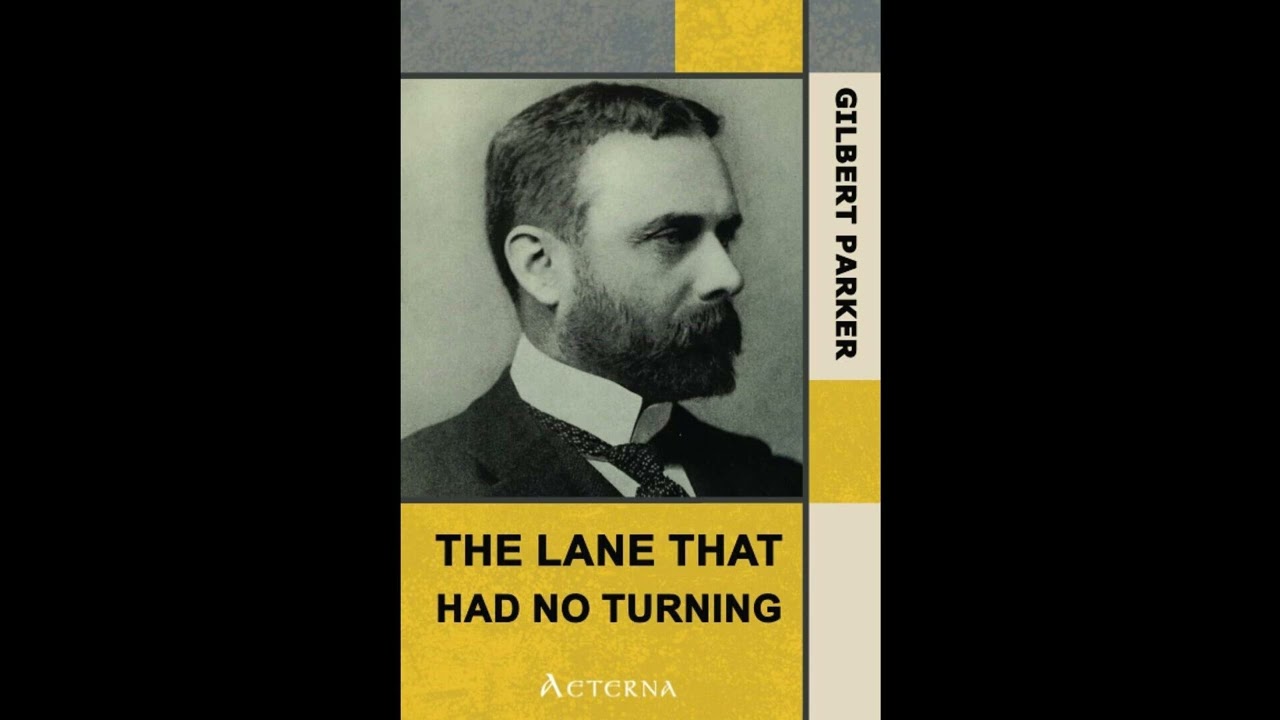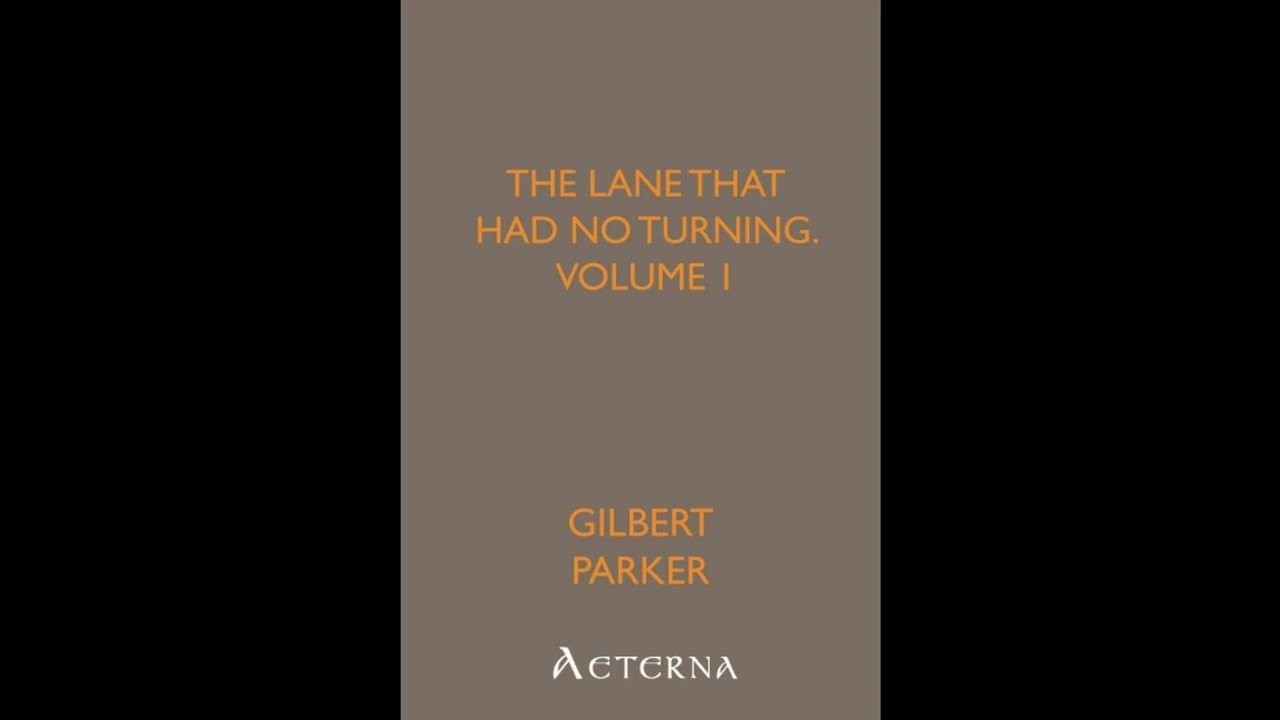
The Lane That Had No Turning, Volume 1
Step into the evocative world of Old Quebec with Gilbert Parker’s The Lane That Had No Turning, Volume 1, a novel that transports listeners to a community grappling with the currents of change at the turn of the twentieth century. This is not merely a story of historical charm; it is a probing examination of ambition, loyalty, and the indelible mark of one’s origins, themes that continue to resonate deeply in our contemporary landscape. Parker's vivid portrayal of a society caught between tradition and progress offers a window into the human condition, where personal aspirations often collide with deeply held communal values, forcing individuals to confront the difficult choices that define a life and, indeed, determine a destiny. Listeners today will find much to ponder in the struggles of its characters, whose dilemmas about identity, responsibility, and the nature of true influence feel as pertinent now as they did over a century ago. The narrative unfolds in the small, insular parish of Pontiac, a fictional corner of Quebec steeped in French-Canadian custom and tradition. At its heart is Louis Racine, a young man of undeniable charisma and intellect, whose burgeoning political ambitions threaten to pull him away from the familiar comfort and strictures of his rural upbringing. Louis, a lawyer by profession, finds himself increasingly drawn to the broader stage of provincial politics, a world far removed from the quiet lanes and close-knit gossip of Pontiac. His mother, Madame Racine, a formidable figure in her own right, embodies the steadfast virtues and unyielding expectations of the community, often serving as a moral compass or, at times, a formidable obstacle to Louis’s more worldly aspirations. The central conflict quickly emerges as Louis’s desire for advancement and his vision for Pontiac—often involving the introduction of modern ideas and infrastructure—clash with the deeply conservative nature of his neighbors and the powerful influence of the local church. He navigates a complex web of relationships, from the unwavering loyalty of his childhood friends to the strategic maneuvering of political rivals, all while wrestling with his own conscience. The title itself hints at the profound choices Louis must make, suggesting a path from which there can be no return once taken, an inevitable consequence of certain decisions. Volume 1 sets the stage for these momentous struggles, charting Louis’s initial ascent and hinting at the profound moral and personal costs that lie ahead as he strives to reconcile his love for his home with his burning desire to make a larger impact on the world. Gilbert Parker, born in Canada in 1860, was a significant literary figure whose varied career saw him move from journalism to acclaimed historical novelist and eventually to a distinguished political life as a Member of Parliament in Britain. Parker’s early years were spent in Ontario, where he began his career in education before turning to journalism in Australia. His experiences traveling extensively provided him with a rich backdrop for his fiction, which frequently drew on Canadian history and the unique cultural landscape of French Canada. He quickly gained popularity in the late Victorian and Edwardian eras, becoming one of the most widely read authors of his time, admired for his compelling narratives and vivid characterizations. Among his many successful works are The Right of Way, another novel deeply rooted in Quebec, and The Seats of the Mighty, which explores political intrigue and social dynamics within Canada. Parker's fiction often romanticized aspects of colonial life and the British Empire, yet also provided nuanced depictions of local cultures and the challenges of nation-building. He played a notable role in shaping popular perceptions of Canada for an international audience, establishing himself as a key voice in the literature of the British imperial imagination while also offering detailed, affectionate portraits of his native land. His passing in 1932 marked the end of an era for a writer who successfully bridged the worlds of literature and public service. The Lane That Had No Turning enacts several profound themes through its unfolding drama. One prominent theme is the enduring tension between tradition and modernity. Pontiac, with its steadfast adherence to old customs and its resistance to external influences, serves as a microcosm for this conflict. Louis Racine, with his ambition to bring progress and change, frequently finds himself at odds with the deeply entrenched beliefs of the villagers and the powerful, conservative voice of the local clergy. For instance, the community’s skepticism towards new technologies or political ideologies directly reflects this struggle, as they weigh the perceived benefits of advancement against the comfort and certainty of their established way of life. Another central theme revolves around ambition and personal integrity. Louis's journey forces him to confront the moral compromises often demanded by a life in public service. He grapples with the ethical dilemmas of political maneuvering, weighing the potential good he might achieve against the purity of his intentions. His internal struggles, particularly when faced with opportunities that require a bending of principles, highlight the difficult balance between personal aspiration and maintaining an honorable character. Furthermore, the novel strongly emphasizes the theme of the unbreakable connection to one’s origins and community. Louis’s love for Pontiac, despite his desire to leave and forge a different path, remains a constant force, illustrating how one’s home and heritage often dictate the very shape of one’s identity and ultimately, one’s choices. When The Lane That Had No Turning was published around 1900, the world was on the cusp of significant change. The British Empire, though still vast, was beginning to face new challenges, and Canada itself was evolving, grappling with questions of national identity within the larger imperial framework. It was a period marked by rapid industrialization, social reform movements, and intensifying political debates across Western nations. Literarily, the turn of the century saw a continued appetite for historical romances and adventure stories, often set in exotic or colonial locales, a genre in which Parker excelled. Authors like Rudyard Kipling and H. Rider Haggard captivated readers with tales of empire, and Parker's works fit squarely into this popular trend, offering readers a window into a distinct Canadian setting while echoing broader imperial concerns. The novel also emerged during a time when French-English relations within Canada were a topic of ongoing discussion, with cultural preservation and political representation being key issues. Parker’s sympathetic and detailed portrayal of French-Canadian life contributed to public understanding and interest in this vibrant culture, offering a counterpoint to more generalized or stereotyped depictions. His work helped to cement a sense of place for French Canada within the broader national literary consciousness, making the particularities of its communities accessible and compelling to a wide readership both at home and abroad. Experiencing The Lane That Had No Turning, Volume 1 as an audiobook offers a uniquely immersive way to engage with Parker's richly drawn world. The narration breathes life into the distinct voices of Pontiac, from the earnest pronouncements of Louis Racine to the subtle humor and wisdom of the villagers, and the dignified tones of the Madame Racine. The several hours of listening time allow for a gradual unfolding of the plot and a deep dive into the historical setting, making it perfect for long drives, quiet evenings, or extended periods of reflective listening. A skilled narrator can beautifully convey the cadence of the period prose, highlighting the nuanced dialogue and the atmospheric descriptions of the Quebec landscape, allowing listeners to truly feel the pull of tradition and the urgency of ambition that defines this compelling story. You will find yourself lost in the quiet streets and the momentous decisions faced by a community on the cusp of an uncertain future.
Enjoyed The Lane That Had No Turning, Volume 1? A few ways to support us
Audible & Amazon links are affiliate; we may earn a small commission at no extra cost.
About this production
Human narration by a volunteer reader from LibriVox.org, the public-domain audiobook project. LibriVox volunteers record literary works whose copyright has expired in the United States, releasing the resulting recordings into the public domain.
The Lane That Had No Turning, Volume 1 by Gilbert Parker. The underlying text is in the U.S. public domain. We do not republish any modern copyrighted edition, translation, or commentary.
The 4K cinematic visuals accompanying this audiobook are generated by an AI image model from prompts derived from the source text. No copyrighted photos, paintings, or stock footage are used. AI generation is disclosed on every video on our YouTube channel as required by YouTube's altered/synthetic content policy.
English subtitles are transcribed from the LibriVox recording with OpenAI Whisper. Translations into the 11 other supported languages are produced by Meta's NLLB-200 neural translation model. No human translator's copyrighted translation is used.
Questions about sourcing or rights? See our DMCA & Sourcing policy or contact us.
Enjoyed this audiobook?
If you'd like to own a copy of The Lane That Had No Turning, Volume 1 or hear a professionally produced edition, the links below help support free audiobook production at no extra cost to you.
As an Amazon Associate we earn from qualifying purchases. Audible / print links are affiliate.