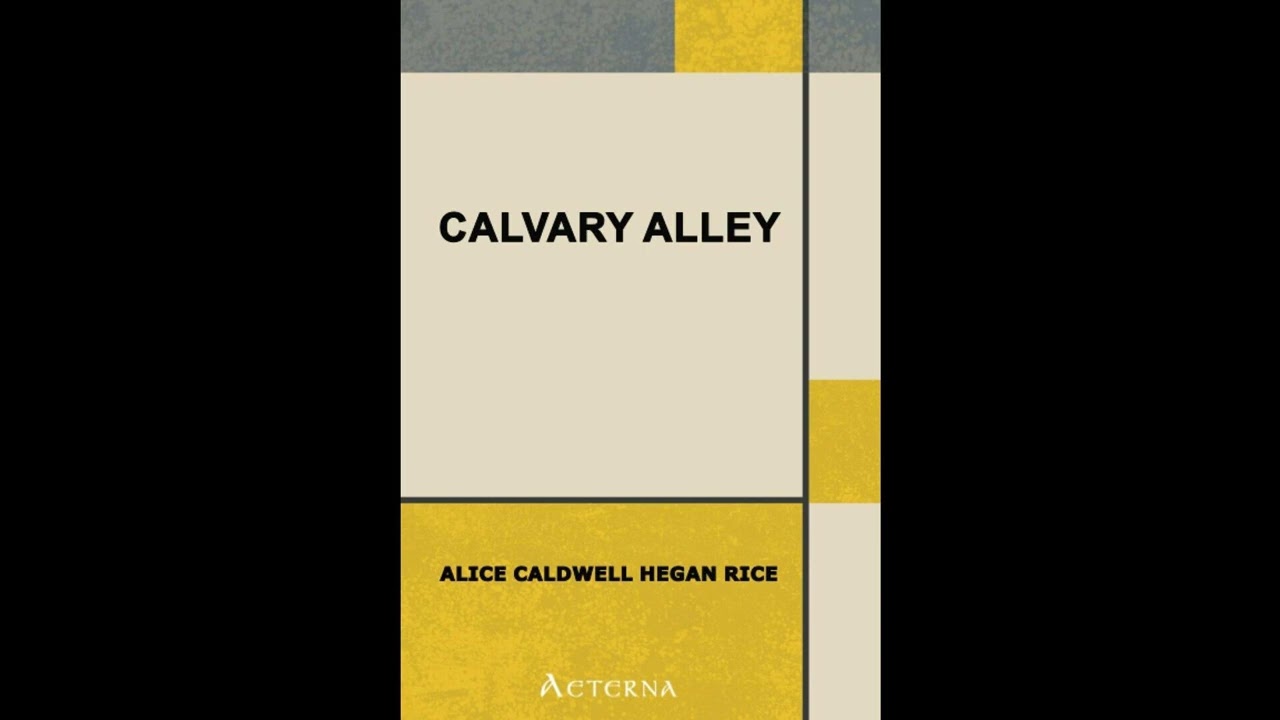
Calvary Alley
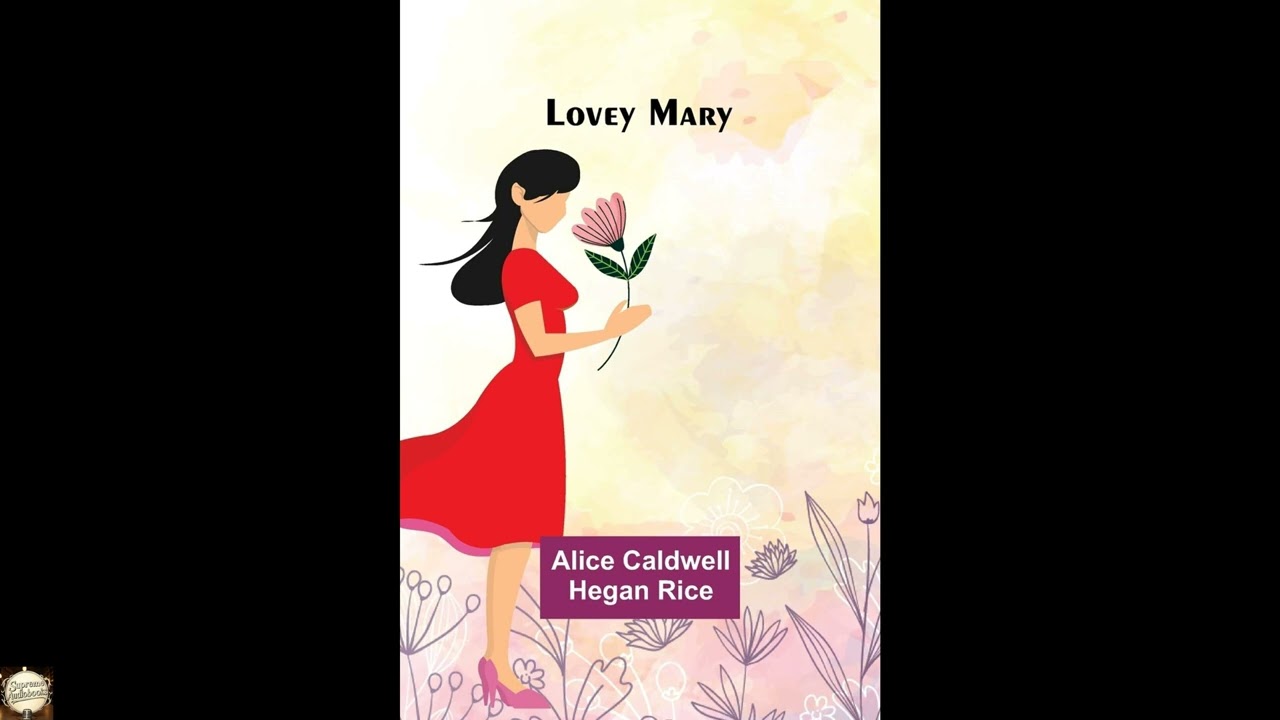
Step into the bustling, often overlooked corners of an American city at the turn of the twentieth century with Calvary Alley, a poignant and spirited novel from Alice Caldwell Rice. This book transports listeners to a particular urban neighborhood where life unfolds with both hardship and an indomitable human spirit. It’s a story that, despite its specific setting and era, resonates today with its heartfelt portrayal of overcoming adversity, the enduring power of community, and the quiet dignity found in everyday lives. As a cherished piece of classic literature, Calvary Alley offers not just a glimpse into a bygone age, but a thoughtful reflection on what it means to live with courage and find beauty amidst struggle, making it a compelling listen for anyone seeking a narrative with both historical charm and emotional depth. The story centers around Carola, a young woman growing up in the titular Calvary Alley, a crowded, working-class street where every day presents its own set of challenges. From her early years, Carola is marked by a fierce independence and a quick wit, qualities that serve her well in an environment that demands resilience. The Alley itself is a character in its own right, a community bound by shared struggles and a surprising capacity for warmth and camaraderie, despite the grime and limited prospects. Carola navigates this world with a keen observational eye and a spirit that refuses to be dampened by poverty or circumstance. Her early life is shaped by the complex dynamics of her family and the colorful personalities of her neighbors—people who are quick to offer both judgment and a helping hand. As Carola matures, she finds herself facing the universal dilemmas of youth: the search for purpose, the complexities of love, and the longing for a life beyond the confines of her familiar surroundings. The central conflict arises from her ambition to rise above her station, not through dramatic escape, but through sheer determination and the cultivation of her own character. She grapples with societal expectations, personal relationships that challenge her assumptions, and the ever-present question of how to maintain her integrity while striving for a better future. The narrative gently follows Carola’s growth, charting her experiences as she learns about human nature, forgiveness, and the true meaning of home, all without revealing the precise path her journey ultimately takes or the resolution of her most pressing dilemmas. Alice Caldwell Rice, born Alice Hegan in Shelbyville, Kentucky, in 1869, became a beloved voice in American letters during the early twentieth century. Her most famous creation, Mrs. Wiggs of the Cabbage Patch, published in 1901, catapulted her to national and international fame, cementing her reputation as a writer capable of evoking both laughter and tears from the lives of ordinary people. Rice spent much of her life in Louisville, Kentucky, where she was not only a prolific author but also an active participant in social causes, particularly working with the settlement house movement. This direct engagement with the lives of the working class deeply informed her writing, lending authenticity and empathy to her portrayals of humble communities. She married poet Cale Young Rice, forming a literary partnership that saw both contribute significantly to the cultural landscape of their time. Alice Caldwell Rice passed away in 1942, leaving behind a legacy of heartwarming stories that continue to resonate with readers. Her literary output, which also includes books like Lovey Mary and Sandy, often placed her within the tradition of regional and local color writing, though her appeal transcended geographical boundaries. Rice had a remarkable gift for characterization, creating memorable individuals who, despite their hardships, possessed an unwavering optimism and a deep sense of human connection. Her books frequently centered on themes of resilience and the enduring power of community, offering a comforting antidote to the rapid social changes and urban anxieties of the Progressive Era. She carved a unique niche by blending humor, sentiment, and keen social observation, ensuring her place in the canon as a writer who understood the complexities of the human heart and the strength of the human spirit. Calvary Alley itself enacts several powerful themes. One prominent thread is the indomitable spirit of optimism in the face of adversity. Carola, despite growing up in meager surroundings and facing numerous setbacks, consistently approaches life with a spark of hope and a refusal to be defeated. This is exemplified in scenes where she finds creative ways to make do, or where her quick wit deflects hardship, showing how internal fortitude can be a powerful shield. Another key theme is the profound importance of community and neighborly bonds. The residents of Calvary Alley, though often struggling themselves, frequently extend kindness and support to one another. Consider the quiet acts of mutual aid among the women of the Alley, sharing what little they have, or the collective pride they take in one another's small triumphs. These moments illustrate how a sense of belonging can provide strength and meaning even in difficult circumstances. The story also subtly comments on the dynamics of social class and the quest for personal dignity. Carola's desire for a better life is not driven by a thirst for immense wealth, but rather a yearning for respect and the chance to live fully according to her own values. Through her interactions with individuals from different social strata, the book highlights the often-invisible barriers that class can create, while simultaneously affirming that integrity and character are not confined to any particular social standing. Furthermore, a thread of personal growth and self-discovery runs throughout the narrative. Carola’s experiences, both joyful and challenging, contribute to her evolving understanding of herself and the world. Each decision she makes, each person she encounters, shapes her path, allowing listeners to witness the intricate process by which a young woman finds her own voice and defines her place. Published in 1917, Calvary Alley emerged during a period of immense change in America. The nation was grappling with the social and economic upheavals of industrialization and rapid urbanization. Cities were growing at an unprecedented rate, leading to crowded tenements, stark class divisions, and a pressing need for social reform. This was also the era of the Progressive Movement, an attempt to address these societal ills through various initiatives, including the establishment of settlement houses like the one Alice Caldwell Rice herself supported. World War I was also looming large, adding a layer of global uncertainty to domestic concerns. In the literary world, realism and naturalism were gaining prominence, offering starker portrayals of life. However, there remained a strong public appetite for stories that, while acknowledging hardship, also offered comfort, humor, and a reaffirmation of human kindness and resilience. Rice’s work, including Calvary Alley, perfectly fit this cultural need, providing accessible narratives that reflected the realities of urban life while gently uplifting the human spirit amidst challenging times. Listening to Calvary Alley as an audiobook offers a unique and intimate way to experience this classic. The narrator's voice becomes the conduit for Carola's spirited personality and the distinct voices of the Alley's denizens. With several hours of run length, it's an ideal companion for a series of commutes, quiet afternoons, or long walks, allowing the listener to truly settle into the story's world. Pay attention to the subtle shifts in pacing as the story moves between moments of quiet introspection and the lively chatter of the community. The careful articulation of dialogue brings out the unique cadences of early twentieth-century speech, adding to the authenticity of the setting. A skilled narration breathes life into the descriptions of Calvary Alley—the sounds, the smells, the bustling energy—creating an immersive atmosphere that draws you directly into Carola's experiences and the heart of her resilient neighborhood.
Enjoyed Calvary Alley? A few ways to support us
Audible & Amazon links are affiliate; we may earn a small commission at no extra cost.
About this production
Human narration by a volunteer reader from LibriVox.org, the public-domain audiobook project. LibriVox volunteers record literary works whose copyright has expired in the United States, releasing the resulting recordings into the public domain.
Calvary Alley by Alice Caldwell Rice. The underlying text is in the U.S. public domain. We do not republish any modern copyrighted edition, translation, or commentary.
The 4K cinematic visuals accompanying this audiobook are generated by an AI image model from prompts derived from the source text. No copyrighted photos, paintings, or stock footage are used. AI generation is disclosed on every video on our YouTube channel as required by YouTube's altered/synthetic content policy.
English subtitles are transcribed from the LibriVox recording with OpenAI Whisper. Translations into the 11 other supported languages are produced by Meta's NLLB-200 neural translation model. No human translator's copyrighted translation is used.
Questions about sourcing or rights? See our DMCA & Sourcing policy or contact us.
Enjoyed this audiobook?
If you'd like to own a copy of Calvary Alley or hear a professionally produced edition, the links below help support free audiobook production at no extra cost to you.
As an Amazon Associate we earn from qualifying purchases. Audible / print links are affiliate.