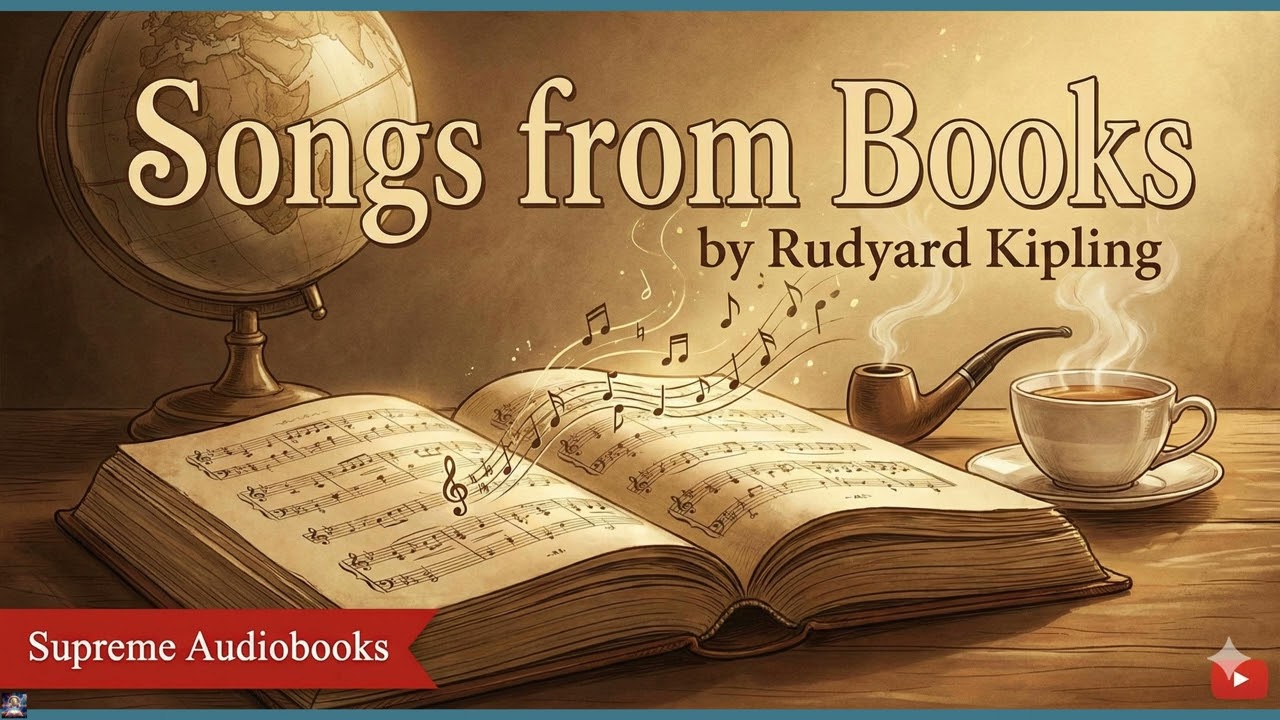
Songs from Books
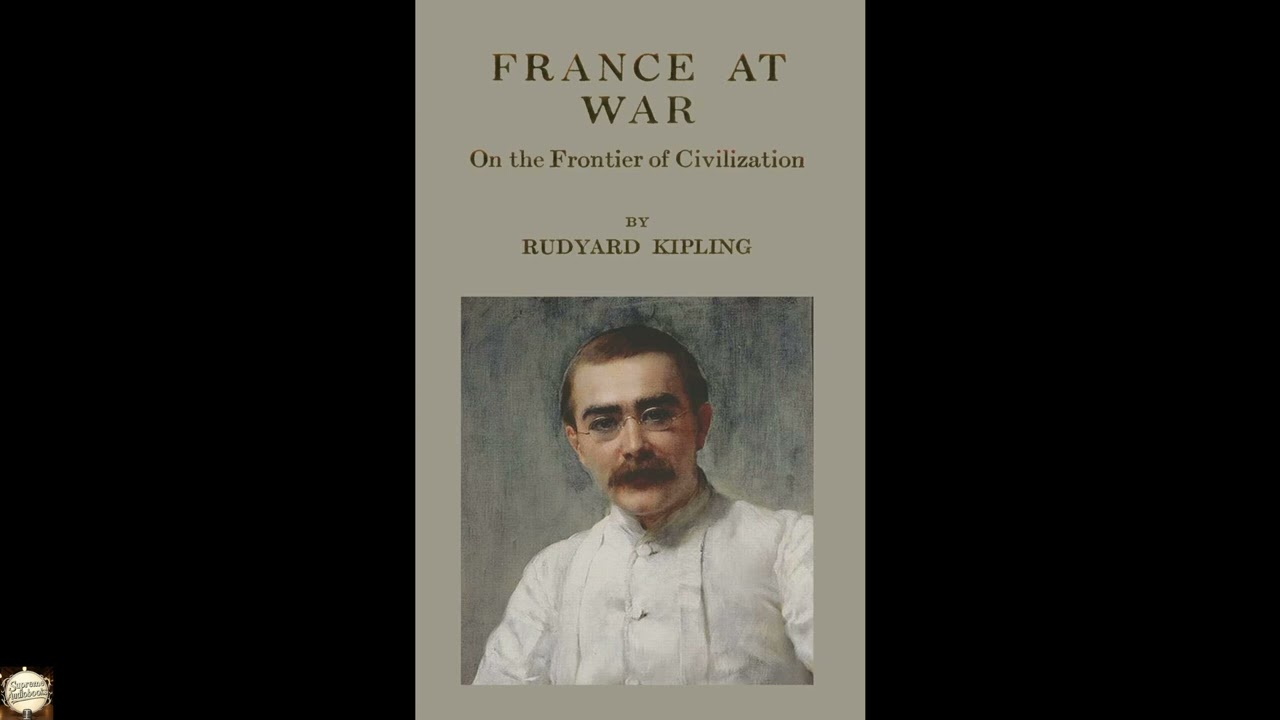
Step into the lyrical heart of Rudyard Kipling's imagination with Songs from Books, a unique collection gathering the verse, ballads, and incidental poetry originally embedded within his most celebrated novels and short stories. This isn't just a compilation; it's an invitation to experience the essence of Kipling's narrative worlds through a different lens, allowing his poetic voice to resonate unburdened by prose. For listeners today, it offers a fresh opportunity to appreciate Kipling's remarkable versatility—to see how his characters express fears, loyalties, and joys through song, and how the rhythmic pulse of his verse often underpins his adventure tales. Stanzas that once punctuated a chapter now stand as potent statements, revealing the emotional core and philosophical currents that make Kipling’s work endure. Unlike a traditional novel, Songs from Books functions as a thematic anthology, its "plot" unfolding through a rich variety of voices and perspectives drawn directly from Kipling's expansive fictional universe. Listeners are transported across settings as diverse as the sun-drenched plains of British India, the mysterious depths of the Indian jungle, and the remote outposts of the Empire. Each poem or song acts as a self-contained vignette, providing an emotional counterpoint or direct character expression from the larger narratives it once served. One might hear the plaintive cry of a soldier far from home, the proud boast of an animal, the innocent wonder of a child, or the weary wisdom of an administrator. The central arc of this collection is not a single protagonist's quest, but a panoramic survey of the human and natural conditions that shaped Kipling's world. It moves through moments of loyalty and betrayal, duty and freedom. The "conflict" often lies in the stark realities of imperial life, the unyielding "Law of the Jungle," or the timeless struggles within the human heart—between civilization and wilderness, faith and doubt. Listeners will find verses celebrating resilience, lamenting empire's toll, and hymning nature's beauty, all woven together to present a cohesive portrait of the values, anxieties, and aspirations that filled Kipling's stories. This arrangement allows individual pieces to shine, showcasing their original power and offering new resonance. The author behind this collection, Rudyard Kipling (1865-1936), remains one of English literature's most enduring figures. Born in Bombay, India, Kipling's early childhood in the subcontinent profoundly shaped his worldview. Sent to England for schooling at age five, this separation later informed his understanding of childhood's vulnerabilities. Returning to India as a young man, he worked as a journalist, publishing short stories and poems that rapidly established his reputation, vividly depicting the lives of British soldiers, civilians, and native populations in the colonial setting. Kipling’s prolific output during the late nineteenth and early twentieth centuries included some of the most beloved books ever written. Plain Tales from the Hills introduced a new voice to short fiction, while The Jungle Book enchanted generations with tales of Mowgli, Baloo, and Bagheera, teaching lessons about law, nature, and belonging. His novel, Kim, is celebrated for its depiction of India and insight into identity and espionage. Kipling received the Nobel Prize in Literature in 1907, the first English-language writer to achieve this honor. His distinctive style—marked by strong rhythm, inventive language, and a keen observational eye—allowed him to craft narratives that resonated with adventure and philosophical inquiry. Kipling's literary standing is often discussed in relation to his association with the British Empire, its principal literary voice, chronicling its ambitions, burdens, and human cost. Yet, to view him solely through this lens misses the breadth of his genius. He possessed an unparalleled ability to enter the minds of animals, children, and ordinary working men, articulating universal themes of duty, sacrifice, and the harsh realities of life. His work captures the spirit of an era while addressing fundamental questions of human experience that continue to resonate. The poems and songs collected here allow listeners to directly encounter several pervasive themes running through Kipling's larger body of work. One prominent thread is "The Law," whether manifesting as the strict, protective rules of the jungle—as seen in verses accompanying Mowgli's upbringing—or as unwritten codes governing soldiers and administrators in foreign lands. These songs often underscore the necessity of order and discipline, demonstrating how adherence to principles provides structure and meaning. A soldier's lament, for instance, might express duty's weariness yet implicitly affirm camaraderie and collective purpose. Another powerful theme is the search for identity and belonging. Many of Kipling's characters, and their sung verses, wrestle with their place in the world—whether children understanding adult complexities or individuals navigating the cultural crossroads of the British Empire. The poems offer glimpses into self-discovery or yearning for connection, often in beautiful yet indifferent landscapes. The lyrical expression provides a direct emotional line to characters grappling with heritage, loyalties, or the simple desire for home. These verses frequently use natural imagery to mirror internal states, drawing parallels between the wildness of the landscape and the human spirit. Songs from Books emerged from a period of profound change and confident expansion in British history—the late Victorian and early Edwardian eras. This was the zenith of the British Empire, a time when global influence and imperial responsibilities weighed heavily on national consciousness. Kipling's writing resonated deeply with an audience grappling with questions of duty, national identity, and the moral implications of ruling vast territories. His stories and poems served as a cultural touchstone, reflecting and shaping public discourse. The collection itself testifies to Kipling's mature artistry, a decision to present these integral poetic components of his prose works as standalone pieces. It speaks to a literary moment that valued both narrative sweep and concise lyrical expression. As Britain navigated industrial advancement, evolving social structures, and an interconnected world, Kipling’s ability to capture grand narratives alongside intimate human experience made his voice exceptionally powerful. These songs, initially secondary to their stories, were deemed worthy of their own spotlight, underscoring verse's enduring power to encapsulate universal truths. To experience Songs from Books as an audiobook grants these verses the auditory life they were always intended for. Kipling's poetry, known for its strong rhythms, evocative language, and ballad-like structures, truly comes alive when spoken aloud. The narration offers more than just reading; it provides a direct interpretation, allowing listeners to appreciate precise pacing, subtle shifts in tone, and the musicality inherent in Kipling's meter and rhyme. A skilled narrator illuminates the humor, pathos, and wisdom in each piece, drawing out the distinct voices of soldiers, children, and creatures. With its run length of several hours, this collection makes for perfect listening during a commute, an evening's reflection, or as a companion, offering profound insights and memorable melodies.
Enjoyed Songs from Books? A few ways to support us
Audible & Amazon links are affiliate; we may earn a small commission at no extra cost.
About this production
Human narration by a volunteer reader from LibriVox.org, the public-domain audiobook project. LibriVox volunteers record literary works whose copyright has expired in the United States, releasing the resulting recordings into the public domain.
Songs from Books by Rudyard Kipling. The underlying text is in the U.S. public domain. We do not republish any modern copyrighted edition, translation, or commentary.
The 4K cinematic visuals accompanying this audiobook are generated by an AI image model from prompts derived from the source text. No copyrighted photos, paintings, or stock footage are used. AI generation is disclosed on every video on our YouTube channel as required by YouTube's altered/synthetic content policy.
English subtitles are transcribed from the LibriVox recording with OpenAI Whisper. Translations into the 11 other supported languages are produced by Meta's NLLB-200 neural translation model. No human translator's copyrighted translation is used.
Questions about sourcing or rights? See our DMCA & Sourcing policy or contact us.
Enjoyed this audiobook?
If you'd like to own a copy of Songs from Books or hear a professionally produced edition, the links below help support free audiobook production at no extra cost to you.
As an Amazon Associate we earn from qualifying purchases. Audible / print links are affiliate.