Sam's Chance and How He Improved It
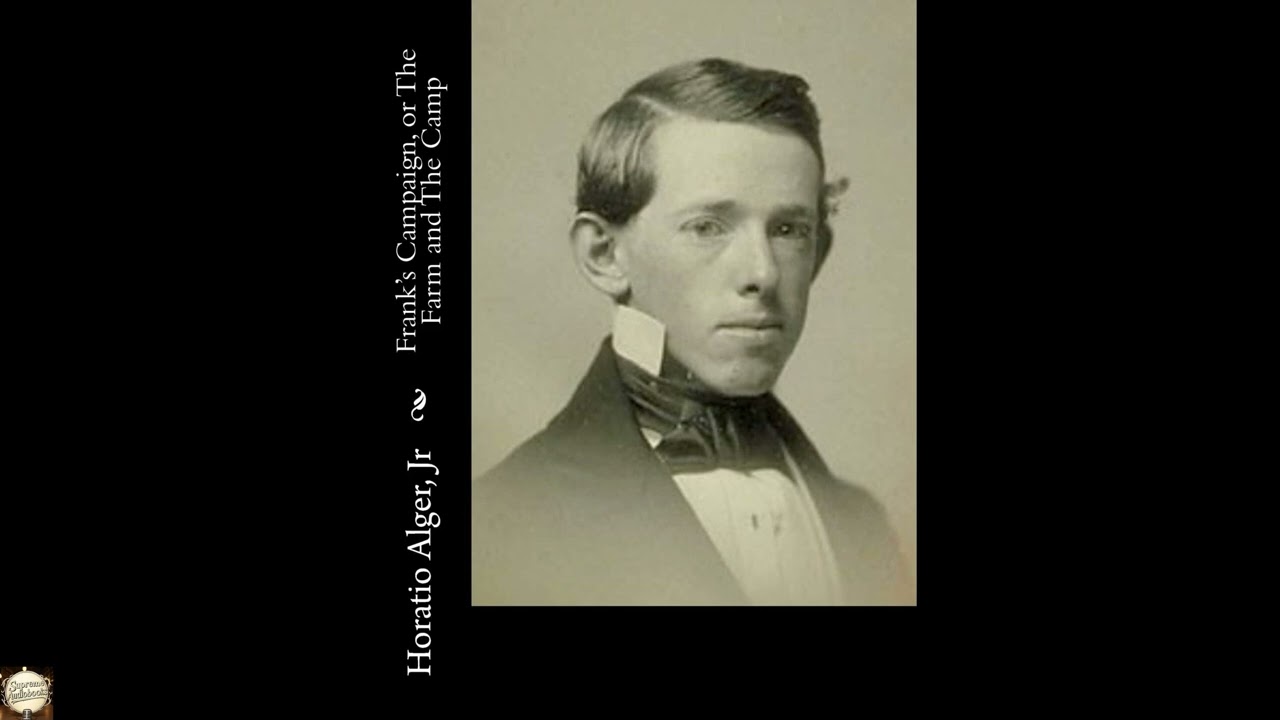
In a world often defined by the allure of quick fixes and instant gratification, the story of Sam's Chance and How He Improved It offers a refreshing and profoundly relevant counter-narrative. Horatio Alger, Jr.'s enduring tale invites listeners to step back into an America where character, diligence, and integrity were seen as the most reliable currencies for success. This audiobook isn't just a quaint relic from a bygone era; it is a resonant echo of the belief that one's fortunes can be fundamentally altered through honest effort and a willingness to seize opportunity. It speaks to the universal human desire to rise above challenging circumstances and to the quiet satisfaction of earning one's way, a message that continues to inspire and provoke thought even in our modern age. The story introduces us to Sam, a young man navigating the often-harsh landscape of late nineteenth-century America. Without the advantages of birth or wealth, Sam begins his life in circumstances that offer little promise. He is depicted as a typical Alger protagonist: an orphaned or nearly orphaned boy, struggling with poverty, yet possessing an innate goodness and a strong moral compass. The early chapters establish his daily struggles, perhaps a meager existence in a bustling city or a small town offering few prospects. His primary conflict stems from his economic hardship, which forces him to take on odd jobs, often for meager pay, just to survive. Despite these difficulties, Sam distinguishes himself through his unwavering honesty and a work ethic that sets him apart from others who might be tempted by less scrupulous paths. As the narrative progresses, Sam's consistent virtuous behavior catches the attention of various individuals, some benevolent, others perhaps less so. He encounters both friends and antagonists, learning valuable lessons about human nature and the complexities of the world. A central event, the "chance" of the title, arrives not as a magical intervention, but as a direct consequence of Sam's preparedness and good character. It might be a small act of kindness he performs, a lost item he returns, or a moment of clear-headed thinking in a crisis, which then opens a door to a new opportunity. Through a series of diligent efforts and careful choices, Sam begins to improve his situation, demonstrating how persistence and virtue can lead to advancement, even in the face of significant odds. The arc of the story follows his gradual, earned ascent, illustrating the step-by-step process of turning a modest opportunity into a more secure future, without revealing the specific triumphs or the ultimate shape of his success. The author of this impactful narrative, Horatio Alger, Jr., carved a unique place in American literature. Born in 1832 in Revere, Massachusetts, Alger came from a family of Unitarian ministers, and he himself followed this path after graduating from Harvard College and its Divinity School. However, his ministerial career was cut short by scandal in 1866, leading him to resign his pulpit. This pivotal event prompted his relocation to New York City, where he dedicated himself to writing for young people. Living among the city's poor and often befriending street boys, Alger found his true calling. He wrote over 100 books, often publishing several a year, including famous titles like Ragged Dick, Luck and Pluck, and Tattered Tom. His prolific output made him one of the most widely read authors of his time, and his stories became synonymous with a particular vision of American success. Alger died in 1899, leaving behind a literary legacy that continues to be debated and analyzed. Alger’s body of work, including Sam's Chance and How He Improved It, cemented what became known as the "Alger myth" or the "rags-to-riches" narrative. His stories were moral fables, designed to instruct and inspire the youth of a rapidly industrializing nation. He championed a specific set of virtues as the keys to upward mobility, creating a literary movement focused on didactic tales for boys. His place in the literary canon is significant for his immense popularity and for embodying a dominant cultural ideal of his era, even if his prose style and character development are often seen as formulaic by modern critics. Sam's Chance enacts several core themes central to Alger’s vision of success. Foremost among these is hard work and industry. Sam is never idle; he actively seeks out honest labor, no matter how humble. A scene might depict him tirelessly polishing shoes, running errands, or selling newspapers, always with an earnestness that transcends his difficult circumstances. This dedication is not merely about physical exertion, but about a persistent mental attitude of self-reliance and the belief that effort will eventually be rewarded. Another crucial theme is honesty and integrity. Sam consistently makes moral choices, even when a dishonest path might seem easier or more profitable in the short term. For example, he might find a wallet and return it to its rightful owner, or refuse to participate in a scheme that is less than scrupulous, thereby earning the trust and respect of those around him. The story also highlights the theme of benevolence and mentorship. Often, Sam’s "chance" is facilitated by the intervention of a kindly adult—a wealthy merchant, a retired gentleman, or an established professional—who recognizes Sam's inherent goodness and potential. This patron provides guidance, a job, or financial assistance, demonstrating how compassion and support can play a vital role in an individual's advancement. Finally, the central idea of opportunity and self-improvement resonates throughout. Sam's "chance" is not pure luck but an opportunity he is prepared to seize because of his prior actions and virtuous character. He doesn't just receive a gift; he improves it through continued effort and wise choices, showing that true success is about making the most of one's circumstances. Sam's Chance and How He Improved It emerged during a fascinating and tumultuous period in American history: the Gilded Age, roughly the last third of the nineteenth century. Following the Civil War, the United States experienced unprecedented industrial growth, rapid urbanization, and significant immigration. This era was characterized by enormous wealth creation, but also by stark social inequalities. Cities swelled with new arrivals seeking opportunity, and the contrast between the opulent lives of industrialists and the harsh realities of the urban poor became increasingly stark. Culturally, there was a strong emphasis on individualism, self-made success, and the Protestant work ethic. Alger's stories, published during this time, provided a moral roadmap for young men, many of whom were navigating the challenges and temptations of burgeoning cities. His tales offered hope and instruction, suggesting that even those from the humblest beginnings could achieve respectable positions through adherence to traditional virtues. They served as popular didactic literature, reinforcing societal values in a period of rapid change and social anxieties. Listening to Sam's Chance and How He Improved It as an audiobook brings a particular warmth and immediacy to this classic tale. The narrator's voice can transport listeners directly into Sam's world, capturing the earnestness of his struggles and the quiet dignity of his character. A skilled performance will infuse life into the period dialogue, allowing the listener to truly hear the distinct voices of the various characters Sam encounters—the gruff but fair employer, the benevolent patron, the street-smart friends, or the occasional nefarious acquaintance. The several hours of listening time make it an ideal companion for commutes, daily chores, or relaxed evenings, allowing the narrative to unfold at a measured pace, reminiscent of the storytelling traditions of the era. The narration can highlight the subtle shifts in Sam's fortunes, the moral dilemmas he faces, and the atmospheric details of his surroundings, making a straightforward story resonate with greater emotional depth and historical authenticity.
Enjoyed Sam's Chance and How He Improved It? A few ways to support us
Audible & Amazon links are affiliate; we may earn a small commission at no extra cost.
About this production
Human narration by a volunteer reader from LibriVox.org, the public-domain audiobook project. LibriVox volunteers record literary works whose copyright has expired in the United States, releasing the resulting recordings into the public domain.
Sam's Chance and How He Improved It by Horatio Alger, Jr. The underlying text is in the U.S. public domain. We do not republish any modern copyrighted edition, translation, or commentary.
The 4K cinematic visuals accompanying this audiobook are generated by an AI image model from prompts derived from the source text. No copyrighted photos, paintings, or stock footage are used. AI generation is disclosed on every video on our YouTube channel as required by YouTube's altered/synthetic content policy.
English subtitles are transcribed from the LibriVox recording with OpenAI Whisper. Translations into the 11 other supported languages are produced by Meta's NLLB-200 neural translation model. No human translator's copyrighted translation is used.
Questions about sourcing or rights? See our DMCA & Sourcing policy or contact us.
Enjoyed this audiobook?
If you'd like to own a copy of Sam's Chance and How He Improved It or hear a professionally produced edition, the links below help support free audiobook production at no extra cost to you.
As an Amazon Associate we earn from qualifying purchases. Audible / print links are affiliate.