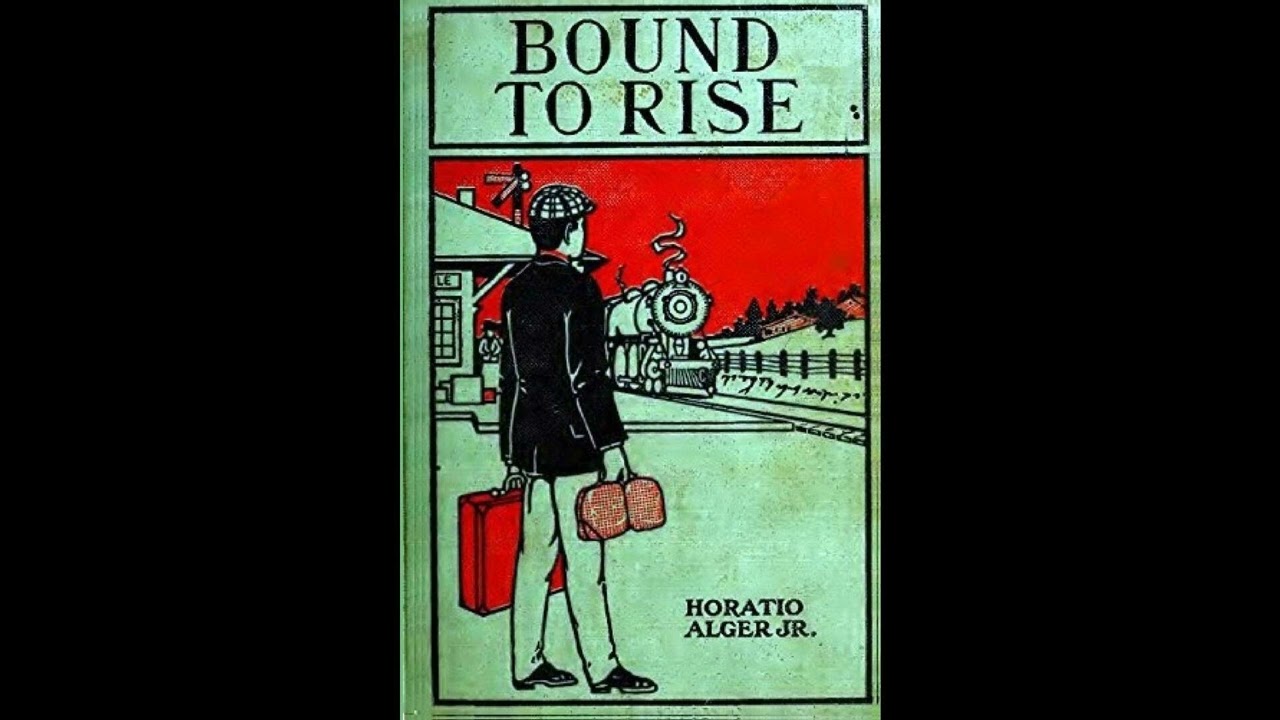
Bound to Rise: Or, Up the Ladder
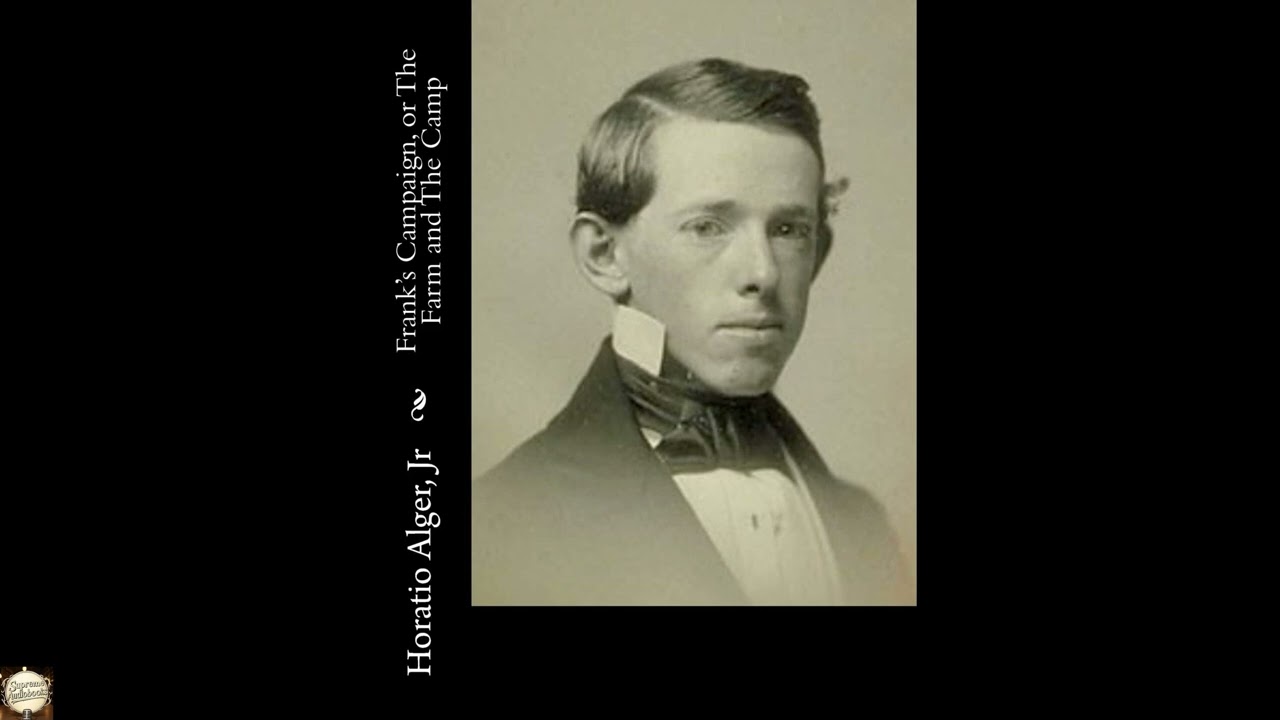
Before the concept of the "American Dream" became a ubiquitous phrase, Horatio Alger, Jr. was writing its blueprint, story after story. His enduring tale, Bound to Rise: Or, Up the Ladder, stands as a foundational text in this enduring mythology, a stirring narrative of ambition, integrity, and the promise of upward mobility that still resonates with listeners today. This book isn't merely a quaint relic of a bygone era; it offers a fascinating window into the values and anxieties of 19th-century America, and perhaps more surprisingly, it provokes questions about individual effort, societal opportunity, and the definition of success that remain fiercely debated in our own time. It asks us to consider what it truly means to rise, and what virtues are required to climb the many ladders of life. The story introduces us to Henry Adams, a bright and earnest young man from the quiet, rural landscape of Vermont. Orphaned and largely without means, Henry finds himself at a crucial crossroads, yearning for opportunities beyond the circumscribed world of his birth. Like many ambitious youths of his era, he looks to the burgeoning urban centers as places where fortunes might be made and lives transformed. With little more than his wits, an honest character, and a small sum saved through diligence, Henry ventures to the bustling, often intimidating streets of New York City. There, he hopes to make his mark and secure a better future, not just for himself but also to provide comfort for his elderly Aunt Maria, who has been a maternal figure to him. Upon his arrival, Henry quickly discovers that city life is a complex web of promises and pitfalls. He initially secures a modest position at a publishing house, a job that requires diligence and offers him a foothold in the competitive world of commerce. However, his path is far from smooth. He encounters various individuals who test his resolve—some who are genuinely benevolent and offer guidance, and others who seek to exploit his innocence or undermine his progress through deceit and malice. Henry must navigate these treacherous waters, relying on his innate moral compass, his unwavering work ethic, and a good measure of resilience to overcome setbacks, false accusations, and the machinations of those who would see him fail. The narrative follows his incremental steps up the societal ladder, demonstrating how each act of kindness, honesty, and perseverance ultimately contributes to his gradual ascent. Horatio Alger, Jr. (1832-1899) holds a peculiar yet undeniable place in American literary history. Born in Revere, Massachusetts, Alger graduated from Harvard College and later from Harvard Divinity School, initially pursuing a career as a Unitarian minister. This ministerial path was cut short by scandal in 1866, leading him to relocate to New York City and dedicate himself to writing juvenile fiction. His prolific output, numbering over 100 novels, established him as one of the most popular authors of his time, read by millions of young boys and their parents across the nation. Alger’s name became synonymous with the "rags-to-riches" narrative, a literary tradition he arguably codified. His works, including iconic titles like Ragged Dick, Tattered Tom, and Luck and Pluck, consistently featured virtuous, impoverished boys who, through a combination of hard work, honesty, and fortunate encounters, achieve respectable middle-class status. Alger’s literary method, characterized by straightforward prose and clear moral lessons, solidified his reputation as a champion of individual enterprise and the possibility of social mobility in a rapidly industrializing America. Though later critics would debate the nuances and realism of the "Alger myth," his initial influence on American popular culture and the perception of the self-made man was immense and undeniable. Bound to Rise exemplifies several key themes central to Alger's body of work. Foremost is the unwavering belief in individual effort and hard work. Henry Adams’s initial poverty is not a barrier to his aspirations; instead, it serves as a spur for his diligent pursuit of employment and his commitment to performing his duties conscientiously, even when they are menial. We see this enacted in scenes where Henry tirelessly carries out his tasks at the publishing house, often staying late or taking on extra responsibilities, demonstrating a dedication that catches the eye of his superiors. Another prominent theme is unyielding honesty and integrity. When Henry finds a lost wallet, for instance, his immediate and unhesitating decision to return it to its rightful owner—despite his own dire financial circumstances—is a moment that not only defines his character but also often precipitates a beneficial turning point in his fortunes, illustrating the direct rewards of virtue. Benevolence also plays a significant role, often appearing in the form of paternalistic guidance and unexpected good fortune. Henry frequently encounters older, established gentlemen who recognize his innate goodness and, impressed by his character, offer him advice, opportunities, or even direct financial assistance. These interventions, while sometimes criticized for being overly convenient, underscore Alger’s message that while hard work is essential, a helping hand or a stroke of luck can significantly propel one’s progress. The narrative also subtly reinforces the idea of prudence and thrift, as Henry is consistently shown saving his meager earnings, living modestly, and planning for the future, contrasting with characters who squander their resources. The late nineteenth century, the period during which Horatio Alger wrote and published Bound to Rise, was a time of immense transformation in the United States. Following the Civil War and during the Gilded Age, America experienced rapid industrialization, massive waves of immigration, and an unprecedented expansion of its cities. This era was characterized by both incredible economic growth and stark social inequalities, as fortunes were made and lost, and the gap between the extremely wealthy and the working poor widened dramatically. Debates raged over the nature of poverty, the role of charity, and the responsibilities of the individual versus society. In this context of profound change and often unsettling social flux, Alger’s stories offered a powerful and reassuring message. They provided a moral framework and a hopeful vision for young men entering a world that seemed both full of opportunity and fraught with peril. His narratives served as a kind of moral instruction manual, reinforcing traditional Protestant work ethic values such as industry, temperance, honesty, and self-reliance, which were seen as crucial for success in the new industrial economy. Bound to Rise resonated deeply because it spoke to the aspirations of countless young people who, like Henry Adams, sought to improve their station and find their place in a dynamic, sometimes overwhelming, new America. Listening to Bound to Rise: Or, Up the Ladder as an audiobook offers a unique opportunity to immerse oneself in this foundational American narrative. The skilled narration brings to life the distinct voices of Henry Adams—his earnestness and resilience—along with the various characters he encounters: the stern but fair mentors, the conniving antagonists, and the kindly benefactors who populate his world. The steady pacing allows listeners to absorb the straightforward prose and the clear moral underpinnings of Alger’s storytelling, appreciating the subtle shifts in Henry’s fortunes and the incremental nature of his progress. With a run length of several hours, this audio production is perfectly suited for extended listening sessions, whether during a commute, while tending to household tasks, or simply relaxing and letting the timeless story unfold, transporting you to the gaslit streets and hopeful promises of a bygone era.
Enjoyed Bound to Rise: Or, Up the Ladder? A few ways to support us
Audible & Amazon links are affiliate; we may earn a small commission at no extra cost.
About this production
Human narration by a volunteer reader from LibriVox.org, the public-domain audiobook project. LibriVox volunteers record literary works whose copyright has expired in the United States, releasing the resulting recordings into the public domain.
Bound to Rise: Or, Up the Ladder by Horatio Alger, Jr. The underlying text is in the U.S. public domain. We do not republish any modern copyrighted edition, translation, or commentary.
The 4K cinematic visuals accompanying this audiobook are generated by an AI image model from prompts derived from the source text. No copyrighted photos, paintings, or stock footage are used. AI generation is disclosed on every video on our YouTube channel as required by YouTube's altered/synthetic content policy.
English subtitles are transcribed from the LibriVox recording with OpenAI Whisper. Translations into the 11 other supported languages are produced by Meta's NLLB-200 neural translation model. No human translator's copyrighted translation is used.
Questions about sourcing or rights? See our DMCA & Sourcing policy or contact us.
Enjoyed this audiobook?
If you'd like to own a copy of Bound to Rise: Or, Up the Ladder or hear a professionally produced edition, the links below help support free audiobook production at no extra cost to you.
As an Amazon Associate we earn from qualifying purchases. Audible / print links are affiliate.