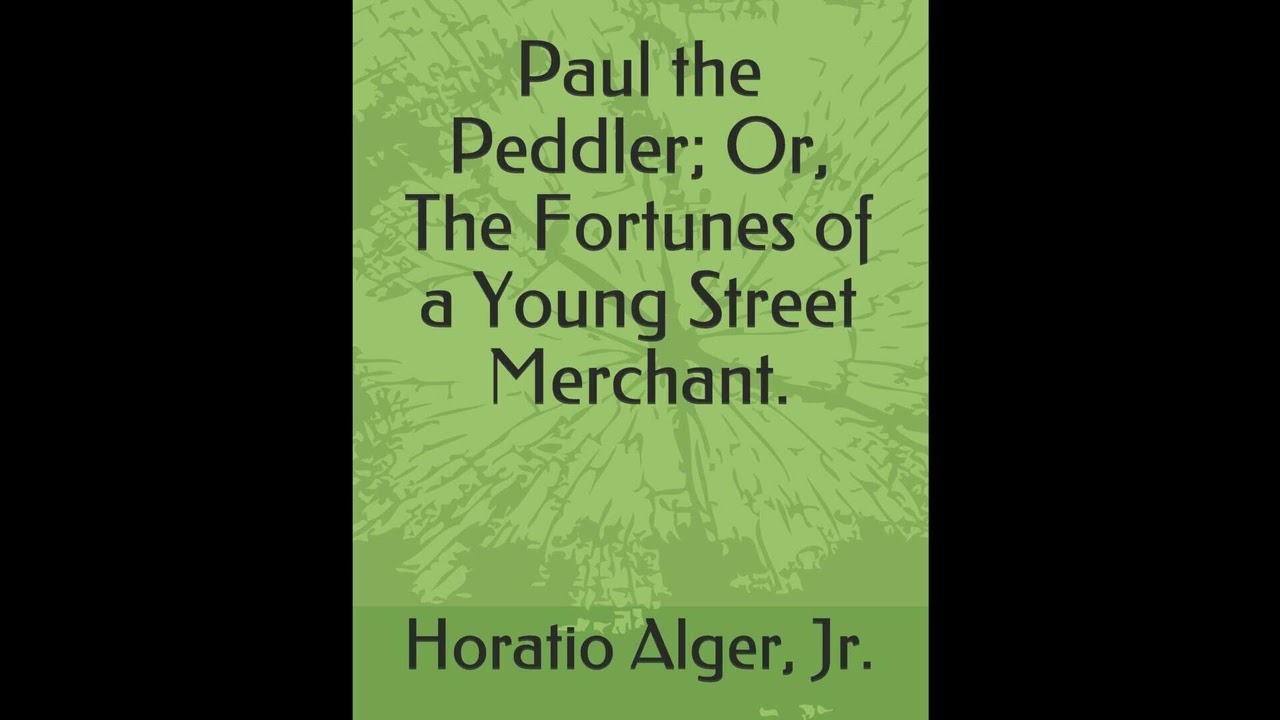
Paul the Peddler; Or, The Fortunes of a Young Street Merchant
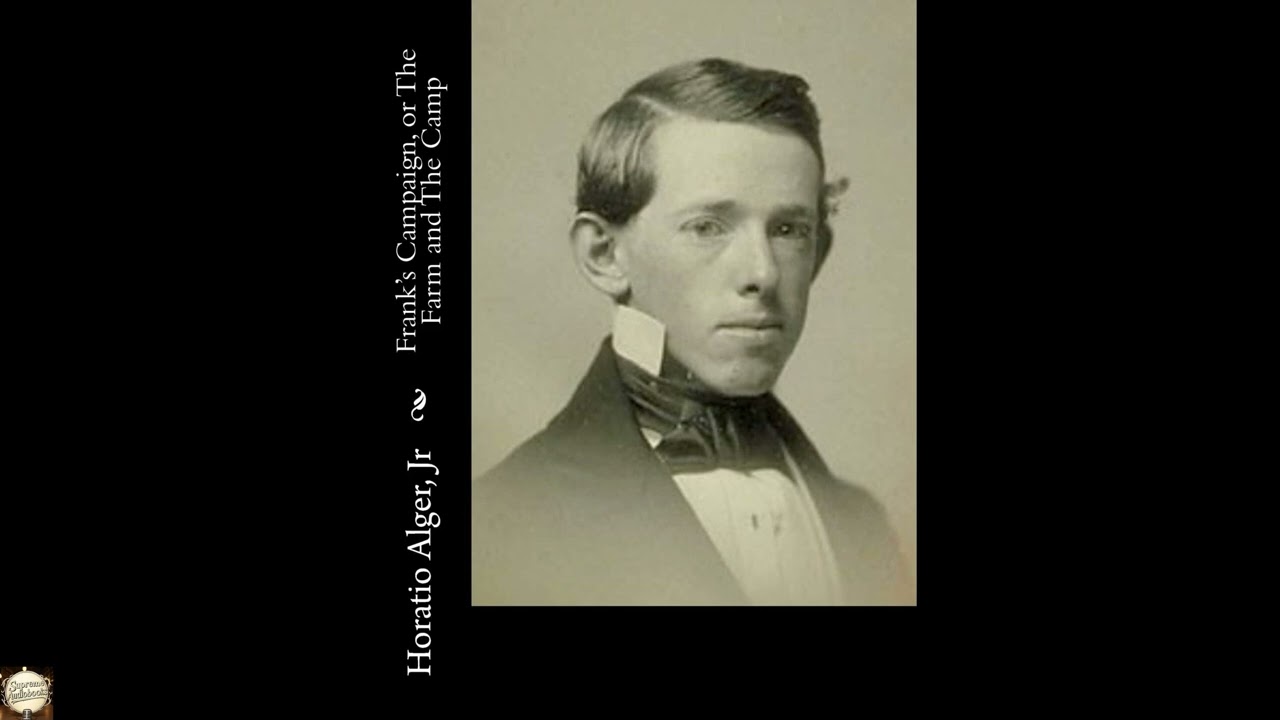
The enduring allure of a self-made person, triumphing over adversity through sheer grit and unwavering honesty, remains a powerful narrative in the American imagination. Horatio Alger, Jr.'s Paul the Peddler; Or, The Fortunes of a Young Street Merchant distills this very essence into a compelling tale that, despite its origins in another century, speaks to fundamental human desires for dignity and success. It is more than just a simple story; it is a foundational myth, a blueprint for aspiration that continues to resonate with anyone who believes in the power of individual initiative to shape destiny. This story offers a window into a past where a boy's moral fiber was considered his greatest asset, and a reminder that even in the toughest circumstances, character can pave the way to a better life. Our story begins amidst the bustling, often unforgiving streets of Gilded Age New York City, a world of stark contrasts where towering fortunes coexisted with desperate poverty. Here we meet Paul, a young and resourceful street merchant, whose daily existence is a testament to his industrious spirit. He is not a child of privilege, but rather one who must rely on his wits and the small profits from his wares to carve out a living. Paul's circumstances are precarious, yet he faces each day with a determination that sets him apart from others who might succumb to despair or less honorable pursuits. He navigates the crowded thoroughfares, a small figure with big hopes, selling his goods with an earnestness that often goes unnoticed by the hurried throngs. The central conflict of Paul's story lies in his struggle to maintain his integrity and secure a stable future against a backdrop of urban challenges. He faces the harsh realities of poverty, the temptations to cut corners, and the manipulative schemes of those who would exploit the vulnerable. Paul encounters rivals who try to undermine his business, and he must learn to discern true friends from false ones. Yet, through it all, his innate goodness and unwavering commitment to honest labor shine through. His journey is not one of sudden miracles, but rather a series of small, hard-won victories that slowly but surely accumulate, gradually building towards a more hopeful horizon. He may suffer setbacks, but each obstacle only serves to highlight his resilience and reinforce his virtuous path, drawing the attention of those who possess the power to alter his fortunes. Horatio Alger, Jr., the celebrated author behind Paul the Peddler, was born in Chelsea, Massachusetts, in 1832. The son of a Unitarian minister, Alger himself followed a similar path, graduating from Harvard University and later Harvard Divinity School. For a brief period, he served as a minister in Brewster, Massachusetts. However, a significant turning point in his life occurred in the mid-1860s, leading him to resign his ministry and relocate to New York City. It was there, amidst the burgeoning metropolis, that Alger found his true calling as a writer for young people. Living and working in New York, Alger immersed himself in the lives of the city's street children – the newsboys, bootblacks, and peddlers who populated his stories. He observed their struggles, their camaraderie, and their dreams, lending an authenticity to his narratives that deeply resonated with his readership. This period saw the beginning of his prolific career, where he authored more than a hundred novels, almost all adhering to a distinctive "rags-to-riches" formula. His most famous works, beyond Paul the Peddler, include Ragged Dick, Luck and Pluck, and Tattered Tom, each featuring a virtuous, industrious boy who, through hard work and integrity, rises from humble beginnings to a position of comfort and respectability. Alger became a towering figure in post-Civil War American popular literature, his stories shaping the perception of individual achievement and the promise of the "American Dream" for generations of young readers. At its heart, Paul the Peddler champions several core themes that defined Alger's entire body of work. Foremost among them is the absolute necessity of hard work and industry. Paul’s success is not born of luck alone, but from his diligent efforts day in and day out, peddling his wares through all weather conditions. We witness him carefully counting his meager earnings, saving every penny, and always looking for an honest opportunity to expand his small enterprise, rather than waiting for fortune to fall into his lap. This relentless effort, even when success seems distant, is portrayed as the bedrock of his character. Closely intertwined with industry is the theme of honesty and integrity. Paul consistently resists the temptations to cheat, lie, or take advantage of others, even when such actions might offer immediate relief from his poverty. A poignant example might be a scene where Paul discovers a lost wallet belonging to a wealthy gentleman. Despite his own desperate need for money, Paul's immediate instinct is to return the wallet to its rightful owner, an act of pure integrity that, true to Alger’s narrative, often leads to an unexpected reward or the notice of a benefactor. This moral steadfastness often becomes the catalyst for the second critical theme: benevolence and patronage. Alger’s world is one where virtuous behavior is eventually recognized and rewarded by benevolent adults – merchants, gentlemen, or other figures of authority – who are impressed by the boy’s character and offer him a leg up, whether it be a job, a scholarship, or an introduction to a better situation. This is how the "American Dream" of social mobility is ultimately enacted, not solely through individual effort, but often through the recognition and assistance of those already established in society, creating a narrative of mutual responsibility and moral reward. Paul the Peddler emerged during a period of immense transformation in American society—the late nineteenth century, often referred to as the Gilded Age. Following the Civil War, the United States experienced rapid industrialization and unprecedented urbanization. Cities like New York swelled with new populations, driven by immigration and internal migration, creating both incredible economic opportunity and stark social disparities. This era saw the rise of massive fortunes, but also the proliferation of urban poverty, tenement housing, and the challenges faced by countless young people trying to survive on the streets. In the literary world, this was a time when popular fiction, including dime novels and adventure stories, flourished, catering to an increasingly literate public. Alger's works specifically targeted boys, offering them moral instruction wrapped in engaging narratives of pluck and perseverance. His stories served as cultural touchstones, reinforcing prevailing societal values of self-reliance, temperance, and moral rectitude amidst the economic flux and social changes of the time. They provided a reassuring narrative framework for understanding success in a burgeoning capitalist society, suggesting that even the lowliest street urchin could ascend to respectability and comfort through virtuous conduct, effectively tempering the harsh realities of Social Darwinism with a more optimistic, meritocratic vision. Listening to Paul the Peddler as an audiobook offers a unique and immersive experience, allowing the listener to truly step back into the streets of nineteenth-century New York. A skilled narrator brings Alger's world to life, animating the distinct voices of the city’s inhabitants—from Paul's youthful earnestness and the gruff kindness of a shopkeeper to the sneering disdain of a rival boy. The "several hours" run time makes it an ideal companion for commutes, long walks, or simply as a comforting presence in one's home, unfolding the narrative at a pace that allows for full absorption. Listen for the narrator's subtle shifts in tone that highlight Paul's moments of despair and his unwavering resolve, enhancing the atmosphere of a bygone era where moral choices held tangible weight. The direct, clear prose of Alger's writing translates beautifully to the spoken word, making the moral lessons and the dramatic turns of fortune particularly engaging and easy to follow, a true auditory glimpse into a formative period of American storytelling.
Enjoyed Paul the Peddler; Or, The Fortunes of a Young Street Merchant? A few ways to support us
Audible & Amazon links are affiliate; we may earn a small commission at no extra cost.
About this production
Human narration by a volunteer reader from LibriVox.org, the public-domain audiobook project. LibriVox volunteers record literary works whose copyright has expired in the United States, releasing the resulting recordings into the public domain.
Paul the Peddler; Or, The Fortunes of a Young Street Merchant by Horatio Alger, Jr. The underlying text is in the U.S. public domain. We do not republish any modern copyrighted edition, translation, or commentary.
The 4K cinematic visuals accompanying this audiobook are generated by an AI image model from prompts derived from the source text. No copyrighted photos, paintings, or stock footage are used. AI generation is disclosed on every video on our YouTube channel as required by YouTube's altered/synthetic content policy.
English subtitles are transcribed from the LibriVox recording with OpenAI Whisper. Translations into the 11 other supported languages are produced by Meta's NLLB-200 neural translation model. No human translator's copyrighted translation is used.
Questions about sourcing or rights? See our DMCA & Sourcing policy or contact us.
Enjoyed this audiobook?
If you'd like to own a copy of Paul the Peddler; Or, The Fortunes of a Young Street Merchant or hear a professionally produced edition, the links below help support free audiobook production at no extra cost to you.
As an Amazon Associate we earn from qualifying purchases. Audible / print links are affiliate.