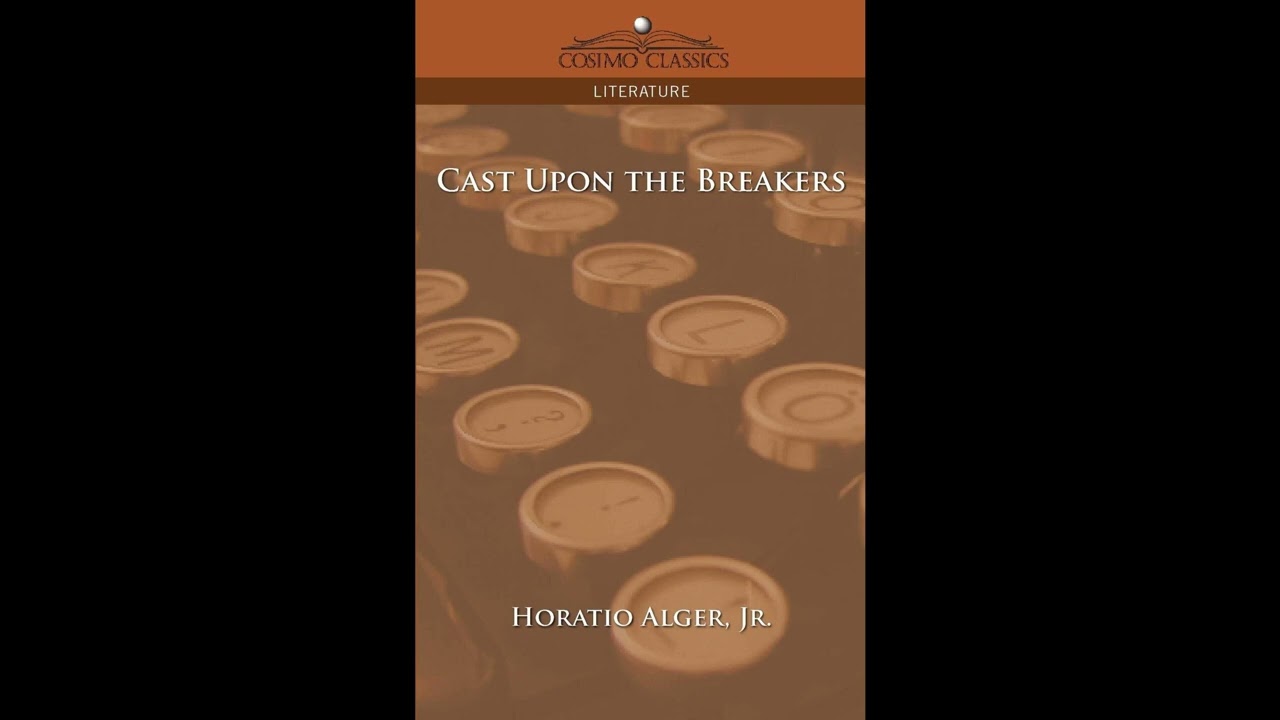
Cast Upon the Breakers
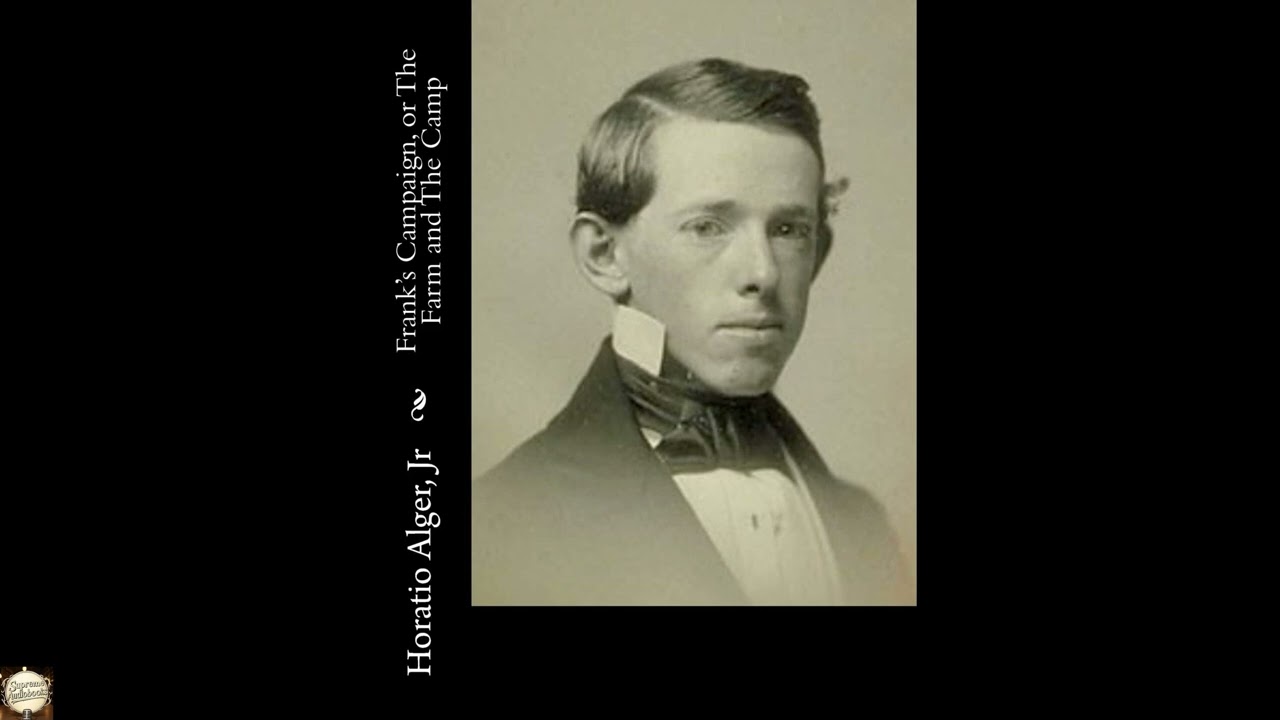
For generations, the name Horatio Alger Jr. has stood as shorthand for a specific kind of American dream: the rise from rags to respectability, the triumph of hard work and honesty over poverty and adversity. His stories, which sold in the millions, shaped the aspirations of countless young readers in a rapidly changing nation. While the precise circumstances of his fictional heroes might seem distant, the core human struggle to find one's place, to earn a living with integrity, and to overcome unfair odds remains strikingly relevant. Cast Upon the Breakers offers a compelling window into this enduring literary tradition, presenting a narrative that, while firmly rooted in its time, continues to provoke thought about social mobility, virtue, and the pathways to success even today. This is not merely a historical curiosity; it is a foundational story that speaks to the very fabric of American idealism, prompting listeners to consider what "making it" truly means. The story opens amidst the clamor and grime of a burgeoning post-Civil War American city, a place of stark contrasts where glittering new fortunes were made just steps away from abject poverty. Here we meet our protagonist, a young boy – innocent but resourceful – whose name is Frank. Orphaned and utterly alone, Frank finds himself literally cast upon the breakers of urban life, struggling to survive by his wits and meager earnings. His days are a relentless grind of selling newspapers, running errands, and seeking odd jobs, all while fending off the predatory schemes of older, more cynical street youths and unscrupulous adults who view his vulnerability as an opportunity for their own gain. A central conflict quickly emerges as Frank’s innate honesty and moral compass are tested at every turn by the harsh realities of his environment. He constantly faces temptations to compromise his principles for immediate gain, or to succumb to the hopelessness that surrounds him. Frank’s arc through the narrative is one of relentless perseverance. He strives not just to earn a living, but to earn it honorably, clinging to the belief that hard work and good character will ultimately be recognized. Along the way, he encounters a diverse cast of characters: some who seek to exploit him, others who offer fleeting moments of kindness, and a select few who become genuine benefactors, noticing his diligent spirit amid the squalor. The story skillfully depicts the precariousness of his existence – a sudden illness, a lost coin, or a dishonest accusation could mean utter ruin. Frank's journey is a testament to resilience, as he navigates a complex world where social connections and a good reputation are often as crucial as a full pocket. The question that propels the story forward is not just if Frank will escape his destitution, but how his character will be forged and tested in the crucible of his struggle. The author behind these resonant tales was Horatio Alger Jr., born in Chelsea, Massachusetts, in 1832. A son of a Unitarian minister, Alger himself followed in his father's footsteps, graduating from Harvard Divinity School in 1860. His early career as a minister in Brewster, Massachusetts, ended abruptly in 1866 amid allegations of impropriety involving young boys. This scandal prompted his move to New York City, where he dedicated himself entirely to writing. From this point until his death in 1899, Alger became incredibly prolific, writing over 100 novels primarily aimed at adolescent boys. His most famous works, including Ragged Dick, Luck and Pluck, and Tattered Tom, established the enduring "Alger hero" archetype. Alger’s literary output formed a distinct part of the American literary landscape during the late 19th century. While he never achieved critical acclaim as a literary stylist, his stories were enormously popular, shaping the moral imagination of a generation. He became synonymous with the "rags-to-riches" narrative, portraying a world where virtue, industry, frugality, and a bit of luck could elevate a poor boy to a position of comfort and respectability. His place in the canon is less about artistic innovation and more about his profound cultural impact, serving as a chronicler and mythmaker for a specific vision of American upward mobility. He understood the anxieties and aspirations of the post-Civil War era, offering a reassuring framework for individual success in a period of vast social and economic change. Cast Upon the Breakers enacts several core themes central to Alger’s body of work, prominently demonstrating the significance of self-reliance. Frank, despite his youth and disadvantage, does not wait for salvation; he actively seeks out opportunities, however humble, to improve his lot. We see this in his unwavering commitment to earning every penny honestly, even when easier, dishonest alternatives present themselves, showing a tangible commitment to personal responsibility rather than relying on handouts. This ties directly into the theme of virtue rewarded: Frank’s consistent honesty, even when it means personal sacrifice, eventually catches the eye of a benevolent character. For instance, a small act of returning a lost item, perhaps a wallet or a valuable piece of jewelry, becomes the pivotal scene that establishes his trustworthy character to a potential mentor, setting him on a path towards advancement that would otherwise be impossible. Another powerful theme evident in the story is the concept of overcoming adversity through sheer perseverance. Frank faces numerous setbacks, from being swindled out of his meager savings to enduring false accusations and the harsh indifference of society. Yet, he never truly despairs or abandons his moral principles. The narrative frequently illustrates moments where Frank, feeling the weight of his circumstances, chooses to continue striving rather than surrender. This relentless spirit, coupled with his genuine desire to be a respectable member of society, serves as the engine of his gradual ascent. The story thus presents a clear moral lesson: that integrity, diligence, and an unyielding spirit are the true currency for betterment, regardless of one’s initial station. The period in which Cast Upon the Breakers was written and published was a time of immense societal flux in America, often referred to as the Gilded Age. Following the Civil War, the nation experienced rapid industrialization, urbanization, and a dramatic influx of immigrants. Cities swelled, creating both unprecedented opportunities and vast social inequalities, with poverty and crime flourishing alongside incredible wealth. Culturally, there was a widespread belief in individualism and the "self-made man," yet anxieties about class division and the struggles of the urban poor were also palpable. Alger’s books emerged as a powerful response to these anxieties, offering a hopeful, moralistic counter-narrative to the harsh realities many faced. They posited that individual character and effort were the primary determinants of success, rather than systemic privilege or inherited wealth, thus reinforcing a comforting vision of the American Dream in an era of tumultuous change. Listening to Cast Upon the Breakers as an audiobook offers a unique way to connect with this formative piece of American literature. The run length of several hours makes it an ideal companion for commutes, household tasks, or extended walks, allowing the narrative to unfold at a comfortable pace. A skilled narrator can bring the distinct atmosphere of 19th-century urban life to vivid auditory realization, from the street cries of newsboys to the hushed tones of charitable benefactors. Listen for the subtle shifts in the narrator's voice that distinguish Frank's youthful innocence from the gruff cynicism of his antagonists, or the reassuring wisdom of his mentors. The pacing allows for a full appreciation of the story's incremental struggles and triumphs, emphasizing the gradual nature of Frank's ascent and the moral choices he makes along the way. It’s an opportunity to immerse yourself in a defining era of American storytelling, experiencing the foundational tale of a boy striving for goodness and respect against formidable odds.
Enjoyed Cast Upon the Breakers? A few ways to support us
Audible & Amazon links are affiliate; we may earn a small commission at no extra cost.
About this production
Human narration by a volunteer reader from LibriVox.org, the public-domain audiobook project. LibriVox volunteers record literary works whose copyright has expired in the United States, releasing the resulting recordings into the public domain.
Cast Upon the Breakers by Horatio Alger, Jr. The underlying text is in the U.S. public domain. We do not republish any modern copyrighted edition, translation, or commentary.
The 4K cinematic visuals accompanying this audiobook are generated by an AI image model from prompts derived from the source text. No copyrighted photos, paintings, or stock footage are used. AI generation is disclosed on every video on our YouTube channel as required by YouTube's altered/synthetic content policy.
English subtitles are transcribed from the LibriVox recording with OpenAI Whisper. Translations into the 11 other supported languages are produced by Meta's NLLB-200 neural translation model. No human translator's copyrighted translation is used.
Questions about sourcing or rights? See our DMCA & Sourcing policy or contact us.
Enjoyed this audiobook?
If you'd like to own a copy of Cast Upon the Breakers or hear a professionally produced edition, the links below help support free audiobook production at no extra cost to you.
As an Amazon Associate we earn from qualifying purchases. Audible / print links are affiliate.