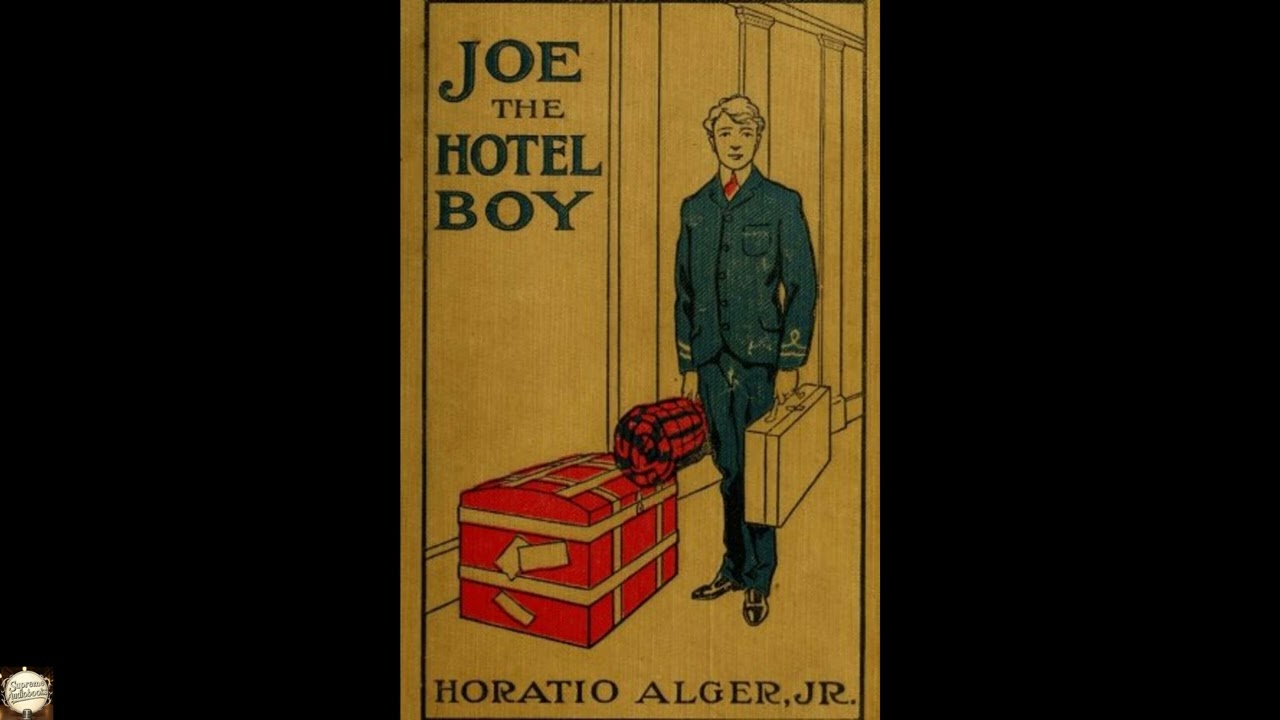
Joe The Hotel Boy: Or, Winning Out
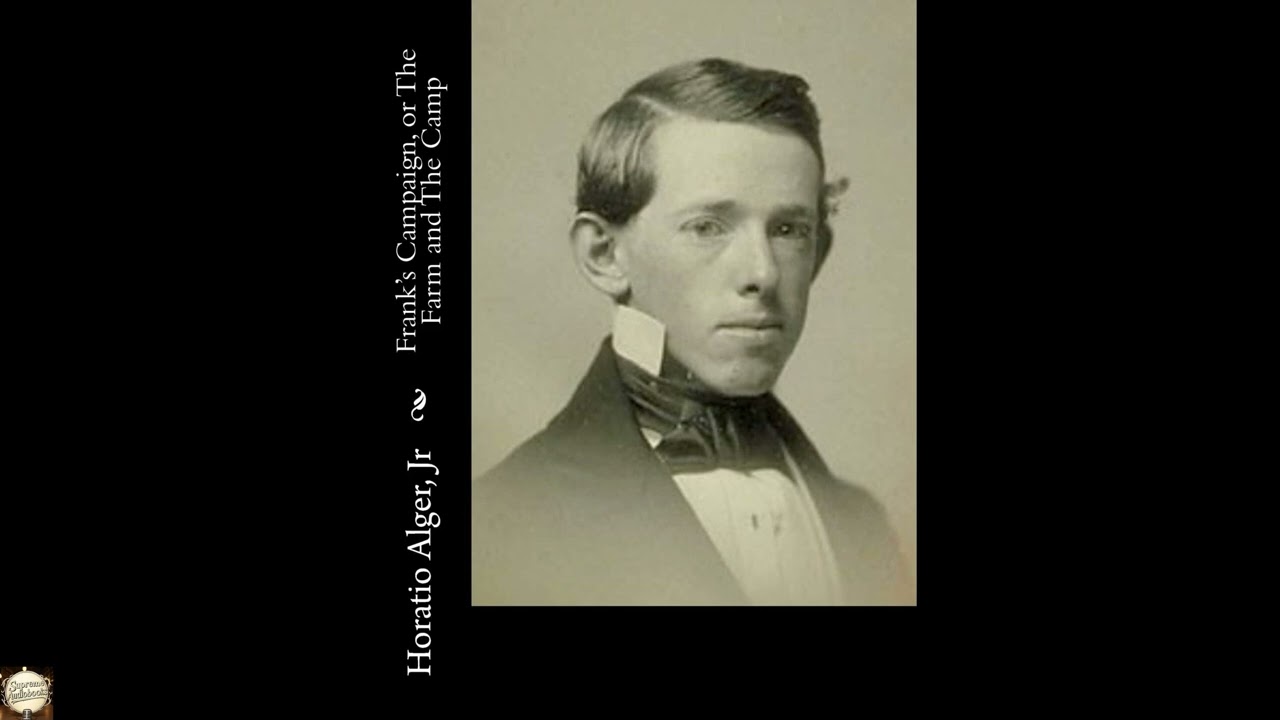
Horatio Alger’s name remains synonymous with the American dream, representing the triumph of character and grit over adversity. His late nineteenth-century stories etched into the national consciousness the belief that hard work and honesty could elevate any young person from dire circumstances to respectability. Joe The Hotel Boy: Or, Winning Out exemplifies this powerful formula, a narrative that still resonates with its foundational message about self-reliance and the rewards of a virtuous life. It invites listeners to consider what truly constitutes "winning out," posing questions about integrity and resilience that remain deeply relevant today. The story introduces Joe, a young lad navigating the bustling, often unforgiving urban landscape of post-Civil War America. Without advantages of birth or wealth, Joe must earn his own way. His station as a hotel boy is humble, demanding long hours and offering little pay, yet it places him at society's crossroads – observing both the struggles of ordinary people and the opulent lives of the affluent. This environment quickly becomes his proving ground for character. Joe’s innate goodness and unwavering commitment to duty are immediately apparent. He carries out his tasks diligently, earning notice from superiors and patrons alike. However, his path is far from smooth. He confronts not only the grind of poverty but also the sneers of those who look down upon him, and the schemes of unscrupulous individuals. Joe must navigate temptations and endure undeserved blame, facing challenges that threaten to derail his aspirations. Yet, his consistent moral choices and steadfast perseverance begin to yield small but significant dividends, illustrating how character, more than circumstance, ultimately shapes one’s destiny. Horatio Alger Jr., born in Chelsea, Massachusetts, in 1832, pursued several paths before becoming a prolific author. Educated at Harvard College and Divinity School, Alger initially served as a Unitarian minister. However, a scandal involving accusations of "immoral conduct" with young boys led to his 1866 resignation, redirecting his energies entirely towards writing juvenile fiction. Moving to New York City, Alger immersed himself in the lives of the city's street children. This exposure profoundly shaped his literary output. From this period emerged his most famous series, beginning with Ragged Dick in 1868, which established the "Alger myth" – the narrative of a poor but virtuous boy achieving success through hard work, integrity, and often, timely luck or the intervention of a benevolent patron. He penned over a hundred such stories, including Luck and Pluck and Tattered Tom, selling millions and shaping the moral imagination of generations. While criticized for formulaic plots, his influence on American juvenile fiction and the vision of the American Dream is undeniable. At its core, Joe The Hotel Boy powerfully demonstrates the theme of hard work and perseverance. Joe’s daily routine is characterized by relentless effort, from carrying luggage to running errands, often enduring criticism and exhaustion. His unwavering commitment to his responsibilities, despite menial tasks and meager compensation, shows that sustained effort, even facing daunting odds, is fundamental for advancement. Another prominent theme is virtue and honesty, which Joe embodies in every interaction. He consistently chooses integrity, whether resisting temptation or speaking truthfully. An instance might involve Joe finding a lost wallet and diligently seeking its owner. This emphasis on moral uprightness, combined with benevolence and kindness towards others, suggests good character attracts favorable attention and ultimately leads to beneficial outcomes, often through the unexpected generosity of those witnessing his upright behavior. The book thus proposes a moral economy where good deeds accumulate value, paving the way for eventual recognition and reward. Joe The Hotel Boy emerged during a period of immense change in American society, the latter half of the nineteenth century. Following the Civil War, the United States entered an era of rapid industrialization and urbanization, the Gilded Age. Cities swelled with new populations—rural Americans seeking opportunity and waves of immigrants—all navigating a transforming economy marked by both incredible wealth and widespread poverty. In this context, there was a significant appetite for stories offering hope and instruction, especially for young boys navigating the anonymity of growing cities. Alger's narratives served a crucial cultural function, providing a moral compass and a vision of success rooted in individual effort, embodying the sentiment that character was paramount in a chaotic world. Listening to Joe The Hotel Boy as an audiobook offers a unique connection to a bygone era, allowing full immersion in the earnest tone and distinct pacing of late nineteenth-century storytelling. The narration brings to life the often-direct dialogue and moralistic observations defining Alger's style, giving dimension to young Joe's struggles and triumphs. With a run time of several hours, it's a manageable and engaging listen, perfect for commutes or focused quiet time. An experienced narrator's clear, deliberate vocal performance amplifies the atmosphere of an industrious yet challenging time, allowing listeners to appreciate the subtle nuances of Joe's character and the simple, profound lessons embedded within this classic American tale of perseverance.
Enjoyed Joe The Hotel Boy: Or, Winning Out? A few ways to support us
Audible & Amazon links are affiliate; we may earn a small commission at no extra cost.
About this production
Human narration by a volunteer reader from LibriVox.org, the public-domain audiobook project. LibriVox volunteers record literary works whose copyright has expired in the United States, releasing the resulting recordings into the public domain.
Joe The Hotel Boy: Or, Winning Out by Horatio Alger, Jr. The underlying text is in the U.S. public domain. We do not republish any modern copyrighted edition, translation, or commentary.
The 4K cinematic visuals accompanying this audiobook are generated by an AI image model from prompts derived from the source text. No copyrighted photos, paintings, or stock footage are used. AI generation is disclosed on every video on our YouTube channel as required by YouTube's altered/synthetic content policy.
English subtitles are transcribed from the LibriVox recording with OpenAI Whisper. Translations into the 11 other supported languages are produced by Meta's NLLB-200 neural translation model. No human translator's copyrighted translation is used.
Questions about sourcing or rights? See our DMCA & Sourcing policy or contact us.
Enjoyed this audiobook?
If you'd like to own a copy of Joe The Hotel Boy: Or, Winning Out or hear a professionally produced edition, the links below help support free audiobook production at no extra cost to you.
As an Amazon Associate we earn from qualifying purchases. Audible / print links are affiliate.