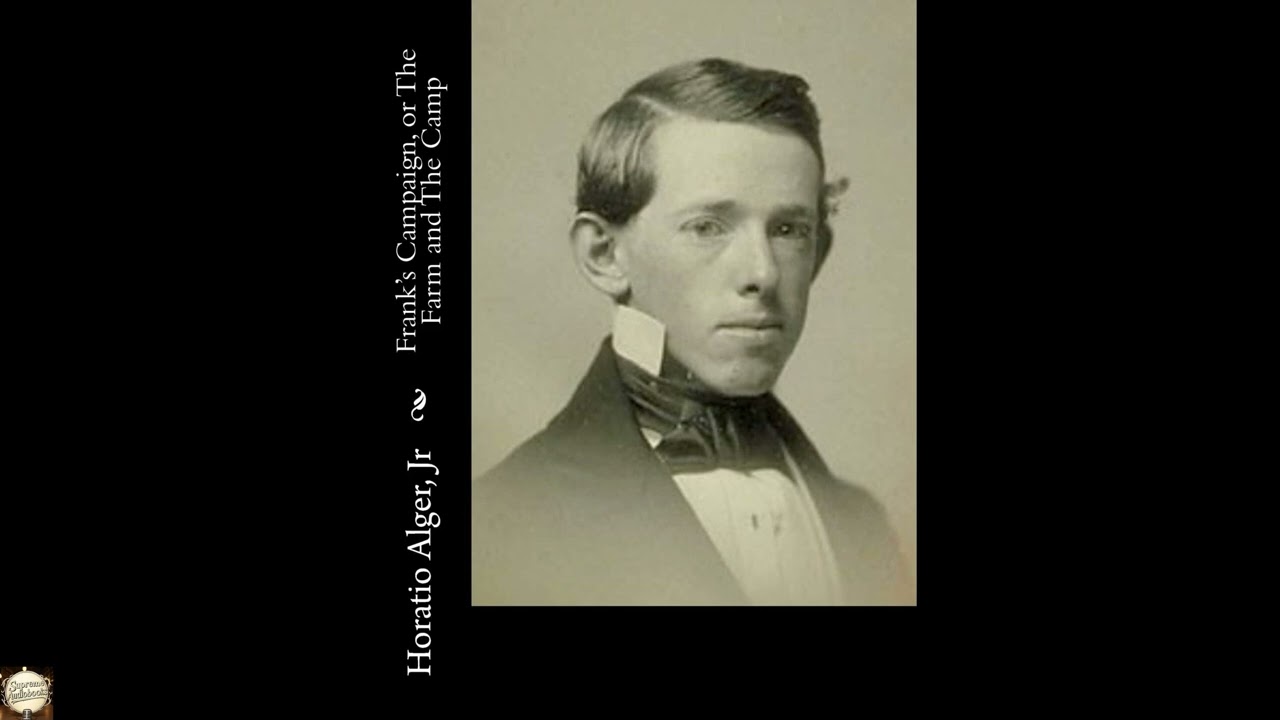
Frank's Campaign, or The Farm and The Camp
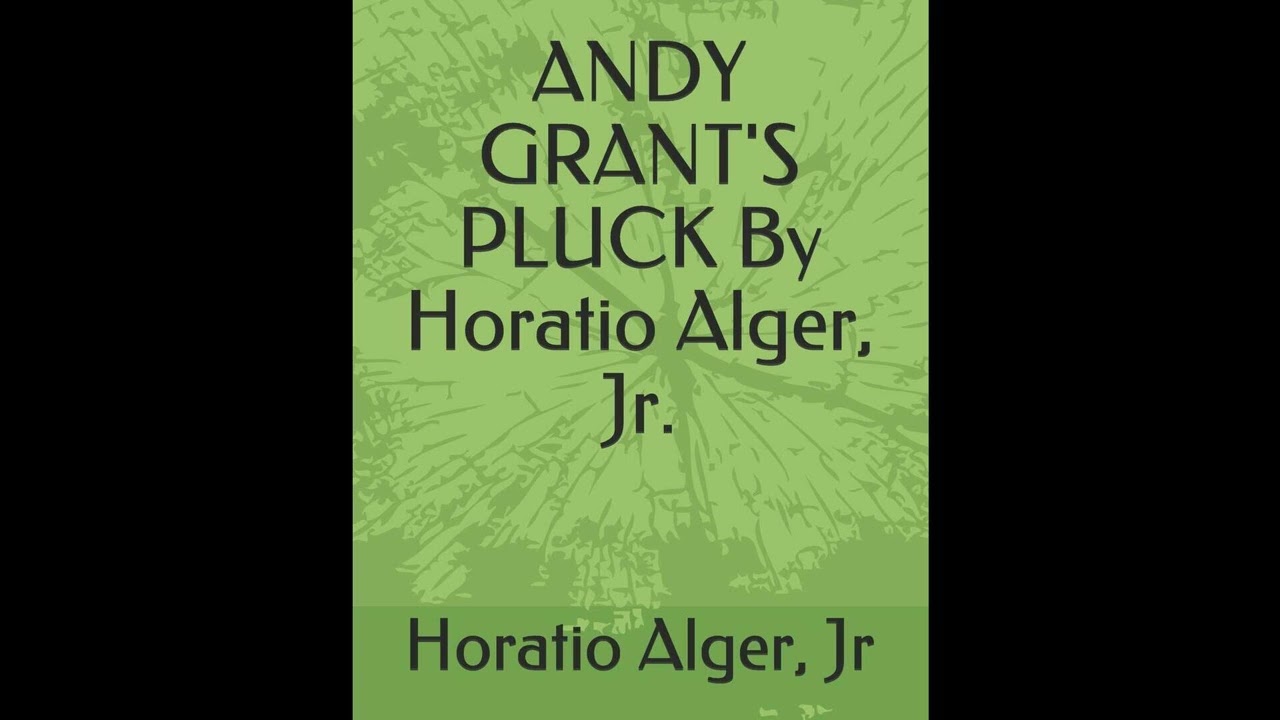
Horatio Alger, Jr.’s Frank’s Campaign, or The Farm and The Camp stands as a classic example of American youth literature, a tale that distills the enduring allure of the "rags-to-riches" narrative into a story of pluck and perseverance. Listeners today will find more than just a historical curiosity here; they will encounter a direct reflection of the values and anxieties that shaped a burgeoning nation, particularly its understanding of merit, success, and the moral compass needed to navigate a world of shifting opportunities. This is a narrative that speaks to the innate desire for betterment, the belief that hard work and honesty can indeed pave the way to a better life, a message that continues to resonate in its simplicity and sincerity. The story centers on Frank Courtney, a diligent and good-hearted young man whose life is unexpectedly upended. We meet Frank amidst the familiar rhythms of rural life, where he toils on his grandfather’s farm. His world is one of honest labor and modest expectations, a quiet existence that nevertheless requires constant effort. However, circumstances conspire to cast him adrift, forcing him to leave the familiar comfort of the countryside and seek his fortune in a wider, less predictable world. This unexpected turn of events throws Frank into the maelstrom of post-Civil War America, a time of both great hardship and burgeoning opportunity. As Frank ventures forth, he encounters a diverse cast of characters—some benevolent, offering guidance and assistance, others less scrupulous, seeking to exploit his innocence or obstruct his progress. He must learn to discern true friends from false ones, to stand firm against temptation, and to rely on his own wits and strength of character. His journey takes him from the fields to the more structured, yet equally challenging, environment suggested by "The Camp" portion of the title, presenting him with new forms of discipline and unexpected paths to proving his worth. Through a series of trials and tribulations, Frank’s moral fiber is tested repeatedly, but his innate goodness and unwavering commitment to integrity guide his decisions, slowly but surely earning him the respect and trust of those who observe his actions. The narrative follows his steadfast determination to overcome poverty and find a secure, honorable place for himself, all while holding fast to the principles he carried from his humble origins. Horatio Alger, Jr. (1832-1899) was a name synonymous with inspirational tales for young readers during the latter half of the nineteenth century. Born in Chelsea, Massachusetts, the son of a Unitarian minister, Alger initially followed in his father's footsteps, attending Harvard Divinity School and briefly serving as a pastor. However, his true calling lay elsewhere, and he soon turned to writing, moving to New York City where he found his most enduring inspiration in the lives of the city's street children. It was here that he began to craft the narratives that would make him one of America's most prolific and widely read authors. Alger’s bibliography is extensive, with dozens of titles published, including iconic works like Ragged Dick (1868), Luck and Pluck (1869), and Tattered Tom (1871). Each of these stories, including Frank’s Campaign, typically featured a virtuous, impoverished boy who, through a combination of hard work, honesty, and a stroke of good fortune (often involving rescuing a wealthy individual), rises to respectability and financial stability. His stories became a cornerstone of popular American literature for youth, shaping the ideals of self-reliance and moral rectitude for generations. Alger's place in the literary canon is that of a popularizer of a certain kind of didactic fiction, reflecting the Gilded Age's fascination with the self-made man and the moral underpinnings of capitalism. The underlying themes of Frank’s Campaign are clear and resonant. One central theme is perseverance in the face of adversity. Frank is not given an easy path; he constantly encounters setbacks, from financial hardship to betrayal. Yet, at every turn, he refuses to succumb to despair, consistently finding the will to pick himself up and try again, demonstrating that sustained effort is key to overcoming life’s obstacles. For example, when he finds himself without resources in an unfamiliar place, he doesn't wallow in self-pity but immediately seeks out honest labor, no matter how humble, to earn his keep. Another vital theme is the importance of integrity and honesty. Frank is repeatedly presented with opportunities for dishonest gain or shortcuts, but he always chooses the path of moral rectitude. Whether it is returning a lost purse despite his own dire need or refusing to participate in a scheme that feels wrong, his steadfast commitment to truth and fairness ultimately builds his reputation and earns him trust, paving the way for eventual success. Beyond these, the book also highlights self-reliance—Frank learns to stand on his own two feet, making his own way in the world without depending on others, though he gratefully accepts help when offered by true friends. His journey embodies the spirit of the American Dream, suggesting that even the most disadvantaged individuals can achieve success through diligence and good character in a land of opportunity. This belief in social mobility through personal merit was a powerful and aspirational message for Alger’s readership. Frank's Campaign emerged at a fascinating juncture in American history, during the decades following the Civil War. This was a period of immense industrial growth, rapid urbanization, and significant social change. Millions were moving from rural areas to cities, and immigrants were arriving in unprecedented numbers, all seeking opportunity. The cultural landscape was marked by both great optimism about progress and deep anxieties about poverty, corruption, and social dislocation. Alger's stories offered a comforting and morally instructive narrative amidst this tumult. They provided young readers with a blueprint for navigating a complex new world, emphasizing traditional virtues as the surest path to navigating the challenges of a burgeoning industrial economy. His tales reinforced the idea that America was a land where hard work was rewarded and moral character was paramount, offering a hopeful vision of social advancement during a time of both promise and uncertainty. Listening to Frank’s Campaign as an audiobook offers a unique way to engage with this foundational text of American youth literature. The narrated performance brings Frank’s earnestness and determination to life, allowing the listener to truly inhabit his world and feel the weight of his struggles and the relief of his small victories. With a runtime of several hours, it's an ideal companion for long commutes, household tasks, or quiet afternoons. The pacing of the narration often reflects the steady, often challenging, grind of Frank’s life, punctuated by moments of suspense or discovery. Listen for the distinct voices given to the various characters Frank encounters—the stern but fair mentor, the conniving antagonist, the helpful stranger—each contributing to the vibrant atmosphere of Frank’s rapidly changing world and highlighting the moral choices he must make. The oral presentation underscores the clear moral lessons and the hopeful, aspirational tone that defined Alger’s enduring appeal.
Enjoyed Frank's Campaign, or The Farm and The Camp? A few ways to support us
Audible & Amazon links are affiliate; we may earn a small commission at no extra cost.
About this production
Human narration by a volunteer reader from LibriVox.org, the public-domain audiobook project. LibriVox volunteers record literary works whose copyright has expired in the United States, releasing the resulting recordings into the public domain.
Frank's Campaign, or The Farm and The Camp by Horatio Alger, Jr. The underlying text is in the U.S. public domain. We do not republish any modern copyrighted edition, translation, or commentary.
The 4K cinematic visuals accompanying this audiobook are generated by an AI image model from prompts derived from the source text. No copyrighted photos, paintings, or stock footage are used. AI generation is disclosed on every video on our YouTube channel as required by YouTube's altered/synthetic content policy.
English subtitles are transcribed from the LibriVox recording with OpenAI Whisper. Translations into the 11 other supported languages are produced by Meta's NLLB-200 neural translation model. No human translator's copyrighted translation is used.
Questions about sourcing or rights? See our DMCA & Sourcing policy or contact us.
Enjoyed this audiobook?
If you'd like to own a copy of Frank's Campaign, or The Farm and The Camp or hear a professionally produced edition, the links below help support free audiobook production at no extra cost to you.
As an Amazon Associate we earn from qualifying purchases. Audible / print links are affiliate.