Pygmalion
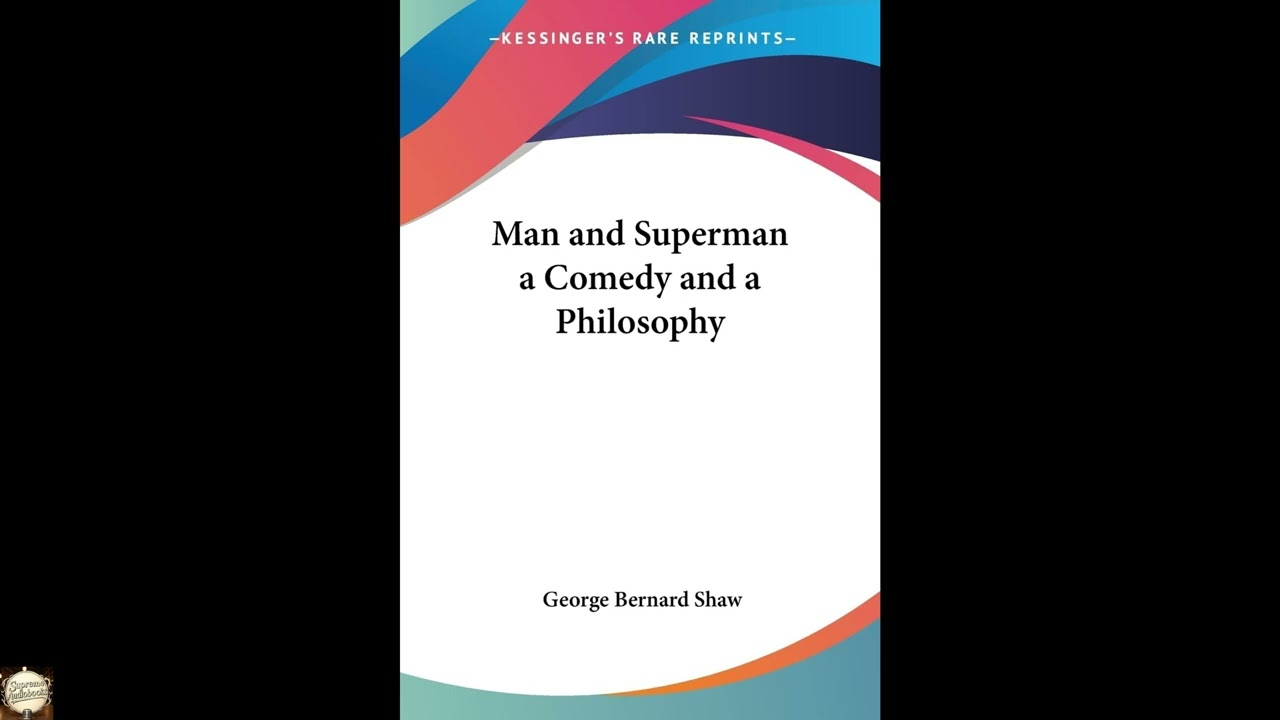
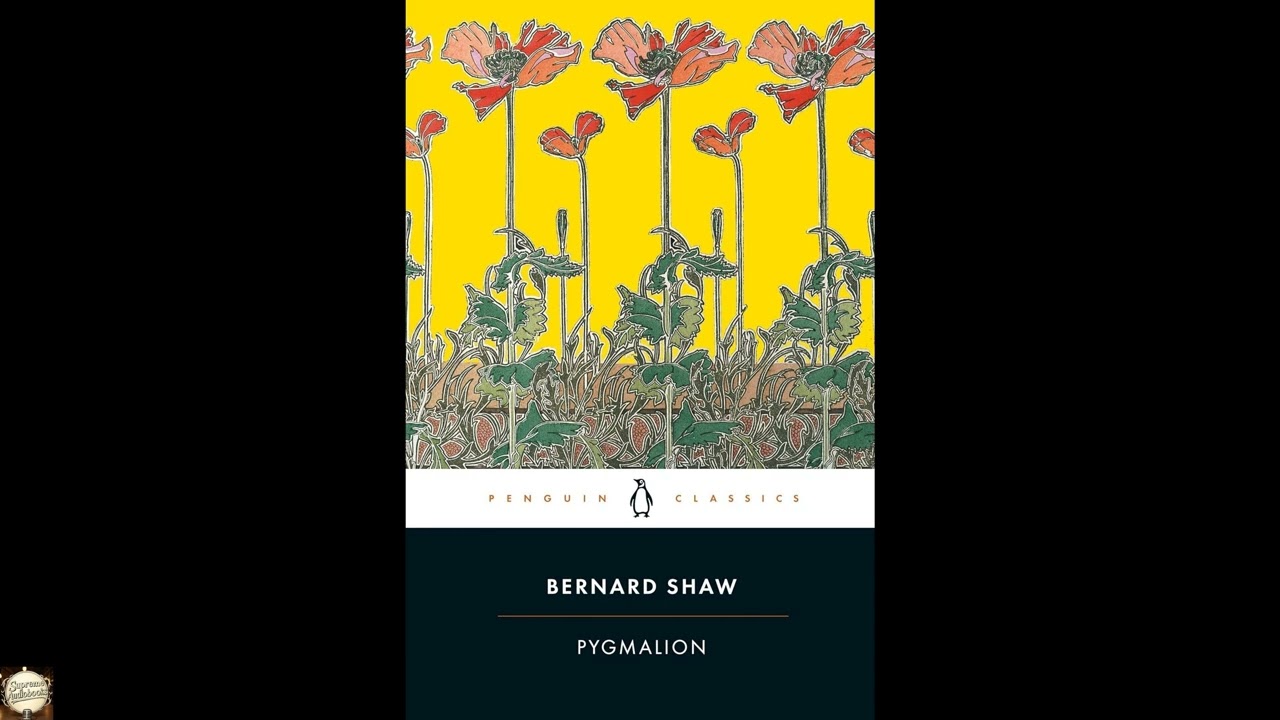
George Bernard Shaw's Pygmalion arrives as a witty, incisive play, a dramatic examination of identity, language, and the rigid structures of society. Its premise—the transformation of a common flower girl into a lady through elocution lessons—might sound like a charming fable, but Shaw pulls back the curtain on far more profound questions. Today, over a century later, its insights resonate with startling clarity, challenging assumptions about social mobility, the power of speech, and the essence of who we are. Can external refinement truly change a person, or does it merely redecorate the surface? This enduring question, wrapped in sparkling dialogue and memorable characters, makes Pygmalion a compelling experience for any listener pondering how much of ourselves is shaped by our environment and how much is fundamentally our own. The story opens on a rainy night in Edwardian London's Covent Garden, where Professor Henry Higgins, a brilliant but arrogant phonetician, amuses himself by identifying people's origins by their accents. He encounters Eliza Doolittle, a Cockney flower girl with an atrocious way of speaking, whose pronunciations simultaneously irritate and fascinate him. Colonel Pickering, a fellow linguist, witnesses Higgins's uncanny abilities and becomes intrigued. What begins as a casual boast escalates into a daring wager: Higgins claims he can, within six months, pass Eliza off as a duchess, simply by teaching her to speak like a lady. Enticed by the prospect of a respectable life, Eliza agrees to become his subject. She moves into Higgins’s home, where she endures rigorous, often humiliating speech lessons, practicing sounds and phrases until her vocal cords ache. Under Higgins’s strict tutelage and Pickering's kinder guidance, Eliza slowly sheds her Cockney accent, replacing it with refined vowels and precise consonants. She learns not just to speak differently, but to carry herself with an air of sophisticated confidence. As her transformation progresses, the lines between her old identity and new persona blur. Yet, as the wager's successful conclusion approaches, Eliza faces an unexpected dilemma: what becomes of the flower girl once the lady is made? Her progress, initially about external polish, increasingly becomes about her inner awakening and her search for a place in society. George Bernard Shaw, Pygmalion's celebrated playwright, was born in Dublin, Ireland, in 1856. Moving to London in 1876, he forged a career that transformed British theatre, making him one of the English language's most influential literary figures. Beyond drama, Shaw was a prolific critic of music, art, and theatre, a passionate socialist, and a leading member of the Fabian Society, advocating for gradual social reform. Shaw used his plays as powerful vehicles for social commentary, challenging Victorian hypocrisies with wit and sharp observation. His dramatic output includes 20th-century works like Man and Superman, a philosophical comedy examining gender roles and the Life Force; Major Barbara, which questions philanthropy and morality; Mrs. Warren's Profession, a controversial play about prostitution and societal double standards; and the historical drama Saint Joan. Awarded the Nobel Prize in Literature in 1925, his profound influence and literary genius reshaped British drama. Shaw's unique style, characterized by lengthy prefaces and realistic, argumentative dialogue, placed him at the forefront of modernism. He fundamentally altered drama's purpose, turning the stage into a platform for exploring pressing social issues, philosophical ideas, and human nature's complexities, always with wit and a commitment to progressive thought. At its heart, Pygmalion dissects class and social mobility, showing how arbitrary yet rigid distinctions were in Edwardian England, largely based on accent and manners. Eliza Doolittle’s initial struggle, her coarse speech marking her as 'common,' contrasts sharply with her later ability to converse with duchesses. When Higgins presents her as refined, he proves the barrier between social strata is often nothing more than a linguistic veneer, not inherent intellect. Another central concern is the profound connection between language and identity. Higgins's premise suggests changing Eliza’s speech will transform her being. The play illustrates how words not only express thoughts but also shape perception. Eliza's meticulous lessons construct a new self, raising critical questions about personal agency and power dynamics. Higgins often treats her as a scientific object, highlighting the gendered imbalance and her struggle to assert her own will, even as she gains a new voice. Pygmalion, published in 1913, emerged during Britain's Edwardian era, on the cusp of the First World War. This period featured a highly stratified class system, increasingly questioned by movements for social reform, including the burgeoning women's suffrage movement. Established norms were challenged, and demands for greater equality grew. The play emerged from this ferment of social change. Science, like phonetics, was viewed with optimism as a means to reshape human potential. Shaw, observing his times, used this context to critique superficial societal values and the dehumanizing effects of rigid class structures. Pygmalion is a pivotal example of the 'new drama' movement, which used theatre to address serious social issues and stimulate intellectual discourse, reflecting the cultural and political awakenings of its era. Listening to Pygmalion as an audiobook offers a singular opportunity to experience the play's verbal brilliance and nuanced characterizations through the spoken word. Shaw's sharp wit and the subtle shifts in social status conveyed purely through accent and tone truly come alive. A skilled narrator brings Edwardian London's distinct voices to life, from Eliza’s transformation from guttural Cockney to refined speech, and Higgins’s precise pronouncements. The rhythm, pacing, and atmospheric details enhance appreciation for Shaw’s linguistic genius and social critique over several hours of engaging narrative.
Enjoyed Pygmalion? A few ways to support us
Audible & Amazon links are affiliate; we may earn a small commission at no extra cost.
About this production
Human narration by a volunteer reader from LibriVox.org, the public-domain audiobook project. LibriVox volunteers record literary works whose copyright has expired in the United States, releasing the resulting recordings into the public domain.
Pygmalion by George Bernard Shaw. The underlying text is in the U.S. public domain. We do not republish any modern copyrighted edition, translation, or commentary.
The 4K cinematic visuals accompanying this audiobook are generated by an AI image model from prompts derived from the source text. No copyrighted photos, paintings, or stock footage are used. AI generation is disclosed on every video on our YouTube channel as required by YouTube's altered/synthetic content policy.
English subtitles are transcribed from the LibriVox recording with OpenAI Whisper. Translations into the 11 other supported languages are produced by Meta's NLLB-200 neural translation model. No human translator's copyrighted translation is used.
Questions about sourcing or rights? See our DMCA & Sourcing policy or contact us.
Enjoyed this audiobook?
If you'd like to own a copy of Pygmalion or hear a professionally produced edition, the links below help support free audiobook production at no extra cost to you.
As an Amazon Associate we earn from qualifying purchases. Audible / print links are affiliate.