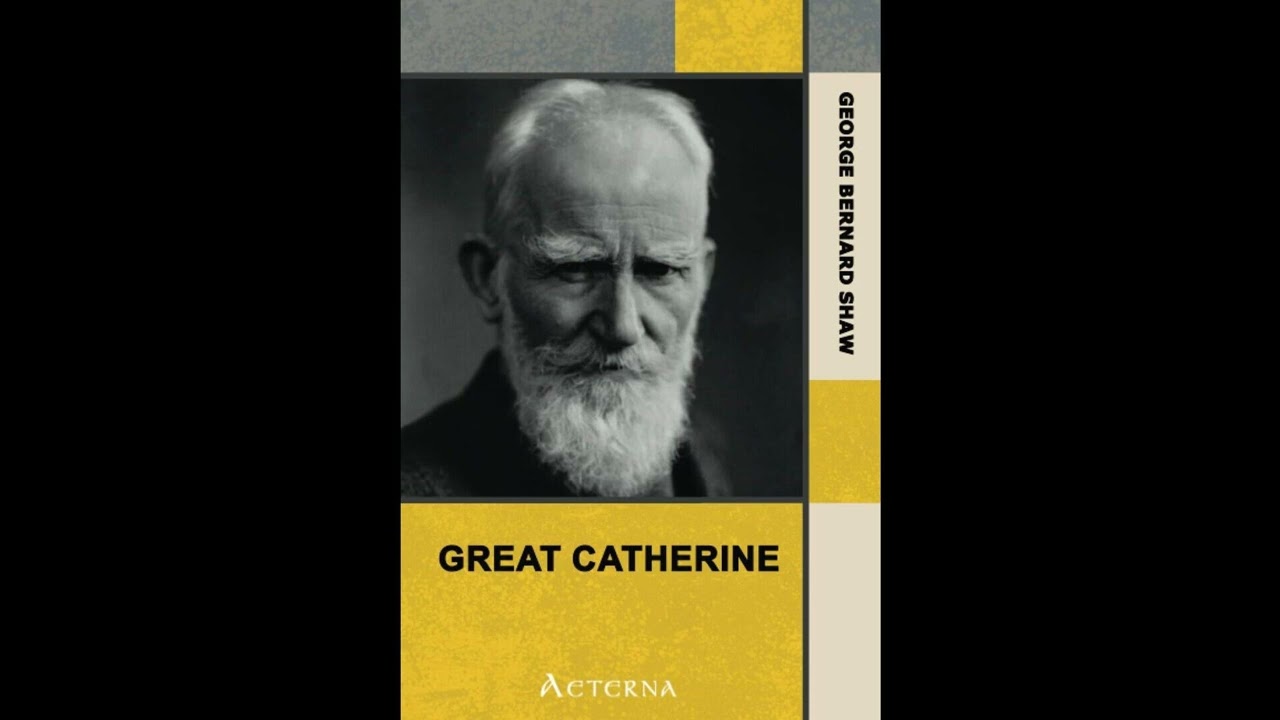
Great Catherine (Whom Glory Still Adores)
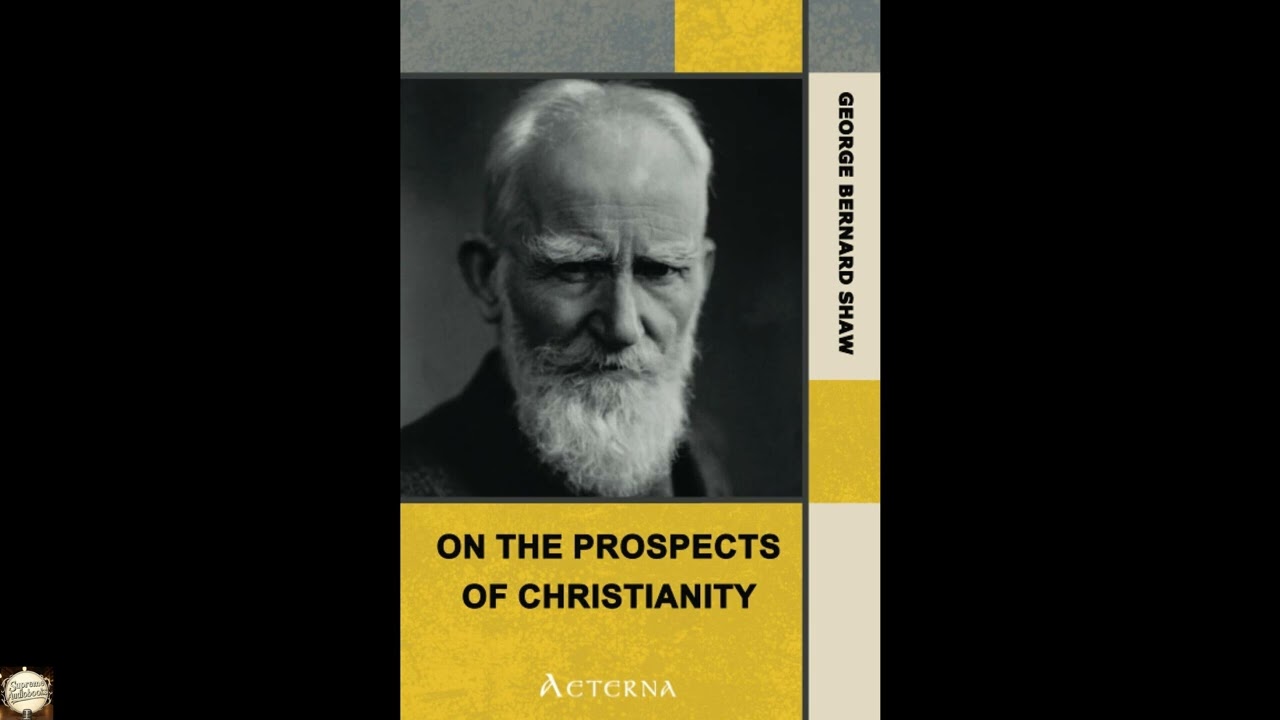
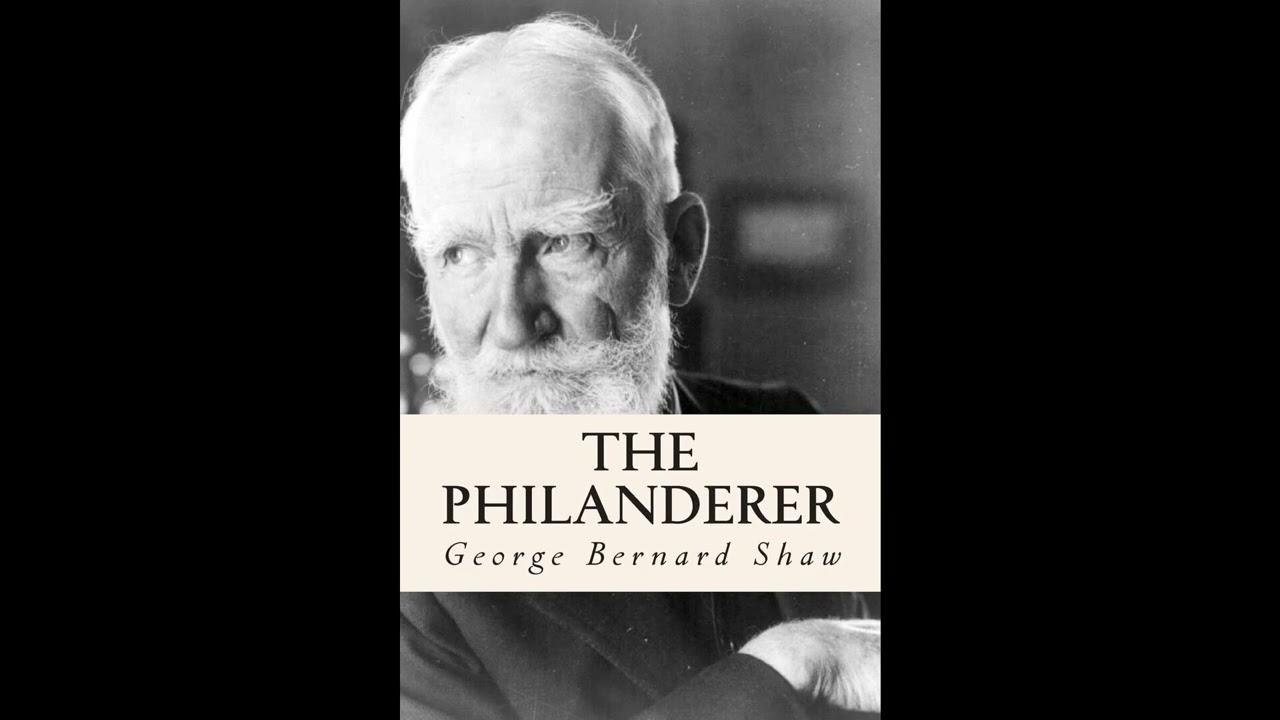
Step into a dazzling, dangerous, and hilariously absurd court with George Bernard Shaw's Great Catherine (Whom Glory Still Adores), an ingenious comedic play that skewers diplomatic pretense, national character, and the intoxicating, bewildering nature of absolute power. This isn't merely a historical curiosity; it’s a vibrant confrontation of intellect and instinct, where the grand pronouncements of nations clash with the very human, often illogical desires of their rulers. Shaw uses the historical figure of Russia's most formidable empress to craft a theatrical experience that remains surprisingly poignant and laugh-out-loud funny, inviting us to reconsider how history is made, and who truly pulls its strings. The scene opens in the heart of late 18th-century Russia, amidst the opulence and intrigue of Catherine the Great’s court. We are introduced to Captain Edstaston, a meticulously proper and somewhat bewildered English diplomat, whose mission is to secure an alliance. He represents the stiff-upper-lip decorum and polite protocol of British society, a stark contrast to the flamboyant, often violent, and utterly unpredictable world he suddenly finds himself in. The empress, Catherine, is portrayed not just as a monarch, but as a force of nature: intelligent, shrewd, utterly charming one moment and terrifyingly ruthless the next. Her current favorite, General Patara, a man of bluster and theatrical devotion, hovers nearby, acutely aware of his precarious position. As Edstaston attempts to navigate this bewildering landscape of banquets, conspiracies, and casual brutality, he quickly becomes an object of Catherine's rather direct attention. His very English reserve and somewhat moralizing nature seem to fascinate her, leading to a series of escalating comedic and dangerous misunderstandings. Shaw delights in pitting Edstaston's unwavering commitment to procedure against Catherine's imperial caprice, where decisions of state can hinge on a whim and personal affections are as potent as political treaties. The plot follows Edstaston’s increasingly frantic attempts to fulfill his diplomatic duties while simultaneously trying to understand, and perhaps survive, the unpredictable affections and machinations of the Empress and her court. The mind behind such brilliant theatrical invention was George Bernard Shaw, born in Dublin in 1856. A formidable literary figure and a relentless social critic, Shaw moved to London in his twenties and quickly made a name for himself as a music and theatre critic, known for his piercing intellect and uncompromising views. He was a committed socialist, a prominent member of the Fabian Society, and channeled his political and social convictions into his drama. Though he often called himself a "realist," his plays are distinct for their lengthy, witty, and often argumentative dialogue, designed to provoke thought as much as entertain. Shaw's prolific career spanned decades, earning him the Nobel Prize in Literature in 1925. His body of work includes some of the most enduring plays in the English language, such as Pygmalion, the basis for My Fair Lady; the philosophical epic Man and Superman; the historical drama Saint Joan; and the groundbreaking social commentary of Mrs. Warren's Profession and Candida. He was a dramatist who believed theatre should be a forum for ideas, challenging audiences to confront societal injustices, hypocrisies, and the complexities of human nature with both laughter and serious reflection. Shaw's place in the literary canon is secure as a master of dramatic wit and a pioneering voice in modern theatre. Great Catherine enacts several core themes with characteristic Shaw precision and humor. One prominent theme is the nature of absolute power and its capacity to both inspire and corrupt. Catherine's character vividly illustrates this, capable of ordering the casual flogging of a troublesome general one moment, and demonstrating astute political insight the next. Her power is arbitrary yet effective, highlighting how personal whims can dictate national destinies, a constant source of both danger and dramatic tension for the hapless Edstaston. Another powerful theme is the clash of cultures and national identities. Shaw pits the rigid, somewhat naive English sensibility of Edstaston against the passionate, unrestrained, and often violent character of the Russian court. Edstaston's insistence on politeness and protocol in the face of Catherine's direct, almost animalistic, expressions of power and affection creates much of the play's comedic friction. This cultural collision extends to gender roles, as Catherine—a woman of immense authority and sexual agency—upends Edstaston's traditional expectations of female behavior, creating discomfort and fascination that drives many of their interactions. Shaw uses these specific moments to question the foundations of diplomacy and the very idea of national character. When Great Catherine premiered in 1913, Europe stood on the precipice of seismic change. The anxieties leading up to the First World War were palpable, and international relations were a delicate, often tense, affair. Shaw, ever the keen observer of politics and society, wrote this play partly as a commentary on the dangers of unchecked power and the absurdities of diplomacy in an era of shifting alliances and imperial ambitions. While looking back to the 18th century, the play resonates with early 20th-century concerns about autocratic rule and the precarious balance of power among nations. It emerged at a time when traditional social structures were being questioned, and Shaw, a lifelong advocate for social reform, used the historical setting to playfully but pointedly critique contemporary political realities and human foibles. Listening to Great Catherine as an audiobook offers a unique gateway into Shaw's world. His plays are inherently dialogue-driven, and a skilled narrator breathes life into the precise, witty, and often lengthy exchanges that define his style. You can immerse yourself in the theatrical pacing, catching every nuance of Edstaston’s escalating exasperation, Catherine’s unpredictable pronouncements, and the court’s chaotic energy. The several hours of listening time allow for a complete immersion in the story, perfect for extended commutes or focused listening sessions. A strong vocal performance clarifies the characterizations, distinguishing between the proper English diplomat, the imperious Empress, and the various outlandish figures of her court, allowing you to appreciate the satirical bite and enduring humor of Shaw's genius fully.
Enjoyed Great Catherine (Whom Glory Still Adores)? A few ways to support us
Audible & Amazon links are affiliate; we may earn a small commission at no extra cost.
About this production
Human narration by a volunteer reader from LibriVox.org, the public-domain audiobook project. LibriVox volunteers record literary works whose copyright has expired in the United States, releasing the resulting recordings into the public domain.
Great Catherine (Whom Glory Still Adores) by George Bernard Shaw. The underlying text is in the U.S. public domain. We do not republish any modern copyrighted edition, translation, or commentary.
The 4K cinematic visuals accompanying this audiobook are generated by an AI image model from prompts derived from the source text. No copyrighted photos, paintings, or stock footage are used. AI generation is disclosed on every video on our YouTube channel as required by YouTube's altered/synthetic content policy.
English subtitles are transcribed from the LibriVox recording with OpenAI Whisper. Translations into the 11 other supported languages are produced by Meta's NLLB-200 neural translation model. No human translator's copyrighted translation is used.
Questions about sourcing or rights? See our DMCA & Sourcing policy or contact us.
Enjoyed this audiobook?
If you'd like to own a copy of Great Catherine (Whom Glory Still Adores) or hear a professionally produced edition, the links below help support free audiobook production at no extra cost to you.
As an Amazon Associate we earn from qualifying purchases. Audible / print links are affiliate.