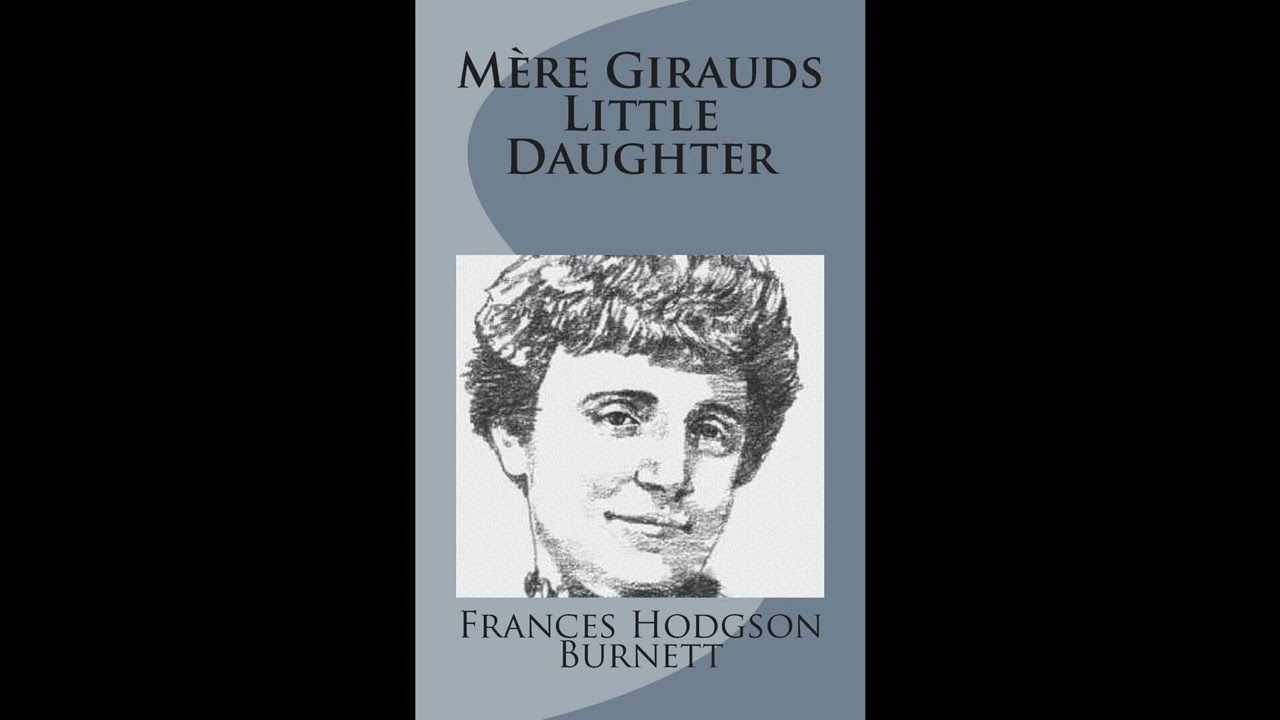
Mère Girauds Little Daughter
In the quiet heart of a French village, where life moves with the rhythm of the seasons and small joys are cherished, a story of profound and unconventional love unfolds. Frances Hodgson Burnett's Mère Girauds Little Daughter extends an invitation to step into a world of gentle drama and enduring affection, a testament to the bonds that transcend blood and circumstance. This is a narrative that, like all of Burnett’s celebrated works, reminds us of the resilience of the human spirit and the transformative power of compassion, delivering a poignant message that resonates as deeply today as it did when first conceived. It is a tender reflection on what it truly means to be a mother and a child, offering solace and inspiration to anyone who has ever found or given love in unexpected places. The story centers on Mère Giraud, an unassuming woman living in a humble cottage, whose life is irrevocably shaped by the arrival of a small, vulnerable child. This little girl, whose origins are shrouded in mystery and sorrow, becomes the very sun around which Mère Giraud's world revolves. The setting itself, a charmingly depicted rural French community, serves as more than just a backdrop; its close-knit nature and inherent biases present both comfort and challenge. The central conflict arises from the unspoken questions surrounding the child’s parentage and the quiet sacrifices Mère Giraud makes to protect her, navigating the whispers and judgments of neighbors who struggle to understand their unique bond. As the years pass, the little daughter grows, bringing with her a simple joy and an unyielding loyalty that only strengthens Mère Giraud’s resolve. The narrative gently guides us through their daily routines, the small triumphs and heartbreaks that mark their existence, showcasing the powerful, unspoken language between them. This arc involves not only Mère Giraud's fierce protection but also the child's own dawning awareness of her place in the world, and the quiet dignity with which they face the world together. The tension gradually builds as external pressures and internal uncertainties threaten to unravel the fragile peace they have built, forcing both mother and daughter to confront difficult truths about their identities and their future. Frances Hodgson Burnett, born in Manchester, England, in 1849, carried the echoes of both hardship and imagination throughout her long and prolific career. Her family faced financial ruin after her father's death, prompting a move to the United States and a challenging adolescence in Knoxville, Tennessee. It was during this period that Burnett, driven by necessity and an innate talent, began to write, publishing stories in popular magazines. Her first great success, the novel That Lass o' Lowrie's, emerged in 1877, setting her on a path to literary renown. She was a writer who understood the complexities of social class and the longing for a better life, often imbuing her characters with an indomitable spirit. Burnett's enduring legacy is primarily secured by her beloved children's novels, which continue to enchant generations of readers. Works such as Little Lord Fauntleroy, published in 1886, captivated the public's imagination with its depiction of an American boy inheriting an English earldom. Later, A Little Princess (1905) and The Secret Garden (1911) solidified her reputation as a master storyteller, each one a testament to the power of resilience, imagination, and the healing balm of nature. She possessed a unique ability to blend sentimentality with a keen understanding of psychological depth, creating characters who feel authentic and whose struggles mirror universal human experiences. Burnett passed away in 1924, leaving behind a body of work that spans adult novels, plays, and the children's literature for which she is most fondly remembered. Mère Girauds Little Daughter beautifully illustrates several of Burnett’s recurring themes, chief among them the unconventional nature of family bonds. The relationship between Mère Giraud and her little daughter challenges traditional definitions of kinship, demonstrating that love, care, and sacrifice are the true building blocks of family, regardless of shared biology. For instance, we witness Mère Giraud’s unwavering devotion as she shields the child from prying eyes and harsh judgments, showing a maternal instinct that runs deeper than any legal or societal expectation. It is a quiet but powerful statement on the strength of chosen families and the inherent goodness found in selfless acts. Another poignant theme present throughout the story is the quiet dignity of perseverance in the face of adversity. Mère Giraud, a woman of modest means, consistently faces the judgments of her community and the unspoken challenges of her unusual situation. Yet, she never falters in her commitment to the child. A scene might depict her enduring critical glances at the village market, her back straight and her gaze resolute, embodying the quiet fortitude that defines her character. This serves as a powerful reminder that true strength often lies not in grand gestures, but in the steadfast courage to protect what one loves, day after day, against all odds. This story emerged in a period when societal norms regarding family, children, and women's roles were both firmly entrenched and beginning to undergo subtle shifts. The late nineteenth and early twentieth centuries saw the rise of a greater focus on childhood as a distinct and important phase of life, reflected in the burgeoning genre of children's literature. Burnett’s work often gently pushed against the rigid class structures of the time, highlighting the inherent worth of individuals regardless of their social standing. Mère Girauds Little Daughter, with its focus on an unconventional maternal relationship and the quiet struggles of ordinary people, fits squarely within this cultural landscape, offering a narrative that championed compassion and challenged superficial judgments in an era craving stories of virtue and human connection amidst rapid industrialization and social change. Listening to Mère Girauds Little Daughter as an audiobook transforms the quiet grace of Burnett's prose into an intimate experience. The narrator's voice becomes the conduit for the story's gentle pacing, allowing listeners to fully immerse themselves in the rustic French setting and the emotional depth of Mère Giraud's bond with her daughter. Over several hours of listening, the nuanced delivery of dialogue and the subtle inflections in character voices can bring the village gossip, Mère Giraud's quiet determination, and the child's innocent charm to vivid life. It’s an opportunity to truly savor the carefully chosen words and the atmospheric descriptions, letting the story unfold in your mind's eye with a warmth and sincerity that only a well-performed narration can provide.
Enjoyed Mère Girauds Little Daughter? A few ways to support us
Audible & Amazon links are affiliate; we may earn a small commission at no extra cost.
About this production
Human narration by a volunteer reader from LibriVox.org, the public-domain audiobook project. LibriVox volunteers record literary works whose copyright has expired in the United States, releasing the resulting recordings into the public domain.
Mère Girauds Little Daughter by Frances Hodgson Burnett. The underlying text is in the U.S. public domain. We do not republish any modern copyrighted edition, translation, or commentary.
The 4K cinematic visuals accompanying this audiobook are generated by an AI image model from prompts derived from the source text. No copyrighted photos, paintings, or stock footage are used. AI generation is disclosed on every video on our YouTube channel as required by YouTube's altered/synthetic content policy.
English subtitles are transcribed from the LibriVox recording with OpenAI Whisper. Translations into the 11 other supported languages are produced by Meta's NLLB-200 neural translation model. No human translator's copyrighted translation is used.
Questions about sourcing or rights? See our DMCA & Sourcing policy or contact us.
Enjoyed this audiobook?
If you'd like to own a copy of Mère Girauds Little Daughter or hear a professionally produced edition, the links below help support free audiobook production at no extra cost to you.
As an Amazon Associate we earn from qualifying purchases. Audible / print links are affiliate.