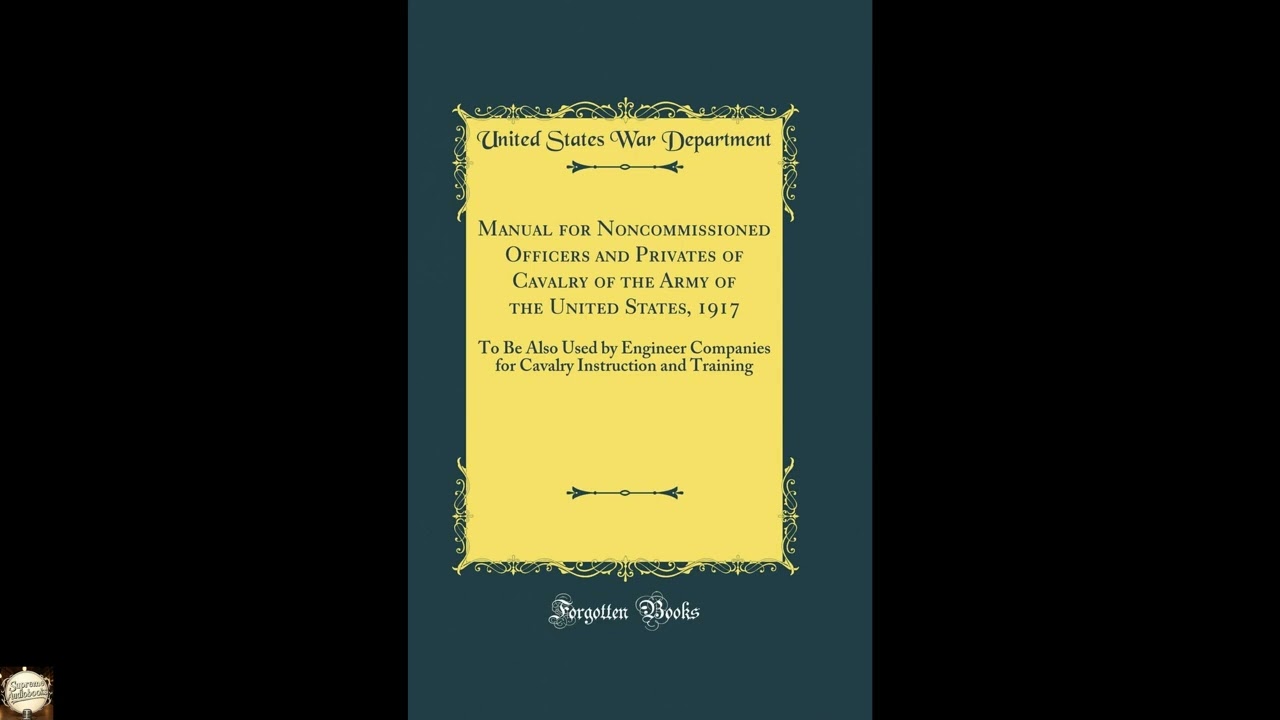
Manual for Noncommissioned Officers and Privates of Cavalry of the Army of the Unit
Step back in time to an era when the thunder of hooves and the glint of sabers defined military might. Manual for Noncommissioned Officers and Privates of Cavalry of the Army of the Unit offers more than just historical instructions; it serves as a profound portal to a bygone world, revealing the demanding realities, the exacting discipline, and the unique, foundational bond between man and horse that shaped generations of mounted soldiers. This isn't merely a collection of rules; it’s a deep dive into the very ethos of a fighting force, offering unparalleled insights into the human elements of service and the meticulous art of military life as it once was. For anyone fascinated by military history, the evolution of warfare, or the enduring qualities of duty and precision, this document speaks volumes, reminding us of the unwavering commitment required to forge a cohesive and effective army. This comprehensive manual unfolds like an intricate blueprint for military life, establishing the precise environment and expectations for the mounted soldier. Its pages meticulously detail the daily routine and the specialized skills demanded from the lowest private to the most experienced noncommissioned officer within the cavalry. The setting is ubiquitous: the dusty parade grounds, the campfires flickering in the night, the long, arduous marches across varied terrain, and the tense, strategic movements on the battlefield. The central figures presented are not named individuals, but archetypes: the aspiring recruit, eager yet green; the seasoned noncommissioned officer, embodying experience and command; and, crucially, the horse, an indispensable, living component of the military machine, whose well-being and training are as vital as the soldier’s own. The core of the manual, its "story," is the ceaseless battle against chaos, inefficiency, and the perils of both combat and daily existence in the army. The text itself serves as the ultimate guide, the voice of authority and hard-won experience, leading its human subjects from raw potential to disciplined mastery. The arc of instruction begins with the fundamental care of one's person and equipment, progressing through the intricate steps of horsemanship, and culminating in the complex tactical maneuvers of an entire mounted unit. Listeners are guided through the foundational drills, the precise commands, the layers of responsibility within the ranks, and the unwritten code of honor and obedience. It describes the exact method for saddling a horse, cleaning a carbine, forming a skirmish line, or preparing for an inspection, building skill upon skill. The narrative, therefore, isn't one of a character’s personal journey, but rather the collective story of becoming a cavalryman, meticulously detailing every step of that demanding transformation, always striving for operational perfection. The original author of this manual is not individually known, a common characteristic of such foundational military texts. Manuals like this one were not the product of a single, visionary hand but rather the distilled wisdom of generations of military experience. They represent a collective voice, refined through countless drills, campaigns, and the hard-won lessons of commanders and soldiers alike. This specific text likely emerged from a committee or a succession of military strategists and trainers, individuals dedicated to standardizing procedure and ensuring the effectiveness of a nation's mounted forces. Its anonymous origin only underscores its institutional importance, marking it as a foundational text rather than a personal expression. Such documents were regularly updated and revised, reflecting advancements in tactics, changes in equipment, and the evolving demands of warfare. They served as the bedrock of military education, ensuring uniformity across diverse units and preparing soldiers for the myriad challenges they would face, whether in garrison or on campaign. This manual is thus less an individual's creation and more a living document of its era's military thought, a fundamental pillar of its army's operational doctrine, embodying the collective knowledge and strategic priorities of its time. Several enduring themes resonate powerfully throughout the manual. Discipline stands as perhaps the most prominent. The rigid schedules for stables, the precise method for polishing brass, the exact cadence of a march—each specific instruction within these pages reinforces the paramount theme of discipline. It’s a discipline not just of action, but of mind, intended to forge individuals into a cohesive, responsive fighting unit. Another strong theme is duty, which the manual repeatedly underscores by outlining the specific obligations of both the private and the noncommissioned officer. A section detailing the proper care of government property, for instance, transcends mere logistics; it speaks to the soldier's sacred obligation to maintain the tools of their nation's defense, ensuring they are always ready for use. The theme of hierarchy is equally central. The chain of command is laid bare, with explicit instructions for saluting, reporting, and issuing orders. This isn't simply about rank; it's about the practical necessity of order and efficient communication in high-stakes environments, illustrating how a complex organization functions through clearly defined roles and responsibilities. Finally, and perhaps one of the most poignant themes, given the cavalry's nature, is the profound relationship between rider and horse. Chapters dedicated to the horse's feeding, shoeing, and training aren't just technical advice; they reveal a deep understanding of animal husbandry and an implicit acknowledgment of the horse as a partner, whose well-being is directly tied to the soldier's own survival and effectiveness. While not a novel or a poem, this manual holds significant value as a primary historical document, offering an unvarnished, authentic voice from a specific moment in military history. Its plain, prescriptive language is itself a unique form of literature—the literature of instruction—revealing cultural priorities and the meticulous processes by which skill and order were imparted to thousands. This manual hails from an era when cavalry still held a revered and crucial position in military strategy. Before the advent of widespread mechanization—before the tank and the armored car irrevocably altered the battlefield—the mounted soldier represented speed, reconnaissance, and a potent strike force. In the late nineteenth and early twentieth centuries, armies around the world, including those of the United States, relied heavily on their cavalry divisions for everything from scouting and skirmishing to mounted charges. This particular manual likely arose during a period of significant military modernization and professionalization. Following major conflicts, there was a concerted effort to standardize training, codify tactics, and ensure that every soldier, regardless of their posting, received consistent instruction. Such documents were essential for maintaining readiness, especially in armies that might be geographically dispersed or faced with varied operational demands, whether guarding frontiers or preparing for larger-scale engagements. Listening to this manual as an audiobook offers a uniquely immersive experience, transforming what might otherwise be a dry historical text into a living document. The narration provides a clarity and an authoritative tone that perfectly suits the prescriptive nature of the content. You can almost hear the drill sergeant's voice, the crispness of commands, as each instruction is laid out with precision. Over its several hours, you are invited to absorb the material at a deliberate pace, allowing the intricate details of cavalry life to truly sink in. Listen for the specific vocabulary of a bygone military, the deliberate phrasing designed to leave no room for ambiguity, and the underlying philosophy that shaped a soldier's conduct and skill. It's an auditory portal to a disciplined world, offering not just information, but an atmospheric glimpse into the daily existence and mental framework of a mounted fighting force.
Enjoyed Manual for Noncommissioned Officers and Privates of Cavalry of the Army of the Unit? A few ways to support us
Audible & Amazon links are affiliate; we may earn a small commission at no extra cost.
About this production
Human narration by a volunteer reader from LibriVox.org, the public-domain audiobook project. LibriVox volunteers record literary works whose copyright has expired in the United States, releasing the resulting recordings into the public domain.
Manual for Noncommissioned Officers and Privates of Cavalry of the Army of the Unit. The underlying text is in the U.S. public domain. We do not republish any modern copyrighted edition, translation, or commentary.
The 4K cinematic visuals accompanying this audiobook are generated by an AI image model from prompts derived from the source text. No copyrighted photos, paintings, or stock footage are used. AI generation is disclosed on every video on our YouTube channel as required by YouTube's altered/synthetic content policy.
English subtitles are transcribed from the LibriVox recording with OpenAI Whisper. Translations into the 11 other supported languages are produced by Meta's NLLB-200 neural translation model. No human translator's copyrighted translation is used.
Questions about sourcing or rights? See our DMCA & Sourcing policy or contact us.
Enjoyed this audiobook?
If you'd like to own a copy of Manual for Noncommissioned Officers and Privates of Cavalry of the Army of the Unit or hear a professionally produced edition, the links below help support free audiobook production at no extra cost to you.
As an Amazon Associate we earn from qualifying purchases. Audible / print links are affiliate.
More by Unknown
Disturbances of the heart, discussion of the treatment of the heart in its various

Delco Manuals: Radio Model 633, Delcotron Generator - Delco Radio Owner's Manual Mod- Full Audiobook
Hesiod, the Homeric Hymns, and Homerica (Loeb Classical Library #57) (English, Anci- Full Audiobook