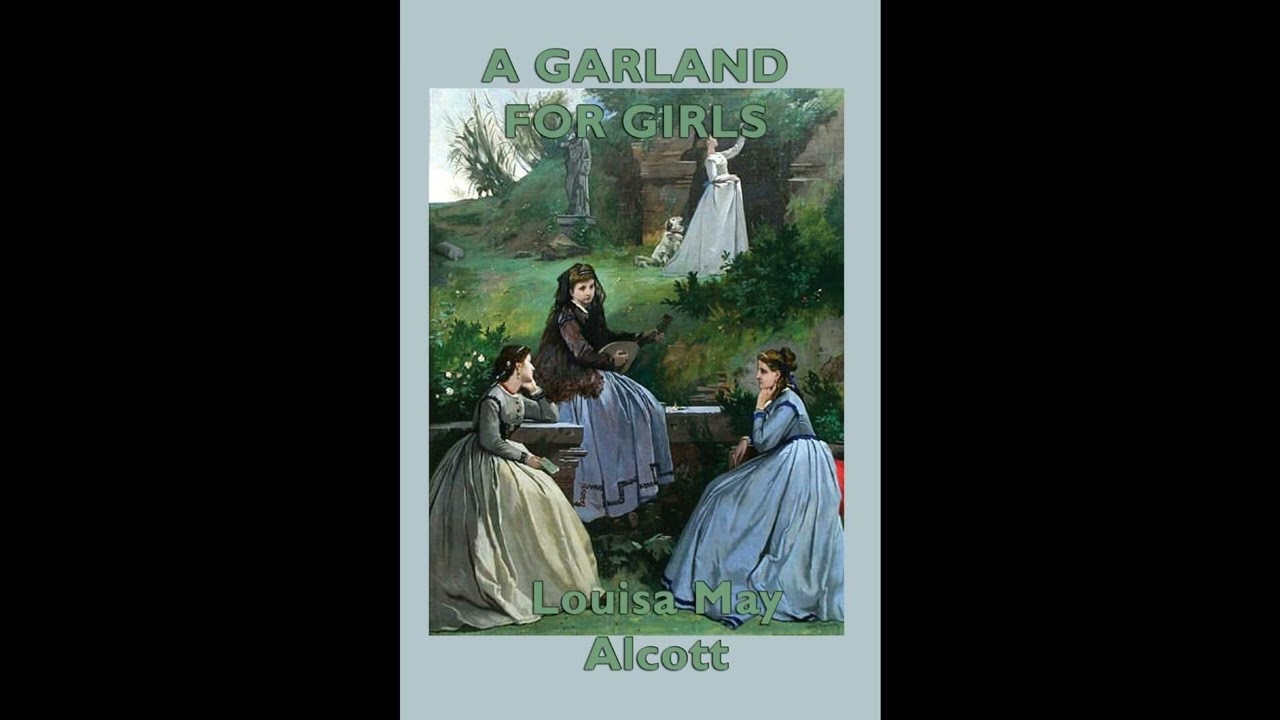
A Garland For Girls
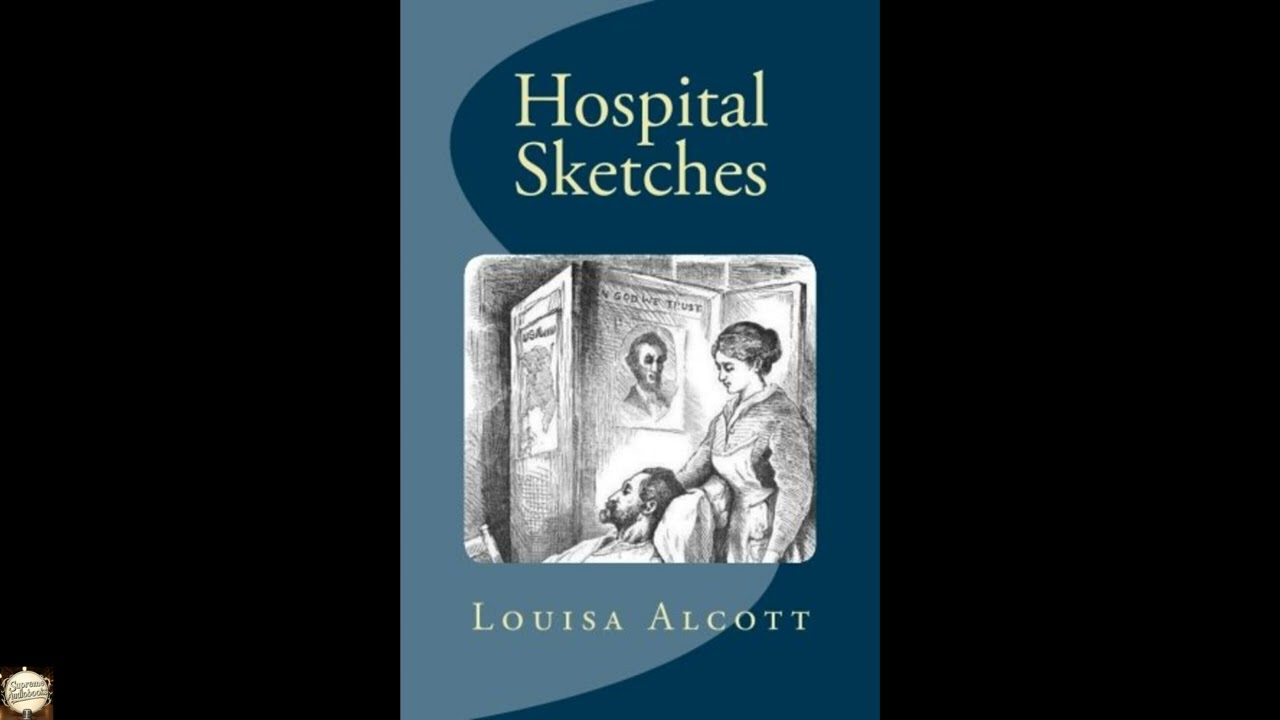
For anyone who finds solace and wisdom in the tender lessons of girlhood, A Garland For Girls offers a refreshing dive into the often-overlooked corners of Louisa May Alcott's literary garden. This collection of short stories, published in 1888, presents a gentler, yet no less profound, vision of young women navigating the complexities of their inner worlds and the wider society around them. Far from the sprawling sagas of the March sisters, these tales serve as miniature parables, each one a polished gem reflecting the enduring value of kindness, honesty, and self-improvement. Listening to these stories today is a chance to reconnect with a foundational voice in American letters, discovering anew the quiet strength and moral clarity that shaped generations of readers. It’s an invitation to pause, reflect, and perhaps find a piece of ourselves—or the girls we once were—within these charming narratives. The book is comprised of ten distinct stories, each set against the familiar backdrops of nineteenth-century New England: sun-dappled parlors, bustling schoolrooms, and tranquil country gardens. Listeners meet a host of memorable young characters, from the impulsive Polly and the vain Rose, to the diligent Deborah and the imaginative Daisy. While the specific dilemmas vary from tale to tale, the overarching focus remains on the development of character and the quiet triumphs over common youthful foibles. A girl might struggle with a quick temper, learning through a mishap to cultivate patience, or another might grapple with the temptation of idleness, discovering the satisfaction of productive effort. Each narrative unfolds with a clear, guiding hand, demonstrating how small choices and daily interactions build the foundations of a virtuous life. These aren't stories of grand adventures or dramatic confrontations, but rather a series of intimate portraits, focusing on internal growth and the subtle shifts in perspective that lead to maturity. We see girls learning the value of generosity when faced with poverty, understanding the importance of sincerity over affectation, or discovering courage in unexpected moments. The stories often involve gentle guidance from loving parents or wise elders, alongside the natural consequences of youthful mistakes, all contributing to an overarching atmosphere of tender moral instruction. Without revealing the specific resolutions, each story consistently illustrates how self-awareness, compassion for others, and a commitment to personal rectitude ultimately lead to happiness and peace. Louisa May Alcott, born in 1832 in Germantown, Pennsylvania, and raised predominantly in Concord, Massachusetts, stands as one of America's most beloved authors. Her early life was marked by intellectual stimulation from her father, the Transcendentalist philosopher Amos Bronson Alcott, and proximity to literary giants like Ralph Waldo Emerson and Henry David Thoreau. Yet, her family's persistent financial struggles meant that Louisa began working at a young age, often as a teacher, governess, or seamstress, endeavors that provided her with a rich understanding of various social strata and the lives of working women. Her experiences during the Civil War as a nurse in Washington D.C. profoundly impacted her, giving rise to her Hospital Sketches, a vivid and realistic account of wartime suffering. While Hospital Sketches offered a glimpse of Alcott's more serious literary capabilities, it was the overwhelming success of Little Women in 1868 that solidified her place in literary history. This semi-autobiographical novel about the four March sisters captured the hearts of readers, establishing Alcott as a leading voice in children's literature and domestic fiction. She followed this triumph with numerous other popular works, including Little Men, Jo's Boys, An Old-Fashioned Girl, Eight Cousins, and Rose in Bloom, often revisiting themes of family, education, and the lives of young people. Alcott’s ability to portray realistic, flawed, yet aspirational characters cemented her legacy, positioning her as a pioneer in American realism within the context of Romantic idealism, particularly for young audiences. She passed away in 1888, shortly after A Garland For Girls was published. A Garland For Girls beautifully enacts several core themes central to Alcott's enduring appeal. Foremost is the theme of moral education and character development, exemplified in tales where girls confront flaws like vanity or selfishness. For instance, one story might introduce a character overly concerned with appearances, who learns through a humbling experience that inner beauty and genuine kindness hold far greater value than superficial charm. Another narrative might focus on a hot-tempered girl who, after causing distress to others, begins to cultivate patience and self-control, illustrating the power of conscious effort in shaping one's disposition. These narratives consistently reinforce the idea that true happiness stems from cultivating a good heart and a strong moral compass. Beyond individual growth, the book also highlights the profound value of home and family as nurturing spaces for development. Many of the stories depict warm, supportive domestic environments where lessons are learned through loving guidance and shared experiences. We see sisters learning to forgive and support one another, or parents gently steering their children towards wisdom and compassion. Furthermore, there's an underlying current of self-reliance, even within the structured world of girlhood. Characters often demonstrate ingenuity in solving problems or find unique ways to contribute to their households, subtly suggesting the importance of individual agency and the quiet strength of young women to shape their own paths. The cultural and literary landscape of the late nineteenth century provides essential context for understanding the genesis and appeal of A Garland For Girls. This was a period in America marked by rapid industrialization, social change, and a growing emphasis on childhood as a distinct phase requiring moral and intellectual cultivation. The market for children's literature was expanding, with a strong demand for stories that were both entertaining and instructive. Authors like Alcott responded to this need, crafting narratives that upheld Victorian ideals of domesticity, piety, and the proper upbringing of young women, yet often infused them with a progressive spirit regarding female independence and intellectual curiosity. Alcott’s work emerged from a tradition influenced by Transcendentalist thought, which valued individual conscience and moral uprightness, making her perfectly suited to produce stories that subtly instilled ethical principles while maintaining an engaging narrative. Listening to A Garland For Girls as an audiobook brings these gentle, reflective stories to life in a uniquely immersive way. The run length of several hours makes it an ideal companion for various occasions—whether enjoyed in short, meditative bursts during a commute or savored over an extended afternoon of quiet contemplation. A skilled narrator will imbue each character with a distinct voice, allowing the listener to clearly distinguish between the earnest young protagonists, their caring parents, and their occasional mischievous friends. Pay attention to the often-unhurried pacing, which perfectly mirrors the deliberate nature of moral reflection in the stories, and the warm, inviting atmosphere created through descriptive language and natural dialogue. This format allows the nuanced expressions of kindness, the quiet moments of introspection, and the subtle humor woven throughout Alcott's prose to truly resonate, offering a comforting and enriching listening experience.
Enjoyed A Garland For Girls? A few ways to support us
Audible & Amazon links are affiliate; we may earn a small commission at no extra cost.
About this production
Human narration by a volunteer reader from LibriVox.org, the public-domain audiobook project. LibriVox volunteers record literary works whose copyright has expired in the United States, releasing the resulting recordings into the public domain.
A Garland For Girls by Louisa May Alcott. The underlying text is in the U.S. public domain. We do not republish any modern copyrighted edition, translation, or commentary.
The 4K cinematic visuals accompanying this audiobook are generated by an AI image model from prompts derived from the source text. No copyrighted photos, paintings, or stock footage are used. AI generation is disclosed on every video on our YouTube channel as required by YouTube's altered/synthetic content policy.
English subtitles are transcribed from the LibriVox recording with OpenAI Whisper. Translations into the 11 other supported languages are produced by Meta's NLLB-200 neural translation model. No human translator's copyrighted translation is used.
Questions about sourcing or rights? See our DMCA & Sourcing policy or contact us.
Enjoyed this audiobook?
If you'd like to own a copy of A Garland For Girls or hear a professionally produced edition, the links below help support free audiobook production at no extra cost to you.
As an Amazon Associate we earn from qualifying purchases. Audible / print links are affiliate.