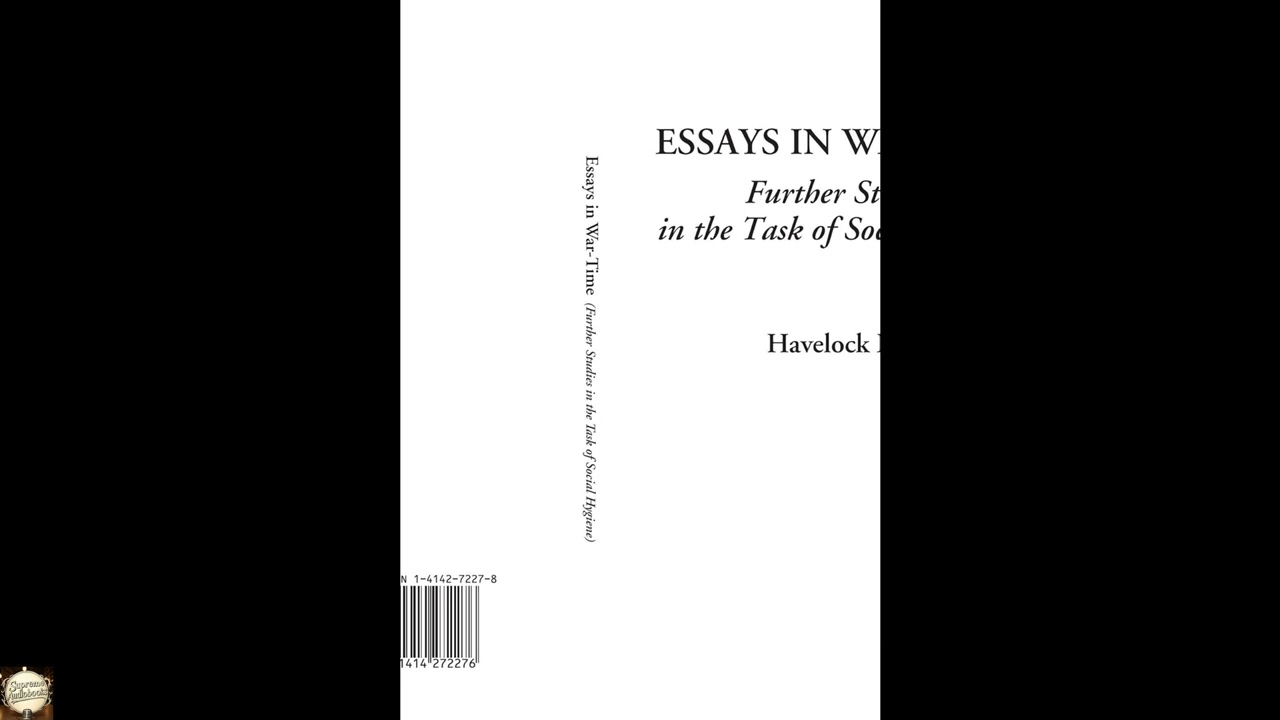
Essays in War-Time Further Studies in the Task of Social HygieneEllis, Havelock,
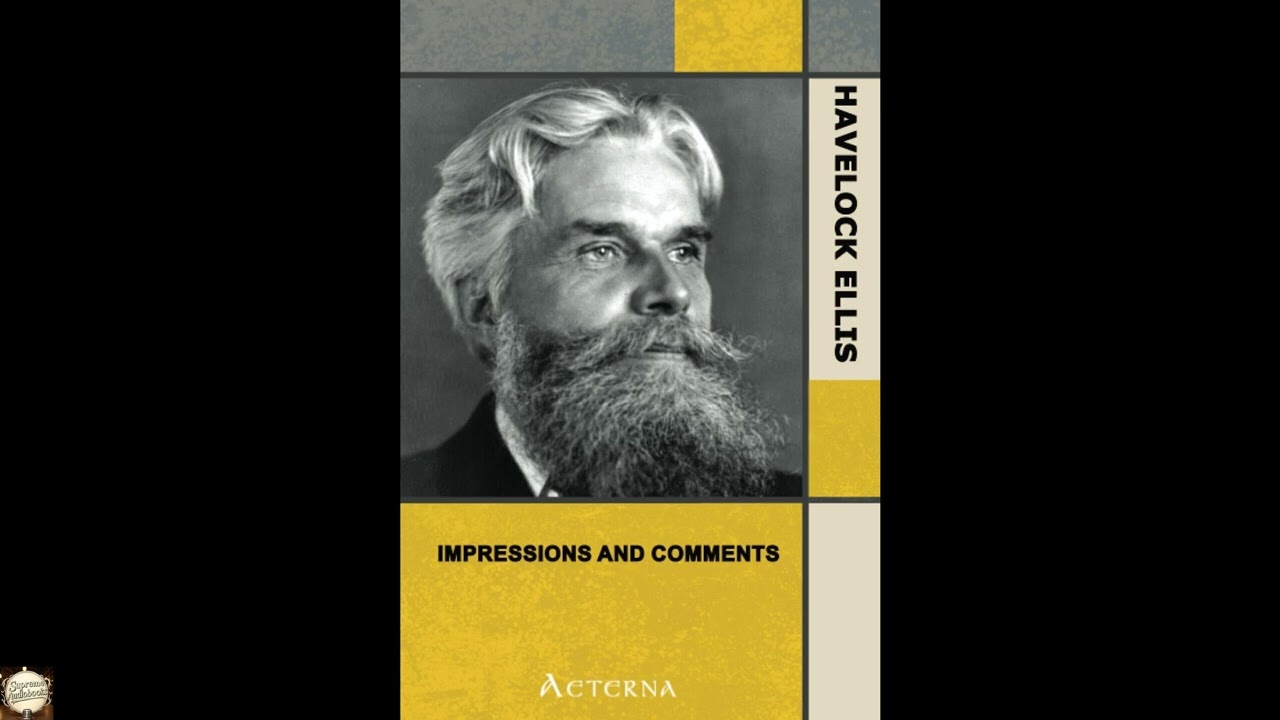
In a world constantly grappling with evolving public health crises, the profound impact of war, and the ongoing struggle to define societal progress, Havelock Ellis’s Essays in War-Time Further Studies in the Task of Social Hygiene emerges not merely as a historical document but as a startlingly prescient collection of insights. Originally penned amidst the chaos and transformation of the First World War, these essays confront the very foundations of human existence and social organization. Ellis, a pioneering intellect of his time, forces us to consider how conflict exposes our deepest vulnerabilities and, simultaneously, catalyzes urgent reevaluations of public health, sexuality, and the very structure of society. This book is a direct challenge to the listener to engage with perennial questions: how do societies maintain their health—both physical and moral—under immense pressure, and what radical shifts are necessary for true human flourishing? It offers a lens through which to understand not just the past, but the recurring patterns of human response to crisis, making its arguments surprisingly resonant for our own turbulent era. This collection of essays offers a sweeping intellectual panorama, charting the landscape of social hygiene during a period of unprecedented global upheaval. Ellis frames his observations against the backdrop of the Great War, which acts as a powerful catalyst, magnifying existing social issues and bringing new ones to the forefront. The "setting" is thus a society under immense stress, grappling with the loss of life, the disruption of traditional family structures, and the emergence of new roles for women and medicine. There are no traditional "main characters" in a narrative sense; instead, the central figures are the ideas themselves: public health initiatives, moral debates surrounding sexuality, discussions of population control, and the burgeoning field of social medicine. Ellis acts as the astute observer and analytical voice, guiding the reader through complex arguments, often dissecting prevailing orthodoxies with a calm, scientific demeanor. The central conflict animating these essays is the tension between traditional social norms, often rooted in Victorian morality, and the pressing, pragmatic demands of a society in crisis. Ellis confronts issues like venereal disease, which the war brought into stark relief, not with judgment, but with an appeal for scientific understanding and public health intervention. He scrutinizes the effects of war on birth rates, on mental health, and on the perceived "fitness" of the nation, constantly pushing for a rational, evidence-based approach to societal betterment. The arc of the collection moves from diagnostic assessment of these challenges to a considered plea for a more enlightened, compassionate, and scientifically informed approach to social problems, often advocating for reforms that were revolutionary for his time. While Ellis offers incisive critiques and bold suggestions, the collection does not conclude with definitive, single-bullet solutions, but rather with a profound invitation to continued ethical and scientific inquiry into the complex interplay of human biology, psychology, and society. Havelock Ellis, born Henry Havelock Ellis in Surrey, England, in 1859, was a physician, writer, and social reformer whose life work fundamentally reshaped the study of human sexuality and society. After briefly working as a teacher in Australia, he returned to England to pursue medical studies, qualifying as a doctor in 1889. However, his passion lay not in clinical practice but in writing and research, particularly in the then-nascent fields of sexology and psychology. He was a foundational figure in the late nineteenth and early twentieth-century intellectual movement that sought to apply scientific rigor and an open mind to human behavior, often challenging deeply entrenched Victorian moral codes. His most famous work, the seven-volume Studies in the Psychology of Sex, published between 1897 and 1928, was groundbreaking for its systematic, objective approach to human sexual behavior, challenging taboos and advocating for greater understanding and tolerance. Ellis was a prolific writer, contributing to a wide array of topics beyond sexuality, including literature, philosophy, and social commentary. He was an early proponent of women's rights and a vocal advocate for rational approaches to societal problems, often placing him at the vanguard of progressive thought. His contemporaries recognized him as a significant intellectual force, even as some of his ideas, particularly concerning eugenics—a complex and often troubling scientific movement of the era—remain subjects of historical debate. He also served as the editor for the influential "Contemporary Science Series," which introduced many new scientific and psychological ideas to the English-speaking public. Ellis continued his work throughout his life, becoming a respected figure in the intellectual landscape until his passing in 1939, leaving behind a legacy as a courageous truth-seeker who dared to confront society's most uncomfortable questions. One of the central themes woven through Essays in War-Time is the critical importance of social reform guided by scientific principles. Ellis repeatedly demonstrates how societal progress is hampered by ignorance and moralistic judgment, particularly concerning public health. For instance, in essays addressing the prevalence of venereal disease during wartime, he does not resort to condemnation of individuals. Instead, he systematically analyzes the causes, the societal costs, and the inadequacy of existing responses, advocating for comprehensive public education and accessible medical treatment as essential components of national strength. This perspective foregrounds the idea that public health is a collective responsibility, not merely an individual failing, challenging the prevailing notion that such ailments were solely a matter of personal vice. Another significant theme is the redefinition of national fitness and population health in the face of crisis. The Great War profoundly impacted demographics and generated anxieties about the future of the British population. Ellis’s essays address topics like birth control and eugenics—the controversial science of improving a human population through selective breeding—which was a significant intellectual current of the period. While modern readers approach discussions of eugenics with caution due to its later abuses, Ellis's engagement reflects a then-widespread concern among progressive thinkers about applying biological knowledge to societal well-being. He was interested in fostering a healthier, more intelligent populace, which he believed was crucial for national vitality, illustrating how the war compelled a deeper examination of the biological and social factors influencing a nation's strength and resilience. The early twentieth century, particularly the years during and immediately following the First World War (1914-1918), provided a tumultuous backdrop against which Ellis's essays gained urgent relevance. The war itself was an unprecedented global conflict that reshaped political maps, shattered social norms, and claimed millions of lives, both military and civilian. This era saw immense cultural upheaval: women were entering the workforce in large numbers, challenging traditional gender roles; advances in medicine and psychology were beginning to transform understandings of the human mind and body; and the burgeoning field of social science sought to apply scientific methods to societal problems. There was a palpable sense of anxiety about national decline, coupled with a fervent desire for social regeneration once peace was restored. Against this backdrop, public health issues, exacerbated by the war, became undeniable. The movement of troops, the concentration of populations, and the stress of conflict created fertile ground for infectious diseases, while the psychological trauma of war brought mental health into sharper focus. Ellis's work emerged directly from this crucible. His essays were a direct response to these pressing concerns, offering a progressive, scientific voice amidst a cacophony of moralizing and traditionalist views. He aimed to cut through rhetoric and sentimentality to address the practical challenges of maintaining a healthy society when the very fabric of that society was under immense strain, making his contributions not just observations but also pleas for enlightened action. Listening to Essays in War-Time as an audiobook offers a unique gateway into the mind of a pivotal intellectual figure and the pressing concerns of a bygone yet resonant era. The several hours of listening time provide ample opportunity to absorb Ellis's carefully constructed arguments and nuanced perspectives, allowing the listener to engage deeply with ideas that often challenge conventional thinking. A skilled narrator can bring clarity and depth to Ellis's prose, illuminating the historical context and the intellectual force behind his often radical proposals. Paying attention to the pacing can reveal the methodical nature of his reasoning, while the sustained voice of the narrator creates an intimate, conversational atmosphere, as if Ellis himself is presenting his findings directly to you. This format is ideal for those who appreciate intellectual history and social commentary, offering a chance to truly inhabit the thought processes of a reformer grappling with profound societal questions during a period of immense change, without the visual distraction of print, encouraging thoughtful contemplation.
Enjoyed Essays in War-Time Further Studies in the Task of Social HygieneEllis, Havelock,? A few ways to support us
Audible & Amazon links are affiliate; we may earn a small commission at no extra cost.
About this production
Human narration by a volunteer reader from LibriVox.org, the public-domain audiobook project. LibriVox volunteers record literary works whose copyright has expired in the United States, releasing the resulting recordings into the public domain.
Essays in War-Time Further Studies in the Task of Social HygieneEllis, Havelock, by Havelock Ellis. The underlying text is in the U.S. public domain. We do not republish any modern copyrighted edition, translation, or commentary.
The 4K cinematic visuals accompanying this audiobook are generated by an AI image model from prompts derived from the source text. No copyrighted photos, paintings, or stock footage are used. AI generation is disclosed on every video on our YouTube channel as required by YouTube's altered/synthetic content policy.
English subtitles are transcribed from the LibriVox recording with OpenAI Whisper. Translations into the 11 other supported languages are produced by Meta's NLLB-200 neural translation model. No human translator's copyrighted translation is used.
Questions about sourcing or rights? See our DMCA & Sourcing policy or contact us.
View 10 famous quotes from this book →
Enjoyed this audiobook?
If you'd like to own a copy of Essays in War-Time Further Studies in the Task of Social HygieneEllis, Havelock, or hear a professionally produced edition, the links below help support free audiobook production at no extra cost to you.
As an Amazon Associate we earn from qualifying purchases. Audible / print links are affiliate.