A Gentleman's Gentleman - 1909
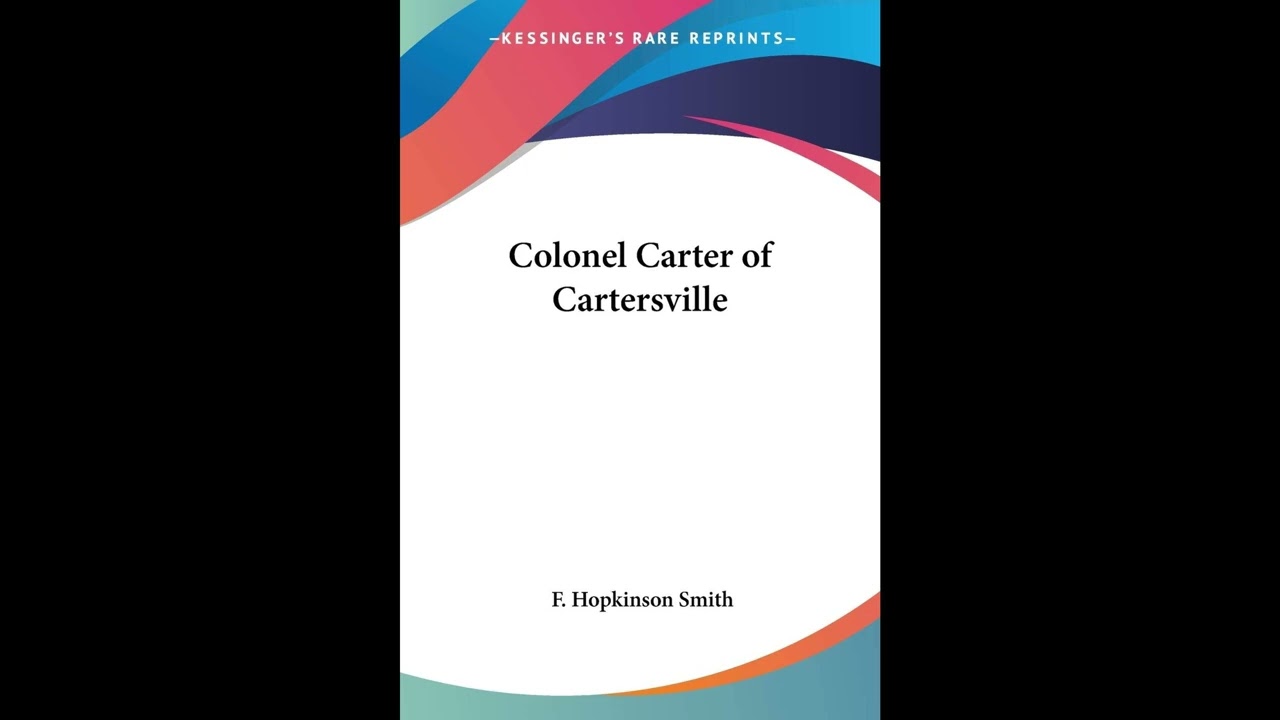
The crackle of starched linen, the glint of polished silver, the murmur of discreet conversation behind closed doors—these are the subtle textures of a world seen through a unique lens. Francis Hopkinson Smith's "A Gentleman's Gentleman" invites listeners into the early twentieth century through the eyes of Fitzwilliam, a valet whose profession grants him an unparalleled, intimate vantage point into the lives of the social elite he serves. Far from a mere servant, Fitzwilliam is a quiet observer, a confidant, a keeper of secrets, and a witness to the profound and often humorous eccentricities of human nature. This book offers more than just a glimpse into a bygone era of meticulous manners and strict social codes; it provides a commentary on loyalty, appearances, and the quiet dignity found in service, themes that resonate just as powerfully in any age. The story unfolds not as a singular, dramatic narrative with a clear-cut conflict, but as a series of astute observations and gentle anecdotes drawn from Fitzwilliam's career. We are introduced to Fitzwilliam as a man of refined sensibilities and unshakeable professionalism, a quiet presence whose life is devoted to the comfort and decorum of his various employers. His sphere of influence extends through the grand homes and exclusive clubs of early 1900s New York, where he moves with unobtrusive efficiency, anticipating needs, smoothing over domestic ruffled feathers, and ensuring that the public face of his gentlemen is always impeccably presented. Through Fitzwilliam's discerning gaze, we meet a succession of gentlemen, each with their individual quirks, foibles, and personal dramas. There are the demanding but ultimately kind-hearted figures, the absent-minded scholars, the boisterous captains of industry, and the quietly despairing men of society. Fitzwilliam is privy to their private moments, their anxieties, their triumphs, and their quiet defeats—all the human elements that lie beneath the polished veneer of their public lives. He never judges, merely observes with a practiced eye, offering counsel when asked and always maintaining the utmost discretion. The arc of the story is Fitzwilliam’s accumulated wisdom, his deep understanding of human character, and his steadfast commitment to the exacting standards of his profession, painting a picture of a world both grand and surprisingly vulnerable. The author, Francis Hopkinson Smith (1848-1915), was a man of remarkable talents and varied careers, a true polymath who excelled in multiple fields. Born in Baltimore, Maryland, he first achieved renown as a civil engineer. His engineering prowess was considerable, leading him to design and construct lighthouses along the Atlantic coast and to lay the coffer-dam foundations for the pedestal of the Statue of Liberty in New York Harbor—a monumental task that speaks to his technical skill and practical ingenuity. Not content with engineering alone, Smith also cultivated a successful career as an artist, particularly noted for his watercolors. His paintings were exhibited widely and received critical acclaim, demonstrating a sensitivity and artistic eye that complemented his scientific precision. It was later in life that Smith turned his prodigious energies to literature, finding widespread popularity as a novelist and short story writer. His writing style was characterized by warmth, humor, and a keen, affectionate observation of character and regional nuance. He often drew upon his Southern heritage, depicting gentlemen and scenes that evoked a certain genteel charm and an enduring sense of honor. Among his most beloved creations is the character of Colonel Carter, featured in Colonel Carter of Cartersville, a figure who embodies the idealized Southern gentleman of a bygone era. Smith’s literary output, including "A Gentleman's Gentleman," reflects a blend of realism and a tender nostalgia, positioning him as a significant voice within late 19th and early 20th century American letters, a writer who captured the essence of an evolving nation with grace and genuine affection. "A Gentleman's Gentleman" operates on several thematic levels, offering more than just a nostalgic glance backward. Central to the narrative is the theme of class and social observation, highlighted by Fitzwilliam's unique position. As a servant, he is an essential part of the household fabric, yet socially distinct. This allows him to see the true nature of the wealthy—their private anxieties and insecurities—that are carefully hidden from their peers. For example, he might witness a prominent financier, seemingly unruffled in public, displaying a peculiar dependence on his valet for simple tasks or reassurance before a critical meeting, revealing the gap between projected image and personal reality. Another prominent theme is loyalty and dignity in service. Fitzwilliam's unwavering dedication to his employers, his meticulous attention to detail, and his unshakeable discretion underscore the profound sense of pride and moral integrity he brings to his profession. He is not merely performing tasks; he is upholding a tradition, embodying a standard of excellence that transcends the mere transactional nature of employment. His quiet fortitude demonstrates that true dignity is found not in social standing, but in the character and conduct of the individual, regardless of their station. The early 1900s, when "A Gentleman's Gentleman" was written, stood at a fascinating crossroads in American history. The opulent excesses of the Gilded Age were giving way to the stirrings of the Progressive Era, a time of social reform and increasing awareness of economic inequality. While vast fortunes were still being made and displayed, there was also a growing cultural conversation about the lives of ordinary people and the changing nature of work. Domestic service, as depicted in the book, was a cornerstone of wealthy households, a highly organized profession with its own rigid etiquette and expectations. Smith's book emerged from a period grappling with tradition versus modernity, capturing a sense of a world in transition. It reflects a cultural fascination with the intricacies of high society, but also an underlying appreciation for the enduring human qualities that transcend social divides. The detailed portrayal of a gentleman's gentleman offers a valuable historical record of a specific social role that was slowly diminishing with the advent of new technologies and shifting social structures, preserving a snapshot of an age on the cusp of significant change. Listening to "A Gentleman's Gentleman" as an audiobook brings Fitzwilliam's world to life with an immediacy that print alone cannot always achieve. The narrator's voice becomes the conduit for Fitzwilliam’s precise, observant, and often subtly humorous perspective, allowing his quiet dignity and keen insights to fully resonate. The pacing of the prose, often unhurried and thoughtful, lends itself beautifully to an auditory experience, inviting listeners to savor each observation and anecdote. Pay attention to the nuanced dialogue, which distinctively captures the varied social registers of the era, from the clipped authority of a gentleman to the respectful replies of his valet. This is a story to settle into, its atmosphere of meticulous manners and quiet domestic dramas creating a truly immersive experience, ideal for unwinding after a long day or providing a cultured companion for a walk.
Enjoyed A Gentleman's Gentleman - 1909? A few ways to support us
Audible & Amazon links are affiliate; we may earn a small commission at no extra cost.
About this production
Human narration by a volunteer reader from LibriVox.org, the public-domain audiobook project. LibriVox volunteers record literary works whose copyright has expired in the United States, releasing the resulting recordings into the public domain.
A Gentleman's Gentleman - 1909 by Francis Hopkinson Smith. The underlying text is in the U.S. public domain. We do not republish any modern copyrighted edition, translation, or commentary.
The 4K cinematic visuals accompanying this audiobook are generated by an AI image model from prompts derived from the source text. No copyrighted photos, paintings, or stock footage are used. AI generation is disclosed on every video on our YouTube channel as required by YouTube's altered/synthetic content policy.
English subtitles are transcribed from the LibriVox recording with OpenAI Whisper. Translations into the 11 other supported languages are produced by Meta's NLLB-200 neural translation model. No human translator's copyrighted translation is used.
Questions about sourcing or rights? See our DMCA & Sourcing policy or contact us.
Enjoyed this audiobook?
If you'd like to own a copy of A Gentleman's Gentleman - 1909 or hear a professionally produced edition, the links below help support free audiobook production at no extra cost to you.
As an Amazon Associate we earn from qualifying purchases. Audible / print links are affiliate.