About Henry James
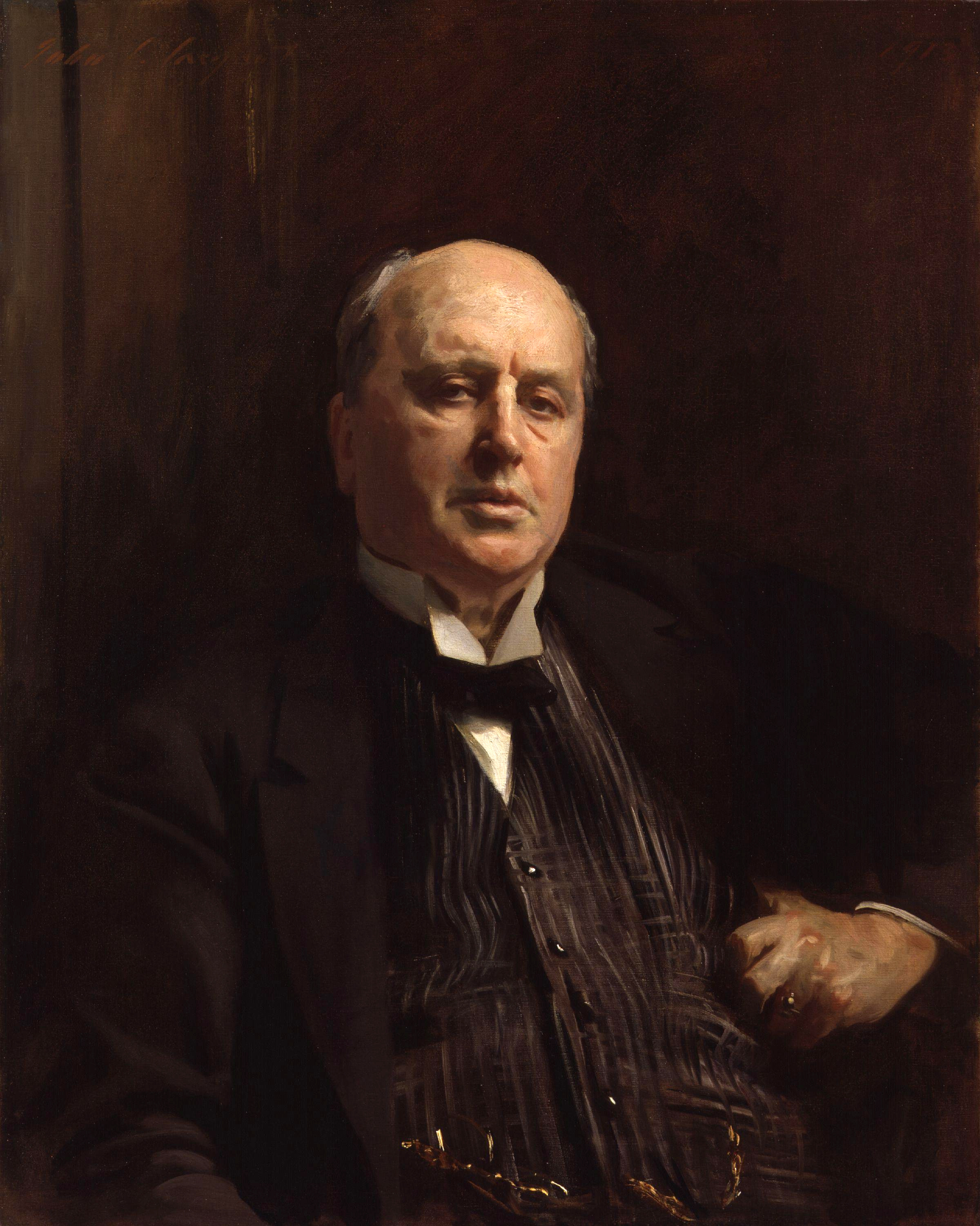
A pivotal figure in transatlantic literature, Henry James was born in New York City on April 15, 1843, and became a naturalized British subject just before his death in London on February 28, 1916. The son of a prominent philosopher and the younger brother of pioneering psychologist William James, he spent much of his childhood crisscrossing Europe, attending schools in France, Switzerland, and England. This unconventional and cosmopolitan upbringing, rather than any formal university education, profoundly shaped his unique perspective on national identity and cultural differences, which would become central to his fiction. Though he briefly attempted law studies at Harvard, his true vocation lay in letters.
James turned to writing in his early twenties, publishing reviews and short stories in American periodicals such as *The Atlantic Monthly* and *Scribner's Magazine*. He entered a publishing world increasingly interested in psychological realism and social commentary, one that straddled both sides of the Atlantic. His early novels laid groundwork, but it was *Daisy Miller* in 1878 that first brought him widespread recognition, a novella vividly depicting the social misunderstandings and tragic fate of an innocent American girl encountering rigid European society. This work firmly established his "international theme"—the enduring contrast between American directness and European sophistication, often laced with corruption.
Over a prolific career spanning more than fifty years, James crafted a substantial body of work that continues to resonate with readers. Among his most celebrated novels is *The Portrait of a Lady*, which follows the spirited American heiress Isabel Archer as she navigates the complexities of European society and a deceptive marriage. In *The Turn of the Screw*, he masterfully employs ambiguity as a governess recounts unsettling supernatural events involving her young charges—leaving the reader to question the reality of her perceptions. *The Ambassadors* tells of an older American sent to retrieve a young man from the lures of Parisian life, only to find himself seduced by the city’s charms. His later "major phase" novels, like *The Wings of the Dove*, further refined his detailed psychological studies, detailing the emotional and moral quandaries of characters entangled in complex social webs.
James's distinctive style is characterized by its meticulous psychological observation, elaborate sentence structures, and a keen focus on the inner lives of his characters. He frequently employed a limited point of view, meticulously filtering events through the consciousness of one character, often leaving ultimate interpretations open to the reader. His recurring themes include the clash of cultures, moral dilemmas, the nature of appearance versus reality, and the search for identity within strict social confines. For instance, the central mystery of *The Turn of the Screw* is never definitively resolved, forcing the audience to consider the governess's subjective reality as much as any objective truth, illustrating his profound interest in the workings of the mind and the unreliability of perception.
Henry James stands as a towering figure in both American and English literature, a bridge between the realistic novels of the 19th century and the psychological modernism of the 20th. He advanced the novel as an art form, influencing subsequent generations of writers, including Virginia Woolf, Edith Wharton, and Ford Madox Ford, through his innovative narrative techniques and deep psychological insight. His work encouraged a deeper psychological approach to character and narrative perspective, shaping the course of modern fiction. His enduring narratives, with their sharp insights into human nature and society, offer listeners an unparalleled window into the delicate nuances of human experience.
More on Wikipedia →