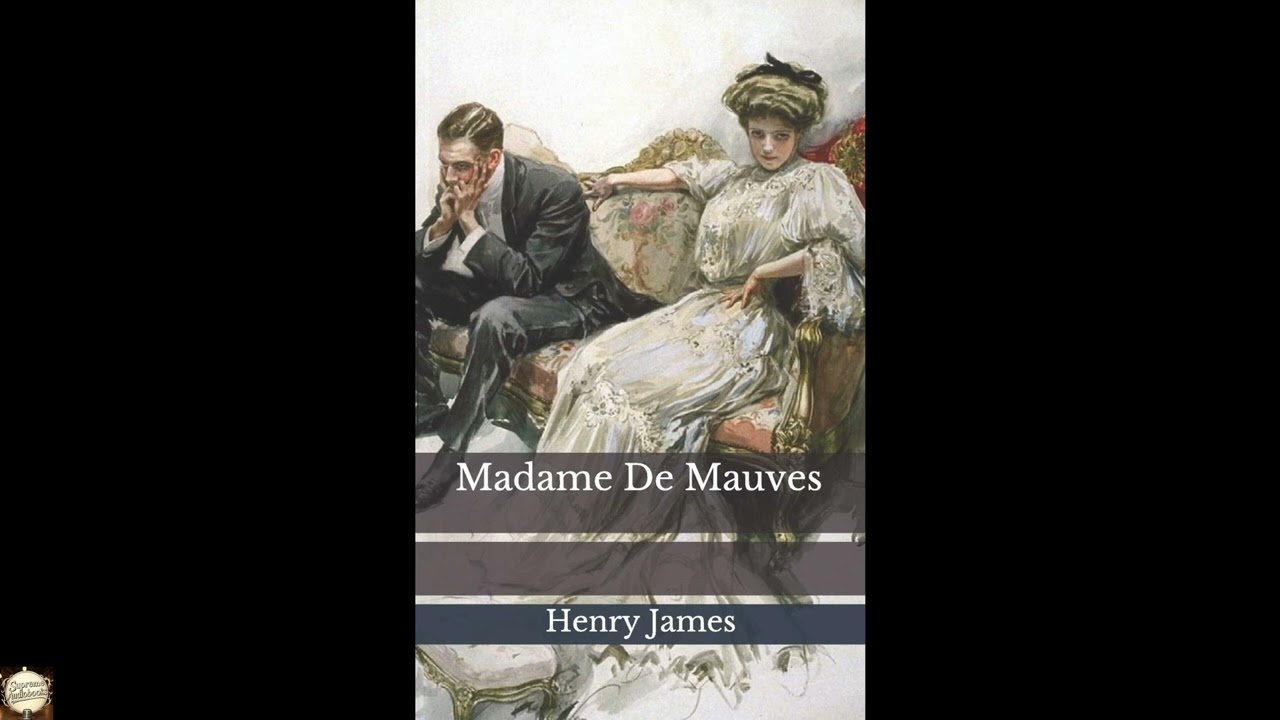
Madame De Mauves
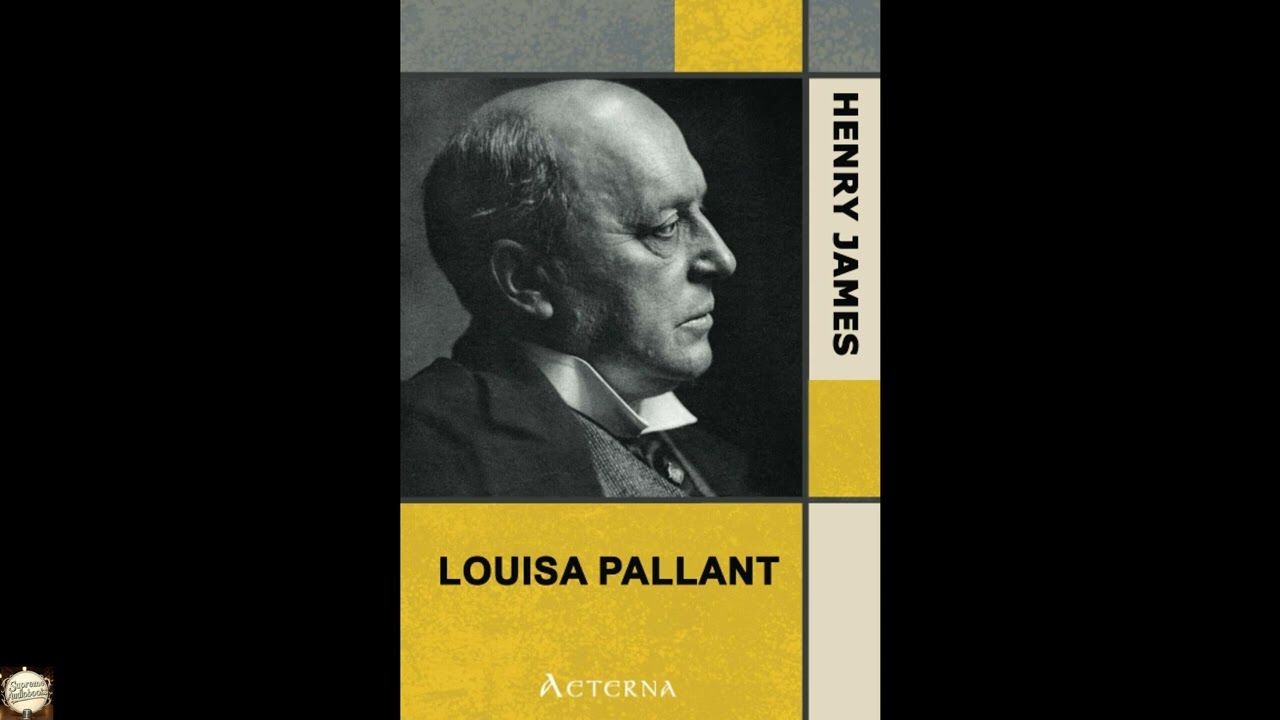
Henry James’s novella Madame De Mauves offers a piercing glimpse into the moral and social conflicts that define human relationships, a story as relevant today as when it first appeared in print. This is not merely a historical curiosity; it is a profound study of integrity, disillusionment, and the relentless pressure of societal expectations. It presents a collision of cultures – American earnestness against European cynicism – played out within the intimate sphere of a marriage, forcing us to consider the true cost of adhering to one's principles in a world that often rewards compromise. For anyone who has wrestled with personal authenticity in the face of external pressures, or grappled with the pain of an unequal partnership, this story resonates with an enduring, quiet power. The story unfolds in the elegant drawing-rooms and sun-dappled gardens of mid-nineteenth century France, a setting that initially promises romance but soon reveals a deeper malaise. At its heart is Euphemia de Mauves, born Euphemia Cleve, a young American woman of exceptional moral clarity and high ideals. She has married Count Richard de Mauves, a French aristocrat whose charm, at first disarming, slowly peels away to reveal a man of profound superficiality, open infidelity, and corrosive cynicism. Her marriage, intended as a union of affection and respect, quickly devolves into a source of profound unhappiness and isolation for Euphemia. Into this troubled domestic scene steps Longmore, another American expatriate and a family friend. He is an observer, a thoughtful and sensitive man who becomes increasingly captivated by Euphemia’s quiet suffering and her unwavering dignity. Longmore witnesses the Count's blatant disloyalty and, more shockingly, the Count's perverse suggestion that Longmore should become Euphemia's lover. The Count believes this would make Euphemia more "French" and, in his warped view, normalize their dysfunctional marriage. This proposition throws both Longmore and Euphemia into a moral maelstrom, challenging their American notions of honor, fidelity, and self-respect. Euphemia, despite her personal anguish, steadfastly refuses to compromise her principles, creating an unbearable tension between her personal integrity and the increasingly brazen pressures of her husband's immoral world. Henry James, born in New York City in 1843, would become one of the most significant figures in English literature, though he spent the vast majority of his adult life living and writing in Europe, eventually becoming a naturalized British subject in 1915, a year before his death in 1916. The son of a prominent philosopher, Henry James Sr., and brother to the influential psychologist William James, he grew up in an intellectually stimulating environment. His extensive travels through Europe during his youth profoundly shaped his artistic vision, leading him to become the foremost chronicler of what he termed the "international theme"—the encounter between American innocence (or naivete) and European experience (or corruption). James began his career in the 1860s, publishing short stories and reviews, and quickly established a reputation for his astute psychological observations and finely wrought prose. His early novella, Daisy Miller, published just a few years after Madame De Mauves, brought him widespread recognition. He continued to produce a prodigious body of work, including monumental novels like The Portrait of a Lady, The Wings of the Dove, and The Ambassadors, alongside chilling psychological tales such as The Turn of the Screw. James's place in the literary canon is secured by his pioneering work in psychological realism, his keen examination of social mores, and his complex, nuanced portrayal of characters caught between cultural expectations and personal desires. He elevated the novel to an art form, focusing on the inner lives of his characters with unprecedented depth. The novella powerfully enacts several enduring themes. Foremost among these is the stark contrast between American innocence and European experience, or perhaps more accurately, American idealism versus European decadence. Euphemia’s unwavering moral standards, a product of her American upbringing, collide violently with the jaded, amoral aristocratic society represented by her husband, Count de Mauves, and his sister, Mrs. Bergamote. Her refusal to engage in the cynical game of extramarital affairs, even when encouraged by her own husband, underscores this fundamental cultural clash. Her quiet strength in the face of such pressure speaks to the resilience of personal virtue. Another significant theme is the nature of marriage and societal expectations. James critiques the institution of marriage, particularly within the upper echelons of European society, where alliances were often based on lineage and convenience rather than affection or fidelity. The Count's behavior and the casual acceptance of his infidelities by his family reveal a social fabric where appearances are paramount and genuine moral feeling is often an inconvenience. Euphemia's suffering highlights the profound isolation that can result from adhering to a higher moral code in a world that has largely abandoned it. Her struggle forces us to question what constitutes a "good" marriage and what sacrifices, if any, are permissible in its maintenance. Published in 1874, Madame De Mauves emerged during a fascinating period of cultural and literary transition. In the United States, the post-Civil War era saw a burgeoning middle class with increasing means and a growing interest in European culture and travel. Americans, often depicted as earnest and morally upright, frequently found themselves bewildered by the older, more stratified, and seemingly morally relaxed societies of Europe. This dynamic provided fertile ground for writers like James. Concurrently, the literary world was moving away from the grand narratives of Romanticism towards a greater emphasis on realism and psychological depth. Authors were increasingly concerned with observing human behavior and social dynamics with meticulous detail. Madame De Mauves is a clear example of this shift, as James dissects the complexities of his characters' inner lives and the subtle nuances of social interaction, setting the stage for the international novels that would become his hallmark and cementing his reputation as a master of the form. To experience Madame De Mauves as an audiobook is to immerse oneself in James’s distinctive prose, allowing the complexities of his language and the subtleties of his characters to unfold aurally. James's sentences, often long and deliberately paced, invite a meditative listening experience, allowing listeners to fully grasp the layers of meaning in his observations and dialogue. A skilled narrator can illuminate the psychological tension, bringing Euphemia's quiet despair and Longmore’s internal conflict to vivid life through inflection and tone. The spoken word enhances the atmosphere of sophisticated drawing-rooms and moral dilemmas, making the listener a more intimate witness to the unfolding drama. This several-hours-long reading offers a perfect companion for reflective walks or quiet evenings, providing a rich, thoughtful engagement with a classic story that continues to challenge our understanding of integrity and human connection.
Enjoyed Madame De Mauves? A few ways to support us
Audible & Amazon links are affiliate; we may earn a small commission at no extra cost.
About this production
Human narration by a volunteer reader from LibriVox.org, the public-domain audiobook project. LibriVox volunteers record literary works whose copyright has expired in the United States, releasing the resulting recordings into the public domain.
Madame De Mauves by Henry James. The underlying text is in the U.S. public domain. We do not republish any modern copyrighted edition, translation, or commentary.
The 4K cinematic visuals accompanying this audiobook are generated by an AI image model from prompts derived from the source text. No copyrighted photos, paintings, or stock footage are used. AI generation is disclosed on every video on our YouTube channel as required by YouTube's altered/synthetic content policy.
English subtitles are transcribed from the LibriVox recording with OpenAI Whisper. Translations into the 11 other supported languages are produced by Meta's NLLB-200 neural translation model. No human translator's copyrighted translation is used.
Questions about sourcing or rights? See our DMCA & Sourcing policy or contact us.
Enjoyed this audiobook?
If you'd like to own a copy of Madame De Mauves or hear a professionally produced edition, the links below help support free audiobook production at no extra cost to you.
As an Amazon Associate we earn from qualifying purchases. Audible / print links are affiliate.