The White Bees
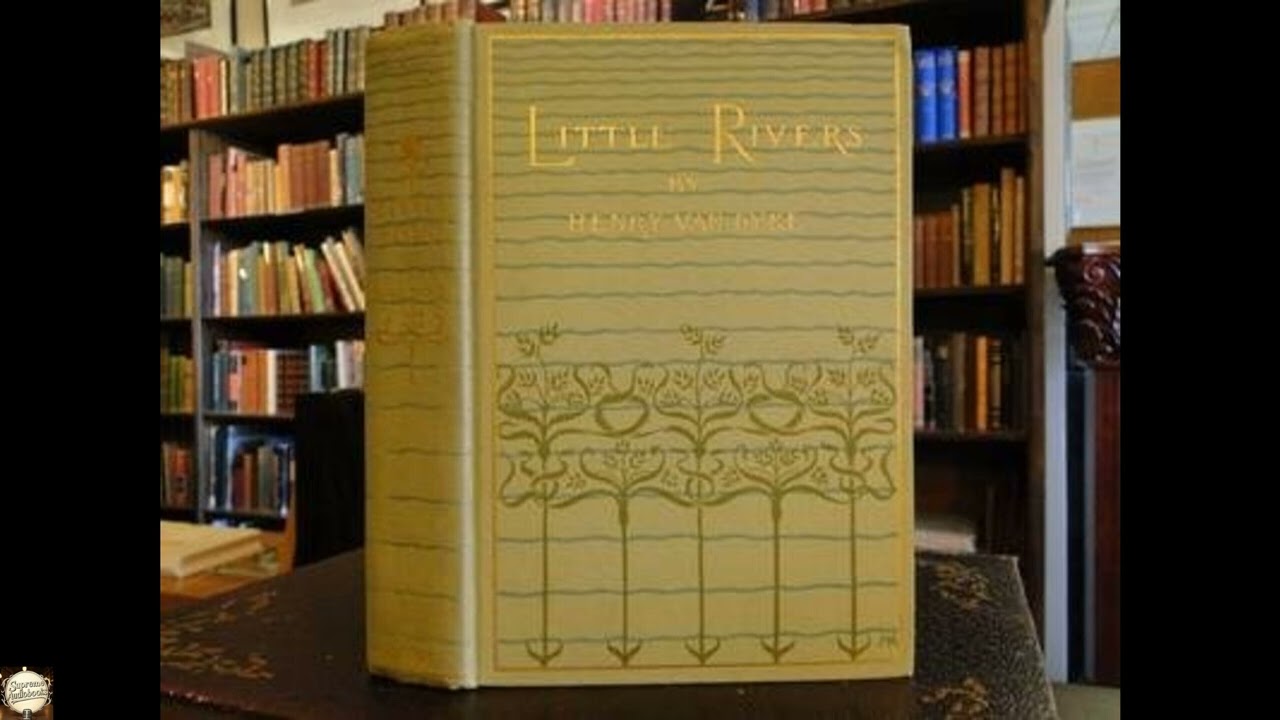
Step into a world where the hum of insects holds ancient wisdom and the quiet solitude of nature offers profound clarity. Henry Van Dyke’s The White Bees invites listeners to slow down, to breathe deeply, and to rediscover the intrinsic beauty and moral lessons woven into the fabric of the natural world. This isn’t merely a collection of observations; it presents a deeply contemplative narrative, an appeal to the enduring values that often elude us in our hurried modern existence. It asks whether true fulfillment lies in acquisition and ambition, or in the serene, often overlooked rhythms of life that continue outside the urban clamor. For anyone seeking a moment of peace, a reflective pause, or a gentle reminder of life's simpler, more profound truths, this offers a resonant, introspective experience. The story introduces us to Professor Alistair Finch, a scholar weary from years spent in dusty lecture halls and the relentless intellectual debates of the city. Feeling a creeping sense of spiritual fatigue, Finch retreats to a secluded cottage nestled within a rambling old orchard, a place he inherits from a distant, eccentric aunt. His intention is not merely a vacation, but a deliberate act of disengagement, an attempt to reconnect with a sense of wonder he fears he has lost. Here, among gnarled apple trees and overgrown rose bushes, he encounters the titular white bees. These are not ordinary bees; they are a rare, almost ethereal strain, said to possess a unique, pure honey and an uncanny sense of order that borders on the miraculous. As Professor Finch observes the methodical, diligent activity of the white bees, his initial scientific detachment begins to soften. He starts to see their silent industry, their unwavering purpose, and their communal harmony not just as biological phenomena, but as symbols of a deeper, spiritual architecture. The central conflict unfolds within Finch himself, a quiet battle between his learned skepticism and a burgeoning, almost childlike faith in the unseen forces guiding the natural world. He wrestles with the meaning of work, the value of community, and the persistent human quest for an elusive nectar—be it knowledge, wealth, or spiritual peace. The narrative arc follows his gradual transformation, moving from intellectual analysis to a more intuitive, heart-centered understanding, challenging his preconceived notions about what constitutes a truly meaningful life. The story leaves the reader pondering the profound impact of simplicity and nature’s quiet wisdom. Henry Van Dyke, born in Germantown, Pennsylvania, in 1852, lived a life marked by significant contributions across literature, academia, and public service. A prominent Presbyterian minister for many years, he later became a highly respected Professor of English Literature at Princeton University. His intellectual curiosity and deep moral conviction found expression in a prolific output of sermons, essays, short stories, and poems. Van Dyke’s work often fused a strong sense of Christian ethics with a profound appreciation for the natural world, reflecting a worldview that sought to find spiritual meaning in everyday experiences and settings. Beyond his literary and academic pursuits, Van Dyke also served as a diplomat, appointed by President Woodrow Wilson as Minister to the Netherlands and Luxembourg during the tumultuous years of World War I. This period of international service broadened his perspective and infused his later writings with an even greater sense of humanity and a plea for peace and understanding. He was a celebrated figure in the American literary landscape of the late 19th and early 20th centuries, part of a movement often characterized by its moral earnestness and a genteel style. Though perhaps less widely read today, his gentle prose and thoughtful insights continue to resonate, securing his place as an important voice in American letters. His other notable works include The Story of the Other Wise Man, a widely beloved Christmas novella, and Little Rivers, a collection of essays celebrating fly-fishing and the outdoors. The White Bees gracefully enacts several core themes, inviting contemplation on vital aspects of human experience. One significant theme is the search for spiritual meaning in an increasingly materialistic world. Professor Finch's initial disillusionment and his eventual gentle awakening through observing the bees illustrate a turn away from worldly ambition toward a more interior, nature-inspired understanding of purpose. For example, Finch initially judges the bees purely by their efficiency, but over time, he begins to perceive their diligence as a form of devotion, their honey a symbol of life's intrinsic sweetness, teaching him a quiet piety beyond dogma. Another powerful theme is the redemptive power of nature. The serene, orderly life of the orchard and the consistent, unassuming work of the bees act as a balm for Finch’s troubled spirit. He finds solace and clarity not in grand philosophical texts, but in the rustle of leaves and the steady rhythm of the hive, demonstrating how a simple connection to the natural environment can heal and provide perspective. Furthermore, the book subtly addresses the tension between intellectualism and intuition. Finch, a man of profound intellect, initially approaches the bees with a purely analytical mind. However, his transformation shows a gradual shift towards valuing observation and feeling over strict empirical analysis. He learns that some truths are felt rather than merely understood, echoing the age-old debate between head and heart. Finally, the idea of community and individual purpose within a larger whole is central. The organized society of the white bees, where each individual contributes to the common good, stands as a quiet yet potent metaphor for an ideal human society, offering a gentle critique of individualism and a call to communal harmony. The period in which Henry Van Dyke was active, spanning the late 19th and early 20th centuries, was a time of immense change in America. The nation was grappling with rapid industrialization, increasing urbanization, and the intellectual challenges posed by scientific advancements like Darwinism, which often clashed with traditional religious beliefs. There was a burgeoning sense of anxiety about the loss of traditional values and the perceived moral decay in a society driven by progress and materialism. This cultural backdrop made fertile ground for authors like Van Dyke, who offered reassurance and a moral compass. His works often served as a counterpoint to the grittier realism and naturalism emerging in literature at the time, instead promoting a more optimistic, idealistic view of humanity's potential for goodness and spiritual growth. The White Bees likely emerged as a response to this societal ferment, providing a quiet, reflective sanctuary for readers seeking a spiritual anchor amidst the prevailing currents of change, a gentle reminder that profound truths could still be found in the enduring simplicity of the natural world. Listening to The White Bees as an audiobook transforms the reflective prose into an immersive, auditory experience. The run length, several hours in duration, allows ample time to absorb Professor Finch's contemplative journey at a comfortable pace, perfect for quiet evenings, long walks, or moments of peaceful introspection. A skilled narrator can bring the subtle beauty of Van Dyke's language to life, allowing the listener to truly savor the descriptive passages of the orchard, the delicate hum of the bees, and Finch's internal monologues. Pay attention to the narrator’s pacing, which should mirror the measured, thoughtful rhythm of the text, never rushing, always allowing the listener space to reflect. The voice chosen for Finch, and for the ambient descriptions, often lends a gentle, wise quality, enhancing the atmosphere of quiet discovery. The dialogue, though perhaps sparse, carries significant weight, and a good narration will highlight its understated wisdom, drawing you deeper into the quiet, profound world Van Dyke has crafted.
Enjoyed The White Bees? A few ways to support us
Audible & Amazon links are affiliate; we may earn a small commission at no extra cost.
About this production
Human narration by a volunteer reader from LibriVox.org, the public-domain audiobook project. LibriVox volunteers record literary works whose copyright has expired in the United States, releasing the resulting recordings into the public domain.
The White Bees by Henry Van Dyke. The underlying text is in the U.S. public domain. We do not republish any modern copyrighted edition, translation, or commentary.
The 4K cinematic visuals accompanying this audiobook are generated by an AI image model from prompts derived from the source text. No copyrighted photos, paintings, or stock footage are used. AI generation is disclosed on every video on our YouTube channel as required by YouTube's altered/synthetic content policy.
English subtitles are transcribed from the LibriVox recording with OpenAI Whisper. Translations into the 11 other supported languages are produced by Meta's NLLB-200 neural translation model. No human translator's copyrighted translation is used.
Questions about sourcing or rights? See our DMCA & Sourcing policy or contact us.
Enjoyed this audiobook?
If you'd like to own a copy of The White Bees or hear a professionally produced edition, the links below help support free audiobook production at no extra cost to you.
As an Amazon Associate we earn from qualifying purchases. Audible / print links are affiliate.