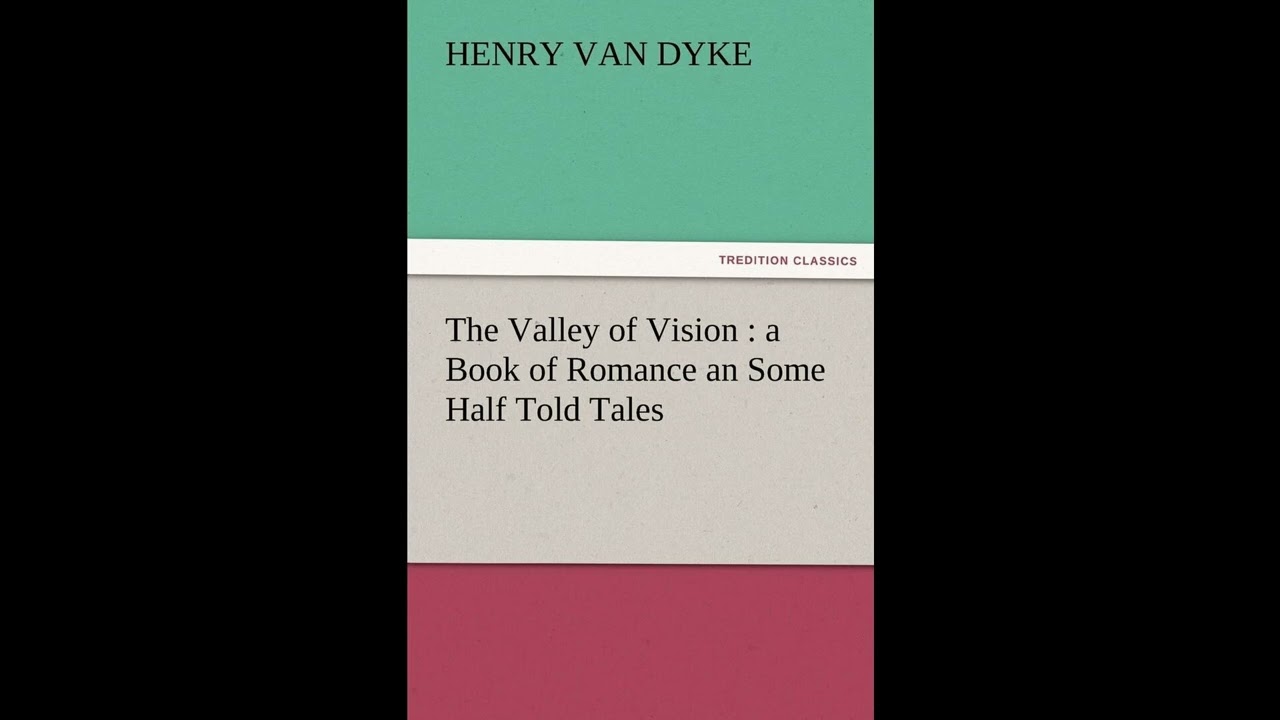
The Valley of Vision: A Book of Romance an Some Half Told Tales
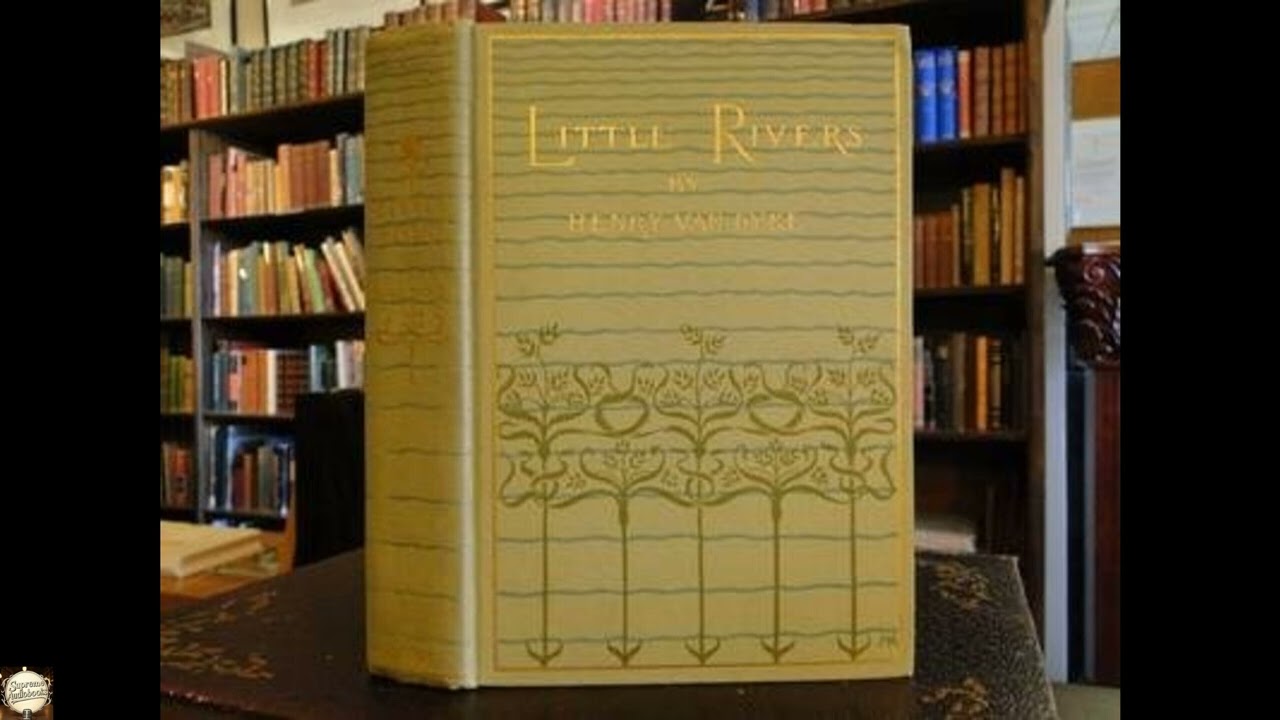
Step into a collection of stories that resonate with the enduring human spirit, "The Valley of Vision: A Book of Romance an Some Half Told Tales" by Henry Van Dyke offers a quiet invitation to reflect on life's deeper meanings. This acclaimed volume gathers a varied assortment of narratives, some fully formed, others presented as evocative sketches, all united by a gentle wisdom and a keen eye for the beauty and challenges of existence. It is literature designed not just to entertain, but to console, to inspire, and to remind us of the enduring power of idealism in a world that often seems to forget it. Listeners today will find a refreshing perspective, a calm and insightful voice from a bygone era that still speaks directly to the heart of contemporary concerns about purpose, connection, and the pursuit of truth. This collection, rather than following a single protagonist through a continuous plot, presents a mosaic of human experiences and natural observations. Each tale transports the listener to distinct settings, from the tranquil solitude of a lakeside cottage to the bustling streets of a city, or even to a metaphorical landscape where ideas take on form. The narratives introduce a diverse cast of characters—dreamers, artists, humble laborers, and seekers of spiritual enlightenment. A recurring element involves individuals facing moments of decision or revelation, often prompted by encounters with nature, acts of kindness, or sudden insights into their own lives. One story might follow a person wrestling with the definition of true wealth, discovering that possessions are not the ultimate measure of a life well-lived. Another might unfold a tender romance, charting the subtle unfolding of affection and understanding between two individuals. Still others are brief, poignant "half-told tales," leaving much to the imagination, suggesting a scene, a character, or a moral dilemma without resolving it definitively, thus encouraging personal contemplation. The overarching arc for the listener is one of continuous discovery, moving from one distinct world to another, each offering a fresh lens through which to view universal human concerns, without ever revealing the ultimate destination of any single story until its own natural conclusion. The author, Henry Van Dyke (1852-1933), was a figure of considerable influence in his time, a man whose varied career reflected his wide-ranging talents and interests. Born in Germantown, Pennsylvania, Van Dyke was educated at Princeton University and Princeton Theological Seminary, following in his family's tradition of Presbyterian ministry. He served as pastor of the Brick Presbyterian Church in New York City for many years, where his eloquent sermons and compassionate nature earned him widespread admiration. His commitment to education led him back to Princeton, where he became a distinguished Professor of English Literature, inspiring generations of students with his love for language and ideas. Beyond his academic and clerical duties, Van Dyke gained international recognition as a diplomat. During World War I, he served as the U.S. Minister to the Netherlands and Luxembourg, a crucial role that allowed him to witness and respond to the vast human upheaval of the conflict. His diplomatic work, like his writing, was marked by a deep sense of moral responsibility and a desire for peace. Throughout his life, Van Dyke remained a prolific writer, producing poetry, essays, and fiction that often fused his spiritual beliefs with a keen appreciation for the natural world. Many remember him for classic works such as "The Other Wise Man," a beloved Christmas story that has touched millions, and "Little Rivers," a collection of contemplative essays celebrating outdoor life, which firmly established his reputation as a gentle literary voice of his era. "The Valley of Vision" brings forth several profound themes that resonate with listeners seeking introspection and beauty. One prominent theme is the search for spiritual meaning beyond material pursuits. Stories often present characters who learn that true contentment comes from inner virtues, acts of charity, or a connection to a higher purpose, rather than from worldly success. For instance, a character might be shown realizing that the true grandeur of a "mansion" lies not in its size or opulence, but in the love and compassion cultivated within its walls, irrespective of their physical dimensions. Another significant theme is the transformative power of nature and beauty. Van Dyke frequently uses natural landscapes not merely as backdrops but as active forces in his narratives, capable of inspiring awe, providing solace, and offering profound insights. The changing seasons, the flow of rivers, and the quiet dignity of forests often mirror or influence the emotional and spiritual states of his characters, suggesting that a profound understanding of life is often found in harmony with the natural world. The idea that truth often presents itself subtly, requiring a moment of quiet reflection or a shift in perspective—the "vision" of the title—is also central, suggesting that profound understanding often arrives not through grand pronouncements, but through gentle perception and open-heartedness. Henry Van Dyke wrote during a period of significant societal change in America, spanning the late nineteenth and early twentieth centuries. This era, often characterized by rapid industrialization, increasing urbanization, and the intellectual ferment of the Progressive Era, saw many grapple with shifting values and the perceived loss of simpler ways of life. Amidst this upheaval, Van Dyke's literature offered a gentle counterpoint, a voice that upheld traditional virtues, a love for nature, and a quiet but firm faith in moral and spiritual principles. His work emerged as a form of literary comfort and guidance, providing readers with stories that affirmed enduring truths and the possibility of finding beauty and meaning even in complex times. He represented a literary tradition that prioritized clarity, sentiment, and ethical reflection, contrasting with the emerging literary movements of naturalism and modernism that would soon dominate the American literary landscape. Listening to "The Valley of Vision" as an audiobook offers a particularly rewarding experience, allowing the distinct beauty of Van Dyke's prose to unfold aurally. The narrator's careful pacing and nuanced vocal interpretations bring each unique tale to life, distinguishing between the often varied settings and emotional tones present in a collection of this nature. The several hours of listening time provide ample opportunity to become immersed in Van Dyke's world, to savor his precise language and the contemplative atmosphere he creates. Pay attention to how the narration emphasizes the often subtle humor, the moments of quiet reflection, and the wisdom embedded in the dialogue and descriptive passages. The spoken word allows the listener to fully appreciate the author's ability to craft narratives that are both distinctly of their time and universally resonant, offering a calm and steady presence in a hurried world.
Enjoyed The Valley of Vision: A Book of Romance an Some Half Told Tales? A few ways to support us
Audible & Amazon links are affiliate; we may earn a small commission at no extra cost.
About this production
Human narration by a volunteer reader from LibriVox.org, the public-domain audiobook project. LibriVox volunteers record literary works whose copyright has expired in the United States, releasing the resulting recordings into the public domain.
The Valley of Vision: A Book of Romance an Some Half Told Tales by Henry Van Dyke. The underlying text is in the U.S. public domain. We do not republish any modern copyrighted edition, translation, or commentary.
The 4K cinematic visuals accompanying this audiobook are generated by an AI image model from prompts derived from the source text. No copyrighted photos, paintings, or stock footage are used. AI generation is disclosed on every video on our YouTube channel as required by YouTube's altered/synthetic content policy.
English subtitles are transcribed from the LibriVox recording with OpenAI Whisper. Translations into the 11 other supported languages are produced by Meta's NLLB-200 neural translation model. No human translator's copyrighted translation is used.
Questions about sourcing or rights? See our DMCA & Sourcing policy or contact us.
Enjoyed this audiobook?
If you'd like to own a copy of The Valley of Vision: A Book of Romance an Some Half Told Tales or hear a professionally produced edition, the links below help support free audiobook production at no extra cost to you.
As an Amazon Associate we earn from qualifying purchases. Audible / print links are affiliate.