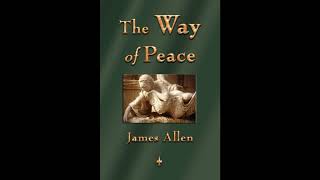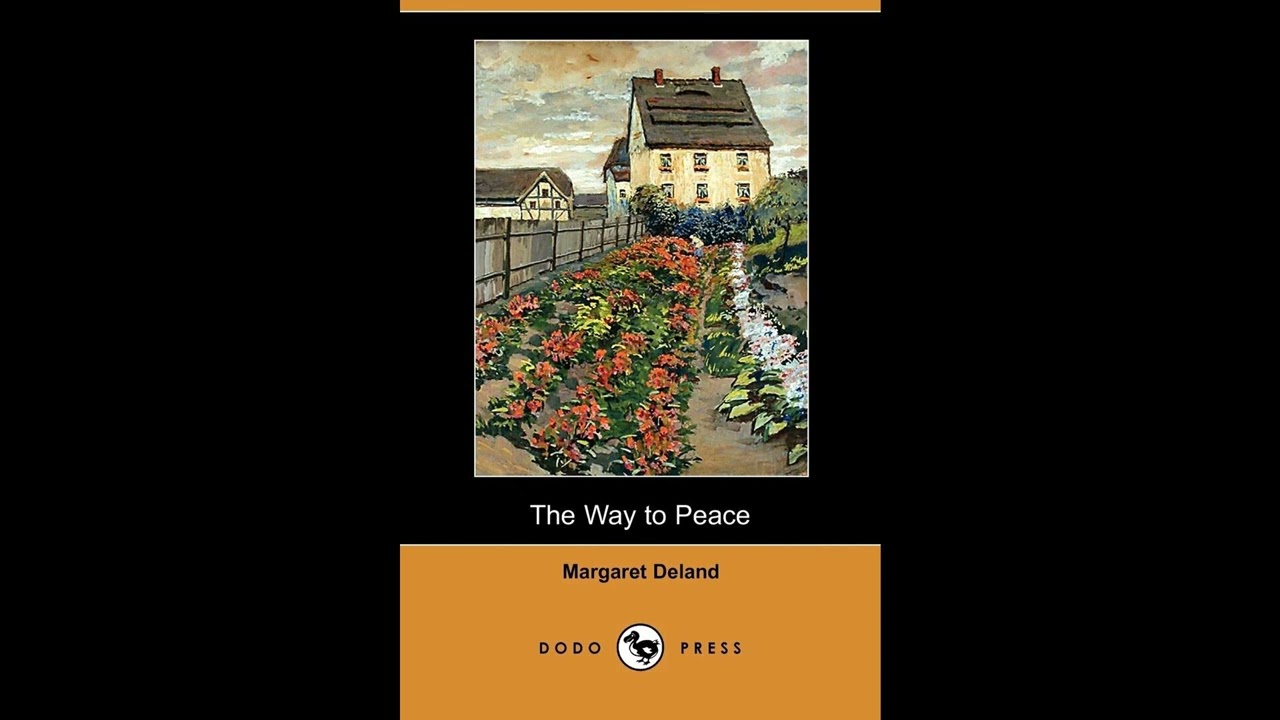
The Way to Peace
What does it truly mean to find peace in a world often beset by moral ambiguities, personal disappointments, and the relentless march of change? Margaret Deland's collection, The Way to Peace, invites listeners to contemplate this fundamental human question through a series of poignant short stories, each a window into the quiet struggles and profound insights of ordinary lives. Published in 1910, this collection resonates with an enduring relevance, offering not simplistic answers but rather a nuanced understanding of the myriad paths individuals take—or fail to take—in their search for contentment, integrity, and harmony, both within themselves and with their communities. It is a work that reminds us that the pursuit of inner tranquility is as complex and compelling today as it was over a century ago. Set primarily in the charmingly rendered fictional Pennsylvania town of Old Chester, a recurring locale in Deland’s most beloved writings, The Way to Peace offers listeners a collection of narratives that, while distinct, are bound by a common thread of human experience. We encounter characters who navigate the delicate balance between personal desires and societal expectations, often grappling with the aftermath of choices made, or not made. The setting itself, with its familiar routines, close-knit relationships, and ingrained social norms, becomes a crucial element, shaping the dilemmas and resolutions that unfold. Each story presents its own cast of memorable individuals—from the seemingly rigid spinster to the well-meaning but flawed community leader—whose interior lives are slowly, carefully unveiled. The central conflict within these narratives rarely involves grand, sweeping events, but rather the quiet, often internal battles waged by characters seeking to reconcile their ideals with reality. Whether it’s a matter of conscience, a test of faith, or the struggle to forgive, the stories present situations that force characters to confront their own definitions of peace and how it might be achieved. Listeners will encounter the quiet drama of a community challenged by newcomers, the bittersweet understanding between old friends, and the difficult lessons learned through sacrifice. The arc of each story, though varied, consistently pulls its protagonists toward a moment of reckoning, a point where clarity is sought, and a form of resolution—whether comforting or disquieting—is found, offering insight into the myriad ways people seek to establish harmony in their lives. Margaret Wade Campbell Deland, born in Allegheny, Pennsylvania in 1857, was a significant literary voice in American letters, particularly during the late nineteenth and early twentieth centuries. Orphaned at a young age, she was raised by an aunt, an experience that likely instilled in her an early sensitivity to human dependence and the solace found in community. After studying art in New York City and teaching at the Girls’ Normal College, she married Lorin F. Deland in 1880, settling in Boston. Her literary career began with poetry, but her first novel, John Ward, Preacher, published in 1888, brought her immediate and considerable attention, largely due to its bold exploration of theological doubt and changing religious sensibilities—topics considered quite daring for the period. Deland established herself as a perceptive chronicler of American life, primarily through her popular "Old Chester" series of novels and short stories, of which The Way to Peace is a notable part. These works earned her a devoted readership and critical acclaim for their realistic portrayal of small-town morality, psychological depth, and sympathetic characterizations. She was a keen observer of human nature, often presenting her characters with moral quandaries that illuminated the complexities of faith, love, duty, and social change. She continued writing well into her eighties, producing a substantial body of work before her passing in 1945, leaving behind a legacy of thoughtful and emotionally resonant fiction that offers a unique perspective on a pivotal era in American history. At its core, The Way to Peace addresses several profound and enduring themes. One dominant idea is the subjective nature of "peace" itself. For some characters, it means inner tranquility achieved through spiritual conviction; for others, it is the quiet acceptance of difficult circumstances, or the cessation of conflict within a community. Deland adeptly illustrates how this pursuit often involves moral compromise or a painful re-evaluation of one's values. For instance, in one story, a character might find their understanding of peace challenged when a long-held belief system clashes with an act of human kindness, forcing them to choose between strict adherence to principle and compassionate flexibility. Another recurring theme is the quiet heroism found in everyday life and the often-unseen sacrifices individuals make for others. Deland highlights how true virtue often manifests not in grand gestures but in small, consistent acts of resilience, charity, or self-denial. Her stories often feature individuals who, despite their flaws, demonstrate a profound capacity for empathy and duty. A character might quietly shoulder the burdens of a family member, or make an unpopular decision based on a deeply held moral conviction, thereby finding a personal peace not through ease, but through fidelity to their own integrity, however challenging that path might prove. The early twentieth century, when The Way to Peace appeared, was a period of immense transformation in America, often referred to as the Progressive Era. This era saw rapid industrialization, significant social reform movements—including the fight for women's suffrage and labor rights—and a growing questioning of traditional religious and social structures. Deland's stories, while set in the seemingly unchanging world of Old Chester, subtly reflect these broader societal shifts. She examines how modern anxieties and changing moral landscapes ripple even into quiet communities, affecting individual lives and communal values. Her work emerged from a literary tradition that appreciated local color and realism, but she infused it with a philosophical inquiry into character and conscience that spoke to the deeper currents of her time, offering a sense of stability and moral grounding amidst burgeoning societal change. Listening to The Way to Peace as an audiobook offers a unique opportunity to immerse oneself in Deland’s carefully constructed world. The gentle pace of these narratives, combined with their thoughtful characterizations and evocative descriptions of Old Chester, makes them ideally suited for a listening experience. Listeners can savor the nuances of the period dialogue, appreciate the narrator's interpretation of each character’s distinct voice, and allow the quiet wisdom embedded in these stories to unfold over several hours. The collected nature of the work means one can return to it again and again, finding new insights in each tale, enjoying the individual arcs while appreciating the overarching search for understanding and serenity that binds them together.
Enjoyed The Way to Peace? A few ways to support us
Audible & Amazon links are affiliate; we may earn a small commission at no extra cost.
About this production
Human narration by a volunteer reader from LibriVox.org, the public-domain audiobook project. LibriVox volunteers record literary works whose copyright has expired in the United States, releasing the resulting recordings into the public domain.
The Way to Peace by Margaret Wade Campbell Deland. The underlying text is in the U.S. public domain. We do not republish any modern copyrighted edition, translation, or commentary.
The 4K cinematic visuals accompanying this audiobook are generated by an AI image model from prompts derived from the source text. No copyrighted photos, paintings, or stock footage are used. AI generation is disclosed on every video on our YouTube channel as required by YouTube's altered/synthetic content policy.
English subtitles are transcribed from the LibriVox recording with OpenAI Whisper. Translations into the 11 other supported languages are produced by Meta's NLLB-200 neural translation model. No human translator's copyrighted translation is used.
Questions about sourcing or rights? See our DMCA & Sourcing policy or contact us.
Enjoyed this audiobook?
If you'd like to own a copy of The Way to Peace or hear a professionally produced edition, the links below help support free audiobook production at no extra cost to you.
As an Amazon Associate we earn from qualifying purchases. Audible / print links are affiliate.