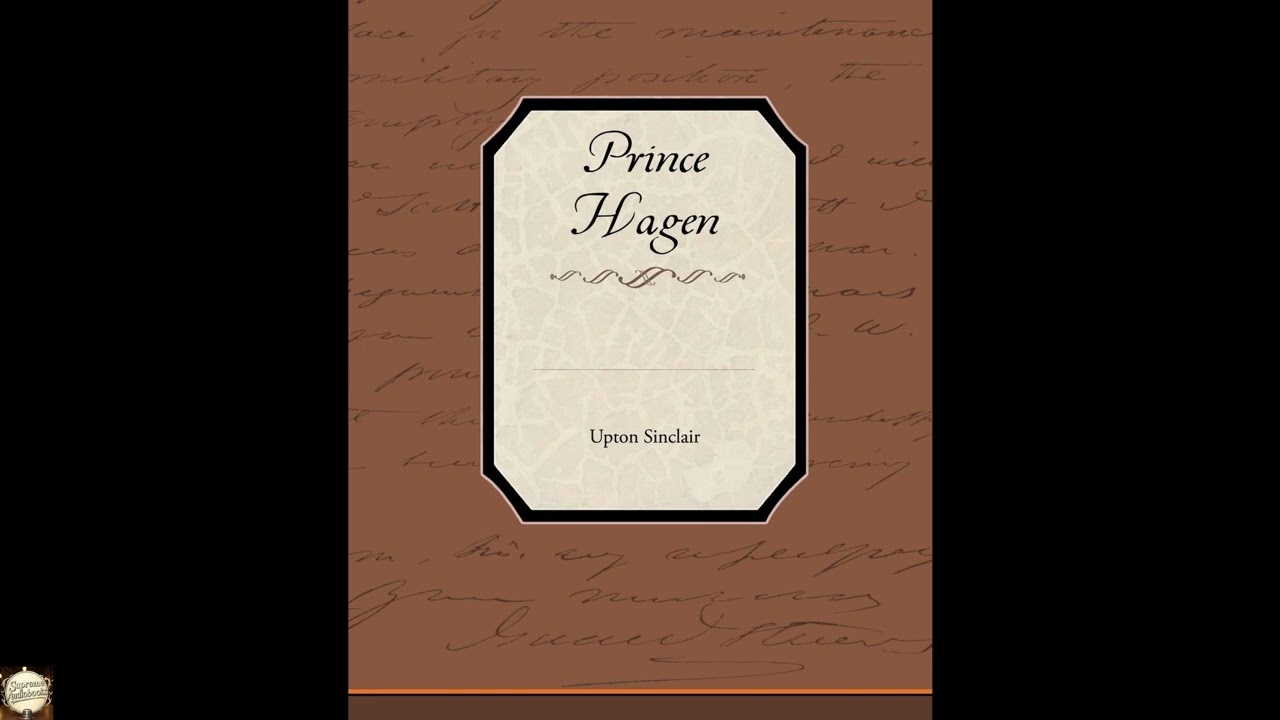
Prince Hagen
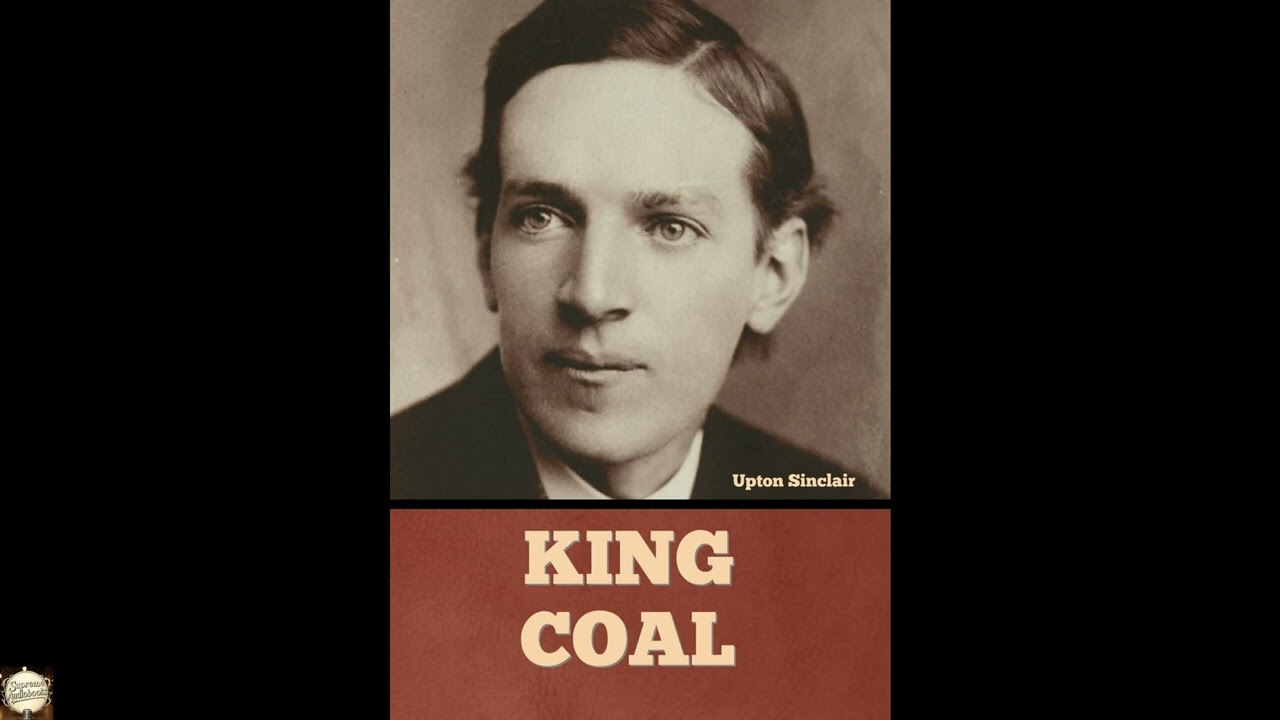
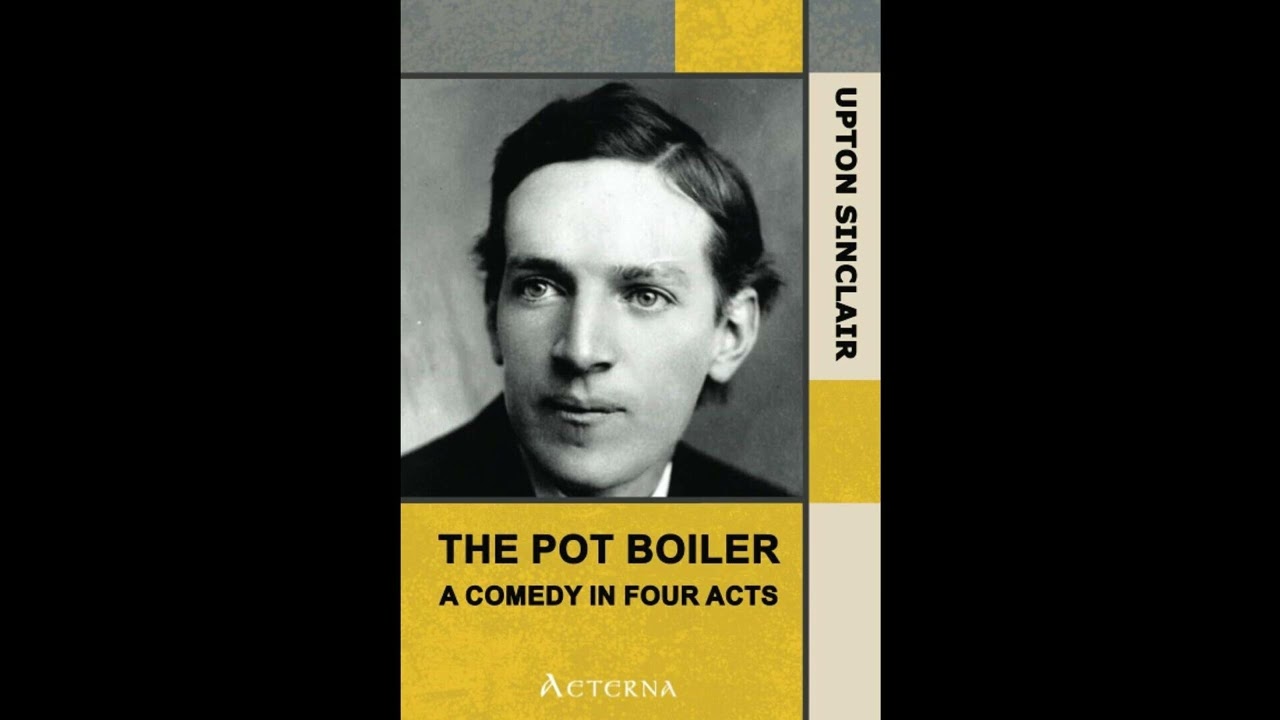
Imagine a world where the vast, mythical gold of ancient legend spills out into the glittering, greedy streets of turn-of-the-century New York City. That’s the electrifying premise of Upton Sinclair’s Prince Hagen, a satirical novel published in 1903 that skewers American society with a sharp, often hilarious, but ultimately sobering wit. This early work by one of America’s most influential social critics remains remarkably pertinent today, offering a caustic look at the corrupting power of immense wealth, the superficiality of social elites, and the relentless pursuit of material gain that defines a nation. It asks a powerful question: if someone could buy anything and everything, what would that reveal about the values we truly hold? Our story begins in the most unexpected of places: an underground kingdom of the Nibelungen, where the eponymous Prince Hagen has lived a life insulated from the modern world. Possessing untold riches in gold—the very stuff of myth and legend—Hagen emerges into the dazzling, bewildering landscape of Gilded Age New York. He is a strange figure, naive yet astute, with an ancient moral code struggling to comprehend the complexities and hypocrisies of a society driven by capitalism and social climbing. Hagen quickly realizes that his gold is the ultimate key. He sets out to conquer this new world not through force, but by systematically purchasing every facet of power and prestige: newspapers, political offices, social standing, and even affections. His colossal wealth begins to warp the very fabric of New York society, exposing the deep-seated corruption and the eagerness with which principles are abandoned for a price. As Hagen navigates the labyrinthine social circles and political arenas, he encounters a gallery of distinctly American types—ambitious journalists, calculating socialites, venal politicians, and opportunistic businessmen—each eager to profit from his seemingly endless supply of gold. His attempts to understand and integrate into this foreign culture often lead to absurd situations, as his blunt, almost primitive approach to transactions clashes with polite society's thinly veiled avarice. He finds that nearly everything and everyone has a price, and he is determined to pay it, pushing the boundaries of what money can buy in an escalating series of transactions that reveal the true nature of the human heart beneath the veneer of civilization. The narrative follows Hagen’s often-comical, sometimes disturbing, but always insightful march through institutions, exposing the fragile foundations upon which power and reputation are built. Upton Sinclair, born in Baltimore in 1878, would become one of the most significant and prolific American writers of the 20th century, a relentless voice for social justice and a key figure in the muckraking movement. Though his family experienced financial hardship, Sinclair received an education at City College of New York and Columbia University, where he supported himself by writing dime novels and pulp fiction. This early exposure to the struggles of the working class and the stark inequalities of American life profoundly shaped his worldview, leading him to embrace socialism and dedicate his literary career to exposing societal ills. He would famously live among the workers he wrote about, immersing himself in their conditions to give his critiques unparalleled authenticity. Sinclair’s body of work spans nearly a century, from his early novels like Prince Hagen to his Pulitzer Prize-winning Dragon's Teeth in 1943. He is, of course, most widely recognized for The Jungle (1906), a brutal exposé of the Chicago meatpacking industry that led directly to federal food safety legislation. His other notable works, such as Oil! (1927) and King Coal (1917), similarly tore back the curtain on industrial exploitation and corruption. Sinclair was not merely a novelist; he was an activist, a politician who ran for governor of California, and a tireless advocate for reform, cementing his place in the American literary canon as a fierce moralist whose fiction aimed to ignite change. At its core, Prince Hagen enacts several powerful themes, perhaps none more prominent than the corrupting influence of wealth. Sinclair shows how Hagen's immense fortune doesn't just buy comfort, but actively distorts morality, turning once-principled people into eager accomplices in their own downfall. We see this vividly when Hagen's gold sways journalists to abandon truth for sensationalism, or when politicians eagerly sell off public trust for private gain. Another central theme is American materialism, which Sinclair portrays through the characters' insatiable desire for status symbols and luxury, epitomized by their fawning over Hagen not for his character, but solely for his ability to provide boundless riches. The New York socialites, with their superficial concerns and ruthless ambition, become a stark example of a society where worth is measured by possessions rather than integrity. The novel also grapples with the clash between innocence and cynicism, as Hagen's initial, almost childlike bewilderment at human customs gradually gives way to a hardened understanding of their self-serving nature. He arrives from a world of stark, primitive values and learns—or, rather, is taught—that the modern world operates on a far more convoluted, yet equally brutal, set of rules. Finally, Sinclair deftly employs social satire to lampoon the pretensions and hypocrisies of the Gilded Age. Through exaggerated scenarios and biting dialogue, he exposes the absurdity of a system that allows enormous power to concentrate in the hands of the few, often at the expense of the many, all while cloaked in polite society's elegant facade. Prince Hagen emerged at a pivotal moment in American history, published in 1903 during the height of the Gilded Age and the nascent years of the Progressive Era. This period, following the Civil War, was characterized by unprecedented industrial growth, the rise of massive corporate trusts, and the accumulation of staggering private fortunes, often juxtaposed against widespread poverty and appalling working conditions. The cultural landscape was marked by ostentatious displays of wealth and a growing public awareness of political corruption and corporate malfeasance. It was a time when the first "muckraking" journalists and authors, like Sinclair, were beginning to actively challenge the established order, using their pens to expose the hidden abuses of power and wealth. Prince Hagen, with its fantastical premise used to dissect very real social problems, stands as an early and important example of this burgeoning reformist spirit in American literature, laying the groundwork for more direct critiques that would follow. Listening to Prince Hagen as an audiobook offers a unique and immersive way to experience Sinclair's potent satire. The narrative, spanning several hours, unfolds with a deliberate pace that allows the listener to fully absorb the escalating absurdities and sharp social commentary. A skilled narrator brings to life the distinct voices of Hagen, with his earnest yet bewildered demeanor, and the host of greedy, cynical New Yorkers he encounters. The dialogue, often brimming with biting wit and pointed observations, truly shines when read aloud, allowing the listener to catch every nuance of Sinclair's comedic timing and his underlying indignation. The auditory format enhances the story's atmospheric contrast between Hagen's fantastical origins and the gritty reality of urban greed, drawing listeners deeply into a world where mythic wealth collides with very human frailties, creating a truly memorable and thought-provoking listen.
Enjoyed Prince Hagen? A few ways to support us
Audible & Amazon links are affiliate; we may earn a small commission at no extra cost.
About this production
Human narration by a volunteer reader from LibriVox.org, the public-domain audiobook project. LibriVox volunteers record literary works whose copyright has expired in the United States, releasing the resulting recordings into the public domain.
Prince Hagen by Upton Sinclair. The underlying text is in the U.S. public domain. We do not republish any modern copyrighted edition, translation, or commentary.
The 4K cinematic visuals accompanying this audiobook are generated by an AI image model from prompts derived from the source text. No copyrighted photos, paintings, or stock footage are used. AI generation is disclosed on every video on our YouTube channel as required by YouTube's altered/synthetic content policy.
English subtitles are transcribed from the LibriVox recording with OpenAI Whisper. Translations into the 11 other supported languages are produced by Meta's NLLB-200 neural translation model. No human translator's copyrighted translation is used.
Questions about sourcing or rights? See our DMCA & Sourcing policy or contact us.
Enjoyed this audiobook?
If you'd like to own a copy of Prince Hagen or hear a professionally produced edition, the links below help support free audiobook production at no extra cost to you.
As an Amazon Associate we earn from qualifying purchases. Audible / print links are affiliate.