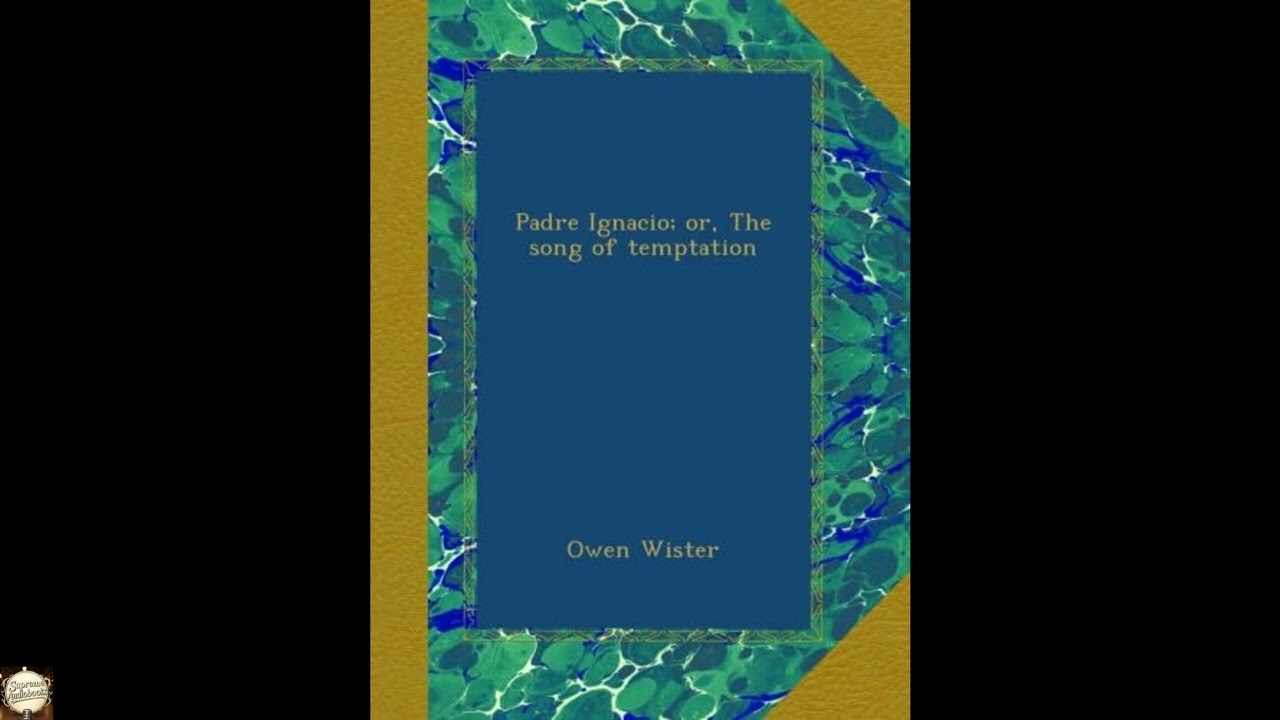
Padre Ignacio; or, The song of temptation
"Padre Ignacio; or, The song of temptation" brings listeners to the sun-baked plains of the American Southwest, a spiritual battlefield where an individual confronts his sacred vows and the insistent call of worldly desire. Owen Wister's potent novella speaks to a universal human condition: the test of conviction in the face of alluring challenge. Even today, the core themes of faith, personal discipline, and fierce internal battles remain relevant, making this story a resonant meditation on upholding one's truth. The story unfolds in the stark, magnificent landscape of a remote California mission, a place seemingly forgotten by the outside world, where desert dust mixes with echoes of ancient devotions. Here resides Padre Ignacio, a man committed to his priestly duties, his life ordered by ritual and prayer. His existence, however, is not one of serene piety. The mission's isolation, while providing spiritual focus, also amplifies his soul's internal dialogues, leaving him vulnerable to insidious whispers of doubt and longing. The central conflict ignites with the arrival of an unexpected visitor, or perhaps, the vivid memory of one, that shatters Padre Ignacio's carefully constructed world of spiritual discipline. This presence, whether real or phantasmagorical, embodies a "song of temptation"—a melody of worldly pleasures, human connection, and a life unburdened by ascetic vows. The narrative then follows Padre Ignacio's intense, often agonizing, fight against these powerful forces, a struggle that plays out within his own mind and the austere walls of his sanctuary. Wister portrays the psychological toll of this inner war, painting a portrait of a man torn between the divine and the intensely human, pushing him towards a critical crossroads. Owen Wister (1860-1938) stands as a foundational figure in American literature, celebrated as the "father of the Western novel." Born into a prominent Philadelphia family, Wister's early life featured privilege and a broad education. He studied at Harvard, a classmate of Theodore Roosevelt, and later pursued law, though his true calling lay in writing. Persistent ill health led him to spend summers in the American West starting in the 1880s, profoundly shaping his literary destiny. Traveling across Wyoming, Arizona, and New Mexico, Wister became enamored with the rugged beauty of the landscape and the unique character of cowboys, soldiers, and settlers. These experiences provided the raw material for his contributions to American letters. While Padre Ignacio predates his most famous work, it shares the same keen observation of character and setting. Wister’s magnum opus, The Virginian: A Horseman of the Plains (1902), codified many tropes of the Western genre—the laconic, honorable cowboy hero, the dramatic showdown, and the romanticization of a vanishing frontier. His writing captured a transitional period, documenting a way of life fading under the advance of industrialization and settlement. Wister helped construct the myth of the American West, influencing generations of writers and filmmakers. "Padre Ignacio" serves as a poignant examination of several core human themes, most notably the conflict between spiritual devotion and carnal temptation. Wister crafts a compelling portrayal of this struggle within the titular character, showing how even a life dedicated to God can be assailed by earthly desires. For instance, the padre's solitary moments, rather than offering peace, often become arenas for internal battles, where the memory of a beautiful face or a yearning for human companionship becomes a powerful adversary. The "song of temptation" is not an external force but an internal echo, a persistent challenge to his vows of celibacy and asceticism. Another central theme is the nature of isolation and its impact on the human psyche. The remote mission, cut off from the bustling world, serves as both sanctuary and crucible. While it facilitates contemplation, it also magnifies the padre's solitude, making him acutely aware of his humanity and vulnerability. This setting allows Wister to demonstrate that true faith is not simply the absence of temptation, but steadfastness in confronting it in the deepest chambers of one's being. The story also touches on the clash of cultures and the waning influence of traditional religious life in a rapidly modernizing world, even in untouched corners of the desert. The padre's personal trial reflects a larger societal shift, questioning old ways. "Padre Ignacio" emerged from a period of significant transformation in American society, roughly spanning the late nineteenth and early twentieth centuries. This era witnessed the closing of the American frontier, a process that deeply affected the national psyche and fueled a nostalgic longing for a simpler, more rugged past. Wister, alongside contemporaries like Frederic Remington and Theodore Roosevelt, shaped the cultural narrative surrounding this vanishing frontier, often romanticizing its figures and landscapes. The rapid industrialization and urbanization of the East contrasted sharply with the relatively untouched expanses of the West, creating fertile ground for stories of self-reliance, wilderness, and the clash between old and new worlds. Literarily, this was also a time when American writing moved away from the sentimentality of Romanticism towards observations of Realism and the starker truths of Naturalism. Wister's work, while often idealistic in its portrayal of heroes, nonetheless grounded its narratives in tangible settings and psychological realism. His fascination with figures of the American West—including missionaries, cowboys, and Native Americans—reflected a broader societal interest in defining American identity through its unique regional characters. "Padre Ignacio" particularly resonates with the era's ongoing questions about faith and morality in a secularizing age, examining individual spiritual fortitude when confronted by modernity and personal desire. To experience "Padre Ignacio" as an audiobook is to be fully immersed in its quiet, yet intensely dramatic, world. The several hours of listening time allow for a measured pace, mirroring the contemplative, often agonizing, internal struggle of the protagonist. A skilled narrator breathes life into the sun-drenched silence of the mission, painting vivid auditory landscapes that evoke the isolation and spiritual austerity of Padre Ignacio's existence. Wister's prose, particularly his descriptions of the desert environment and the padre's introspective thoughts, are magnified when spoken, allowing listeners to absorb the atmosphere and the character's profound inner turmoil. The narrator's voice becomes the conduit for the padre's unspoken fears and desires, making the "song of temptation" a palpable, insidious presence, felt rather than merely read. It transforms this story of internal conflict into an intimate, personal encounter with faith and resilience.
Enjoyed Padre Ignacio; or, The song of temptation? A few ways to support us
Audible & Amazon links are affiliate; we may earn a small commission at no extra cost.
About this production
Human narration by a volunteer reader from LibriVox.org, the public-domain audiobook project. LibriVox volunteers record literary works whose copyright has expired in the United States, releasing the resulting recordings into the public domain.
Padre Ignacio; or, The song of temptation by Owen Wister. The underlying text is in the U.S. public domain. We do not republish any modern copyrighted edition, translation, or commentary.
The 4K cinematic visuals accompanying this audiobook are generated by an AI image model from prompts derived from the source text. No copyrighted photos, paintings, or stock footage are used. AI generation is disclosed on every video on our YouTube channel as required by YouTube's altered/synthetic content policy.
English subtitles are transcribed from the LibriVox recording with OpenAI Whisper. Translations into the 11 other supported languages are produced by Meta's NLLB-200 neural translation model. No human translator's copyrighted translation is used.
Questions about sourcing or rights? See our DMCA & Sourcing policy or contact us.
Enjoyed this audiobook?
If you'd like to own a copy of Padre Ignacio; or, The song of temptation or hear a professionally produced edition, the links below help support free audiobook production at no extra cost to you.
As an Amazon Associate we earn from qualifying purchases. Audible / print links are affiliate.