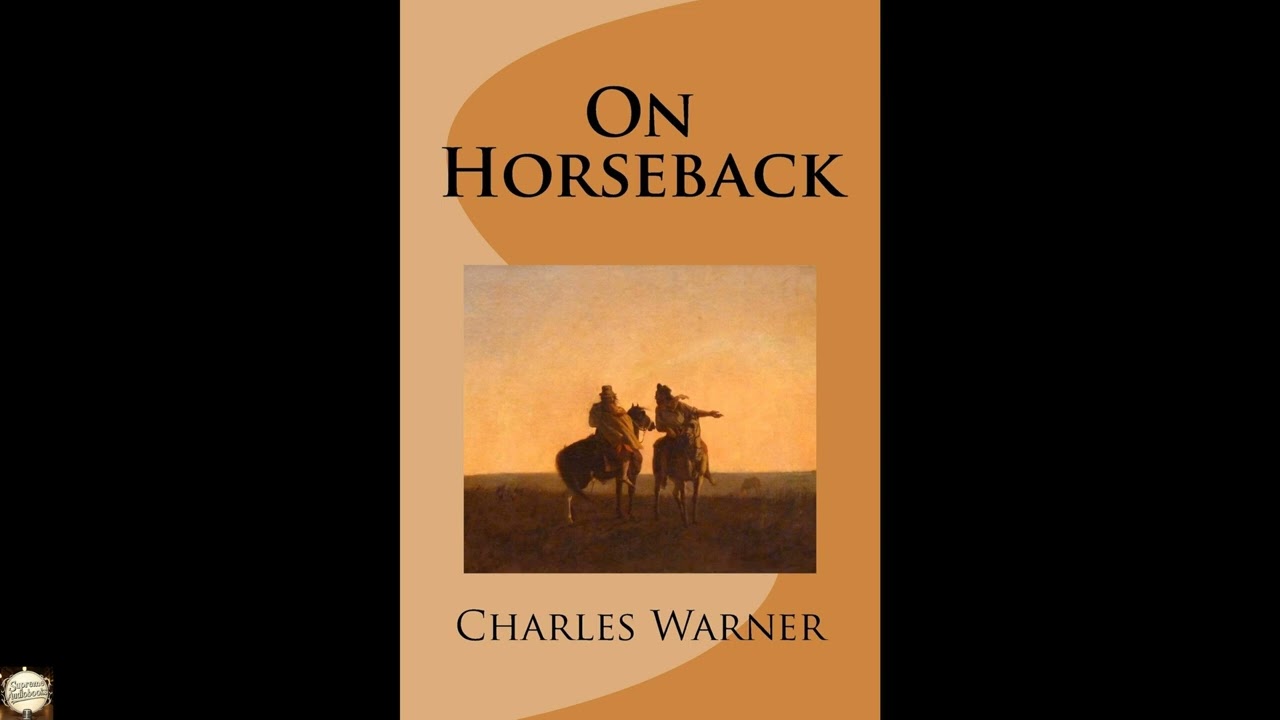
On Horseback
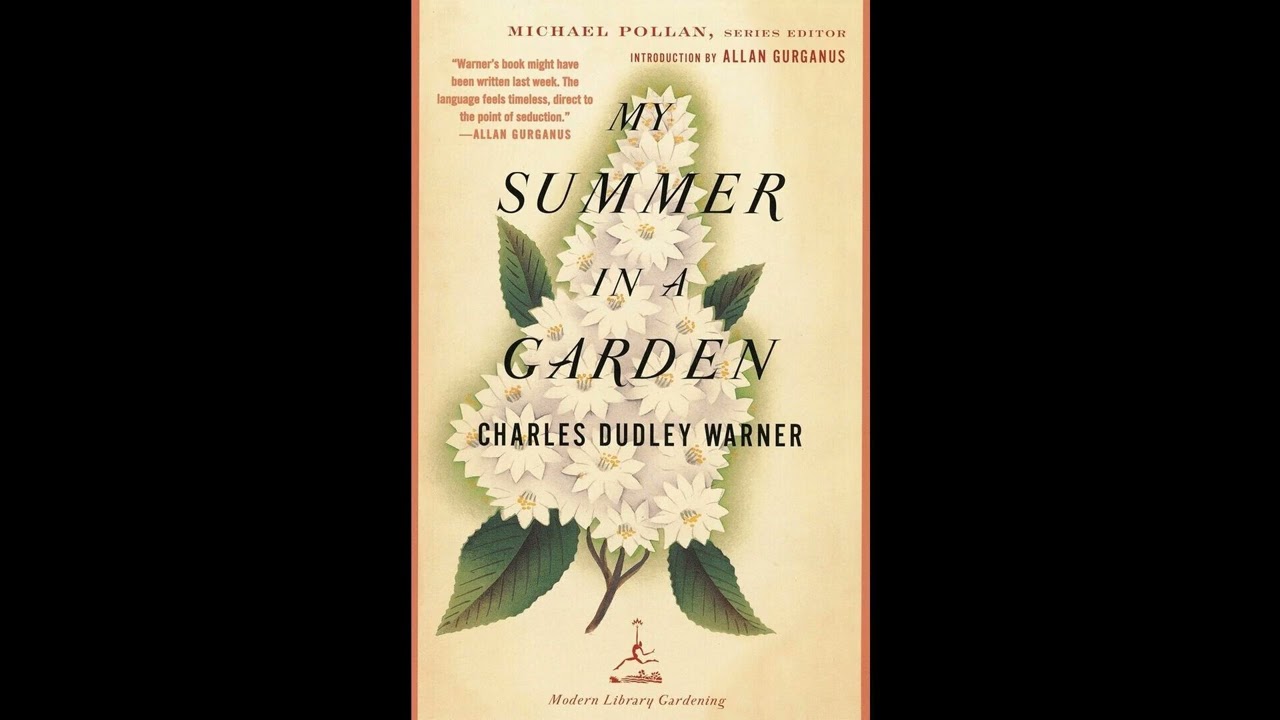
Imagine a world where observation was an art, where the pace of life encouraged deep reflection, and where the humor in everyday encounters shone brightly through the prose of a gifted writer. That is the world Charles Dudley Warner invites listeners into with his memorable work, On Horseback. Far more than a simple account of a ride, this book is an invitation to slow down, to notice the subtle beauties of the natural world, and to find amusement in the quirks of human nature. It offers not just a glimpse into a bygone era of rural America, but a profound argument for the value of sustained attention and a gentle reminder that some of life's richest experiences unfold at a walk, not a gallop. For anyone seeking a tranquil escape, a dose of thoughtful wit, or a unique historical perspective, Warner's saddle-level view of the landscape remains as refreshing and relevant today as it was when first penned. On Horseback chronicles Warner’s leisurely tour through the picturesque regions of New England, primarily traversing the scenic White Mountains of New Hampshire and parts of Vermont. His primary mode of transportation, a horse—sometimes his own, sometimes borrowed, sometimes with a companion—sets the deliberate tempo for the narrative. The book opens not with grand pronouncements, but with the simple decision to set out, to exchange the structured routines of city life for the open road and the unpredictable charms of the countryside. As Warner and his companion (often referred to simply as "my friend") make their way through rolling hills, dense forests, and quiet villages, their encounters become the story: a brief chat with a farmer, a stay at a rustic inn, or a moment observing the habits of a local eccentric. The narrative arc is not driven by external conflict or dramatic events, but by the accumulation of small, telling details and the author’s evolving thoughts. Warner’s acute powers of observation transform ordinary sights—a dusty road, a roadside flower, the specific character of a village store—into objects of contemplation and often, gentle humor. He describes the changing light on mountain peaks, the sounds of insects, the particular quality of the air after a summer rain. His "characters" are less individuals with deep psychological backstories and more archetypes of rural life, serving as foils for his dry wit or as windows into the distinctive regional characteristics of late nineteenth-century America. The journey is an extended meditation, a moving portrait of a landscape and its people, always delivered with an understated charm that pulls the listener along mile after thoughtful mile. The author, Charles Dudley Warner, was a significant literary figure during the latter half of the nineteenth century, known for his keen wit, perceptive essays, and collaborative literary endeavors. Born in Plainfield, Massachusetts, in 1829, Warner pursued a varied early career, studying law before settling into the world of journalism. He eventually became editor of the Hartford Courant, a prominent newspaper, where his distinctive voice and editorial acumen flourished. It was in Hartford, Connecticut, that Warner formed a close and enduring friendship with Samuel Clemens, better known as Mark Twain. This friendship led to one of the most famous literary collaborations in American history: the novel The Gilded Age: A Tale of Today, published in 1873. This seminal work not only captured the spirit of an era characterized by rapid industrial growth and social change but also lent its very name to the period. Beyond The Gilded Age, Warner was a prolific essayist and humorist. His collected works include beloved titles such as My Summer in a Garden, a charming and witty account of horticultural tribulations, and Backlog Studies, a series of relaxed reflections on literature, society, and everyday life. He possessed a refined sensibility, a gift for understated irony, and a deep appreciation for both the natural world and the peculiar habits of humanity. Warner's prose, with its clear, elegant structure and gentle satirical edge, established him as an important voice among American writers, aligning him with the burgeoning realism movement while retaining a distinct New England sensibility and an abiding affection for the essay form. He passed away in 1900, leaving behind a legacy of thoughtful, engaging, and often humorous observations on American life and landscape. On Horseback brings forward several profound themes for consideration. One prominent theme is the contrast between nature's enduring power and humanity's attempts to tame or commercialize it. Warner frequently describes moments of sublime natural beauty—a secluded forest path, the vast panorama from a mountain summit—only to follow with observations on the encroachment of logging operations, the proliferation of tourist resorts, or the quaint artificiality of some rural industries. For example, he might rhapsodize about a tranquil stream, then gently poke fun at a local attempt to turn it into a mere amenity for urban visitors. This tension highlights a growing awareness in the late nineteenth century of the delicate balance between progress and preservation. Another central theme is the unique character of American regionalism and the evolving national identity. Through his encounters with various innkeepers, farmers, and villagers, Warner paints a vivid picture of the diverse personalities that populate the American countryside. His humorous anecdotes and descriptions capture distinct dialects, customs, and ways of thinking, showcasing the rich patchwork of regional identities that formed the fabric of the nation. He reveals how these local particularities, while sometimes quaint or stubborn, contribute to a larger understanding of what it means to be American in a rapidly changing society. Finally, the book celebrates the virtue of observation and the transformative power of a slower pace of life. By traveling on horseback, Warner immerses himself fully in his surroundings, allowing him to notice details that might be missed by faster modes of transportation. This deliberate pace encourages introspection and a deeper connection to the environment, suggesting that true understanding often comes from patient engagement rather than hurried consumption. The period in which On Horseback emerged—the late nineteenth century—was a time of immense transformation across America. Following the Civil War, the nation experienced a boom in industrialization, rapid urbanization, and significant technological advancements, particularly in transportation with the expansion of railroads. This era saw the rise of a new leisure class and a growing interest in tourism, as city dwellers sought escape and recreation in natural landscapes. Warner’s decision to travel by horse, rather than the increasingly prevalent train, offered a nostalgic counterpoint to this industrializing world, allowing him to directly experience a more traditional, intimate connection with the land and its communities. Culturally, this was also a time when American literature was shifting towards realism, away from the more overtly romantic or sentimental styles of earlier generations. Authors like Warner, Mark Twain, and William Dean Howells sought to depict life as it truly was, with an emphasis on authentic dialogue, detailed settings, and relatable human experiences. On Horseback fits squarely within this tradition, offering an honest, unvarnished—though always good-humored—look at rural America. The book serves as a valuable record of a moment when the wilderness was still accessible and valued, yet simultaneously experiencing the initial pressures of modernization, providing a reflective snapshot of a nation grappling with its own progress. Listening to On Horseback as an audiobook offers a singular opportunity to fully absorb Warner's distinct narrative voice and the immersive quality of his observations. The spoken word brings a new dimension to his conversational prose, making it feel as if the author himself is recounting his adventures directly to you. The steady, measured pacing of the narration perfectly mirrors the gentle rhythm of a horse ride, allowing ample time for the listener to conjure the vivid landscapes and engaging character sketches Warner describes. With several hours of listening ahead, there is ample space to truly settle into the world of late nineteenth-century New England, letting the evocative descriptions of mountain air, secluded roads, and rustic inns wash over you. The subtle humor, often conveyed through Warner's dry wit and understated irony, truly shines through when articulated by a skilled voice performer, creating an intimate, almost conspiratorial atmosphere that makes this classic a delightful and reflective experience.
Enjoyed On Horseback? A few ways to support us
Audible & Amazon links are affiliate; we may earn a small commission at no extra cost.
About this production
Human narration by a volunteer reader from LibriVox.org, the public-domain audiobook project. LibriVox volunteers record literary works whose copyright has expired in the United States, releasing the resulting recordings into the public domain.
On Horseback by Charles Dudley Warner. The underlying text is in the U.S. public domain. We do not republish any modern copyrighted edition, translation, or commentary.
The 4K cinematic visuals accompanying this audiobook are generated by an AI image model from prompts derived from the source text. No copyrighted photos, paintings, or stock footage are used. AI generation is disclosed on every video on our YouTube channel as required by YouTube's altered/synthetic content policy.
English subtitles are transcribed from the LibriVox recording with OpenAI Whisper. Translations into the 11 other supported languages are produced by Meta's NLLB-200 neural translation model. No human translator's copyrighted translation is used.
Questions about sourcing or rights? See our DMCA & Sourcing policy or contact us.
Enjoyed this audiobook?
If you'd like to own a copy of On Horseback or hear a professionally produced edition, the links below help support free audiobook production at no extra cost to you.
As an Amazon Associate we earn from qualifying purchases. Audible / print links are affiliate.